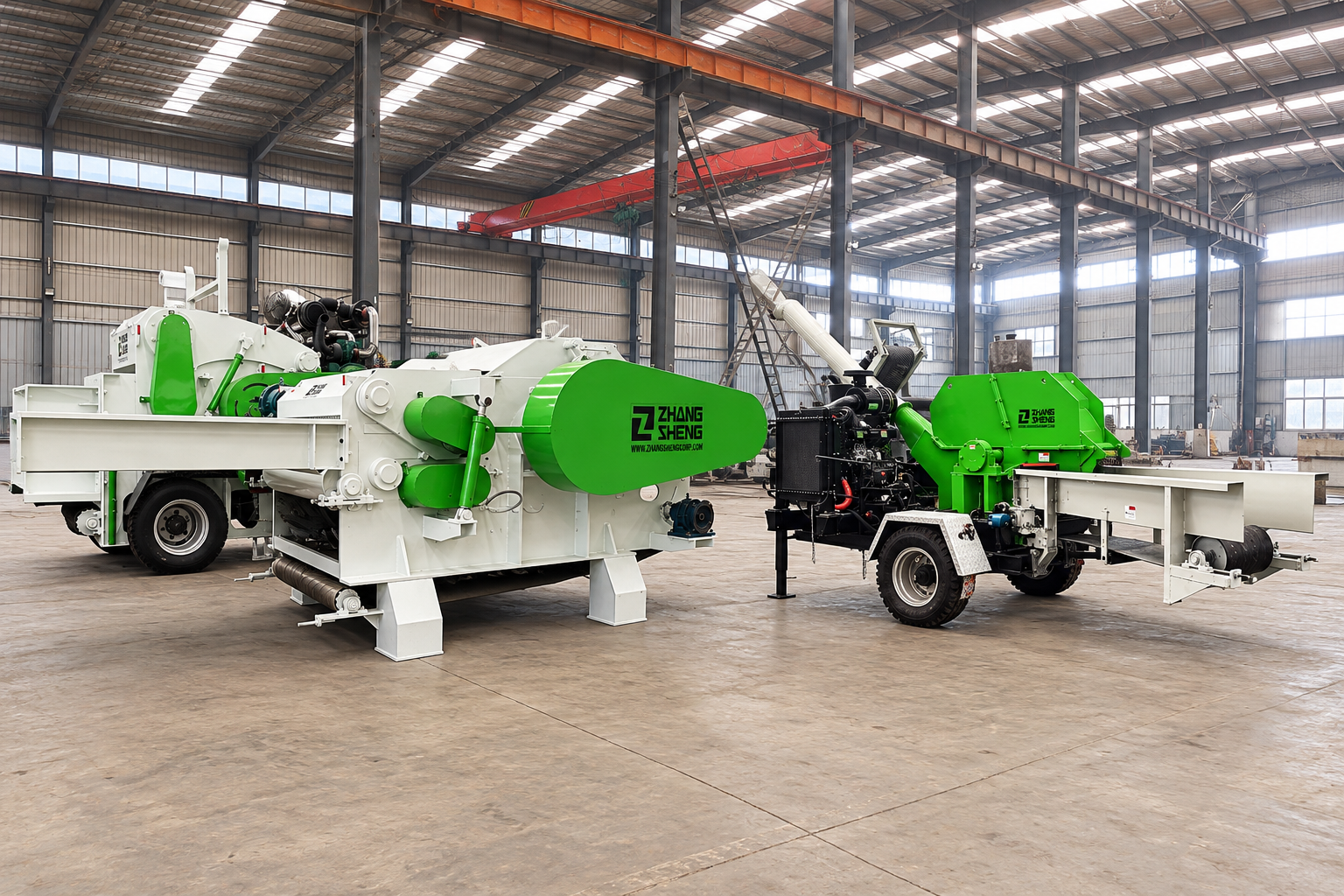
You notice the chipper working harder. The motor sounds different. The feed rate slows down. You start wondering if something is wrong. This worry costs you production time and peace of mind.
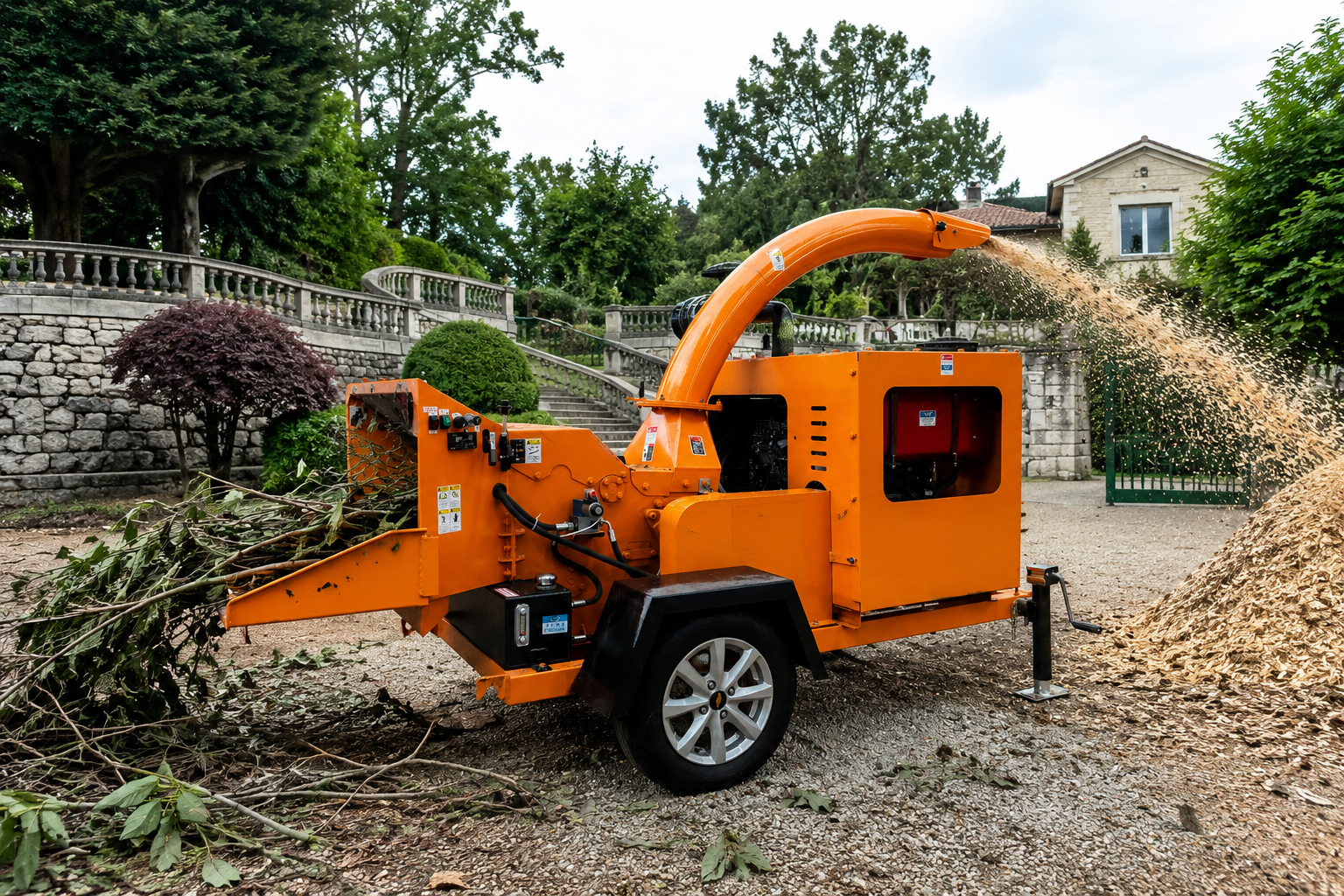
Load increase in your wood chipper is not equipment failure. It’s a signal that tells you what’s happening inside the machine. The load goes up for predictable reasons related to your material, how you feed it, and when you last maintained the blades. Understanding these patterns helps you decide when to adjust operation and when to call service.
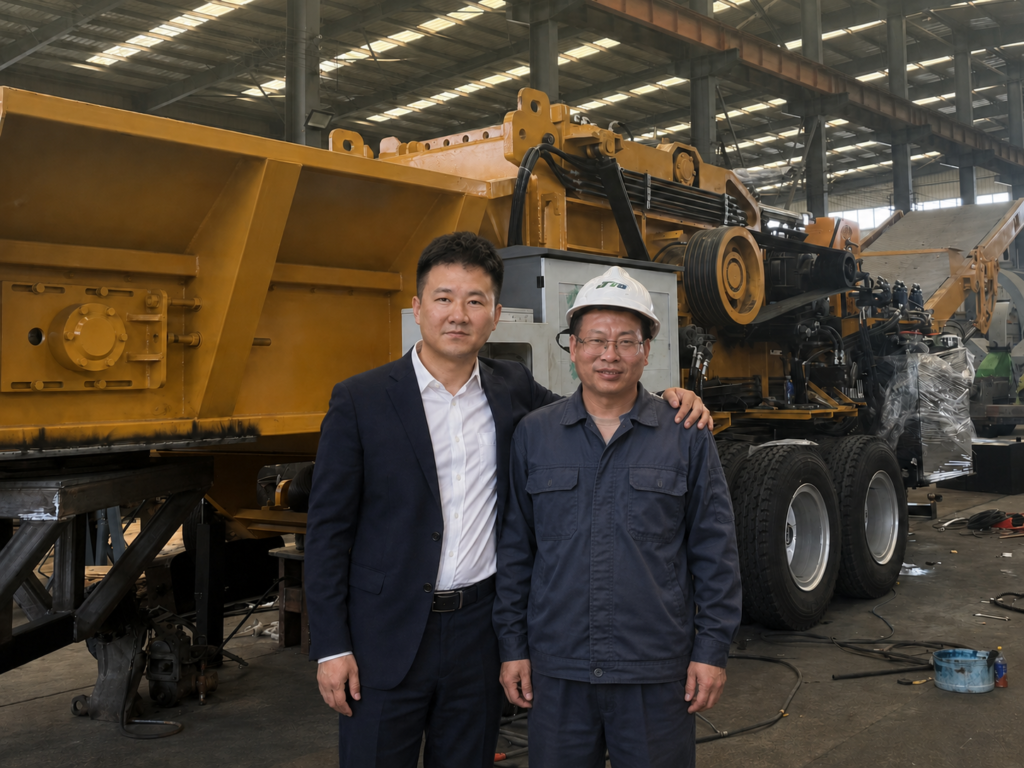
I’ve worked as a TIROX after-sales engineer for 22 years. Over 12 of those years, I’ve handled calls from customers in 87 countries. Most load increase concerns don’t need parts or repairs. They need context. Let me show you how we diagnose this.
What causes the load increase when I chip different materials?
| Cause | Typical Signs | Impact Level | Recommended Action |
|---|---|---|---|
| Wet wood / high moisture content | Load rises, slower discharge, material sticks in the chamber | High | Check moisture level and reduce wet feedstock |
| Hardwoods (e.g., oak, hickory) | Normal operation but consistently higher load | Medium | Slow down feed rate and process in smaller batches |
| Dull blades | Load increases gradually, cutting efficiency drops | High | Sharpen or replace blades regularly |
| Screen clogging | Increased chamber resistance, poor material discharge | High | Clean the screen and remove buildup |
| Continuous operation without breaks | Load rises in the afternoon, machine feels hot | Medium | Schedule cooldown breaks |
| Hot hydraulic oil | Unstable feeding pressure, machine sounds strained | Medium | Check oil temperature and cooling system |
| Overfeeding | Sudden load spike, possible jam or shutdown | High | Control feed rate and avoid stuffing the throat |
| Foreign objects in the chamber | Sudden load increase, safety shutdown may trigger | High | Stop the machine and inspect for metal, stones, or debris |
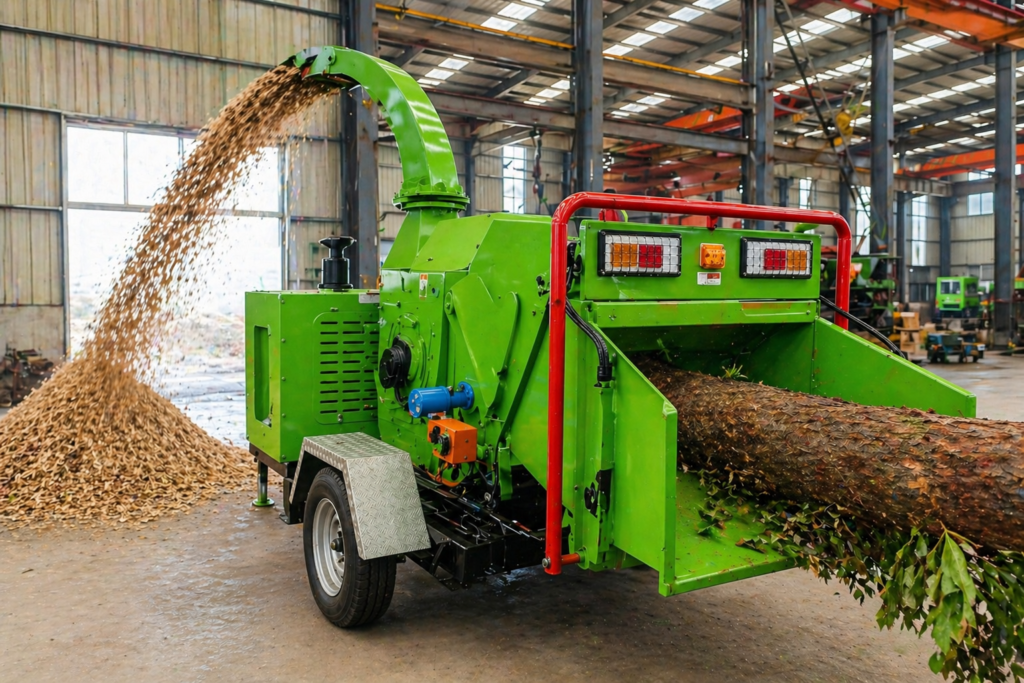
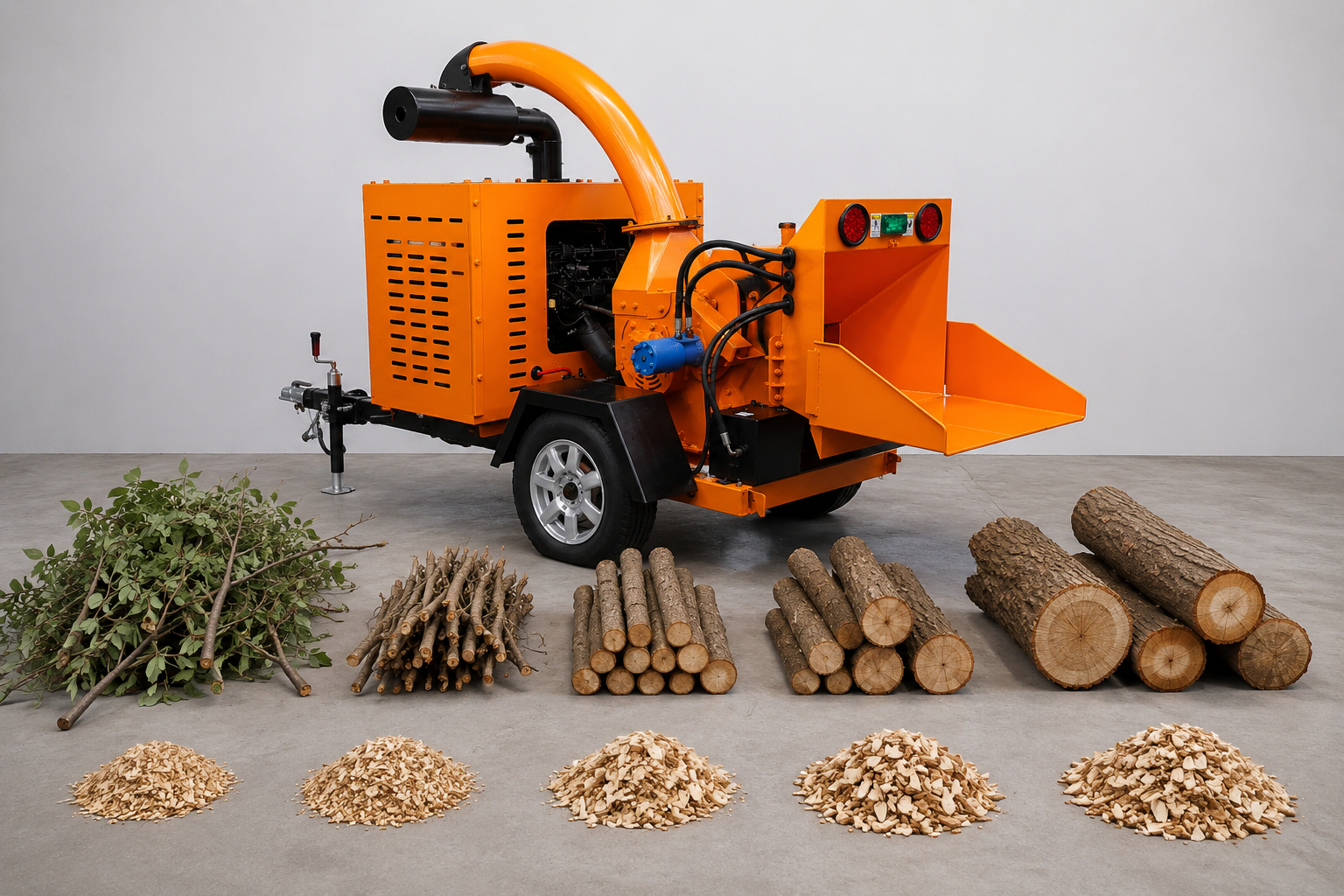
Wet wood and dry wood chip differently because moisture increases weight, friction, and machine load. Wet feedstock can raise the load by 15–20% and may cause chips to stick to the discharge screen. Muddy bark adds more resistance and can wear blades faster, while dense hardwoods like oak and hickory naturally create higher loads than softwoods like pine. To better understand normal performance, track the wood species, moisture level, and contamination in each batch.
How do I know if the load increase signals wear or a sudden problem?
Load increases usually come in two forms: gradual rises over days or weeks, and sudden spikes during operation. The difference matters because the cause and response are not the same. A slow increase usually points to blade wear, screen clogging, or bearing friction. A sudden spike is more likely caused by a foreign object, feed overload, or hydraulic pressure drop.
At TIROX, we use a troubleshooting approach based on years of service data. When customers report load problems, the first question is always about timing: did it happen slowly or all at once? Blade dullness typically develops over time. After processing large amounts of material, the blades lose sharpness little by little, and the chipper must work harder to produce the same output. Many operators only notice when the load becomes clearly higher, by which point the blades are already well past optimal condition.
Screen clogging follows a similar pattern. Fine material builds up gradually and restricts discharge flow, which increases resistance inside the chamber. This is especially common with fibrous materials like willow, poplar, or palm fronds. In contrast, sudden load spikes usually mean the rotor has hit something unexpected. A steel post, stone, or other hard object creates instant resistance and can trigger a safety shutdown. Hydraulic pressure loss can also cause erratic loading, as the feed rollers lose grip and the machine struggles to pull material in.
If the load has increased over several sessions, check maintenance items first: blades, screens, and bearings. If it spiked suddenly during one session, stop the machine and inspect for foreign objects or hydraulic issues.
Can continuous operation naturally increase the load?
Heat Buildup During Continuous Operation
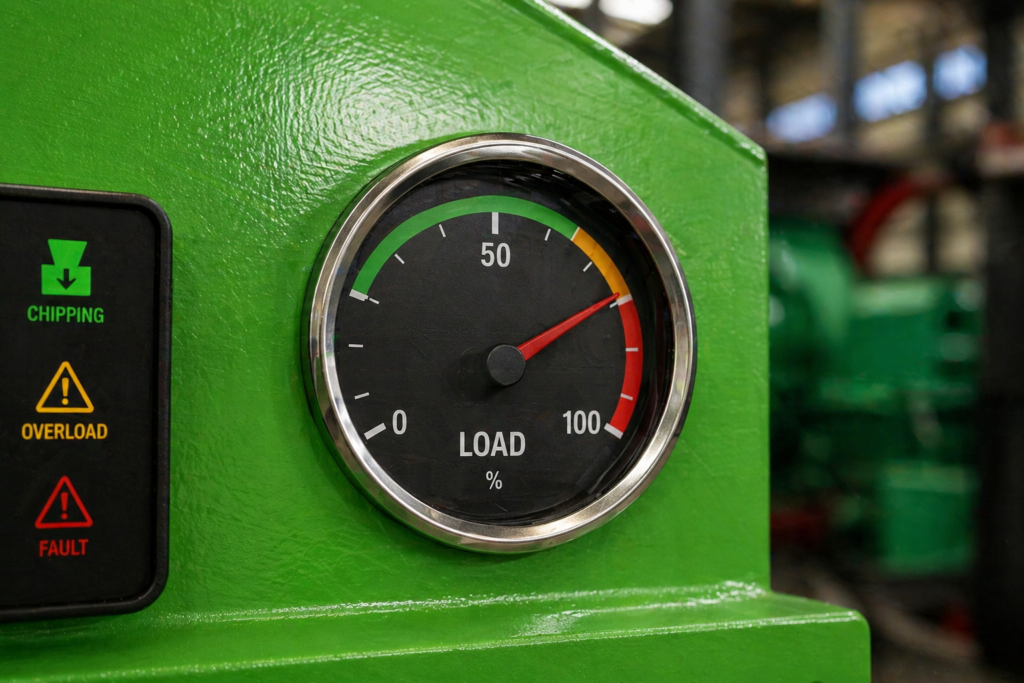
You start chipping at 8 AM. By 2 PM, the machine feels sluggish. The load meter reads higher. You didn’t change anything about your operation. What happened?
Continuous operation without cooldown breaks causes heat buildup in the rotor chamber, bearings, and hydraulic system. Heat reduces oil viscosity, increases friction, and makes components expand slightly. This thermal effect can raise load by 10-15% after 6-8 hours of non-stop work. It’s temporary and reversible with proper break intervals.
A Real Case: False Alarm of Bearing Failure
A European customer contacted me three years ago. He ran a large biomass operation. His horizontal grinder showed increasing load every afternoon. He suspected bearing failure. We reviewed his shift schedule. His operators ran the machine for 10 hours straight without breaks. No bearing problem. Just thermal physics.
Hydraulic Oil Temperature Changes Load
Hydraulic oil heats up during operation. Most systems run at 40-60°C normally. After extended work, temperature can reach 70-80°C. Hot oil flows differently than cool oil. It loses some of its lubricating properties. Pump efficiency drops. Feed roller pressure becomes less consistent. The chipper compensates by working harder.
Rotor Bearings and Metal Expansion
Rotor bearings also generate heat through friction. Even well-lubricated bearings create thermal energy. This heat transfers to the rotor shaft and housing. Metal expands when hot. Tolerances tighten slightly. Friction increases. You see this as load increase, but nothing is actually damaged. Let the machine cool for 30 minutes. The load returns to normal.
Our Experience in Malaysia
I learned this from direct experience. Early in my career, I visited a customer site in Malaysia. Hot, humid climate. They chipped palm waste 12 hours daily. Every day, the load climbed after lunch. They thought the equipment was undersized. I suggested 15-minute breaks every 3 hours. Problem solved. No parts needed. Just thermal management.
Dust Accumulation Reduces Cooling Efficiency
Dust accumulation contributes too. Fine wood dust settles on cooling fins, air intakes, and radiator surfaces. This insulates components. Heat can’t escape efficiently. The system runs hotter. Friction increases. Load goes up. Regular cleaning prevents this. Most operators overlook it because it’s not mechanical wear.
How to Prevent Unnecessary Load Increases
Here’s what works: schedule mandatory breaks. Run hard for 3-4 hours. Stop for 15-20 minutes. Check oil temperature if your system has gauges. Clean dust from cooling surfaces weekly. Don’t wait for load problems to start this routine. Prevention is easier than diagnosis.
Does overfeeding cause permanent damage or temporary overload?
Overfeeding Causes Temporary Overload
peed equals productivity. Sometimes, they jam the feed throat completely. The load spikes. The machine bogs down or stops.
Overfeeding creates temporary overload that forces the rotor to slow or stall. This doesn’t usually damage components immediately, but repeated overload events wear drive belts, stress motor windings, and fatigue hydraulic cylinders faster than normal operation. The damage accumulates invisibly until something fails prematurely.
Why Feed Rate Discipline Matters
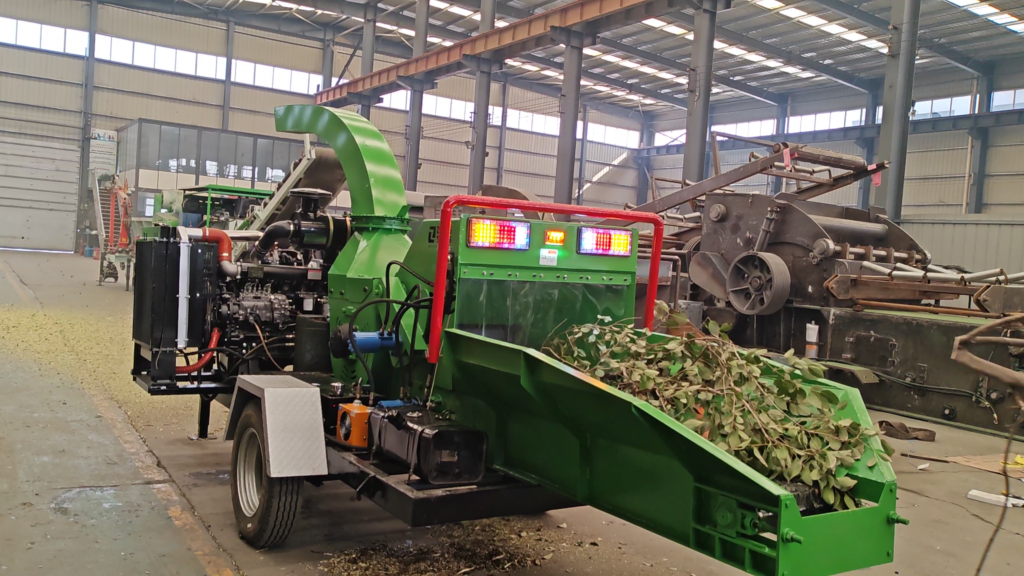
Feed rate discipline separates experienced operators from new ones. Experienced operators listen to the chipper. They hear when the engine lugs down. They pause and let the rotor catch up. New operators keep pushing. They trust the machine to handle whatever they feed it.
What Happens Inside the Machine During Overfeeding
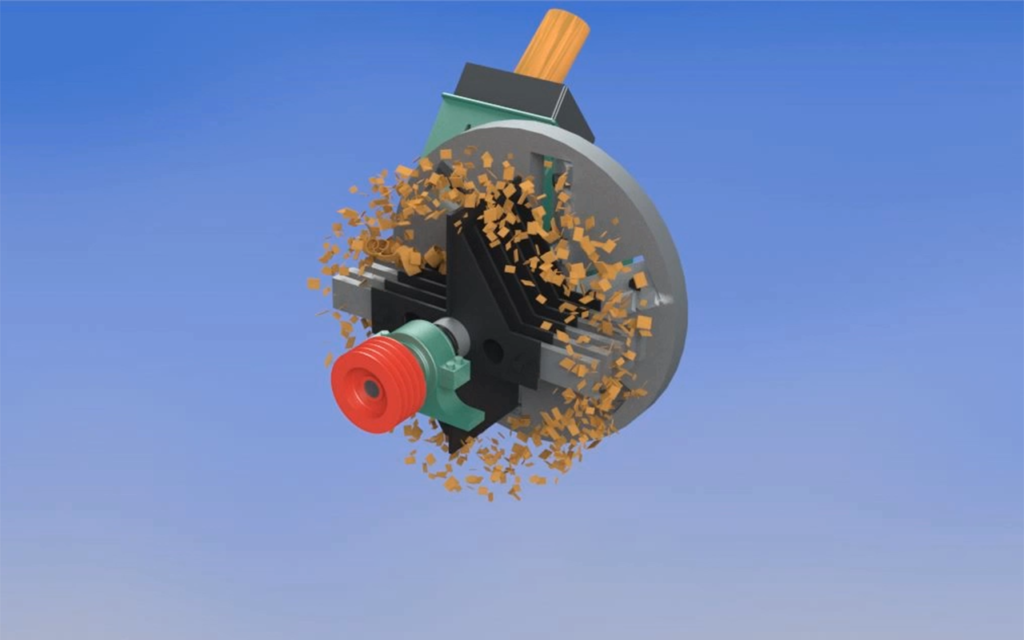
Here’s what happens inside when you overfeed. The rotor has a certain number of cutting edges. Each edge can process a specific volume per rotation. If you feed faster than the rotor can cut, material backs up in the chamber. The rotor must cut through a thick mat of wood instead of individual pieces. This requires much more power.
Motor, Engine, and Electrical System Stress
The motor tries to deliver that power. It pulls maximum current from the electrical supply. If load becomes too high, circuit breakers trip or motors overheat. On diesel machines, the engine bogs down and stalls. Either way, production stops. You lose time restarting and clearing jammed material.
Long-Term Wear from Repeated Overload
Repeated overload stresses components. Motor windings heat up beyond design temperature. Insulation breaks down microscopically. You don’t see it until the motor fails months later. Drive belts stretch under high tension. They slip slightly each time you overload. This wears the belt surface and reduces grip. Eventually, you’ll replace belts that should have lasted twice as long.
Hydraulic Feed Systems Also Suffer
Hydraulic feed systems suffer too. When you jam material into the throat, the feed rollers must push against maximum resistance. Hydraulic cylinders work at peak pressure. Seals compress harder. Oil heats up faster. Each overload event is like doing a max-weight lift at the gym. Do it once, you’re fine. Do it 50 times a day, you’ll get injured.
Real-World Example from Australia
I saw this clearly at a waste management site in Australia. They processed construction wood debris. Operators competed to chip the most material per shift. They overfed constantly. Their chipper needed drive belt replacement every 6 weeks. The same model at a careful operator’s site went 18 months between belt changes. Same equipment. Different habits. Huge cost difference.
The Best Way to Prevent Damage
| Preventive Measure | Recommended Frequency | Benefit |
|---|---|---|
| Control feed rate | Throughout operation | Prevents overload and material jams |
| Take a 15–20 minute break after 3–4 hours of work | Every shift | Reduces heat buildup and stabilizes load |
| Check oil temperature | During long operating sessions | Detects hydraulic overheating early |
| Clean cooling fins and air intakes | Weekly | Improves cooling efficiency |
| Inspect blade wear | Regular maintenance intervals | Prevents gradual load increase |
| Clean the screen | Based on material type | Reduces discharge resistance |
| Train operators | Ongoing | Reduces human-caused overload events |
| Record load changes by material type | Every batch | Helps identify patterns and optimize operation |
The solution is simple but requires discipline. Feed material steadily. Watch the load meter or listen to engine sound. If load rises above 80% of maximum, pause feeding. Let the rotor clear the chamber. Then resume. This feels slower at first. But it prevents jams, reduces wear, and actually increases total daily throughput because you spend less time clearing jams and restarting.
Train Operators to Feed Smoothly
Train your operators on this principle: smooth and steady beats fast and erratic. Your chipper will reward you with longer service life and fewer emergency repairs.
Conclusion
Load increase in your chipper tells a story about material, operation, and maintenance. Learn to read that story and you’ll prevent most problems before they become expensive. The machine is talking to you through load patterns.