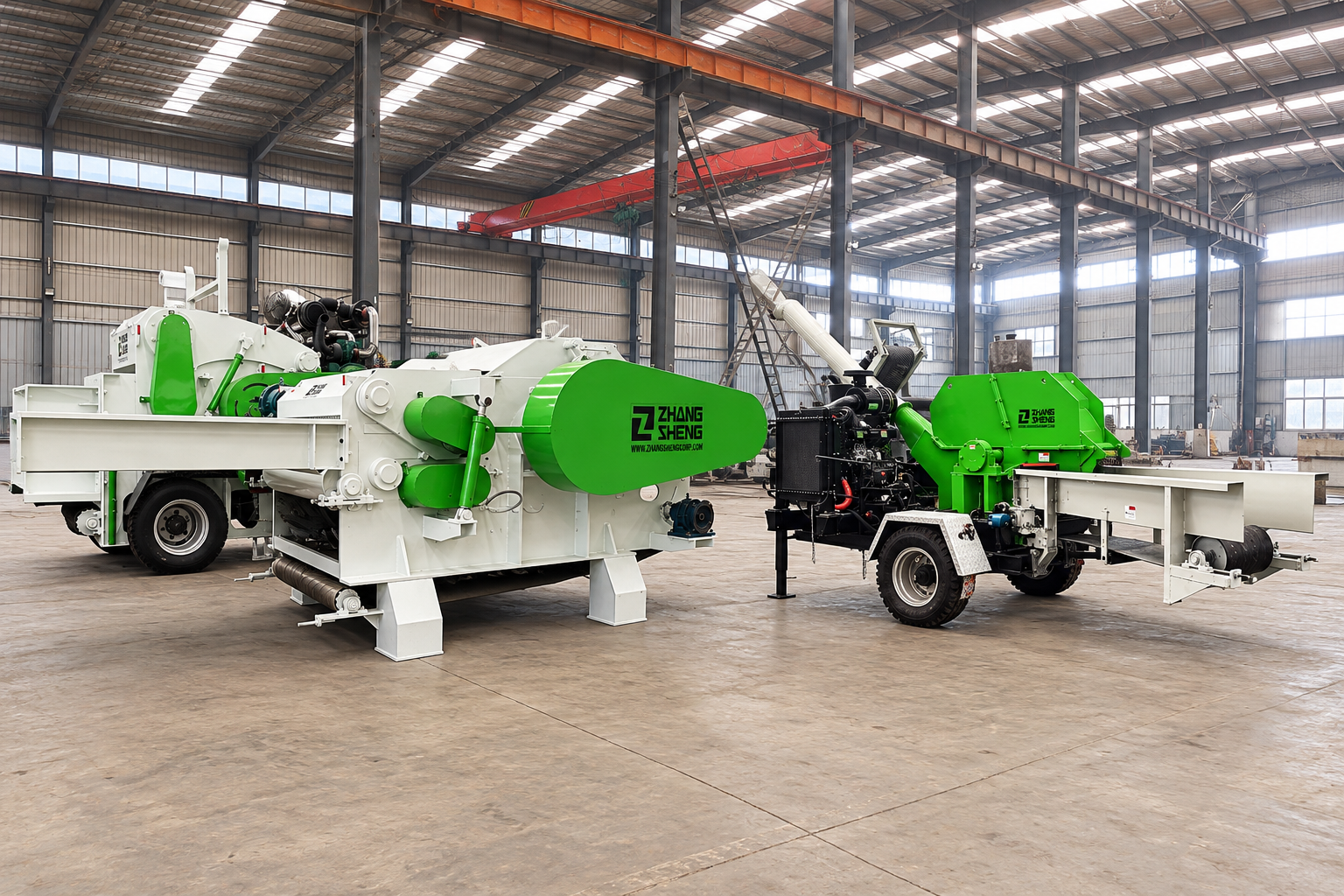
Processing wood waste with hidden metal causes severe equipment damage. Frequent breakdowns waste time and money. The right grinding and separation system prevents these costly delays.
A proper solution requires more than a strong horizontal grinder. It involves diagnosing material risks and combining grinding with magnetic separation and pre-sorting. This multi-step process safely handles light metal contamination while protecting machinery from severe damage and reducing downtime.
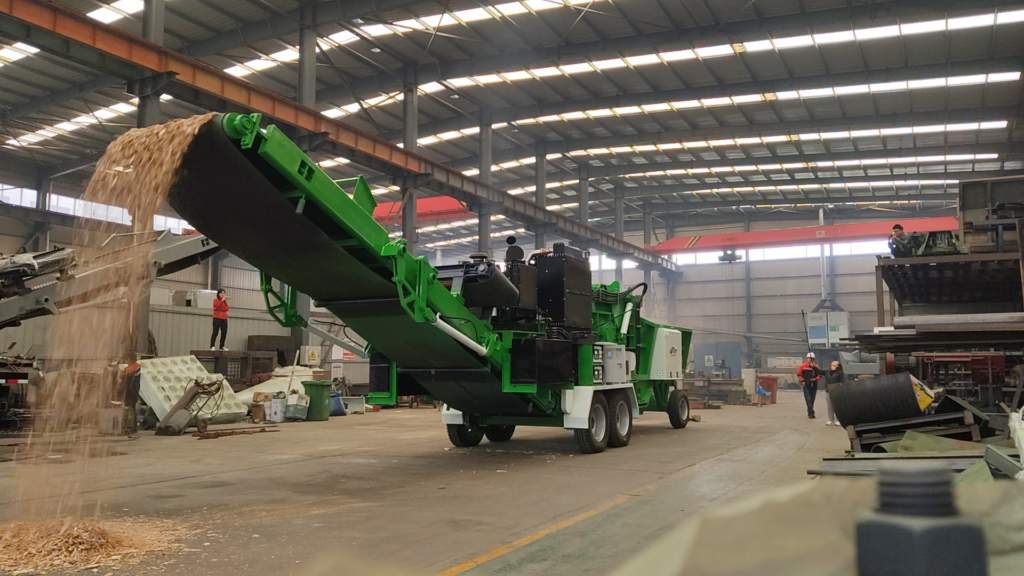
Many buyers search for the strongest machine available to crush everything. This approach often leads to expensive mistakes and operational failures.
Why Do Grinders Fail When Processing Contaminated Wood?
Mixed demolition wood often contains hardware. Machine parts break when heavy metal enters the grinding chamber. Understanding contamination limits keeps the equipment running smoothly.
Horizontal grinders handle small nails and screws effectively, but they are not designed to shred heavy metal. Grinder failure occurs when operators ignore the type, size, and proportion of metal. High levels of contamination require immediate process adjustments.
Identifying Metal Types
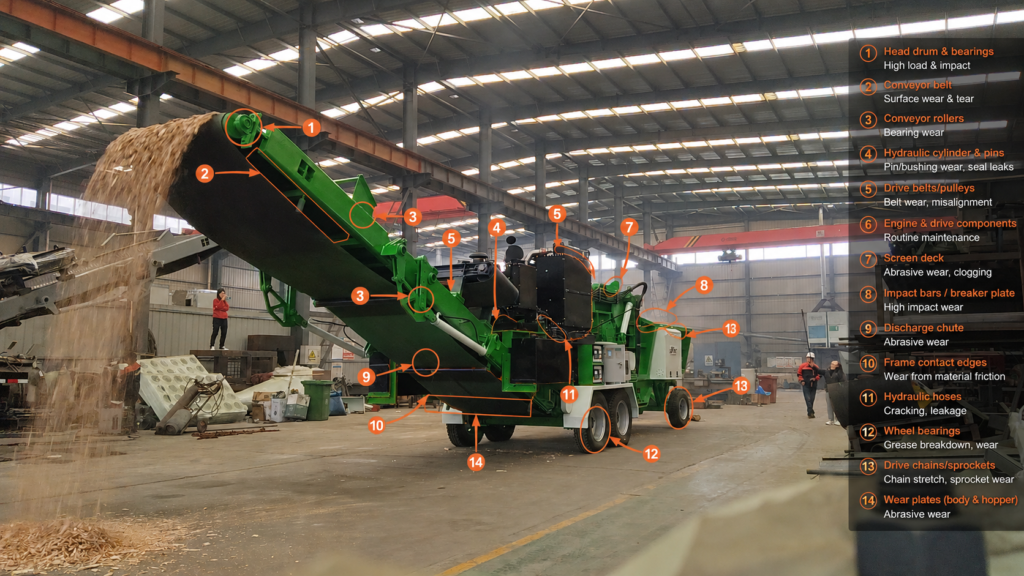
Mixed wood waste from construction sites poses a major risk to equipment. Small hardware like nails will pass through a standard screen without causing major issues. Heavy metal pieces like steel brackets will destroy cutter heads instantly. Operators must assess the waste before feeding it.
Setting Equipment Limits
A wood grinder should never act as a metal shredder. The primary design focuses on wood fiber reduction. Forging stronger teeth does not solve the underlying issue of severe impact damage. Proper waste diagnosis identifies whether the metal presence is occasional or dominant.
Evaluating Contamination Risk
Table 1 outlines the risk levels of different contaminants.
| Metal Type | Grinder Reaction | Risk Level | Required Action |
|---|---|---|---|
| Small nails | Passes through screen | Low | Normal operation |
| Screws and hinges | Causes slight wear | Medium | Monitor wear parts |
| Steel plates | Damages cutter head | High | Pre-sort before grinding |
| Thick pipes | Destroys rotor | Critical | Complete removal required |
Training Staff for Material Diagnosis
Workers need clear guidelines on what materials are acceptable. Visual inspections catch most large metal pieces before they enter the system. Staff members should communicate constantly with excavator operators. Identifying risks early prevents catastrophic damage to the grinding chamber.
Adjusting Maintenance Plans
Tirox tracked horizontal grinders use robust components to handle light contamination. Regular inspection remains essential. Ignoring maintenance leads to sudden breakdowns and expensive repairs. Careful monitoring ensures continuous production.
How to Determine True Machine Capacity for Mixed Waste?
Buyers frequently ask about maximum output first. High capacity claims mean nothing without material details. Defining exact waste characteristics ensures the machine meets production targets.
True capacity depends entirely on the input material. Wood size, moisture content, source, and contamination levels dictate processing speed. The feeding method and desired output size also change the actual throughput. A high-horsepower machine performs poorly if material details are ignored.
Understanding Material Variables
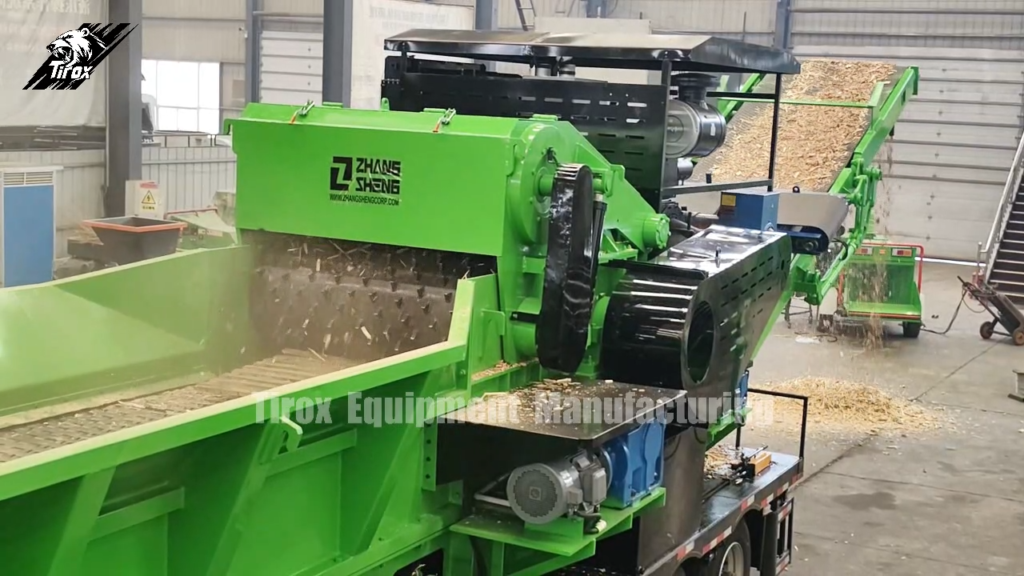
Many factors influence the daily output of a grinder. Dry pallets process much faster than wet tree roots. Construction debris with metal slows down the feeding speed. Accurate capacity estimates require a complete material profile.
Defining Working Conditions
Machine specifications often show peak performance under ideal conditions. Real-world operations look very different. Inconsistent feeding methods reduce efficiency significantly. The final screen size also plays a major role in throughput.
Environmental Factors and Output
Weather conditions affect the performance of recycling equipment. Rain increases the moisture content of stockpiled wood waste. Wet material sticks to the screens and slows down the discharge process. Operators must adjust feed rates during bad weather to maintain efficiency.
Essential Data for Capacity
The following table lists key data needed for accurate equipment sizing.
| Data Point | Impact on Capacity |
|---|---|
| Wood moisture | High moisture reduces processing speed |
| Material size | Oversized pieces require pre-processing |
| Screen size | Smaller holes lower hourly output |
| Feeding method | Manual feeding is slower than excavators |
Matching Needs with Tirox Equipment
Tirox provides specific configurations based on detailed material data. Accurate information prevents the purchase of an underpowered or oversized machine. Matching the equipment to the waste stream guarantees success.
What Does a Complete Wood Recycling Process Look Like?
Relying on a single machine is a dangerous strategy. Unprocessed waste streams overwhelm standalone grinders. A structured process protects the investment and improves final product quality.
Effective wood recycling requires a multi-step solution. Pre-sorting removes oversized items and dangerous metals before grinding. The material then passes through the grinder and onto magnetic separation conveyors. Screening ensures the final product meets exact size specifications.
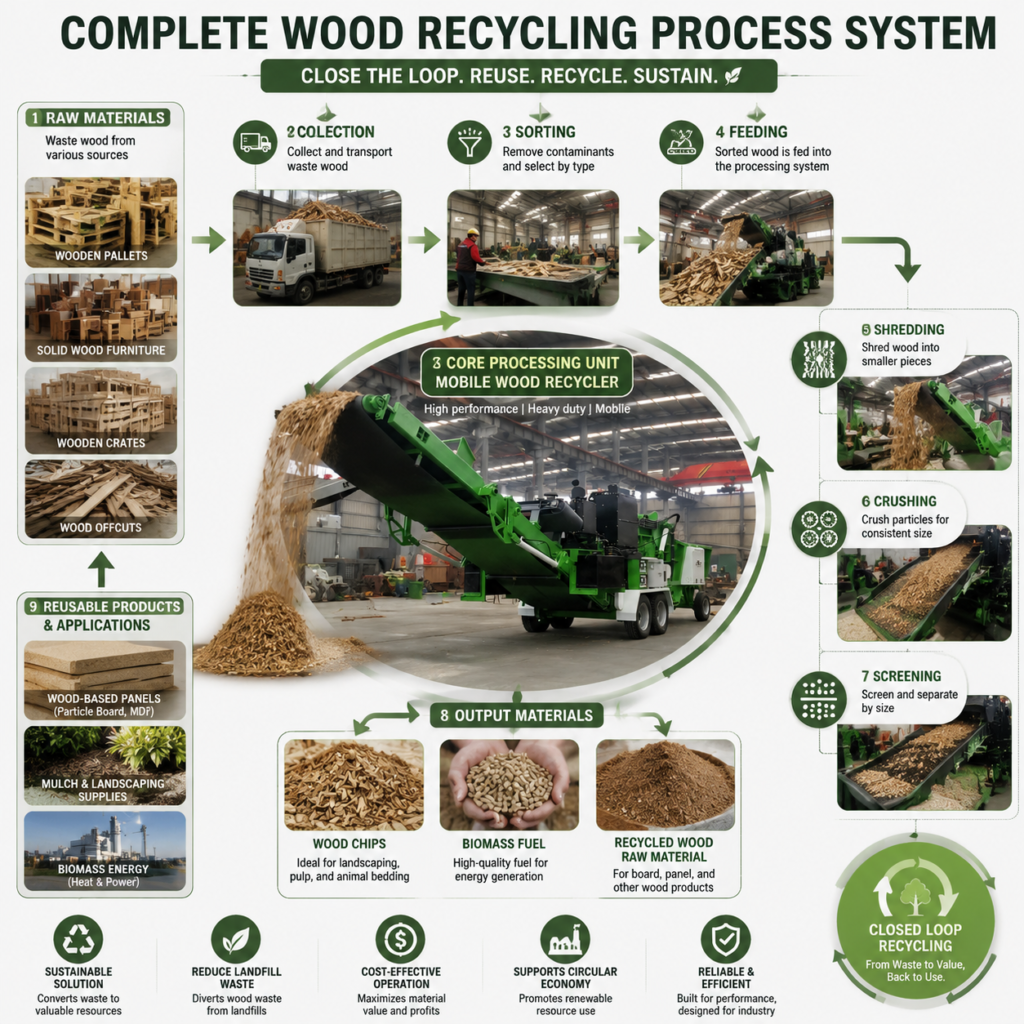
The Importance of Pre-sorting
Demolition wood requires careful preparation. Excavator operators should remove large steel beams before they reach the infeed. This initial step prevents catastrophic failures inside the grinding chamber. A clean material stream significantly improves overall efficiency.
Utilizing Tirox Tracked Grinders
Mobility adds a massive advantage to any recycling yard. Tirox tracked horizontal grinders move directly to the waste pile. This eliminates the need to transport unprocessed wood across the site. Direct processing reduces fuel costs and speeds up the entire operation.
Integrating Magnetic Separation
Tirox horizontal grinders often feature magnetic discharge belts. A strong overband magnet pulls loose hardware from the crushed wood. This step protects downstream equipment from damage. Removing metal also increases the commercial value of the final product.
Process Component Breakdown
Every stage serves a specific purpose in the recycling facility.
| Process Step | Primary Function | Equipment Used |
|---|---|---|
| Pre-sorting | Removes large hazards | Excavator or manual labor |
| Primary Grinding | Reduces wood size | Tirox Horizontal Grinder |
| Metal Removal | Extracts nails and screws | Magnetic discharge belt |
| Final Screening | Ensures uniform size | Trommel or vibrating screen |
Selecting Screening Technology
The ground material rarely comes out perfectly uniform. Vibrating screens separate oversized pieces from the acceptable product. The large pieces return to the grinder for a second pass. This closed-loop system guarantees consistent quality.
How Can Operating Costs Be Controlled in the Long Term?
The initial purchase price is only a fraction of the total expense. Constant repairs drain company profits rapidly. Smart maintenance planning controls these hidden financial risks.
Long-term operating costs are driven by machine downtime, wear parts damage, and output quality issues. A mismatch between the waste stream and the equipment causes rapid deterioration. Regular inspections and proper material diagnosis keep the processing system profitable over time.
Managing Wear Parts Expenses
Cutter teeth and screens take the most punishment during operation. Processing highly contaminated wood wears these parts out quickly. Operators must monitor wear patterns daily to avoid sudden breaks. Replacing a dull tooth is much cheaper than replacing a damaged rotor.
Stocking Essential Spare Parts
Waiting for delivery of a broken component stops production entirely. Facilities must keep common wear parts on site at all times. Screens, cutter teeth, and heavy-duty bolts are mandatory inventory items. This simple preparation cuts unexpected downtime from days to mere hours.
Reducing Unplanned Downtime
Machine failures stop the entire production line. Idle workers and delayed shipments cost money. Scheduled maintenance prevents most unexpected breakdowns. Tirox provides detailed service intervals for all critical components to ensure stable operation.
Operating Cost Variables
Tracking specific metrics helps facility managers reduce expenses.
| Cost Category | Prevention Strategy | Risk Impact |
|---|---|---|
| Wear parts | Daily inspection and prompt replacement | High |
| Fuel consumption | Maintain sharp cutter teeth | Medium |
| Conveyor belts | Remove sharp metals via magnets | High |
| Labor | Automate feeding and sorting processes | Medium |
Preventing Mismatched Equipment
Buying the wrong machine guarantees high operating costs. A light-duty chipper will fail at a municipal recycling center. Heavy-duty horizontal grinders suit mixed waste applications better. Accurate material assessment before purchase is vital for long-term profitability.
Conclusion
A successful wood and metal waste solution relies on accurate material diagnosis and complete process design. Pre-sorting and magnetic separation ensure profitable and stable recycling operations for any facility.