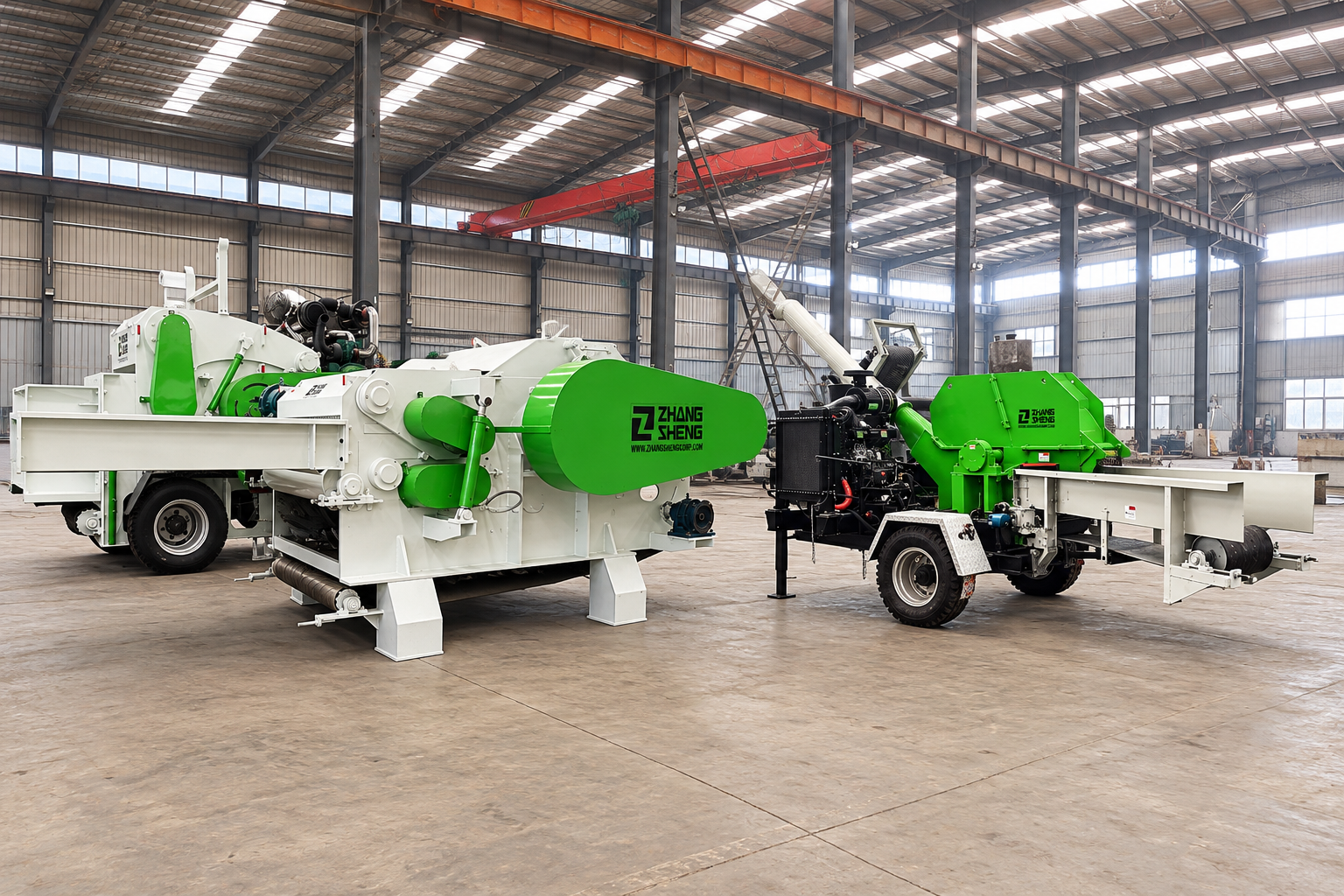
optimization means matching the chipper to the material, chip size, output target, site condition, and service plan.
A wrong chipper choice can waste fuel, break blades, and slow production. The painful part is that the problem often appears after shipment.
An industrial wood chipper becomes durable and efficient when its feeding system, cutting system, power, discharge, maintenance plan, and spare-parts support match the real wood type, size, moisture, contamination level, chip-size target, and working environment.
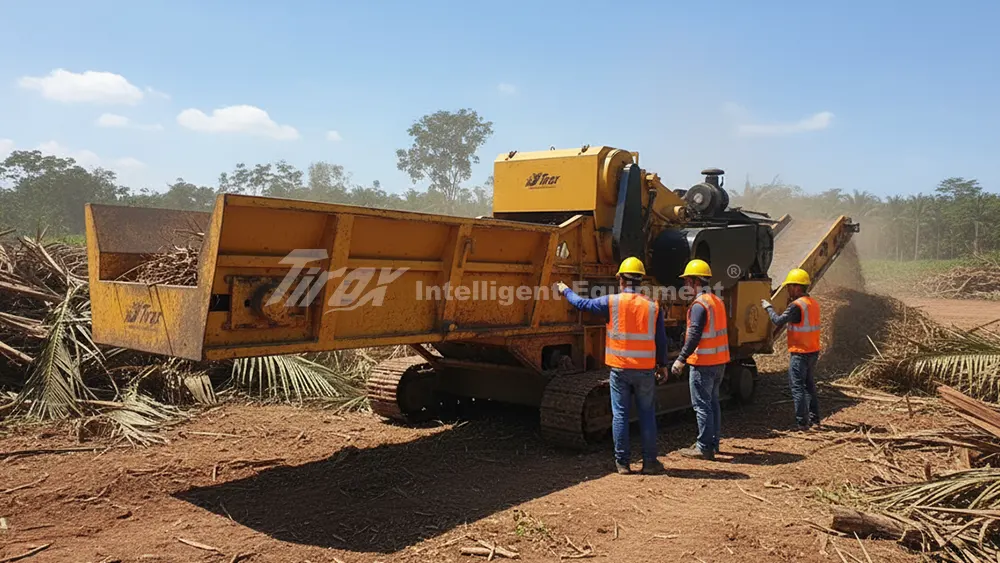
Many buyers first ask for the highest capacity model. That question is understandable. Yet capacity alone does not protect profit. In many overseas customer communications, the better first question is about working conditions. The same chipper can behave very differently in a clean sawmill, a wet forestry site, a biomass yard, or a recycling center with mixed green waste.
Why Is Rated Capacity Not Enough for Chipper Selection?
A rated capacity can look clear on paper. The problem starts when real wood does not match the testing condition behind that number.
Rated capacity is useful only when the buyer also defines wood species, diameter, moisture, feed continuity, contamination level, required chip size, and discharge method. Without those details, the number can lead to wrong expectations.
What changes the real output?
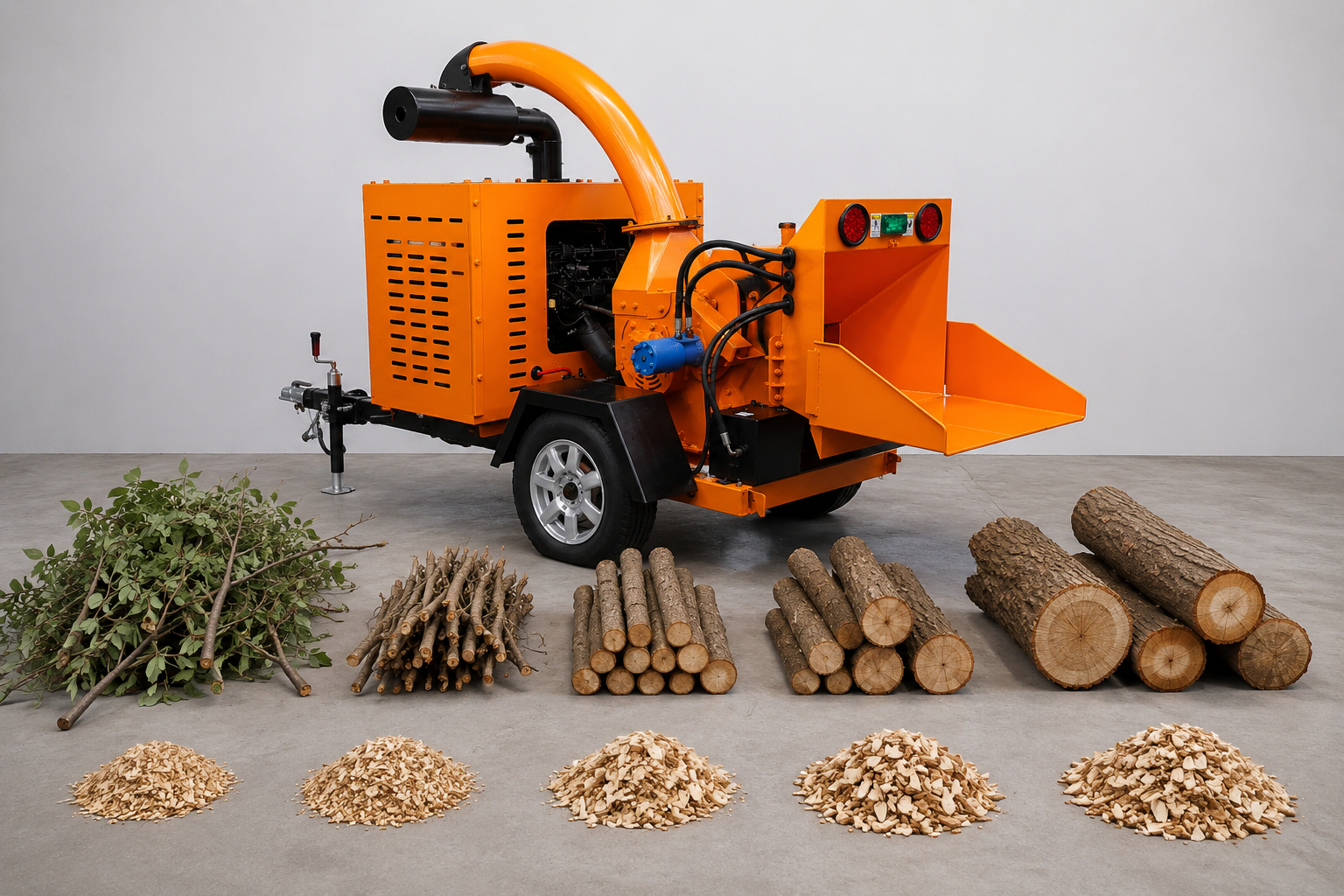
A common issue appears when one buyer compares two machines only by tons per hour. A forestry user may process wet branches with leaves. A biomass plant may feed straight logs into a stable conveyor. A landscaping team may feed mixed branches by hand. A recycling center may face nails, soil, ropes, and uneven green waste.
These jobs do not create the same load on the machine. Wet branches bend during feeding. Hardwood needs more cutting force. Dirty waste increases blade wear. Irregular material causes feeding gaps. These gaps reduce real hourly output, even when the rated number looks high.
| Working condition | What happens in practice | What should be checked |
|---|---|---|
| Wet branches | Material bends and feeds unevenly | Feed roller grip and torque |
| Hard logs | Cutting load rises | Knife strength and power balance |
| Mixed green waste | Contamination risk rises | Screen, wear parts, and inspection access |
| Biomass feedstock | Chip size must stay stable | Knife setting and discharge design |
| Rental use | Operators change often | Simple controls and strong protection |
For many buyers, the target output should be discussed with material photos or short videos. The supplier should ask for the largest diameter, average diameter, moisture condition, and feeding method. Tirox industrial wood chippers are usually configured after this type of discussion, because a machine for clean plantation wood should not be treated the same as a machine for urban green waste.
Does Higher Power Always Bring Better Efficiency?
More power can help in heavy cutting. It does not automatically create better production. A bottleneck in feeding or discharge can waste that power.
Higher power improves efficiency only when the feeding system, cutting mechanism, screen or discharge outlet, and operator workflow can use that power. Oversized equipment can increase fuel or electricity cost without improving actual throughput.
Where does efficiency really come from?
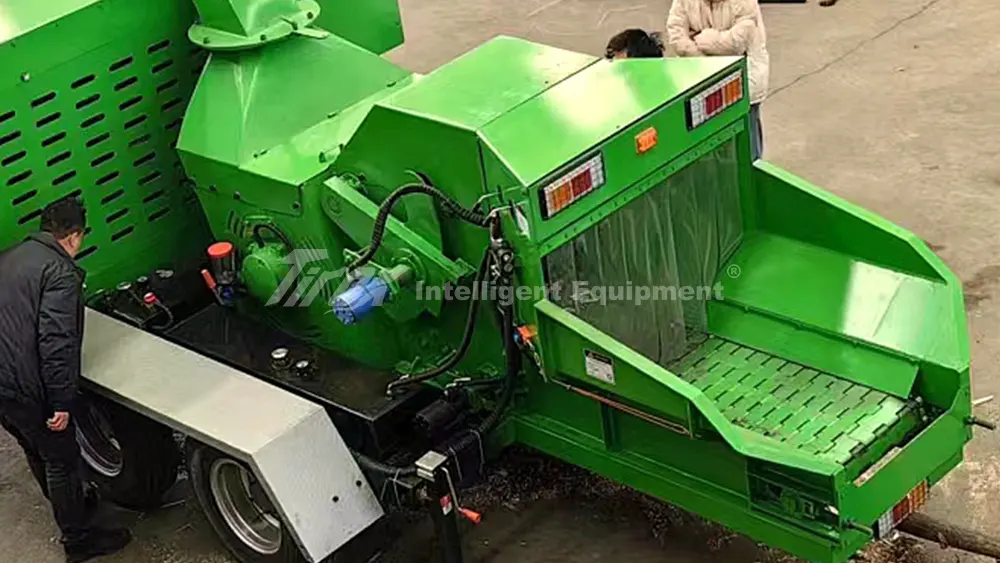
Efficiency is a system result. The engine or motor provides energy. The feed rollers decide whether material enters the cutting chamber smoothly. The knives decide how cleanly the wood is cut. The discharge system decides whether chips leave without blockage. The operator workflow decides whether the machine keeps eating material.
| Efficiency factor | Poor match result | Better optimization idea |
|---|---|---|
| Power too low | Machine slows under load | Match power to diameter and species |
| Power too high | Cost rises without output gain | Check feeding and discharge limits first |
| Weak feeding | Material jumps or stops | Use proper roller pressure and opening size |
| Poor discharge | Chips block or return | Match outlet to chip volume and moisture |
| Unclear workflow | Idle time increases | Plan pile position and loading method |
A stable production line often needs balance more than size. For example, a biomass customer requiring stable chip size may care more about controlled feeding and knife condition than peak engine power. A landscaping company may value mobility and fast setup more than the largest hourly number.
How Do Blades, Screens, and Discharge Design Affect Durability?
Durability is not only about frame thickness. The cutting system creates most of the daily stress inside the chipper.
Blades, blade material, knife sharpness, screen size, discharge design, and contamination control strongly affect chip quality, vibration, wear rate, downtime, and long-term operating cost.
Why does the cutting system carry the real cost?
A sharp blade cuts wood cleanly. A dull blade tears wood and increases resistance. That extra resistance reaches the bearings, rotor, belts, engine, and frame. The machine may still run, but fuel use rises and vibration becomes stronger. The chip size may also become uneven.
The screen or discharge size also matters. A small chip-size target can improve downstream use for biomass boilers or pellet preparation. Yet a smaller screen may reduce output and increase recutting. That means more wear. A larger chip target can increase output, but it may not suit the buyer’s boiler, compost process, or resale market.
| Chip-size goal | System impact | Main risk |
|---|---|---|
| Small chips | More cutting and possible screening | Lower output and higher blade wear |
| Medium chips | Balanced output and quality | Needs stable feeding |
| Large chips | Higher throughput potential | May not fit downstream use |
| Mulch-like output | Often handles mixed green waste | Contamination and uneven size |
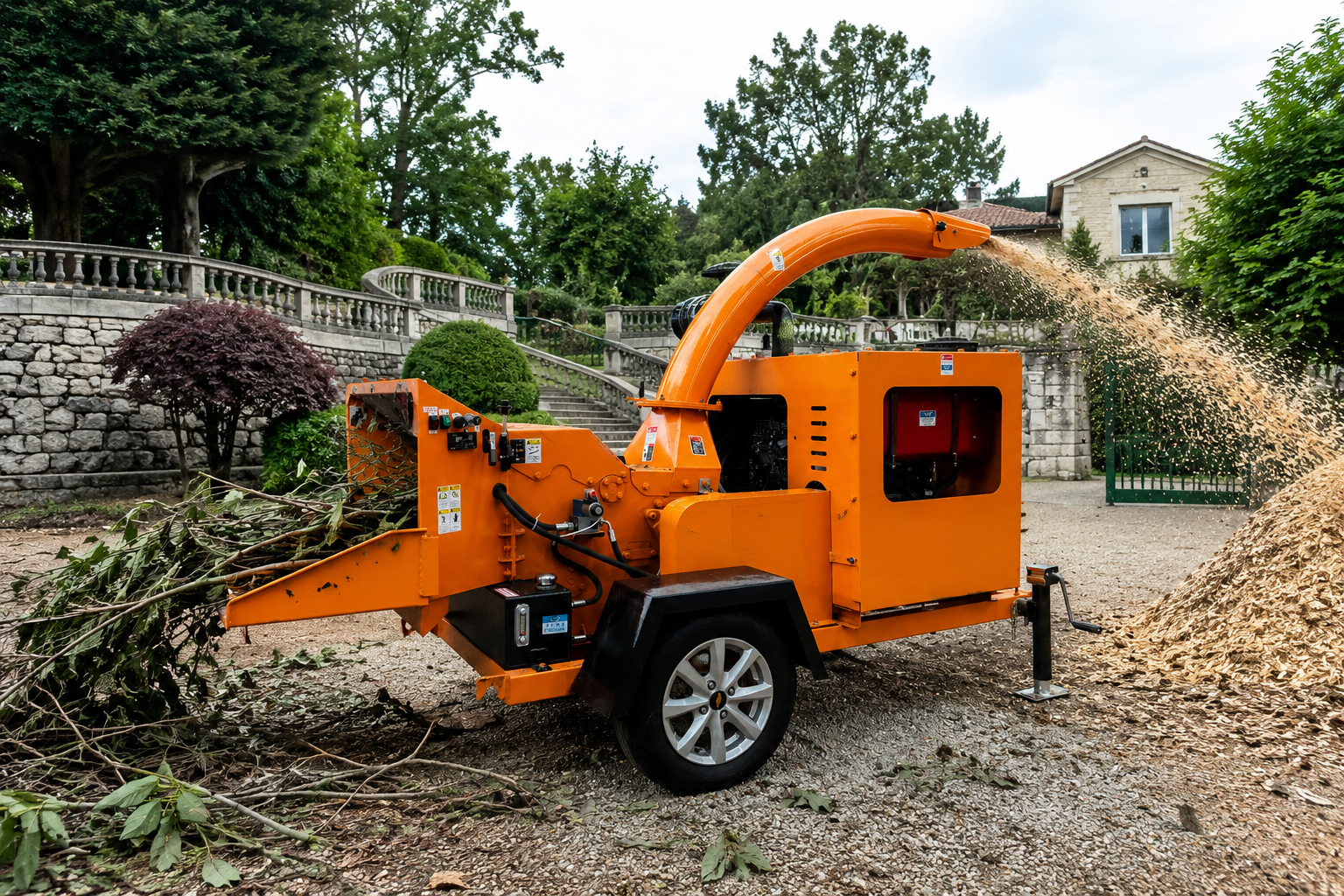
Contamination is another key point. Soil, stones, wire, and metal can shorten blade life quickly. A recycling center dealing with mixed green waste should consider access for inspection, easier wear-part replacement, and stronger protection around the cutting chamber. A forestry user processing wet branches should focus on feed grip and knife sharpness, because wet fibers can pull and bend.
Tirox wood chippers and horizontal grinders are often discussed together when customers handle mixed or dirty material. A chipper is strong for cleaner wood and controlled chip size. A horizontal grinder may be better when the material is mixed, bulky, and less clean. The better choice depends on the input material and final use.
Why Should Maintenance and Spare Parts Be Planned Before Purchase?
Many buyers think maintenance starts after the machine arrives. For overseas equipment, that idea creates avoidable risk.
Maintenance and spare-parts planning are part of optimization because delayed blades, unclear service routines, and slow technical response can turn normal wear into long downtime and lost production.
What should overseas buyers confirm early?
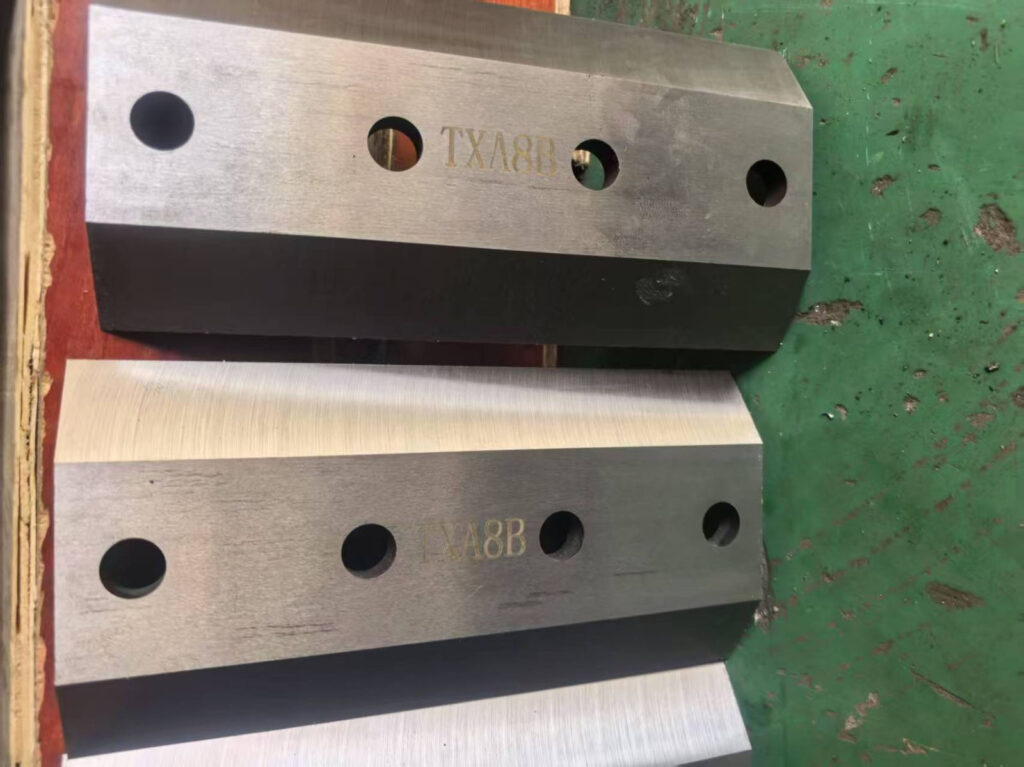
Every chipper has wear parts. Blades, anvils, belts, bearings, screens, hydraulic parts, and feed roller parts will need attention. The real question is not whether parts will wear. The question is whether the buyer can replace them at the right time, with clear guidance, before the machine stops a project.
For an overseas buyer, a small part delay can become a large business loss. A forestry contractor may miss a work window. A biomass plant may need to buy outside chips at a higher cost. A rental company may lose customer trust if a machine stays idle for weeks.
| Planning item | Why it matters | Buyer question |
|---|---|---|
| Blade stock | Blades affect output and chip quality | How many sets should be ordered first? |
| Wear-part list | Common parts should be ready | Which parts wear under this material? |
| Service guide | Operators need clear timing | What should be checked daily or weekly? |
| Remote support | Faults need fast judgment | Can support respond across time zones? |
| Local repair ability | Simple repairs should not wait | Which parts can local technicians handle? |
This planning must connect to the real job. A biomass plant with clean wood may need a blade rotation plan based on chip quality. A recycling center may need more wear parts because contamination is harder to control. A rental company may need stronger operator instructions because the machine is used by many people.
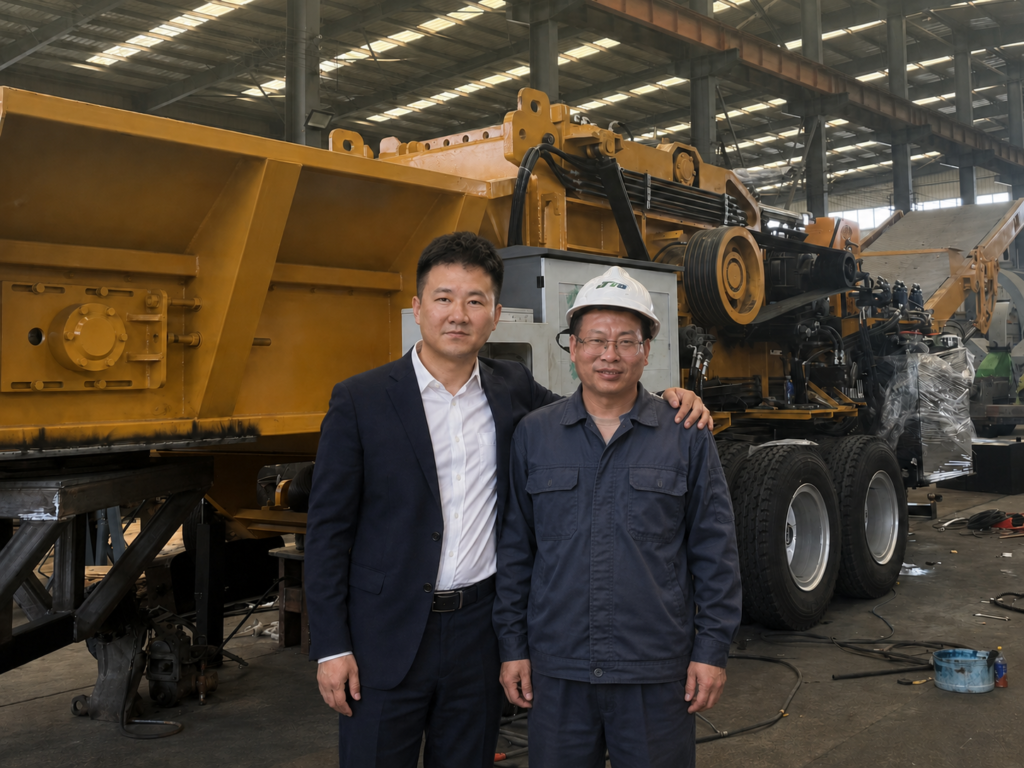
Tirox has built export support around this concern. Many overseas buyers need drawings, English communication, video guidance, and spare-parts planning before shipment. That support does not replace good operation. It reduces avoidable downtime when normal wear appears.
How Should Different Buyers Configure an Industrial Wood Chipper?
The best configuration depends on the buyer’s business model. A machine for one site can be a poor fit for another site.
A good configuration starts with four inputs: raw material type and size, target hourly output, required chip size or downstream use, and working environment or mobility need.
Which configuration logic fits each application?
A forestry company may work on rough ground. Mobility, strong feeding, and wet-branch handling become important. A biomass energy user may need stable chip size and steady volume. Knife setup, screen choice, and conveyor matching become more important. A landscaping company may need fast transport and simple feeding. A recycling center may need stronger wear protection and better access for cleaning.
| Buyer type | Main material | Main risk | Configuration focus |
|---|---|---|---|
| Forestry and logging | Logs, tops, branches | Wet and uneven feed | Mobile base, strong rollers, durable knives |
| Biomass plant | Logs or wood residue | Unstable chip size | Controlled feeding, proper screen, steady discharge |
| Landscaping and tree care | Pruned branches | Manual feeding gaps | Compact design, safe controls, easy transport |
| Recycling center | Green waste and wood waste | Contamination | Wear protection, access, possible grinder option |
| Rental company | Many material types | Operator misuse | Simple control, spare kits, training materials |
| Dealer or distributor | Mixed customer needs | Wrong model advice | Clear model range and application matching |
A dealer should not only ask for a price list. A dealer should understand which models fit local materials and common buyers. This reduces after-sales disputes. It also helps the dealer recommend a chipper, grinder, or forestry mulcher based on the real job.
The four inputs are simple, but they prevent many mistakes. Buyers should share raw material type, largest and average diameter, moisture level, target hourly output, required chip size, and working environment. Photos and videos help. Site limits also matter, such as road access, power supply, loader type, and whether the machine must move between jobs.
Conclusion
Durable and efficient chipping comes from matching the whole system to the real job, not from chasing the biggest capacity number.