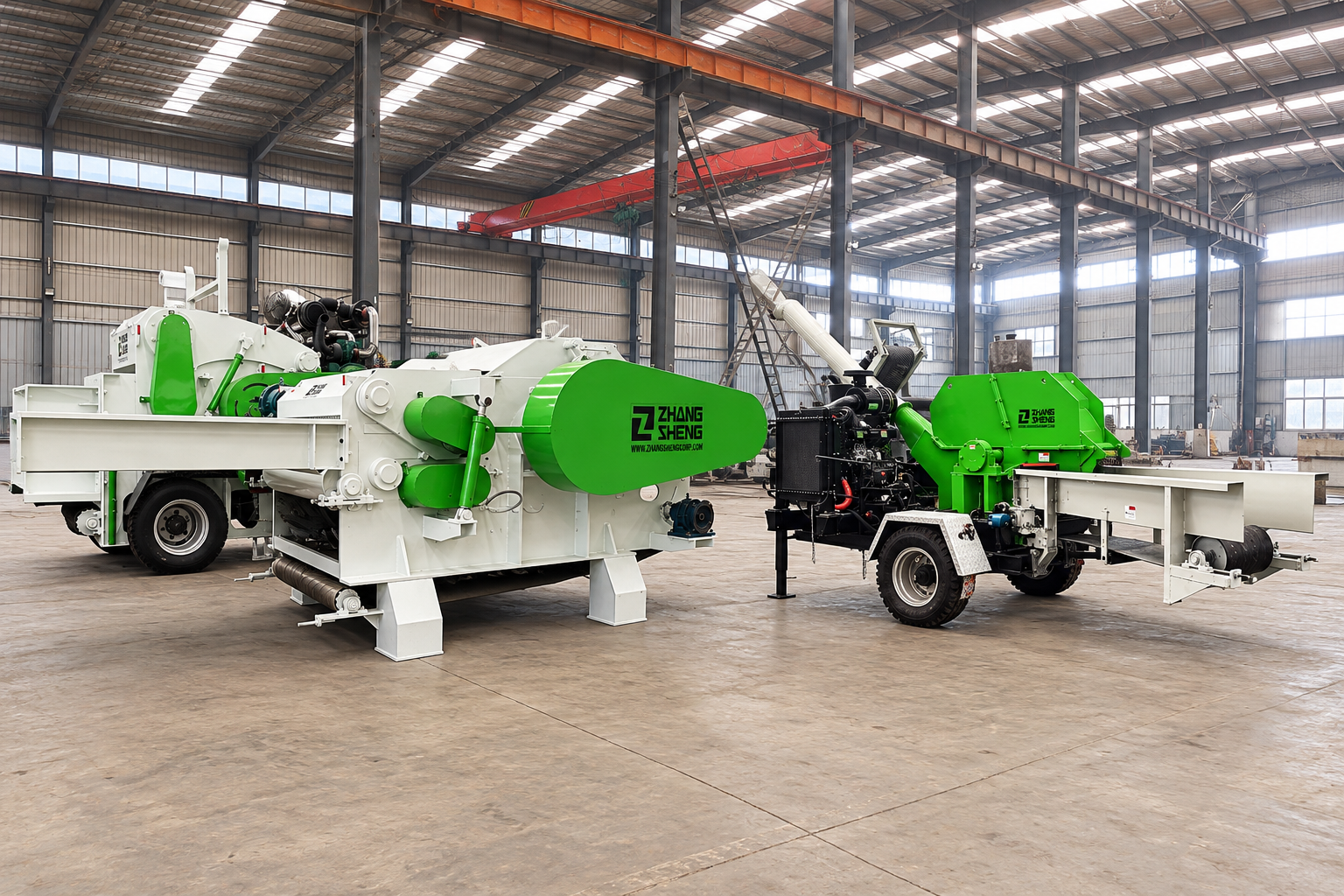
Are you worried about the risks of operating heavy wood processing machinery? Many operators face daily dangers due to improper handling, leading to serious injuries and costly project delays.
A wood chipper is a powerful tool designed to turn logs into chips, but it can be extremely dangerous if misused. Safety comes from regular machine maintenance, strict adherence to feed guidelines, and the use of proper personal protective equipment. Understanding your equipment and its limits is the most effective way to prevent life-threatening accidents.
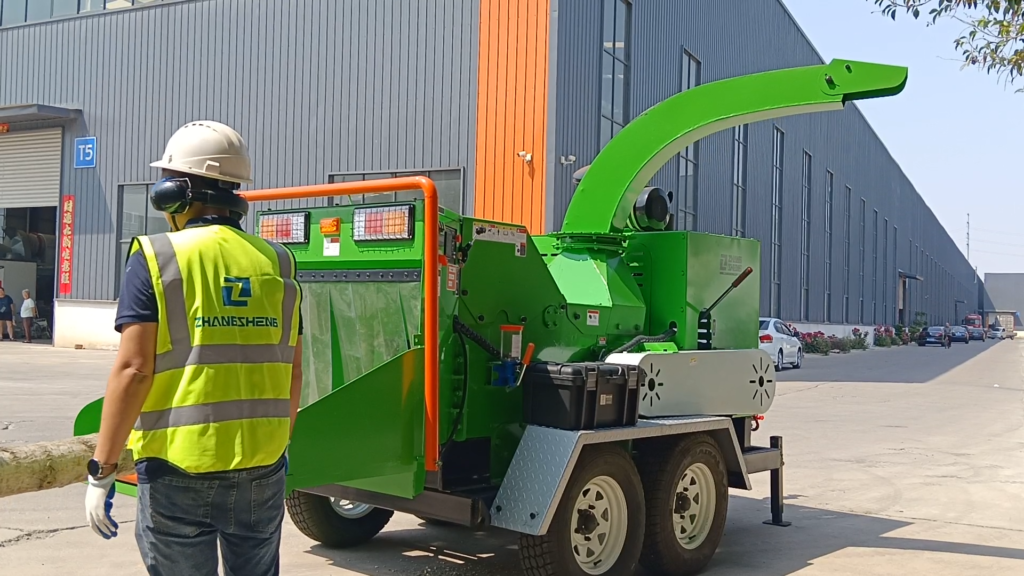
I have spent 22 years in the wood equipment industry, and I have seen many accidents that could have been avoided. Many users think that a machine is just a machine, but a wood chipper is a high-speed system that demands your full respect and attention every single day.
Why do wood chipper‘s pose safety risks?
Do you know what hidden dangers might be lurking inside your wood chipper right now? If you ignore the signs of wear or improper usage, you are putting yourself at risk.
Wood chipper hazards stem from three main areas: equipment failure, human error, and material contamination. High-speed rotating parts, dull blades, or blocked feeding systems can lead to dangerous debris ejection or mechanical failure. When maintenance is neglected or safety protocols are ignored, the machine transforms from a productive tool into a significant workplace hazard.
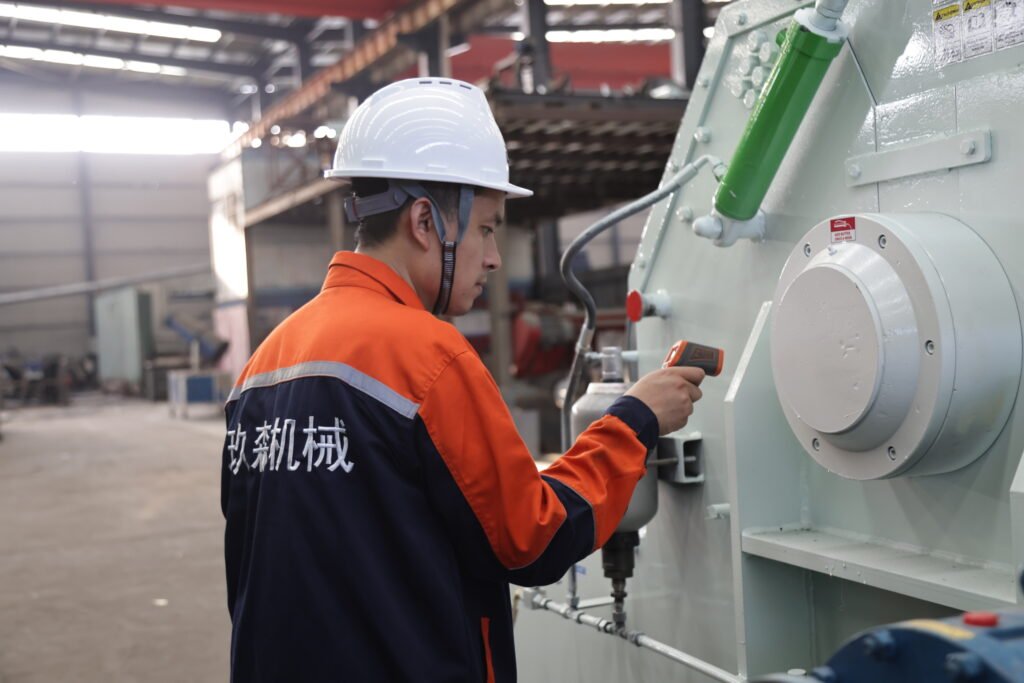
The risks are rarely due to one single factor. Instead, they are usually a chain reaction. For example, a dull blade increases vibration. This vibration loosens bolts. If you then feed the wrong material into the machine, the entire system can fail under the sudden stress.
| Risk Category | Common Examples | Potential Consequence |
|---|---|---|
| Equipment | Dull blades, loose belts, bearing wear | Excessive vibration, heat, structural failure |
| Human | Ignoring emergency stop‘s, lack of PPE | Delayed reaction during emergencies |
| Material | Metal, stones, glass, high-moisture waste | Blade damage, kickback, clogs |
You must treat the machine as a living system. If one part is “sick,” the whole process is at risk. Always check the machine for strange sounds or overheating. These are the machine’s way of telling you that something is wrong.
6 Safety tips that could save your life?
Are you following these six essential rules to keep yourself and your team safe while operating your wood chipper? Ignoring these steps is a gamble you cannot afford to take.
To stay safe, you must inspect your machine before every shift, feed only approved materials, maintain a steady rhythm, keep blades sharp, lubricate bearings regularly, and use only high-quality spare parts. These actions prevent the most common causes of catastrophic failures and protect the operator from accidental harm.
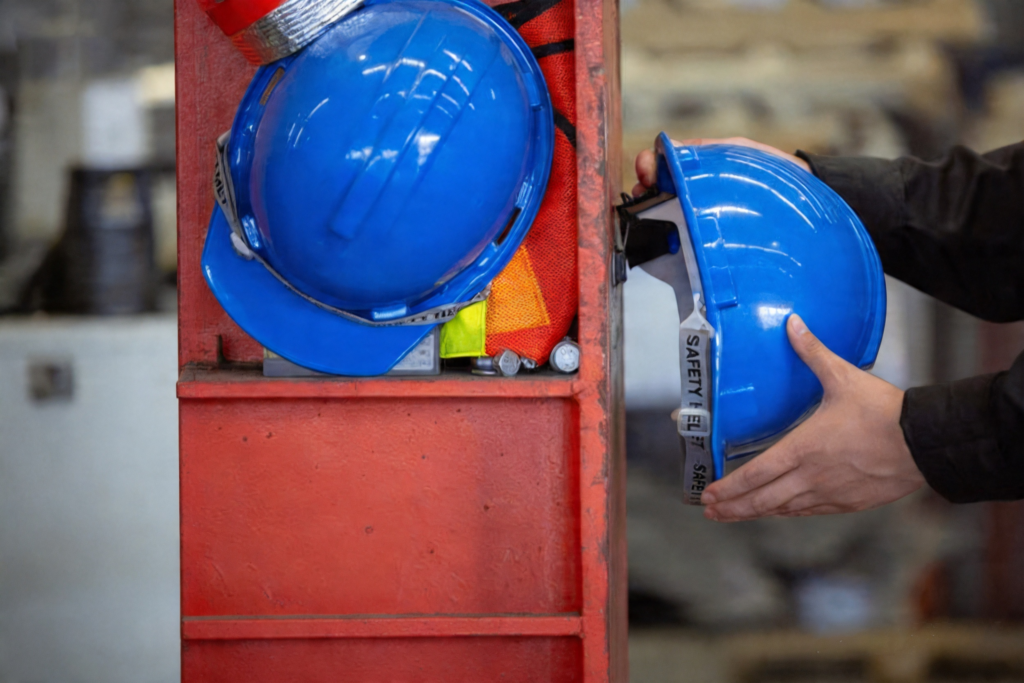
- Pre-shift Inspection: Spend three minutes checking blades for cracks, verifying belt tension, and ensuring bolts are tight. This simple habit stops most failures before they start.
- Strict Material Control: Never feed metal, rocks, or glass into the machine. These items shatter blades and cause dangerous kickback.
- Controlled Feeding: Don’t force-feed the machine. Let the automated system handle the load to prevent the engine from stalling or clogging.
- Blade Maintenance: Keep your blades sharp and the gap between the anvil and the rotor within factory standards to reduce vibration.
- Lubrication and Cleaning: Keep bearings greased and the machine clean of wood dust. This prevents overheating and mechanical locking.
- Quality Parts: Use only original or high-quality replacement parts. Cheap belts or filters often fail at the worst possible moment.
Always ensure your team knows exactly where the emergency stop button is. A quick reaction can make the difference between a minor incident and a tragedy.
What should you look for to reduce risks when choosing a wood chipper?
Are you buying a machine that is built for safety, or are you just buying a machine that is cheap? The right design features can do half the work of keeping your operators safe.
When selecting a wood chipper, prioritize models with intelligent speed-sensing feed systems, 360-degree adjustable discharge chutes, and easy-access maintenance points. Ensure the unit includes safety features like emergency stop linkages, feed-in protection curtains, and robust overload protection to minimize the risks of jams and debris projection.
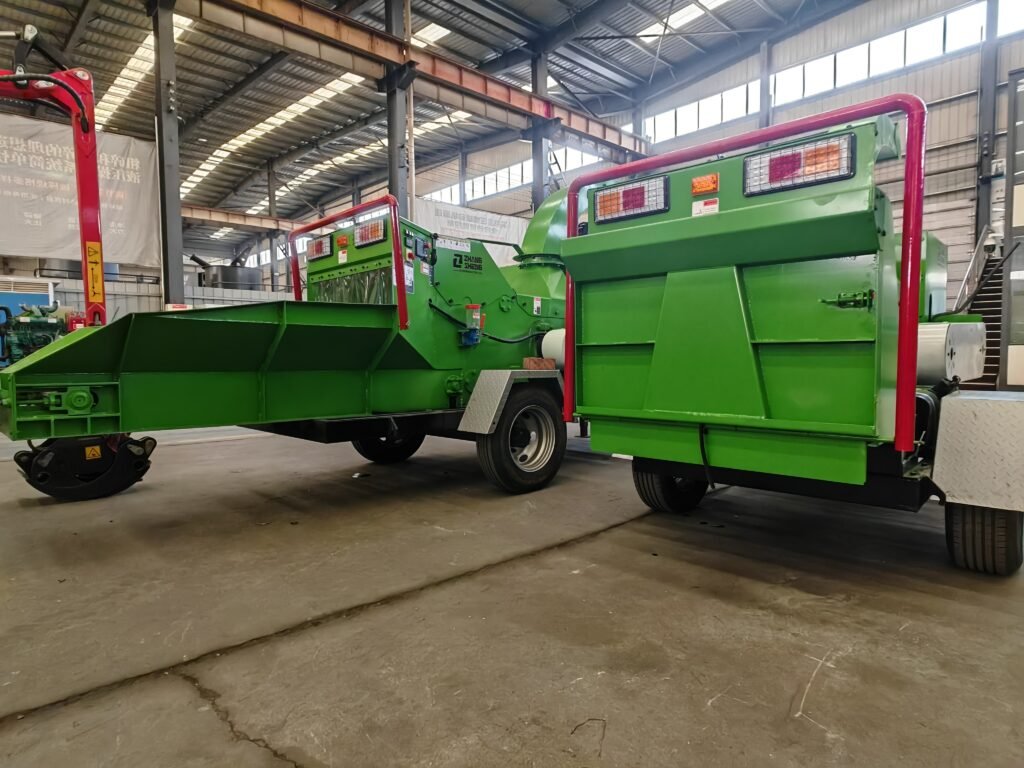
When I help our clients at TIROX choose the right equipment, I always talk about the “built-in” safety. You want a machine that does not require you to stand in the “danger zone.”
- Feed Safety: Look for machines with smart sensors. If the engine load spikes, the machine should automatically slow down the feed rollers. This prevents stalling and potential kickback.
- Maintenance Friendly: If a machine is hard to clean, your operators will skip cleaning it. Choose a model that allows quick access to the blades and bearings.
- Debris Control: Always check if the machine has a heavy-duty curtain at the feed intake. This is your first line of defense against wood chips flying back at you.
- Emergency Systems: Every machine should have an easily reachable “kill switch” that cuts power to both the engine and the hydraulic feed system instantly.
Conclusion
Safety in wood processing is not an accident; it is the result of proper maintenance, strict operational discipline, and choosing high-quality, reliable equipment that protects the operator at all times.