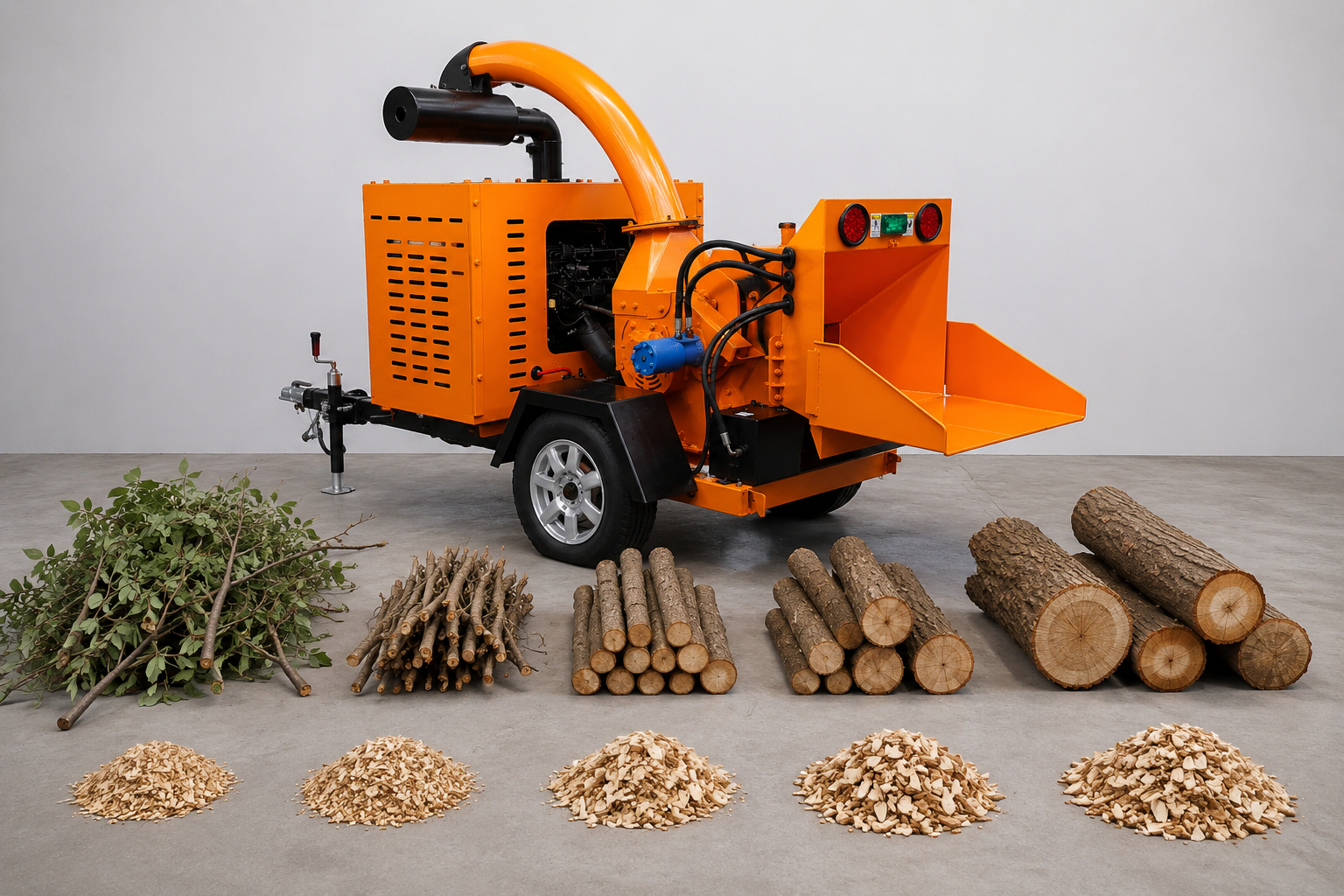
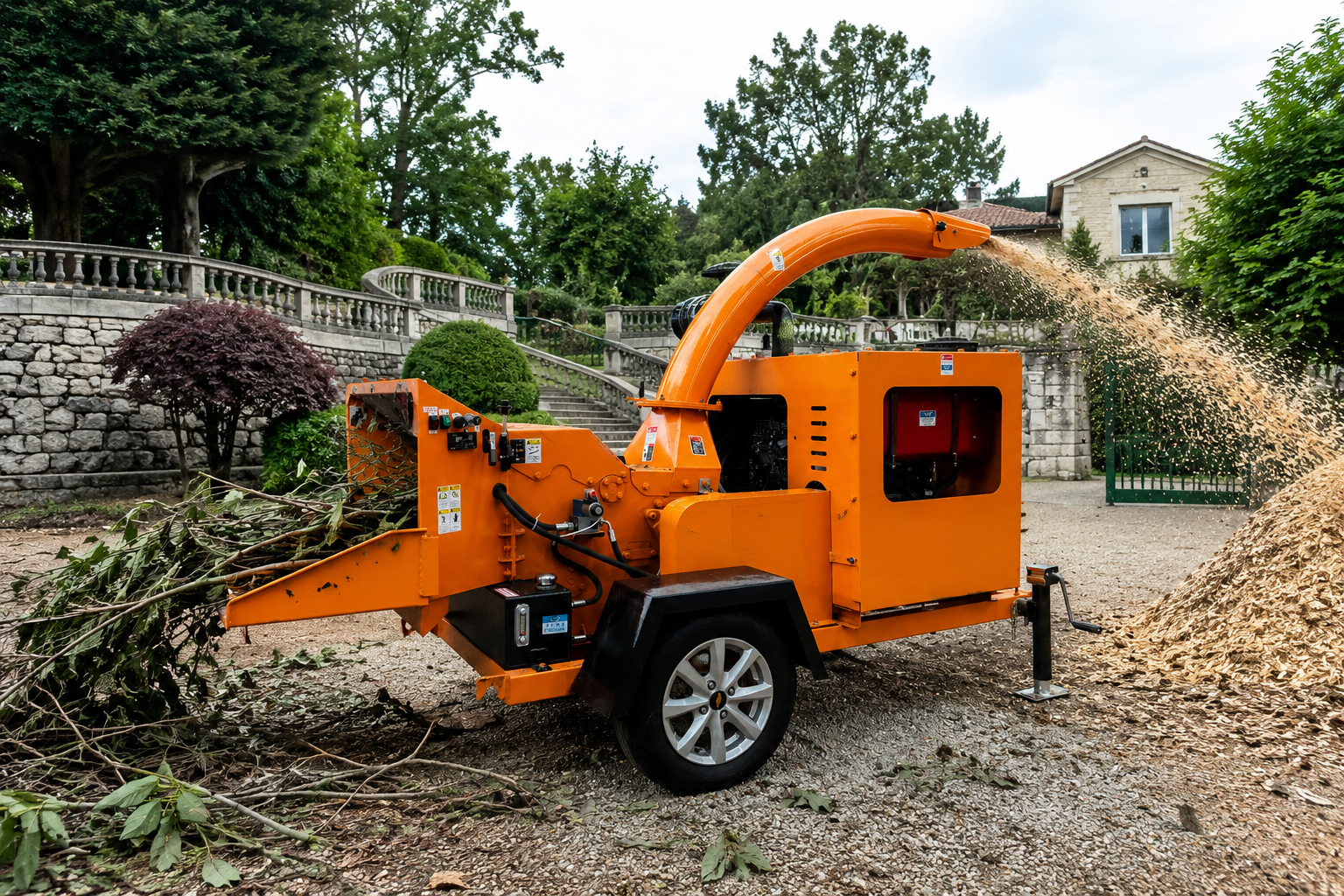
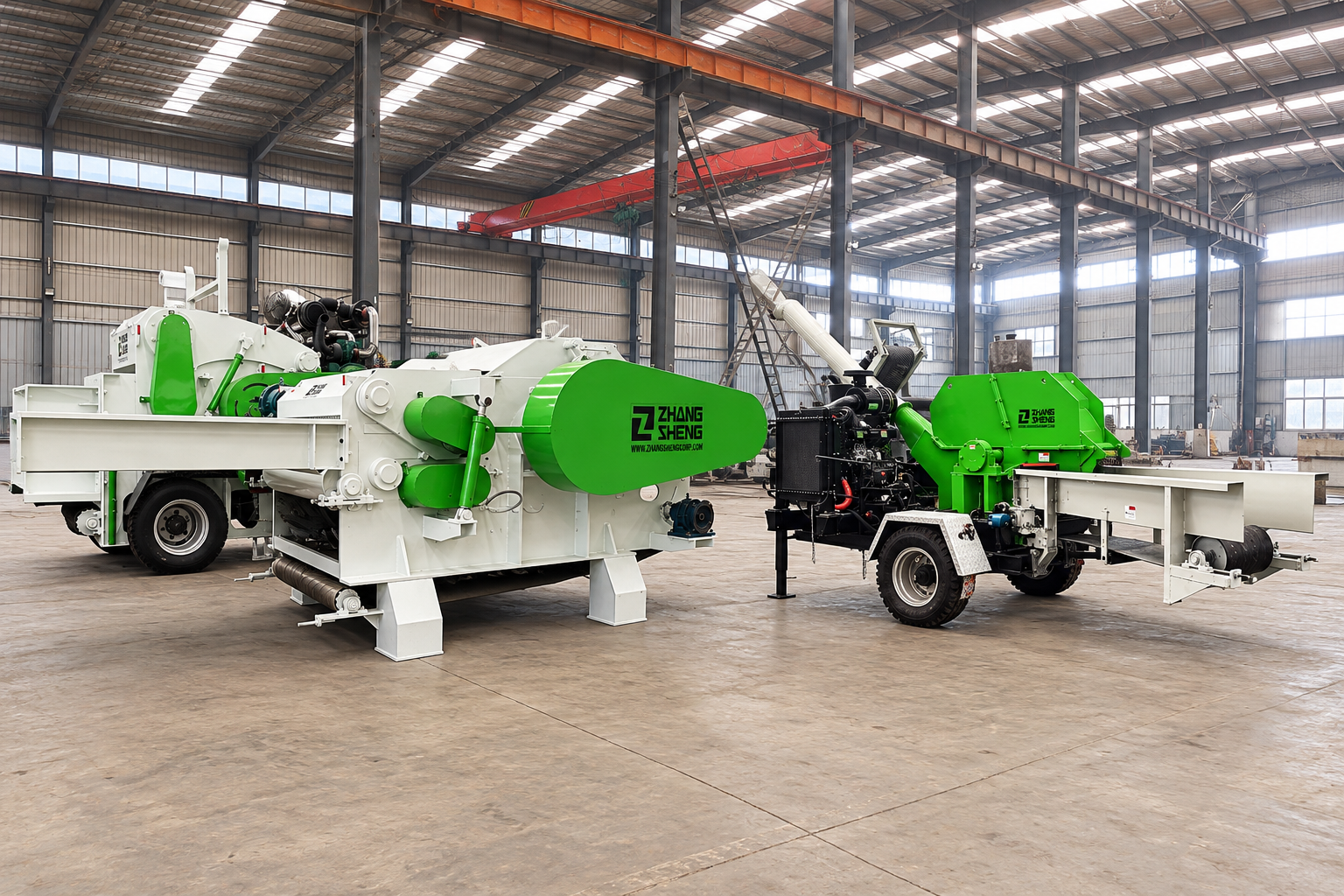
Wood chippers have a serious reputation, and for good reason. An accident can happen in a split second. Understanding the real dangers is the first step to keeping everyone safe.
Wood chippers are powerful and potentially dangerous machines. The primary risks involve entanglement in the feed mechanism and injuries from high-velocity flying debris. Safe operation depends entirely on proper user training and robust, built-in machine safety features to prevent catastrophic accidents.
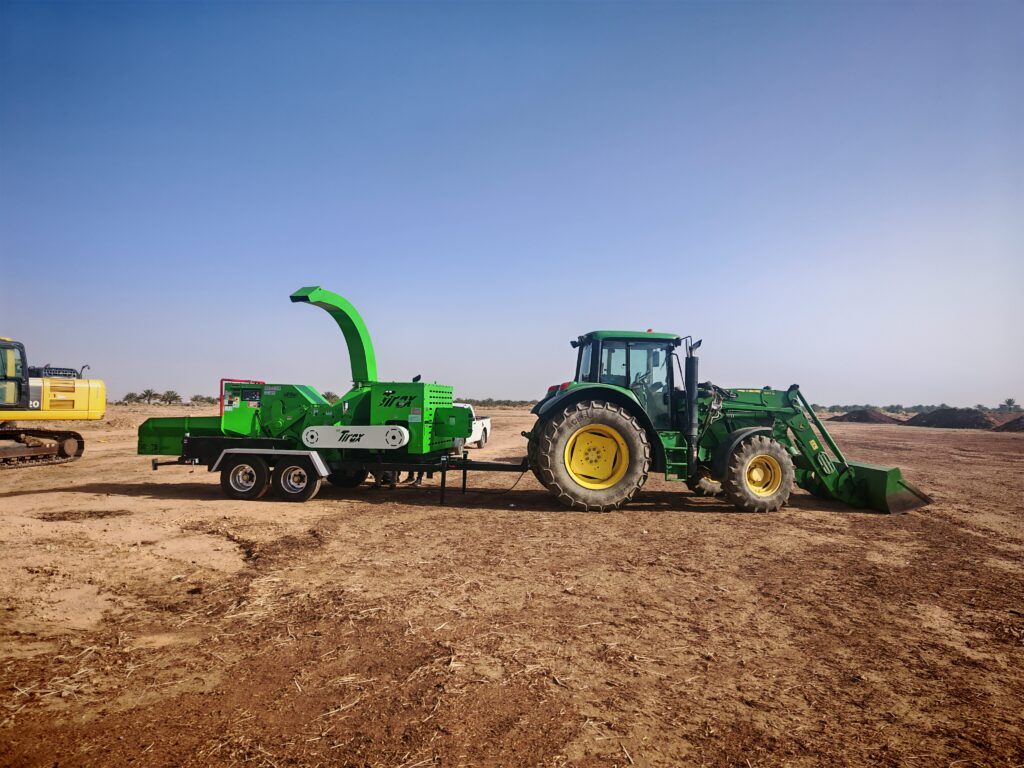
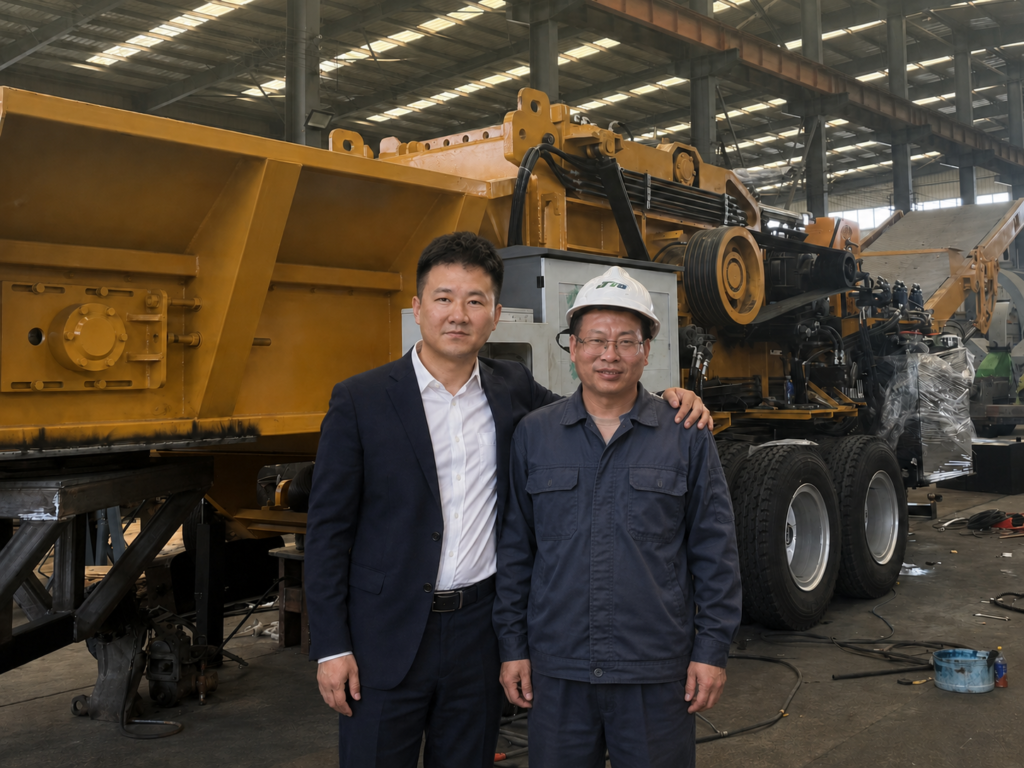
I’ve been in this business for 22 years, manufacturing and exporting wood chippers. In that time, I’ve seen firsthand what separates a safe operation from a potential disaster. It often comes down to two things: how you use the machine and, just as importantly, how the machine was built in the first place. You can have the best-trained operator in the world, but if the machine has a design flaw, you’re still at risk. Let’s break down these dangers so you can understand what to look for and how to protect yourself and your team.
What are the most common dangers of wood chippers?
Are you worried about what could go wrong on the job site? A single moment of distraction around a wood chipper can have terrible consequences. Let’s look at the most common hazards.
The most frequent dangers are an operator being pulled into the infeed hopper, being struck by forcefully ejected wood chips or debris, and suffering cuts during blade maintenance. These risks stem from a combination of operator error and critical flaws in machine design.
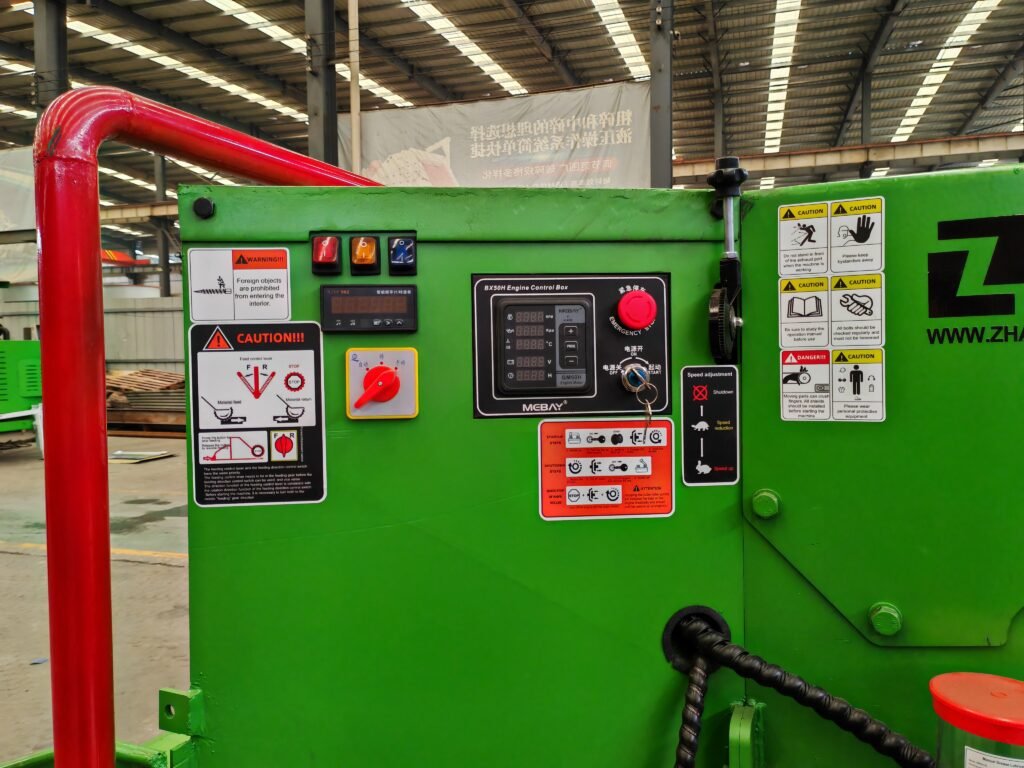
When we talk about danger, I see two main categories. The first is operational danger, which relates to how a person uses the machine. The second, and often more overlooked, is the hidden danger built into the machine itself due to poor design. An operational mistake can often be corrected with better training. But a design flaw is a disaster waiting to happen, no matter how careful your team is. For example, a poorly placed emergency stop button is a critical failure. If it’s on the side of the machine, the person feeding material can’t reach it if their glove or sleeve gets snagged. The machine needs a stop bar right at the feed opening. This simple design choice can be the difference between a close call and a life-altering injury.
Dangers: Operational vs. Design
| Danger Type | Description | Examples |
|---|---|---|
| Operational | Risks created by the user’s actions or lack of training. These are often preventable with strict safety protocols. | Wearing loose clothing, not checking wood for rocks or metal, trying to clear a jam while the machine is running, standing in the path of the discharge chute. |
| Design | Dangers that exist because of how the machine was built. These are hidden traps that even a trained operator might not be able to avoid in an emergency. | No safety bar at the feed hopper, inadequate guarding over moving parts, no safety interlock on access panels, weak machine body that can be punctured by debris. |
What specific dangers are caused by improper machine operation?
You might think you know how to run a chipper safely. But many accidents happen to experienced operators who become complacent. It’s crucial to know exactly what actions create the most risk.
Operational dangers are caused by user actions. These include wearing loose clothing that can get snagged, trying to push material into the hopper by hand, attempting to clear jams with the machine on, and failing to wear proper personal protective equipment (PPE).
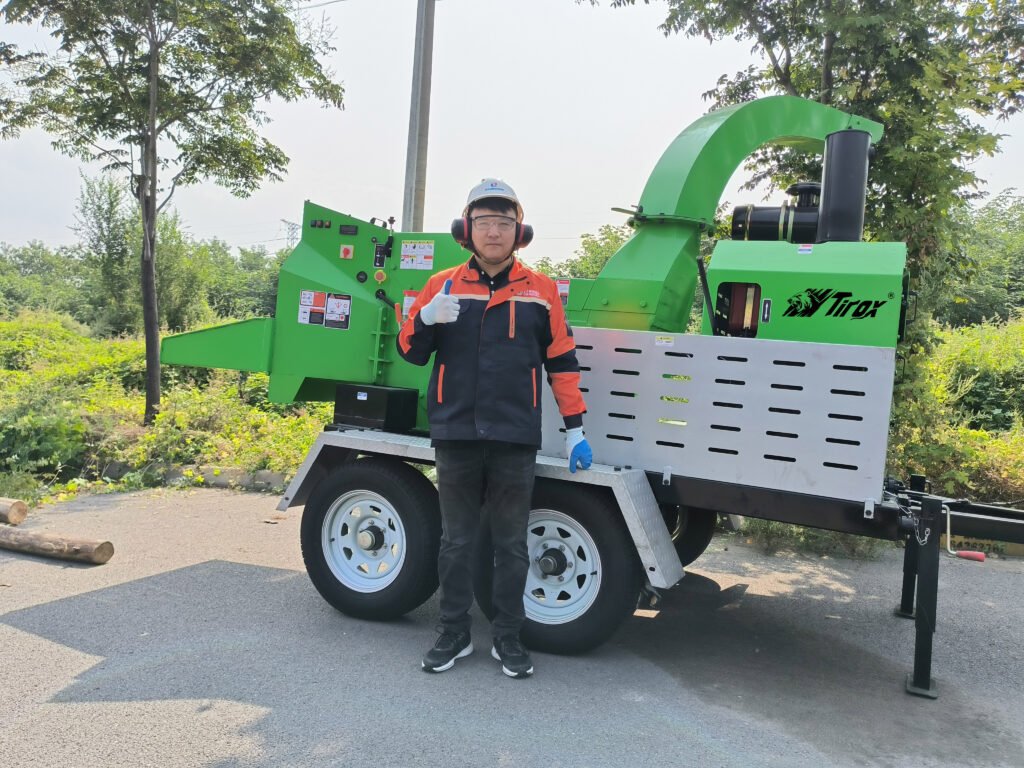
The most heartbreaking stories are the ones that were completely preventable. These are the operational dangers. It’s about developing safe habits and never letting your guard down. Before starting any job, your team should run through a checklist. Is their clothing snug? Are their gloves in good condition but not so loose they could get caught? Do they have their helmet, safety glasses, and hearing protection on? These simple steps are your first line of defense. Complacency is the enemy. After you’ve fed hundreds of branches, it becomes easy to get a little too comfortable, a little too close. That’s when mistakes happen.
I have a customer who shared a story that I’ll never forget. His worker was feeding a small tree root and noticed a rock wedged in it at the last second. He instinctively reached to pull it out. His glove got snagged on a branch, and the feed rollers started pulling his hand in. Luckily, he reacted instantly and threw his leg up against the emergency stop bar at the top of the feed hopper. The machine shut down immediately. If that bar hadn’t been there, easily accessible in a moment of panic, the outcome would have been horrific. That story proves why both training and machine design are so critical.
How do TIROX machines avoid these dangers?
Thinking about all these risks can be scary. But modern machines are built with safety as the primary focus, not an afterthought. We believe safety features should be standard, not optional extras.
Our TIROX machines are designed with a multi-layered safety system to prevent accidents. This includes a wrap-around emergency stop bar, an intelligent hydraulic feed system that eliminates manual pushing, and safety interlocks that automatically shut down the machine if guards are opened.
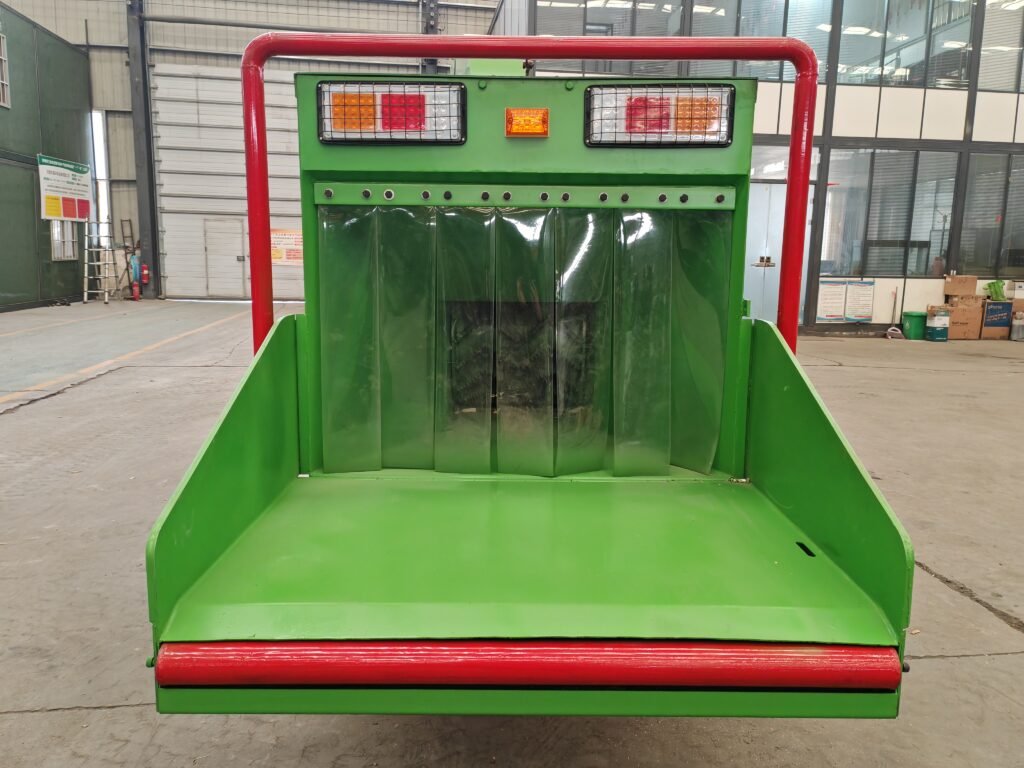
When we design our equipment, we think about that story from my customer. We think about every possible “what if” scenario. Our goal is to build a machine where safety is so deeply integrated that it protects the operator even if they make a mistake. We call it “hardware insurance.” It’s a system of physical safety features that work together to minimize risk. It starts with the most critical parts of the machine and extends to the entire structure. For us, building a powerful machine is easy. Building a powerful machine that is also fundamentally safe is our real work. We’ve spent years refining these features based on feedback from operators in 87 countries. This ensures our safety systems are not just good in theory but are proven to work in the real world, on tough job sites.
Our “Hardware Insurance” Safety System
| Safety Feature | How It Protects You |
|---|---|
| 1. Infeed Hopper Safety Bar | This bar surrounds the top of the hopper. If an operator gets pulled forward, their body will press against it, instantly stopping the feed rollers and engine. It’s the fastest way to stop the danger. |
| 2. Intelligent Hydraulic Feed | Our dual hydraulic rollers automatically adjust speed and can even reverse if they sense a jam. This means the operator never has to push material with their hands or feet, keeping them far from the blades. |
| 3. Safety Interlock Doors | All access doors and panels for maintenance have sensors. If a door is not properly closed and locked, the machine simply will not start. This completely eliminates the risk of someone starting the machine while another person is working on the blades. |
| 4. 360° Rotating Discharge Chute | The operator can direct the flow of chips precisely away from themselves, other workers, and public areas. The chute’s design also prevents chips from flying back at the operator. |
| 5. Infeed Hopper Safety Baffle | A heavy-duty rubber curtain hangs inside the hopper opening. It prevents small chips and debris from being thrown back out of the hopper toward the operator during operation. |
| 6. Heavy-Duty Steel Construction | We use thickened steel for the entire machine body and especially the chipper housing. This ensures that if a piece of wood shatters inside, it cannot break through the housing and become a dangerous projectile. |
Conclusion
Wood chippers are inherently dangerous, but the risks can be managed. Choosing a machine with smart, built-in safety features like ours at TIROX provides the best protection for your team.