
Yes—the best residential wood chipper is usually the one sized for real yard waste, not the biggest machine on paper.
Need a chipper for home cleanup? Choosing by horsepower alone often leads to jams, overspending, and hard handling. The right fit saves money, time, and storage space.
The best residential wood chipper models are compact, safe, and matched to your real branch size, debris mix, and yearly workload. For most properties, balanced feeding, easy maintenance, and mobility matter more than maximum power.
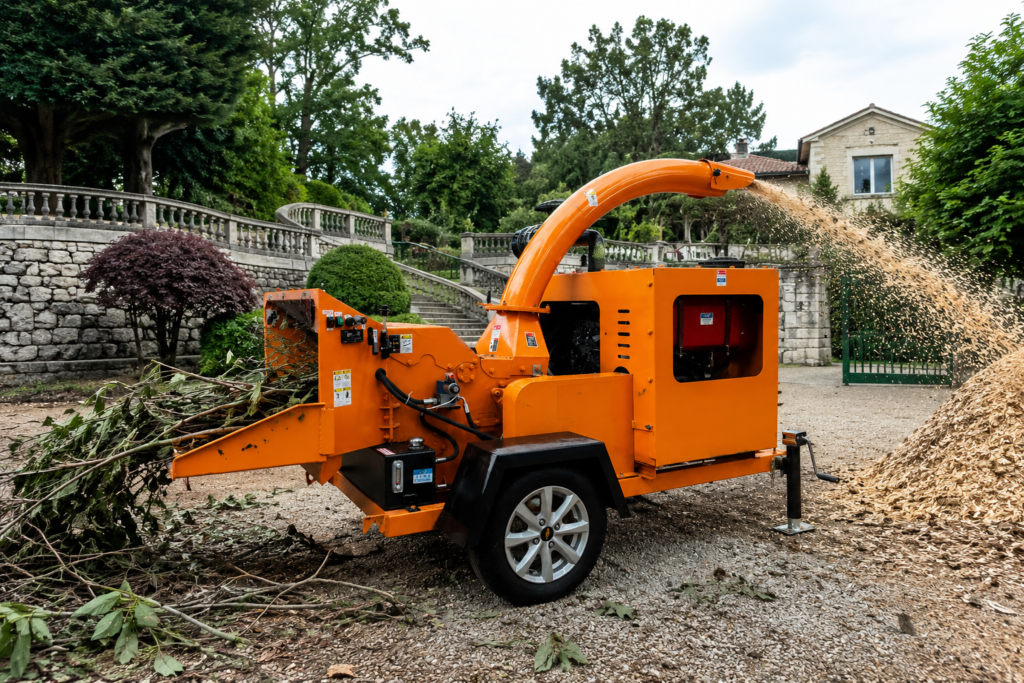
After 22 years in this industry, many buyers have seen the same mistake: selecting a larger industrial-style unit for light pruning waste. On paper, that feels safer. In practice, it often means higher fuel use, difficult transport, underused capacity, and a machine that sits idle most of the season. Therefore, “best” does not mean biggest. It means a machine that handles typical branches, leaves, and seasonal storm debris without creating a maintenance burden. For buyers comparing wood chipper buying guides, the first step is separating homeowner-duty needs from arborist or continuous commercial work.
How Should Homeowners Compare Residential Wood Chipper Types and Sizes?
Too many models look similar online. However, wrong size matching causes overload, poor feed, wasted budget, and unsafe operation when tangled branches or wet green waste hit the hopper.
Homeowners should compare wood chippers by debris type, actual branch diameter, feed method, mobility, and duty cycle. The best model is the one that processes normal yard waste steadily without constant jams or overcapacity.
Quick comparison by application
| Type | Best for | Typical material | Main advantage | Main limit |
|---|---|---|---|---|
| Electric chipper | Small yards | Twigs, dry trimmings, light pruning | Quiet, simple, low maintenance | Limited diameter and throughput |
| Small gas chipper | Medium yards | Mixed branches, seasonal cleanup | More mobility and power | More fuel and service needs |
| Chipper-shredder | Garden-heavy properties | Leaves, twigs, soft green waste | Handles mixed yard waste better | Not ideal for thick hardwood branches |
| Compact hydraulic-fed unit | Large estates, farms | Repeated branch cleanup, thicker limbs | Safer feeding and steadier output | Higher price and larger footprint |
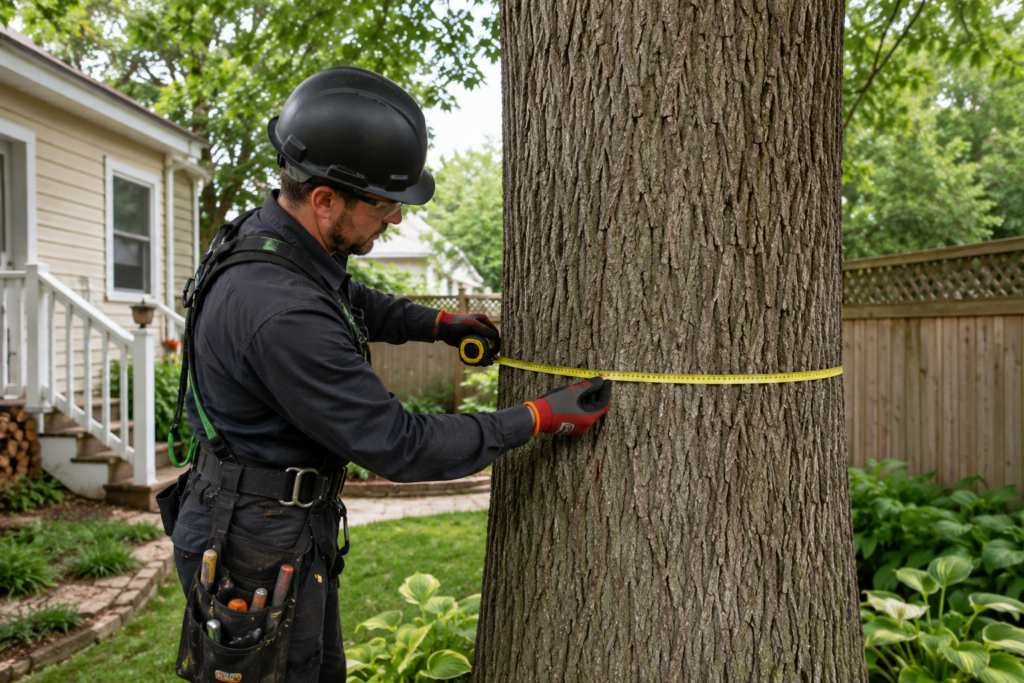
In real use, branch diameter is only one part of the buying decision. Moisture, wood density, shape, and leaf volume change output sharply. According to Tirox internal selection standards, wet branches, tangled vines, and leafy material can reduce practical throughput by 15% to 35%. By contrast, dry, clean, low-density branches can process faster than rated expectations. As a result, buyers should size by normal material, not the biggest branch cut once a year.
Best fit by property type
- Best for small yards: electric or light chipper-shredder units for leaves, twigs, and light pruning.
- Best for storm cleanup: small gas units with better wheel mobility and stronger bite on mixed debris.
- Best for larger rural properties: compact self-feed or hydraulic-feed machines where branch volume is regular.
Feed style also matters. Gravity feed is affordable but slower with crooked limbs. Self-feed designs pull material in better, yet they still depend on branch shape. Hydraulic feed, common on more professional compact units such as Tirox garden branch chipper layouts, gives the best control and safer infeed pace. For buyers browsing compact wood chipper options, that distinction is often more useful than engine numbers alone. For basic technical background on wood chippers, standard chipper mechanisms also explain why feeding behavior varies by rotor and knife setup.
Which Features Actually Matter Most in a Residential Wood Chipper?
Many residential buyers focus on engine size first. Yet poor hopper design, weak blades, awkward service access, and bad mobility often create bigger long-term problems than modest power.
The most important features are safe infeed design, realistic cutting capacity, durable cutting components, easy service access, and manageable ownership cost. Features that reduce jams and simplify maintenance usually matter most.
Safety
A safe residential chipper should have a well-shaped hopper, clear discharge direction, stable chassis, and easy stop access. Moreover, operator behavior still matters. Proper PPE, controlled feeding, and keeping hands clear of the infeed zone are basic requirements. Compact hydraulic-fed models are especially useful where users want better branch control instead of forcing tangled material manually.
Performance
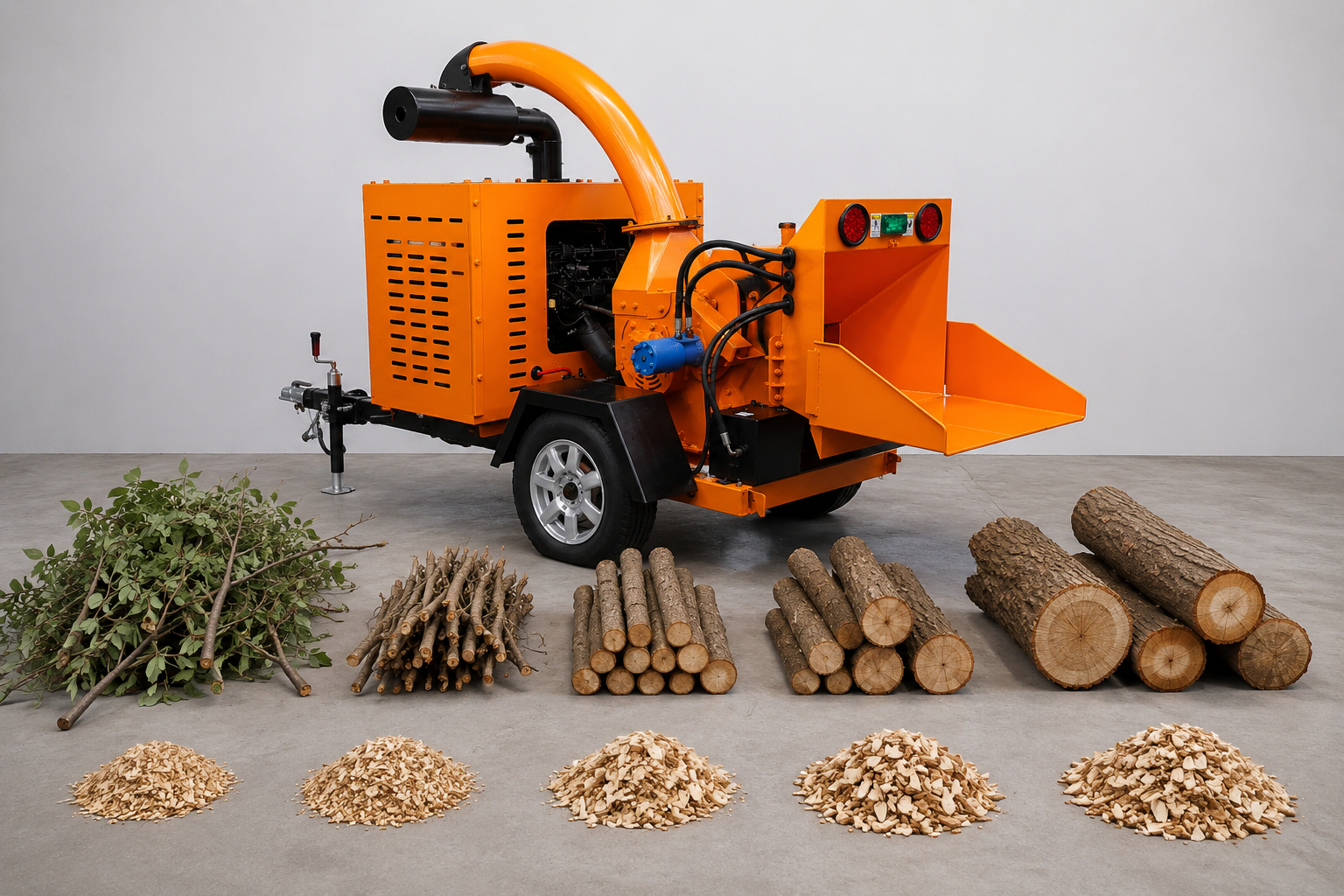
Not every machine handles every material equally. Chipping blades are best for woody branches and cleaner cuts. Shredding hammers or flails perform better on leaves, soft waste, and mixed garden debris. Therefore, a chipper-shredder often suits landscaping-style waste better than a branch-focused chipper. Tirox often advises buyers to start from material profile first: twig-heavy, leafy, mixed pruning, or branch-dominant.
Maintenance
Service reality separates good ownership from frustration. Buyers should check blade access, belt tension inspection, bearing durability, clog clearing method, and fuel system care. Even strong machines become poor investments if knife changes are awkward or routine cleaning takes too long. For practical maintenance tips for wood chippers, downtime prevention usually starts with simple access panels and sensible spare-parts planning.
Ownership cost checklist
| Must-have | Nice-to-have |
|---|---|
| Safe hopper depth | Tow bar for larger property movement |
| Honest branch capacity | Hydraulic feed control |
| Easy blade access | Adjustable discharge chute |
| Stable wheels or chassis | Extra noise reduction |
| Clear maintenance points | Premium cosmetic finish |
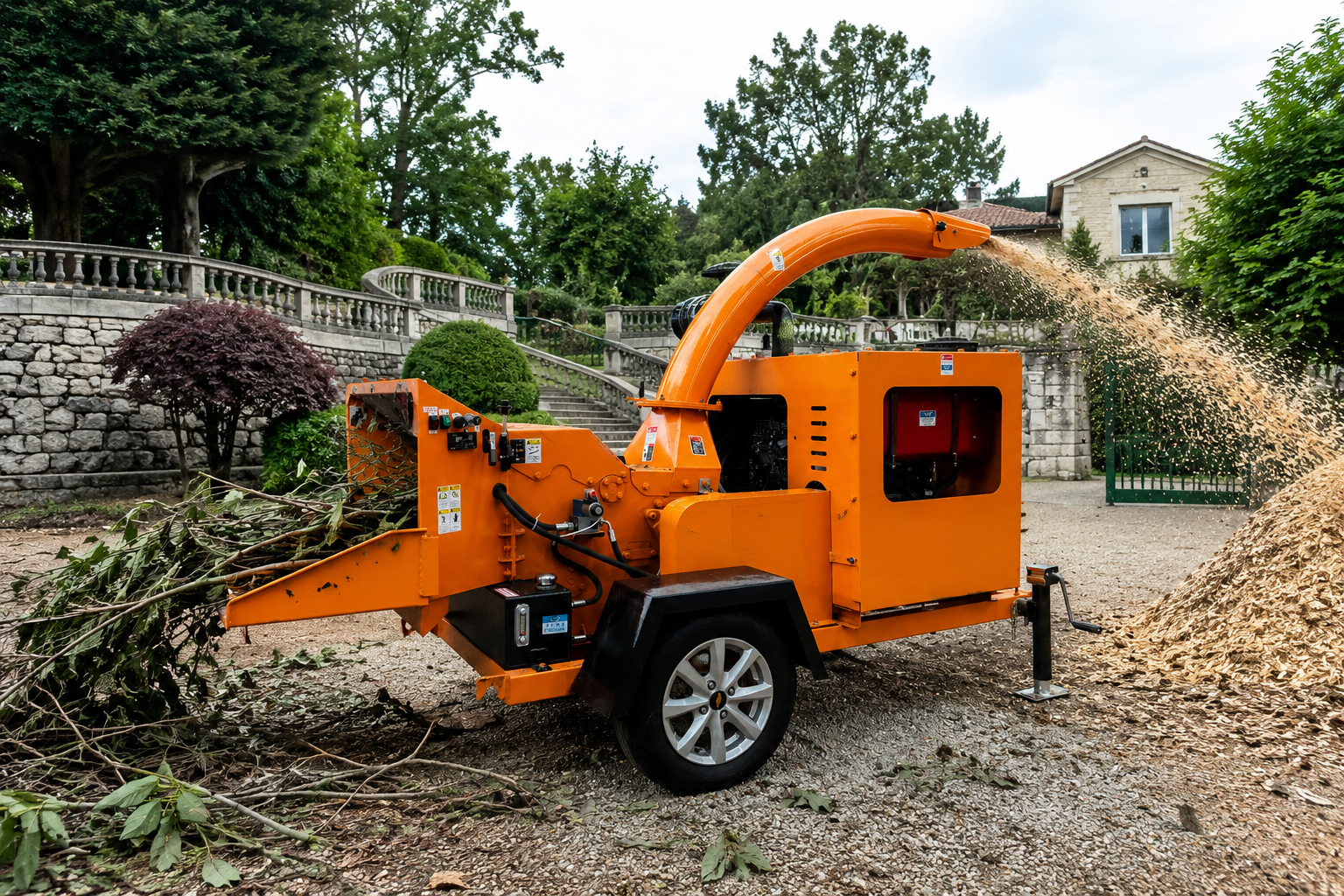
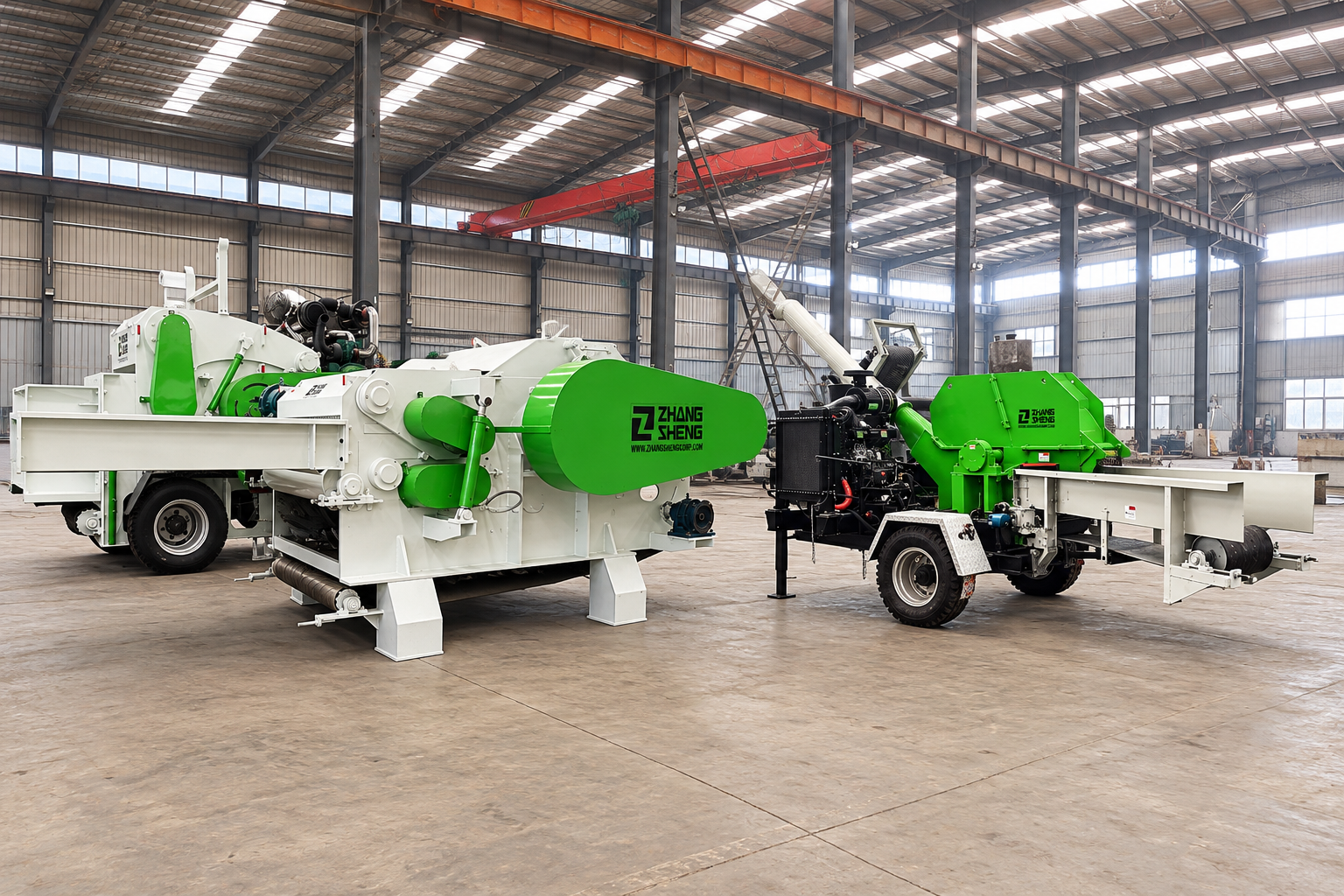
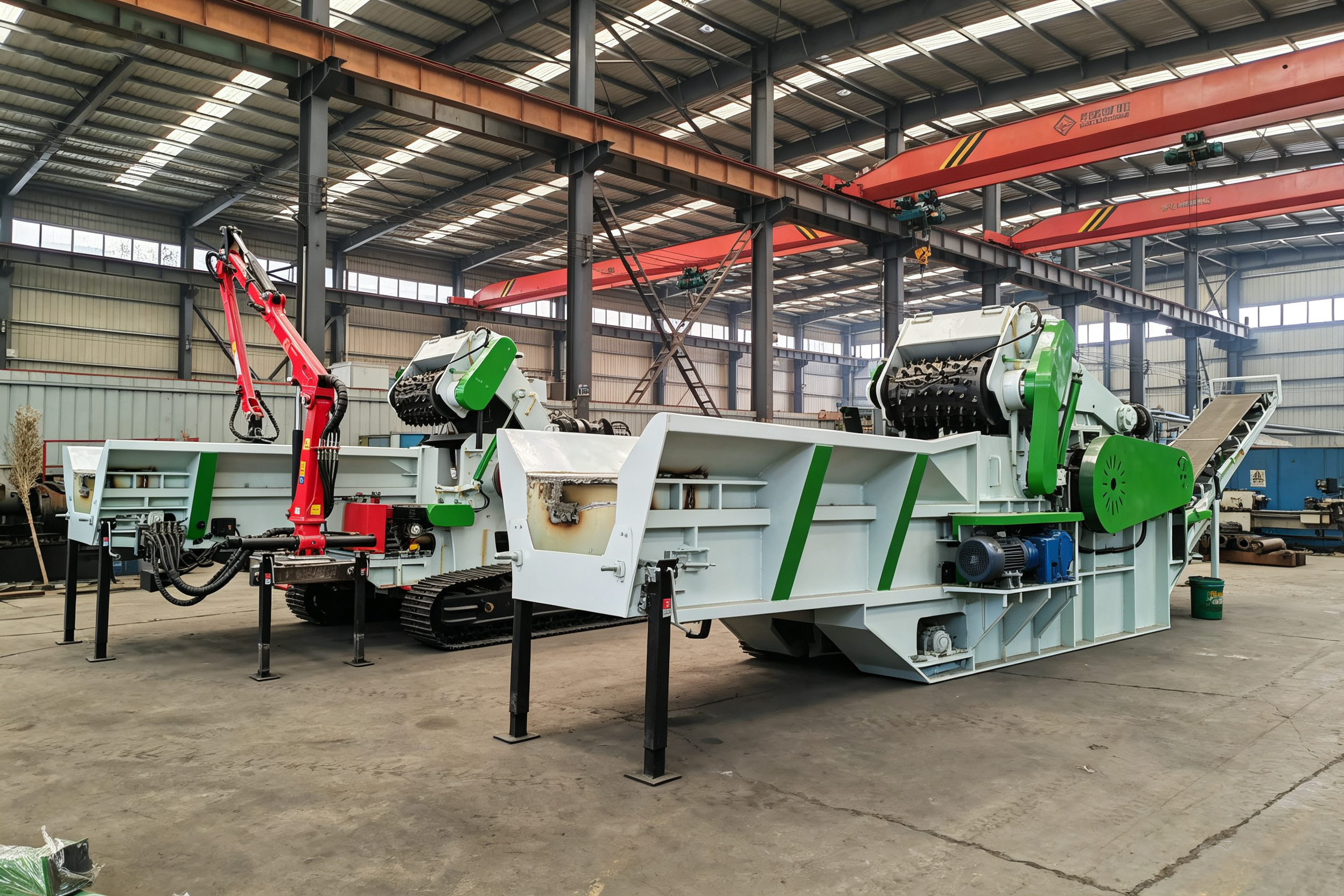
A useful example from the Tirox range is the compact mobile garden branch chipper class, which is often closer to residential-estate needs than a full industrial line. Meanwhile, buyers searching for an industrial wood chipper should remember that heavier units are built for longer run hours, larger feed volume, and commercial production cycles. That capability is valuable only when the work truly demands it.
When Should a Buyer Choose a Residential Chipper Instead of a Heavier Commercial Machine?
Oversizing feels safe at purchase time. Still, many light-duty users later face transport issues, high fuel spend, harder storage, and a machine far beyond actual weekly workload.
A buyer should choose a residential chipper when the work is periodic yard maintenance, storm cleanup, and moderate branch processing. Heavier commercial machines make sense only when volume, runtime, and feed diameter regularly exceed homeowner-duty limits.
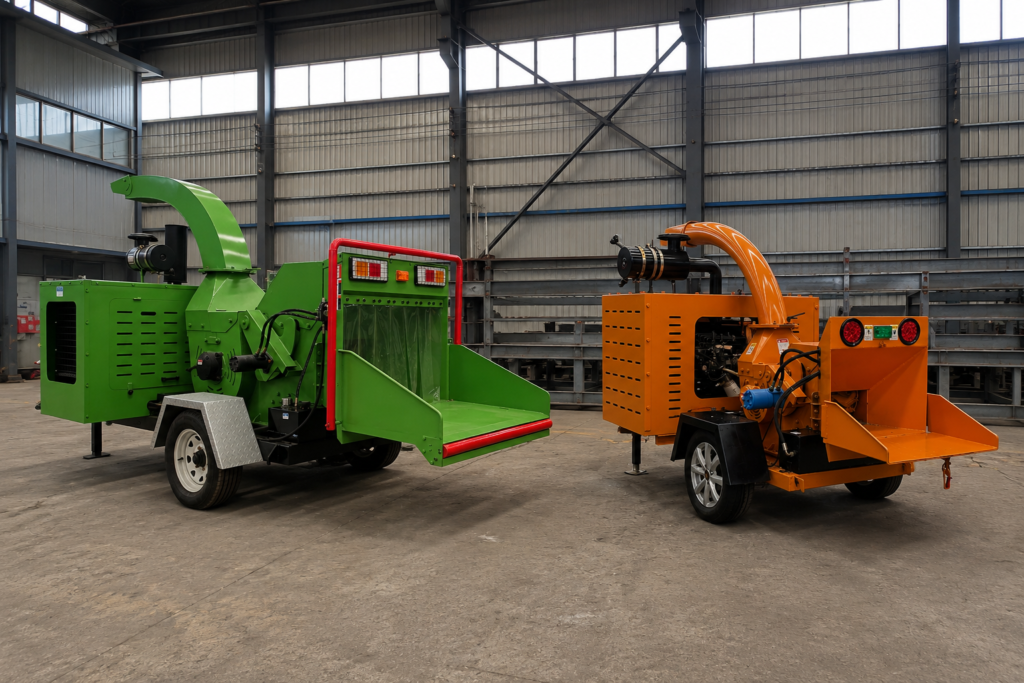
A practical threshold helps. Residential and estate buyers usually need intermittent operation, not all-day production. If cleanup happens after pruning, seasonal storms, or monthly grounds work, a smaller mobile unit is normally the smarter investment. On the other hand, daily tree-service operations, recycling yards, and biomass plants need stronger frames, longer duty cycles, and higher continuous feed rates.
Buying framework from a manufacturer perspective
| Decision factor | Residential chipper | Heavier commercial machine |
|---|---|---|
| Material profile | Branches, leaves, yard trimmings | Bulk wood waste, repeated thick limbs |
| Max cutting diameter | Occasional moderate branches | Frequent large-diameter processing |
| Working hours/week | Low to moderate | High and continuous |
| Site access | Tight paths, sheds, home lots | Open access, trailer movement, job fleets |
| Future growth | Stable property maintenance | Expanding service business |
A customer once approached Tirox for a commercial-style machine after seeing headline capacity figures. However, the actual job was light estate pruning and occasional storm debris. The final recommendation shifted toward a compact mobile branch chipper instead of a larger production model. Over the season, the lower purchase price, easier storage, lighter fuel use, and simpler transport delivered better real-world satisfaction. That outcome is common.
Tirox produces more than 15 series and over 50 models in wood processing equipment, so there is no need to force a heavy solution into a light-duty environment. For most homeowners and private estates, the better path is a compact branch chipper or mobile garden unit with honest capacity and easier handling. Only when weekly volume rises, labor cost from slow feeding becomes significant, or larger logs appear consistently should buyers step up to more professional configurations such as mobile hydraulic-fed units or broader wood recycling equipment solutions. For context on commercial-scale biomass and wood waste processing, industrial equipment economics are very different from residential ownership.
Conclusion
The best residential wood chipper is the one that matches real material, real hours, and real site conditions. In most cases, proper sizing, safer feeding, and easier maintenance outperform oversized commercial power on a homeowner property.