
Usually, the right size is based on the branch diameter handled every week, not the single biggest limb after one storm.
Struggling to choose chipper size? Oversizing wastes budget and mobility. Undersizing slows cleanup, causes jams, and creates safety risks during routine residential yard work.
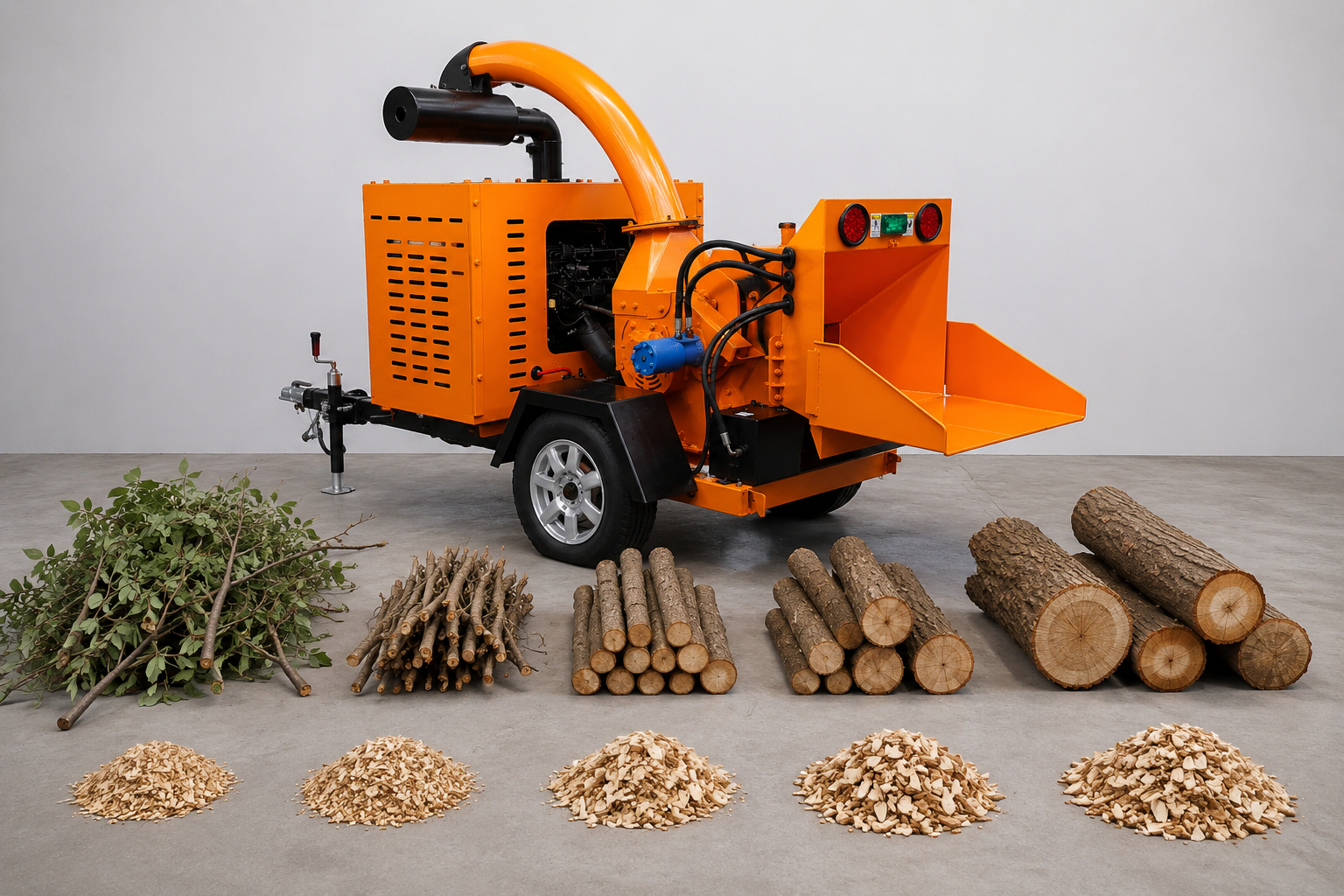
For most residential cleanup, a 2–3 inch chipper fits light pruning, 3–5 inch capacity suits regular storm and yard debris, and larger mobile units make sense only when heavy cleanup is frequent.
After 22 years in this industry, new buyers often describe the same mistake: one oversized storm limb drives the entire purchase. Then the machine arrives, costs more to run, feels harder to move, and underperforms on the mixed leafy branches that make up 95% of real cleanup. That is why practical sizing always starts with feedstock reality, not brochure extremes. Buyers comparing wood chipper sizing guides and residential chipper advice usually get better results when they match the machine to normal branch mix, moisture, and cleanup frequency.
How Do You Match Wood Chipper Capacity to Typical Residential Debris?
Choosing by “max diameter” alone looks simple. However, mixed yard waste feeds very differently. That gap often leads to jams, low throughput, and expensive overbuying.
Match chipper size to the branch diameter and material type processed most often. For residential cleanup, published maximum capacity is only an upper limit, not the real everyday productivity level.
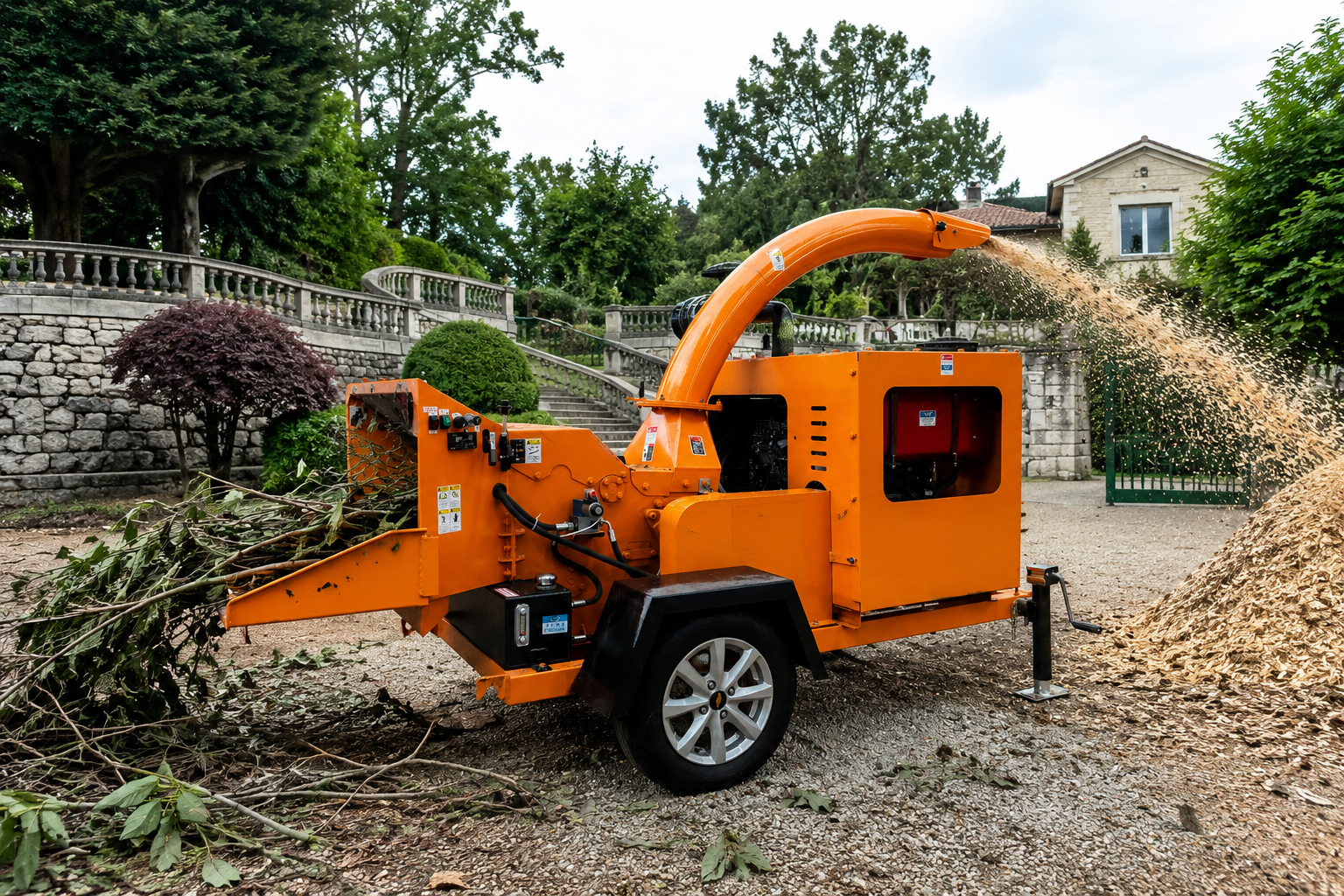
In practice, residential debris is rarely clean, straight, and dry. Instead, it includes green limbs, forks, soft wet branches, and leaf-heavy brush. As a result, a machine rated for a certain diameter may process less efficiently in daily use. According to Tirox internal selection standards, wet branches, tangled vines, and leafy material can reduce actual productivity by roughly 15%–35%, while dry, uniform softwood may increase output.
| Branch range | Typical residential scenario | Best-fit machine class | Common mistake |
|---|---|---|---|
| 2–3 in. | Light pruning, shrubs, seasonal trimming | Compact electric or light gas chipper | Buying for one rare thick limb |
| 3–4 in. | Routine suburban cleanup, moderate storm debris | Gas or light mobile chipper | Ignoring leafy and forked feeding difficulty |
| 4–5+ in. | Large properties, mature trees, repeated storm work | Heavier mobile hydraulic-feed chipper | Assuming consumer machines will sustain volume |
What changes real feeding efficiency?
- Green wood is heavier and wetter than test material.
- Forked branches bridge at the infeed.
- Leaf volume lowers packing density.
- Mixed debris slows consistent rotor loading.
- Weak discharge airflow can cause chip buildup.
Therefore, the best choice is usually the smallest machine that handles normal material with a safety margin. For buyers who regularly process dense mixed debris, a mobile hydraulic-feed industrial wood chipper class often gives better control than a basic gravity-feed unit. Still, true industrial disc or drum systems are usually unnecessary for residential cleanup unless volume moves into commercial territory. For broader context on wood chippers, published capacity should always be read as a limit, not a promise of continuous throughput.
What Specifications Matter Beyond Branch Diameter When Choosing a Residential Wood Chipper?
Many buyers focus only on branch size. Yet poor feed design, weak discharge, or hard maintenance access can turn a “big enough” chipper into a slow and frustrating machine.
Beyond diameter, buyers should evaluate feed system, power source, mobility, safety, maintenance access, discharge efficiency, and parts support. These factors decide whether a chipper is productive in real residential cleanup.
A well-sized chipper can still disappoint if the specification mix is wrong. This is why experienced manufacturers look beyond cutting diameter first.
Feed System
- Gravity feed costs less but needs more manual pushing.
- Hydraulic feed improves consistency and reduces labor.
- Wider infeed openings handle forks and brush better.
- Better feed control lowers jam risk and improves safety.
Engine and Power
Electric units are clean and quiet for light cleanup. Gas models offer mobility and stronger field use. PTO machines work well when tractor ownership already exists. Diesel mobile units fit heavier residential or light commercial work where runtime and torque matter more. Tirox usually opens with mobile garden-style diesel recommendations because they deliver better outdoor adaptability across varied debris conditions.
| Power type | Pros | Limits | Best use |
|---|---|---|---|
| Electric | Low noise, low maintenance | Limited capacity, cord dependence | Small yards, 2–3 in. debris |
| Gas | Portable, common, flexible | Fuel and engine maintenance | Regular home cleanup |
| PTO | Strong value if tractor exists | Less independent mobility | Rural property owners |
| Diesel mobile | High torque, long runtime, towable | Higher upfront cost | Large estates, repeated heavy cleanup |
Mobility
Residential cleanup often happens across driveways, gardens, orchards, and storm-hit corners of a property. Therefore, towability, wheelbase, and weight matter. A machine that cannot be positioned quickly creates wasted labor.
Maintenance and Safety
Knife access, anvil adjustment, belt inspection, and parts supply should never be secondary issues. Tirox supports more than 50 wood processing models and keeps strong spare-parts continuity, which matters for B2B buyers managing uptime. Safety features such as emergency stop bars, feed control, and stable hoppers are equally critical. Guidance from ANSI safety standards and established arborist practice supports choosing machines that reduce forced hand-feeding around the infeed zone.
For buyers researching wood chipper buying tips, these overlooked specs often determine satisfaction more than headline diameter.
When Does a Residential Buyer Need a Heavier-Duty Machine for Better ROI?
A small chipper seems cheaper at first. However, frequent jams, extra pre-cutting, and repeated disposal trips can quietly make a lighter machine more expensive over time.
Upgrade to a heavier-duty chipper when cleanup is frequent, branch size stays near the machine limit, or labor loss from pre-cutting and jams outweighs the higher purchase price.
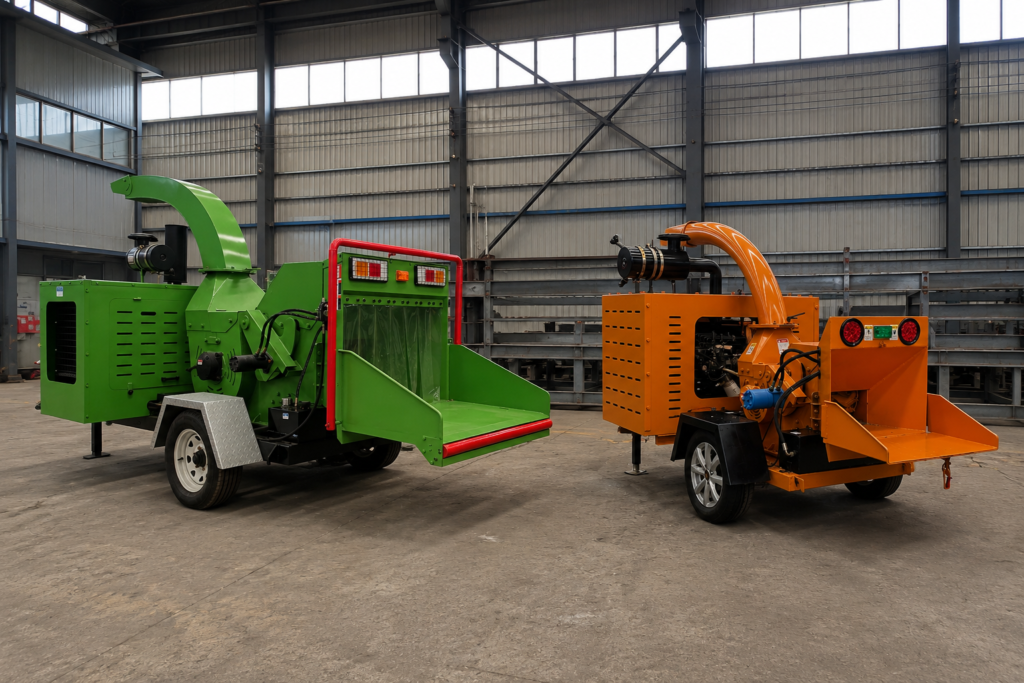
The right upgrade point is not emotional. It is operational. A customer managing a large storm-prone property once started with a small consumer unit. On paper, it looked economical. In reality, crews spent hours cutting forks into smaller pieces, clearing clogs, and hauling unprocessed brush away. After moving to a Tirox mobile diesel garden chipper with hydraulic feed, seasonal cleanup time dropped sharply and disposal trips fell as mulch reuse increased.
Clear upgrade triggers
- Repeated storm cleanup every season
- Estate, orchard, or acreage maintenance
- Side work for arborist or rental use
- Multiple properties under one owner
- Branches often near 4–5 inches
- Too much labor spent trimming material to fit
Why ROI improves
A heavier-duty machine can reduce manual prep, shorten cleanup cycles, and improve chip consistency. In addition, it lowers operator fatigue and downtime. That matters when labor is the most expensive line item.
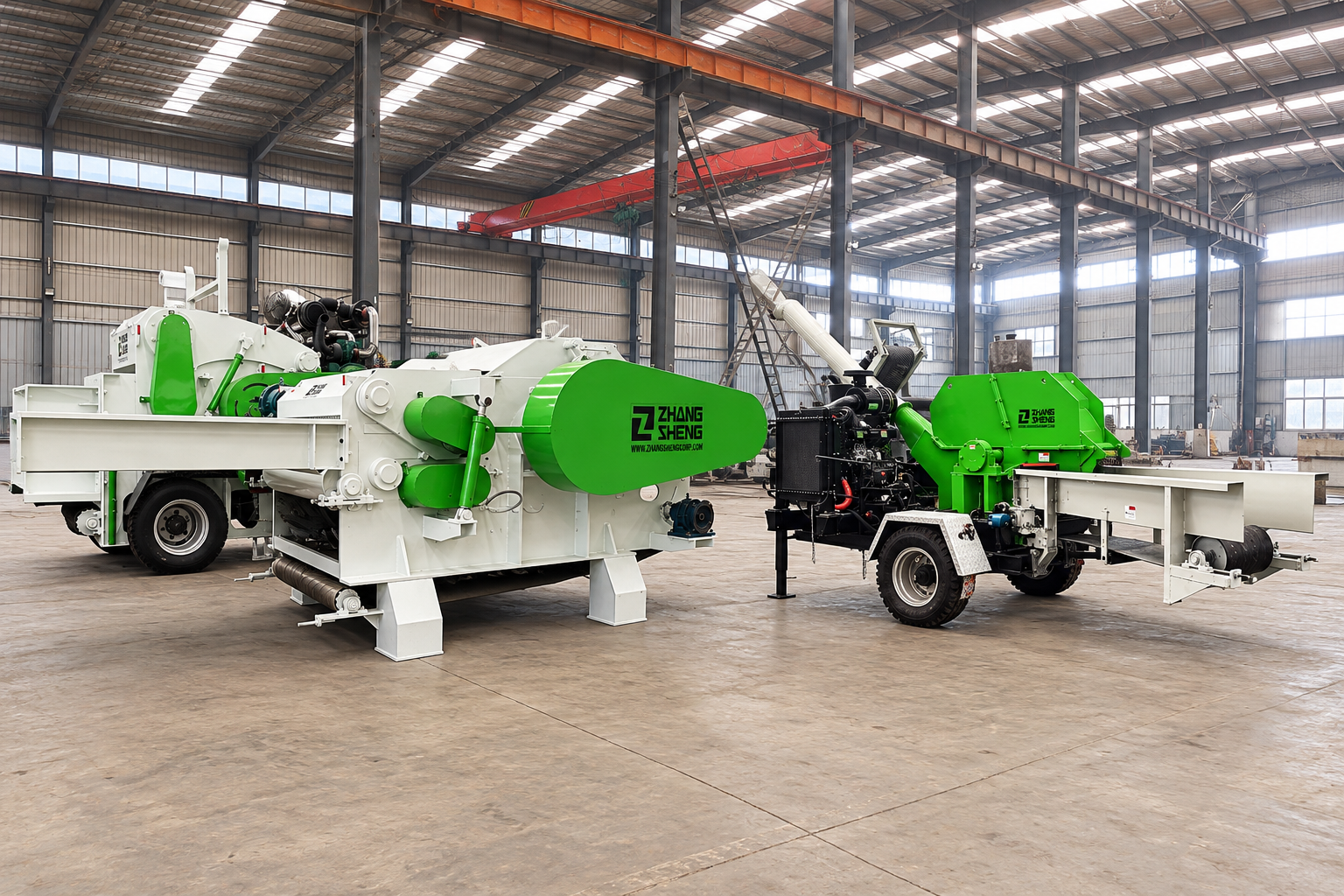
Tirox case discussions often compare light residential units with models such as a compact 3–4 inch class machine for suburban work and a stronger 4–5 inch mobile diesel unit for larger estates. For buyers with mixed green waste and frequent volume spikes, a towable hydraulic-feed wood chipper machine is often the best first serious investment. By contrast, large fixed disc chippers or BX drum chippers are more suitable for continuous industrial lines, paper-grade chips, or biomass plants, not normal residential debris. This distinction protects budget while preventing underbuying. For an additional benchmark on capacity classes, many market references place 3–4 inch models in light yard work and 5–6 inch models in the sweet spot for many landowners.[^1]
Conclusion
The best residential chipper is not the biggest machine available. It is the one sized for normal debris, realistic throughput, safe feeding, and long-term labor savings across the property.
[^1]: See industry sizing references from Wallenstein and MacKissic.