
Yes—choose by real branch mix, moisture, daily volume, and feed design, not by “maximum diameter” claims alone.
Small-branch jobs look simple. However, wet brush, leaves, and uneven feed can quickly turn a cheap purchase into slow, costly downtime.
The right wood chipper for small branches matches actual branch range, material condition, daily workload, and feed style to usable capacity, power, and maintenance access. For most B2B buyers, modest capacity headroom beats buying by headline diameter alone.
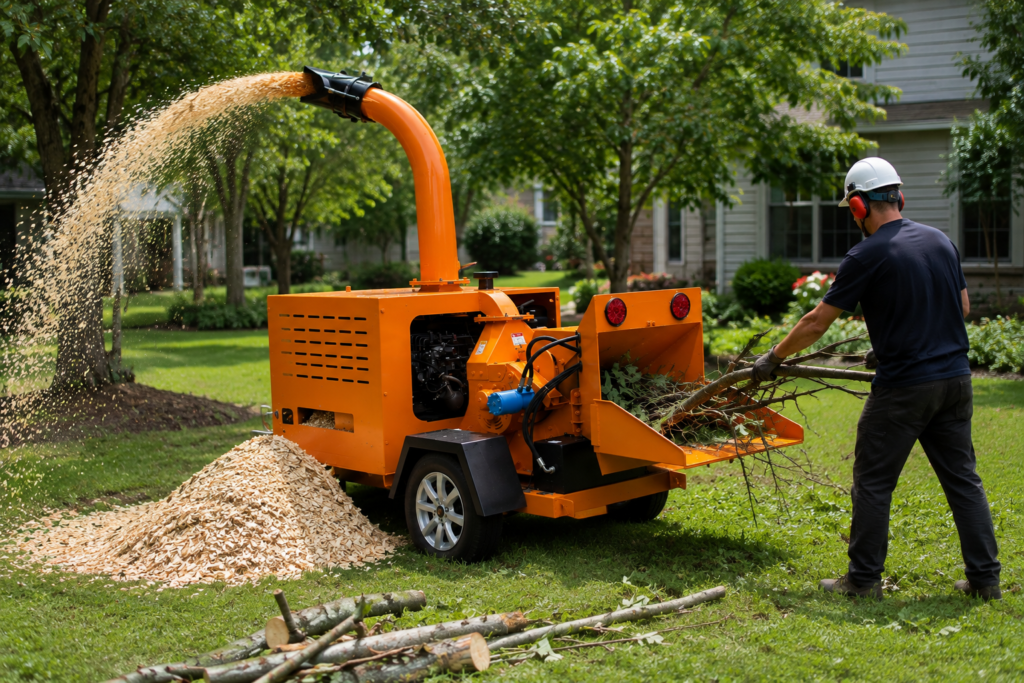
After 22 years in this industry, a common pattern appears: a buyer selects a low-price machine rated for the biggest occasional branch, then discovers leafy, wet trimmings clog the infeed and cut hourly output far below expectations. That is exactly why Tirox treats selection as an application-matching task first. In everyday commercial work, a mobile branch chipper is usually the first solution to evaluate. Yet the final recommendation should still follow feedstock, output target, power condition, and operating mode. Buyers comparing wood chipper buying guides often focus on branch diameter first. In practice, wood chips quality, labor time, and uptime usually matter more.
What machine size and capacity do you actually need for small branches?
Small branches seem harmless. Still, mixed brush, wet wood, and vines can overload undersized machines and make “rated capacity” meaningless in daily B2B work.
For small branches, size the chipper around the typical daily branch range and material condition, not the single largest piece. A wider infeed opening and some throughput reserve reduce jams, rehandling, and operator fatigue.
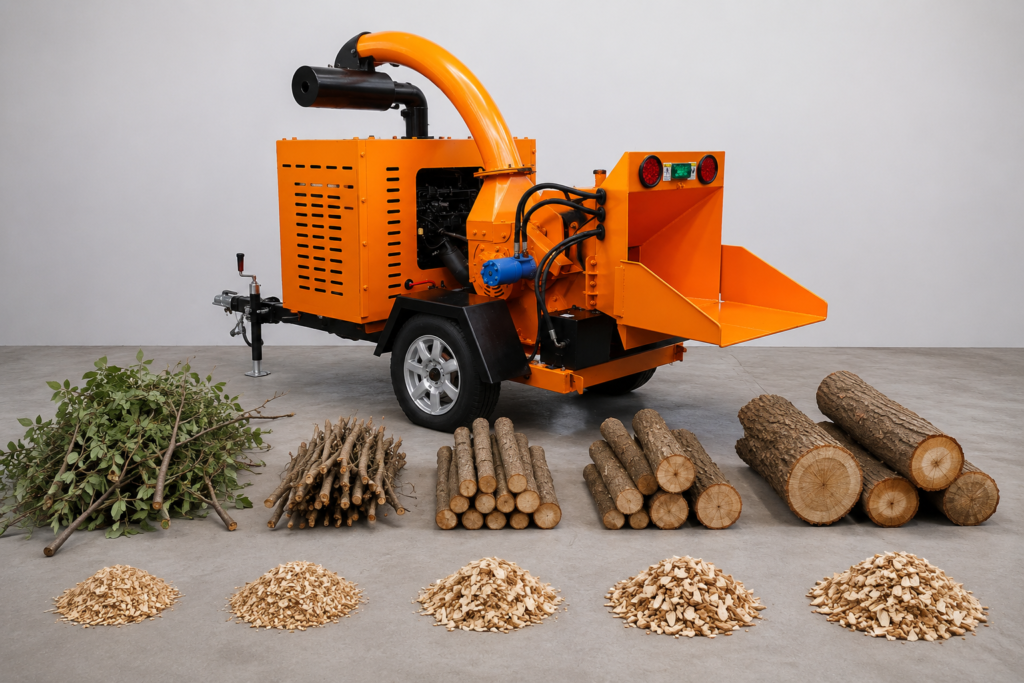
Translate “small branches” into real feed ranges
“Small branches” can mean twigs from nursery maintenance, 1–2 inch orchard prunings, or mixed brush with occasional 3 inch limbs. These are not the same job. Therefore, buyers should convert vague terms into measurable ranges before asking for a quotation. Tirox uses the practical distinction between maximum cutting diameter and efficient operating diameter. That difference matters because wet branches, tangled brush, and leafy material can reduce real output by roughly 15% to 35% under difficult conditions, based on internal selection standards. By contrast, clean and dry branch material can perform better.
| Typical branch mix | Material condition | Common user | Recommended infeed approach | Common mistake |
|---|---|---|---|---|
| Twigs and brush under 1 in. | Leafy, loose, low-density | Nurseries, landscapers | Compact hopper with stable feed path | Buying only on low price |
| 1–2 in. mixed branches | Wet or fresh cut | Arborists, estates | Hydraulic feed preferred | Trusting max diameter only |
| Mostly 2 in. with some 3 in. | Irregular, forked | Tree service crews | Capacity margin and stronger feed rollers | Exact-match sizing |
| Repetitive yard intake | Mixed seasonal waste | Recycling yards | Higher throughput reserve | Ignoring daily volume |
Capacity should reflect workload, not brochure numbers
Occasional cleanup is different from weekly commercial trimming. Likewise, a recycling center handling repeated inbound brush needs more reserve than a farm using a chipper once a month. As a result, the best choice is usually one size above the exact average need for commercial users. That small margin helps absorb seasonal peaks, operator differences, and moisture swings. For buyers reviewing small branch processing equipment, that is often the safest path.
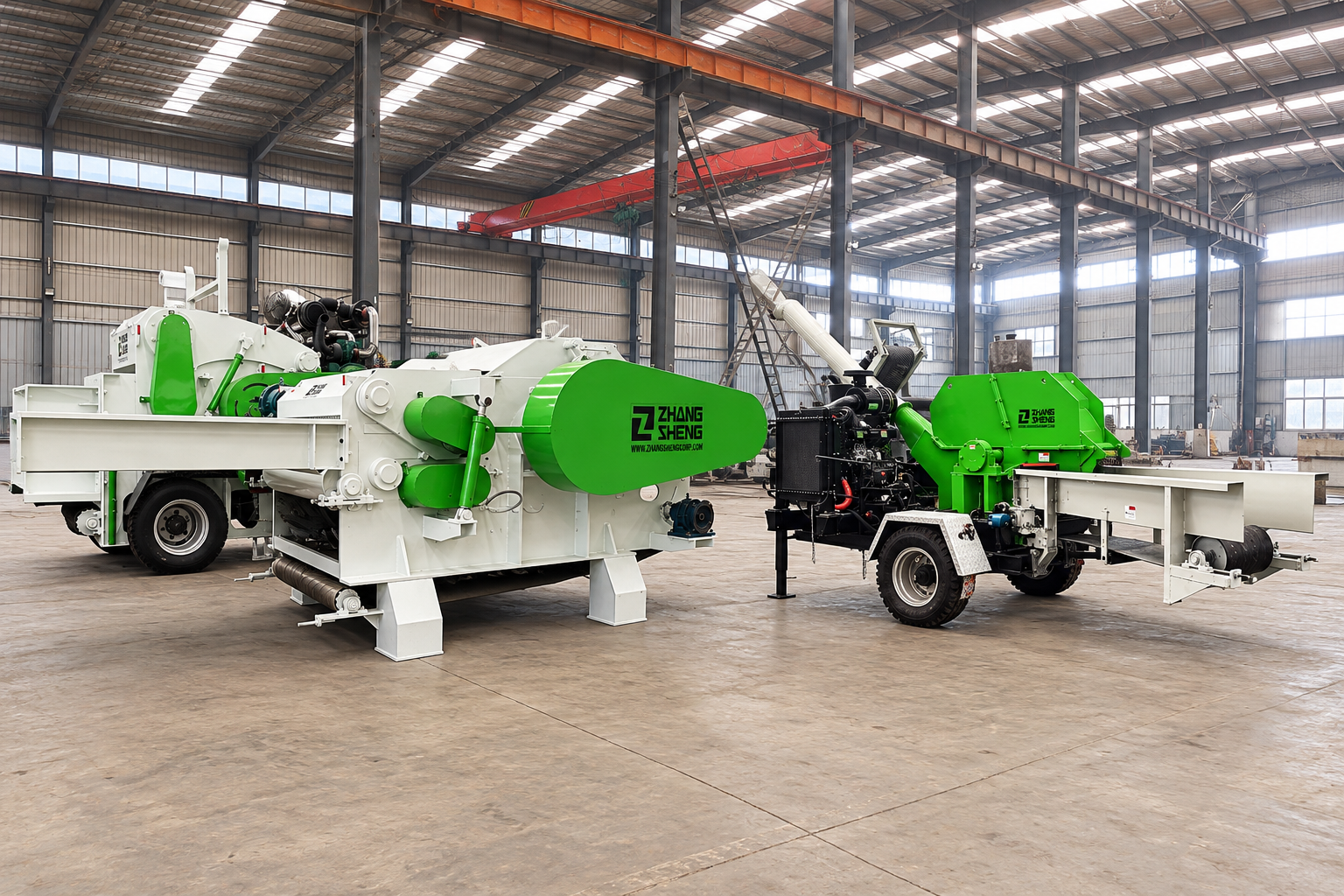
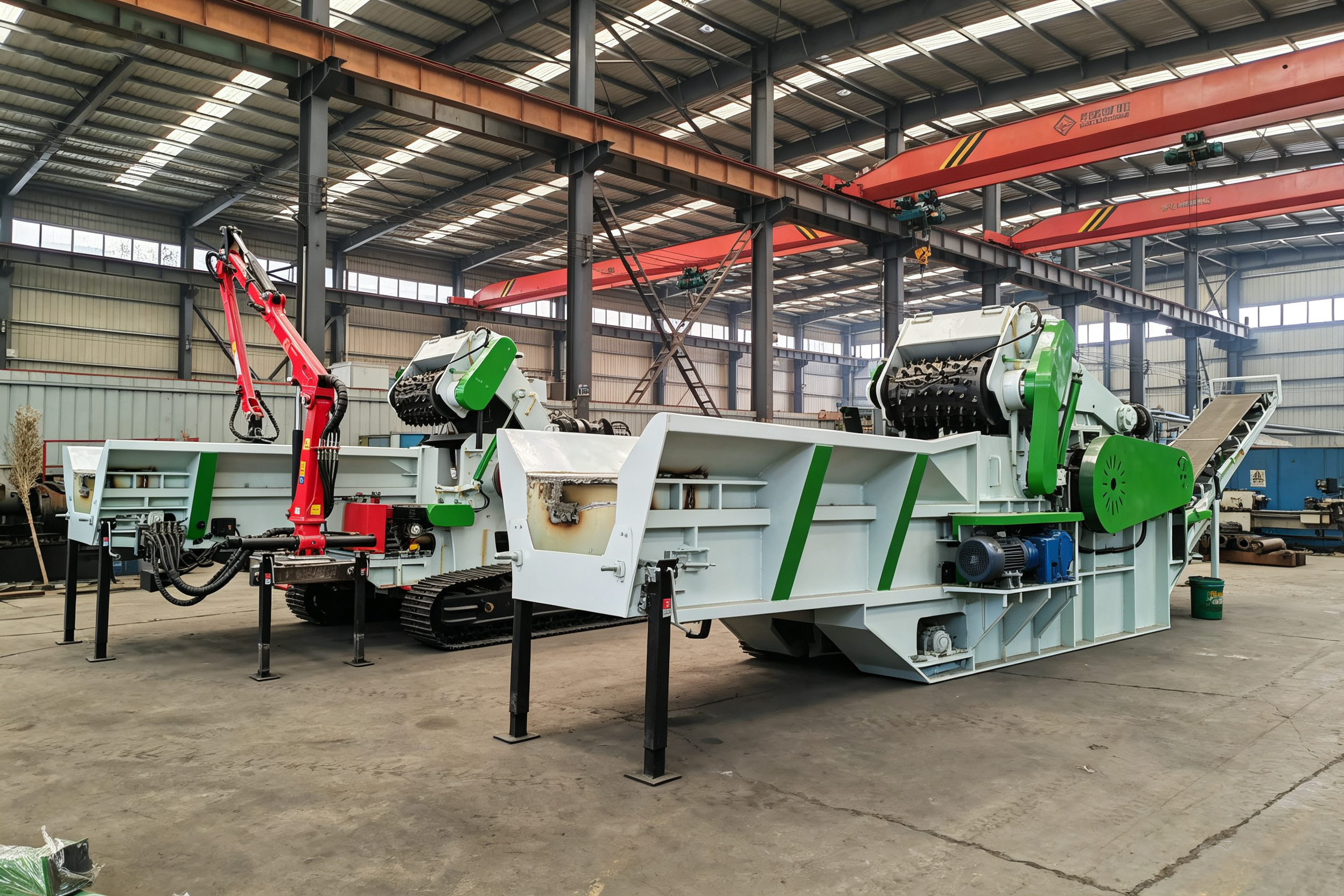
Tirox manufactures more than 15 series and 50+ models of wood processing equipment, with mobile branch chippers positioned as the standard first-fit option for common outdoor branch work. When the goal is field mobility and branch reduction, a mobile industrial wood chipper often makes more sense than a fixed industrial line. On the other hand, fixed systems are justified only when continuous centralized production is required.
Which chipper features matter most for processing small branches efficiently?
A machine can advertise a big number and still perform badly on brushy, leafy trimmings. Poor feeding and hard maintenance usually cause the real losses.
The key features are feed system, cutting design, knife access, discharge layout, power stability, and serviceability. For small branches, a controlled-feed machine often beats a cheaper model with a higher advertised diameter rating.
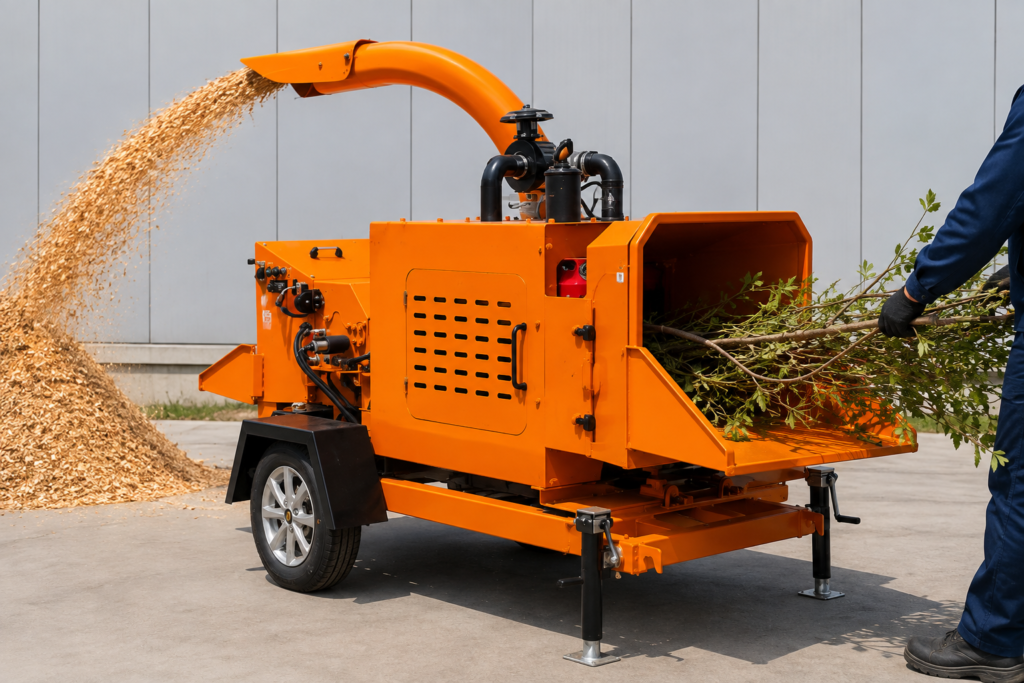
Feed system
Gravity feed may work for straight, dry pieces. However, irregular, leafy, or fresh-cut branches often bridge at the hopper and slow the operator. That is why hydraulic feed is usually the stronger B2B option for small-branch work. It improves pull-in consistency, reduces manual pushing, and helps maintain safer, steadier throughput. A customer once replaced a low-cost gravity-feed unit after repeated plugging on wet trimmings; the switch to a hydraulic-feed design solved the daily bottleneck.
Cutting system
Rotor or drum design, knife durability, and adjustment access directly affect chip consistency and downtime. In small-branch applications, stable cutting matters more than a marketing claim. Better knife access means faster service. Better knife quality means longer intervals before replacement. This is especially important in commercial crews where every hour matters. Buyers researching industrial wood chipper maintenance should compare knife-change access, bearing layout, and lubrication points before comparing price.
Power source and mobility
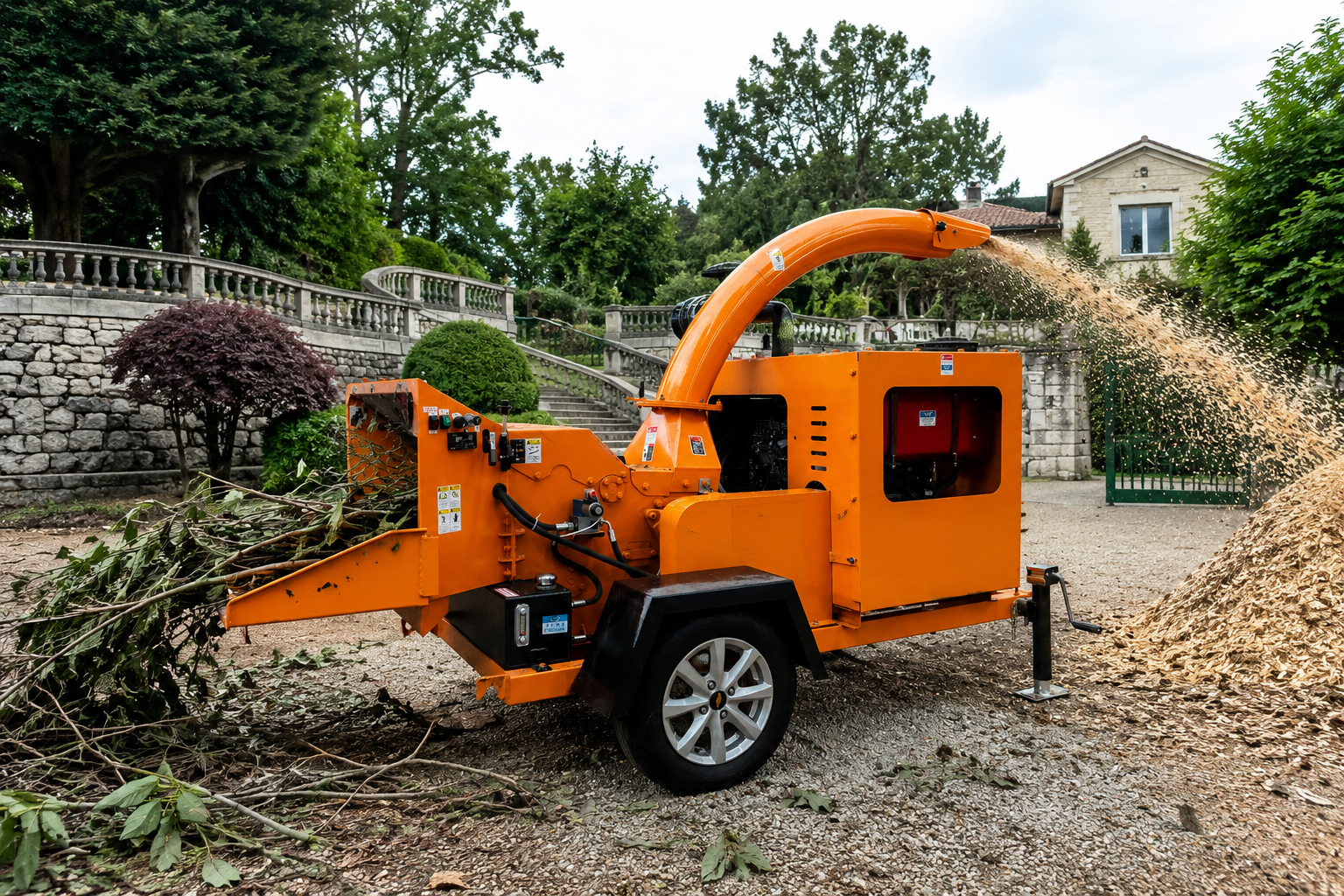
Gas, diesel, PTO, and industrial power setups each fit different sites. Diesel mobile branch chippers generally suit outdoor service crews, forestry maintenance, and field operations. PTO units fit fleets already centered on tractors. Fixed electric or industrial systems fit plants with reliable power and continuous flow. According to Tirox internal business standards, the mobile diesel garden-style branch chipper should be the first product introduced in standard sales scenarios because it covers the broadest branch-processing use cases efficiently.
Maintenance and support checklist
- Feed roller access and anti-clog design
- Knife replacement simplicity
- Bearing and lubrication access
- Spare parts response and lifetime parts supply
- Export compliance such as ISO, CE, TUV, UL, or CSA where relevant
- Local or online after-sales support
Tirox supports international buyers with one-year warranty coverage, lifetime online consultation, and parts replacement support by mail. For overseas procurement, that support credibility can be as valuable as throughput itself. For broader context on wood chippers, high-authority technical references also confirm that feed design and cutting mechanism shape real-world performance.
How do B2B buyers reduce lifetime cost and get better ROI from a small-branch chipper?
A low purchase price can hide high labor cost, frequent clogs, and lost hours. Yet an oversized machine can waste capital and fuel just as easily.
B2B buyers improve ROI by matching the chipper to actual feedstock, volume, labor flow, and chip end use. The best investment is the machine that delivers stable throughput, lower downtime, and practical service support over time.
Look beyond purchase price
Total cost of ownership includes the machine price, wear parts, fuel or electricity, labor time, transport, downtime, and service life. Therefore, underbuying is expensive in a quiet way. It causes repeated clearing of blockages, slower feeding, more operator effort, and faster wear from constant overload. Meanwhile, overbuying ties up capital, increases transport burden, and may be unnecessary for branch-only work.
A Tirox export evaluation for a commercial vegetation customer showed this clearly. Two similarly sized machines appeared close on paper. However, the unit with better feed control, easier knife service, and stronger support produced lower cost per processed ton over the first year. That result was not created by headline capacity. It came from steadier daily output and fewer disruptions.
Use a simple B2B decision framework
| Decision step | Why it matters | What to verify |
|---|---|---|
| Define feedstock | Branches vary widely | Moisture, leaves, forks, vines |
| Confirm daily volume | Prevent underbuying | Peak and normal workload |
| Check power and mobility | Match site reality | Diesel, PTO, electric, towable |
| Request test evidence | Reduce risk | Similar material, real output |
| Evaluate support | Protect uptime | Spares, warranty, response time |
Chip end use also matters. If chips are sold as mulch, sent to biomass, used for compost, or simply used to cut disposal cost, output consistency changes the economics. For many branch-focused outdoor applications, a standard mobile branch chipper remains the best first shortlist option. Conversely, fixed disc or drum systems should be chosen only when production is continuous, output is standardized, or plant-scale centralized capacity is required.
Tirox operates as an integrated factory and exporter focused on land clearing, forestry, and wood recycling solutions, with more than 700 units of annual output capacity and delivery for stocked machines often within 5–10 days. That manufacturing base matters because reliable lead time and parts supply directly influence return on investment as much as horsepower does.
Conclusion
Choose a small-branch chipper by real material, real volume, and real workflow. When feed design, capacity margin, and service support are right, B2B buyers avoid false economy and gain stronger long-term ROI.