
Industrial wood chippers boost productivity, but unsafe or inefficient use leads to downtime and costly repairs. Learn how to avoid these pitfalls and maximize your results.
Safe, efficient wood chipper operation starts with site preparation, machine checks, and strict adherence to safety protocols, ensuring reliable performance and reduced risk for all B2B applications.
Wood chippers are vital for forestry, biomass, and land clearing. I have seen how proper setup and daily routine checks keep operations smooth. If you skip steps, you risk injury, jams, or damaged equipment. To help, I will share my hands-on checklist for every workday. ◆ ◆
How Do You Prepare an Industrial Wood Chipper for Safe Operation?
Neglecting pre-operation routines leads to accidents and breakdowns. I always make site and machine checks a priority to protect my team and equipment.
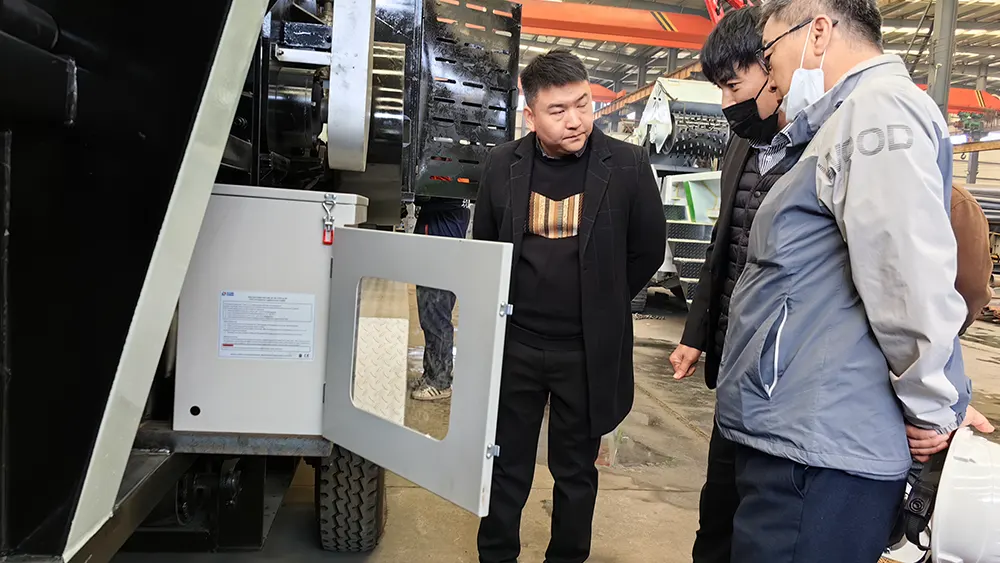
Begin by preparing a level site, clearing debris, and securing the machine. Inspect all bolts, blades, and engine fluids. Wear PPE and review safety controls before every start.
Pre-Operation Safety Checklist
| Step | Details |
|---|---|
| Site Prep | Flat ground, no obstacles, stable placement |
| Machine Check | Tighten all fasteners, inspect blades/knives, check fluids/fuel |
| PPE | Helmet, gloves, eye/ear protection |
| Controls Review | Understand controls, emergency stops, lockout/tagout |
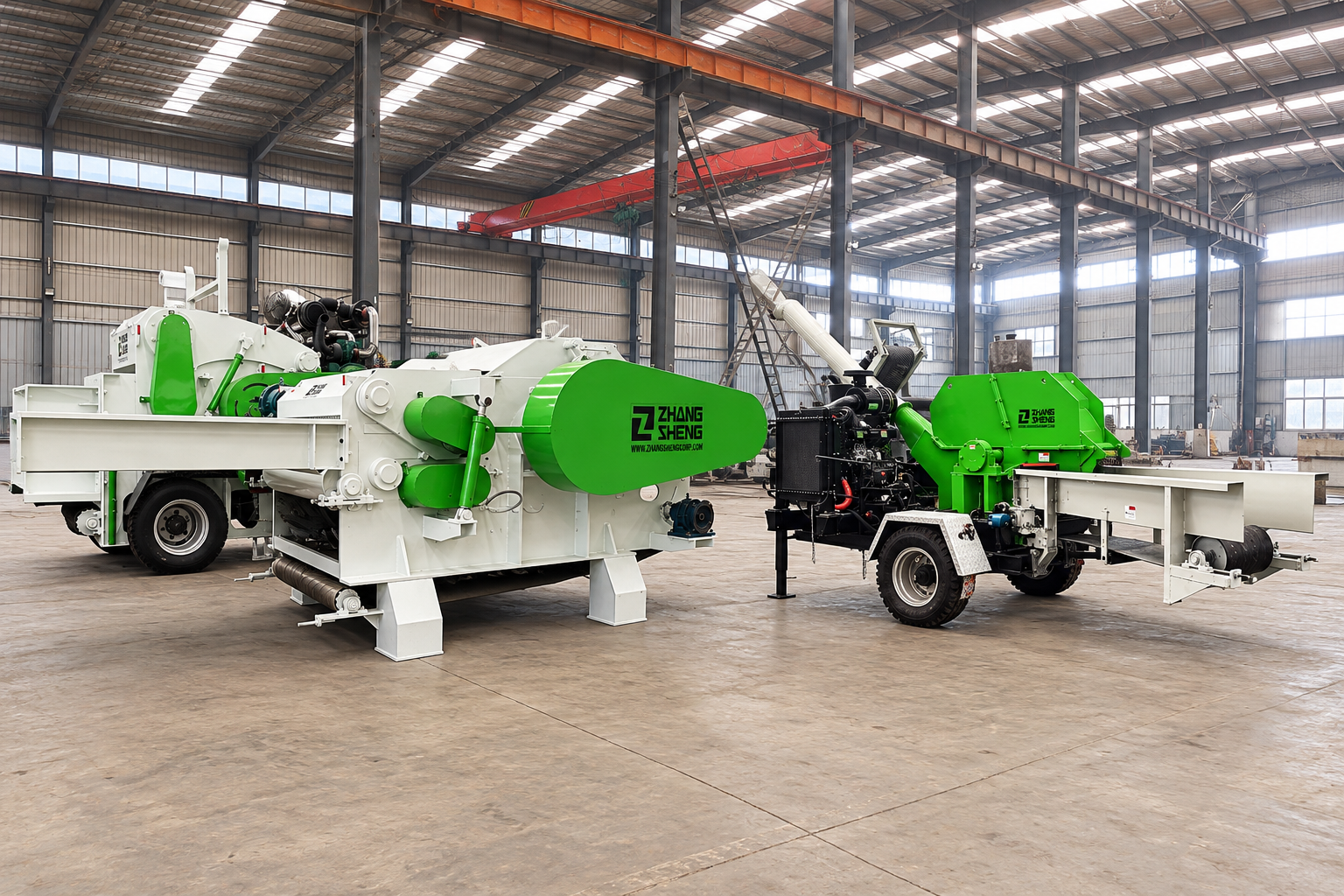
Following these steps keeps operators safe and ensures the chipper runs at peak efficiency. Smart hydraulic feeding systems, like the ones on our industrial wood chippers, adjust feed rates for different wood sizes, preventing jams and boosting throughput. ◆
What Are the Best Practices for Feeding and Material Handling?
Improper feeding causes jams and reduces chip quality. I always clear foreign objects and use safe feeding techniques for reliable operation.
Remove rocks, metal, and unsuitable wood before feeding. Use push sticks, keep hands away, and avoid overloading the infeed for smooth chipping.
Material Handling Tips
| Action | Why It Matters |
|---|---|
| Remove Debris | Prevents blade damage and clogging |
| Use Proper Feed Tools | Protects operator from injury |
| Monitor Output | Ensures chip quality and flow |
I rely on smart feeding and conveyor controls to handle unexpected jams. Our machines include independent conveyor controls, allowing forward, reverse, and stop functions for safe clearing. These features minimize downtime and keep operations efficient. ◆◆
How Can You Troubleshoot Common Chipper Problems Safely?
Jams and wear are common but avoidable. I use specific shutdown and clearing steps to keep everyone safe and equipment working.
Turn off power before clearing jams. Listen for odd noises and check for reduced efficiency. Inspect hydraulics and engine alerts to diagnose issues early.

Troubleshooting Table
| Issue | Safe Solution |
|---|---|
| Jam/Clog | Shut down, follow lockout, clear with tools |
| Unusual Noise | Inspect blades, check for loose parts |
| Efficiency Drop | Sharpen/replace knives, check feed system |
Our smart control panels show oil, water temp, and runtime, letting me spot problems before they stop production. This proactive approach keeps chipper uptime high. ◆ ◆
What Post-Operation Steps Ensure Longevity and Reliability?
Ignoring end-of-day routines shortens chipper life. I always shut down safely, clean thoroughly, and store equipment right.
Let the chipper cool, remove debris, and store in a dry, secure place to prevent corrosion and unauthorized use.
Post-Operation Checklist
| Task | Reason |
|---|---|
| Safe Shutdown | Prevents engine damage |
| Cleaning | Removes sap, chips, residue |
| Proper Storage | Protects from weather, pests, theft |
Routine cleaning and careful storage add years to your chipper’s life. I have found that these simple habits make a big difference in performance and resale value. ◆
Conclusion
Follow these expert routines for safe, efficient chipper operation, maximizing uptime, profitability, and equipment longevity in all B2B applications.