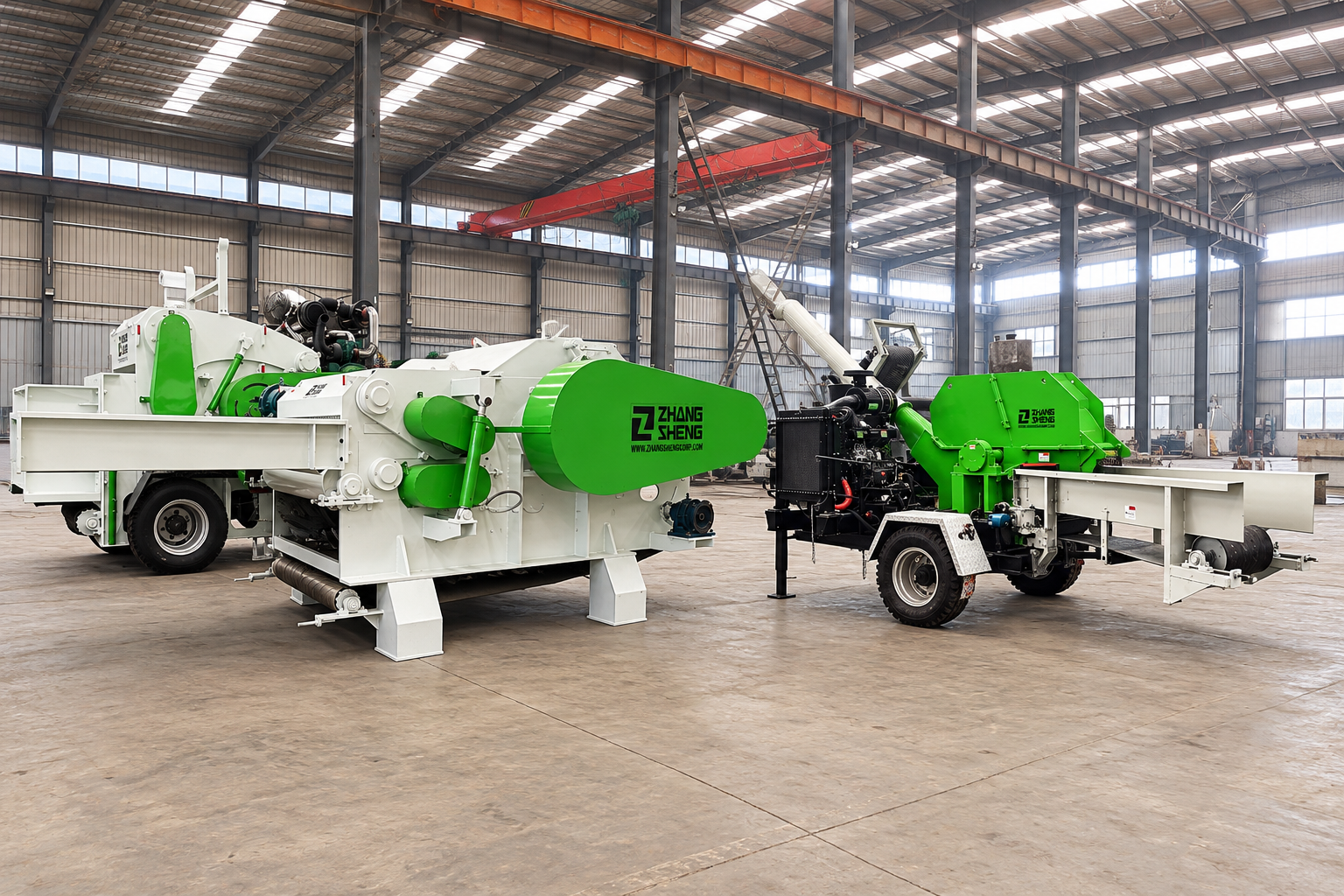
Struggling to pick the right machine for your forestry or recycling project? The wrong choice can mean wasted resources and higher costs.
Industrial wood chippers, shredders, and crushers differ in output shape, working principle, and suitable materials. Choosing the right equipment improves processing efficiency, lowers costs, and matches your business needs.
When I first started in wood processing, I found the equipment landscape confusing. Many buyers feel overwhelmed by technical terms. Understanding the basic differences helps business owners make smarter investments. Let’s break down the core functions and applications. ◆ Jump to TIROX Blog
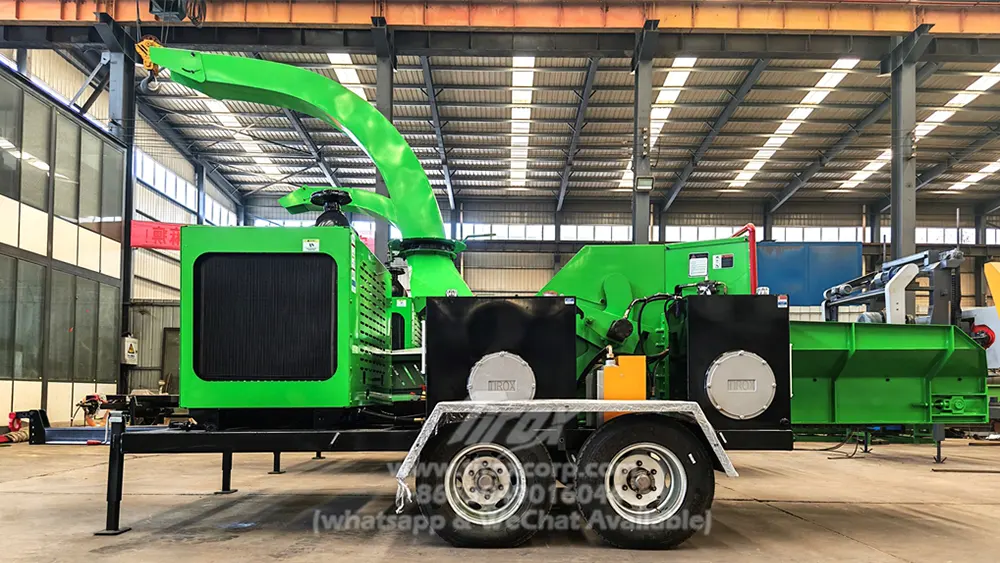
What is the difference between a shredder and a crusher?
Confused by similar machines? Picking the wrong one could leave you with poor output or wasted material.
Shredders tear materials into strips or irregular blocks. Crushers smash material into smaller, granular sizes. Each suits different materials and end uses.
Mechanisms and Output: Breaking Down the Core Differences
| Machine Type | Working Principle | Output Size & Shape | Best For |
|---|---|---|---|
| Shredder | Shearing/Tearing | Strips, Blocks (20-200mm) | Wood, Plastic, Metal Recycling |
| Crusher | Impact/Grinding | Granules, Spheres (5-50mm) | Stone, Biomass, Waste |
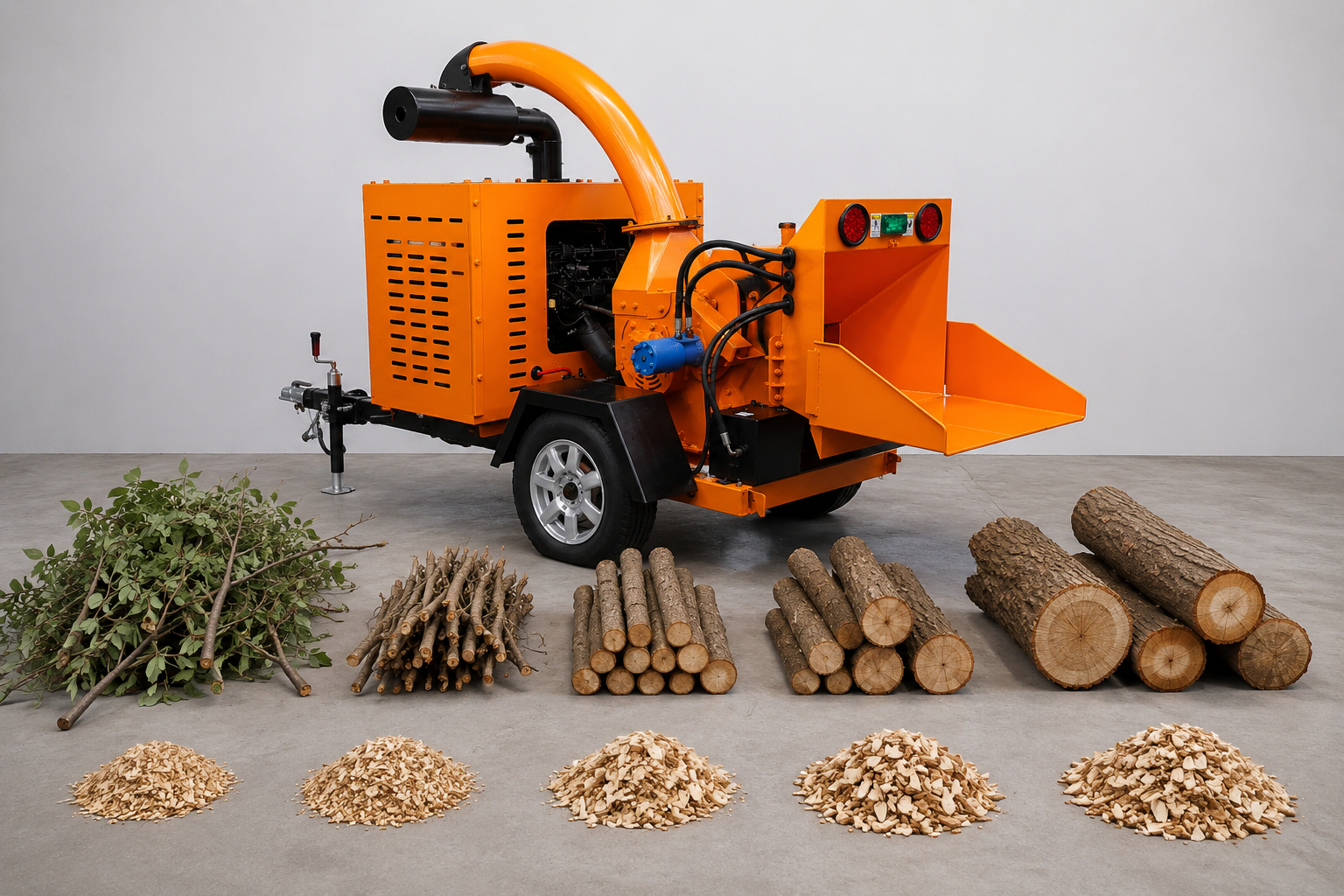
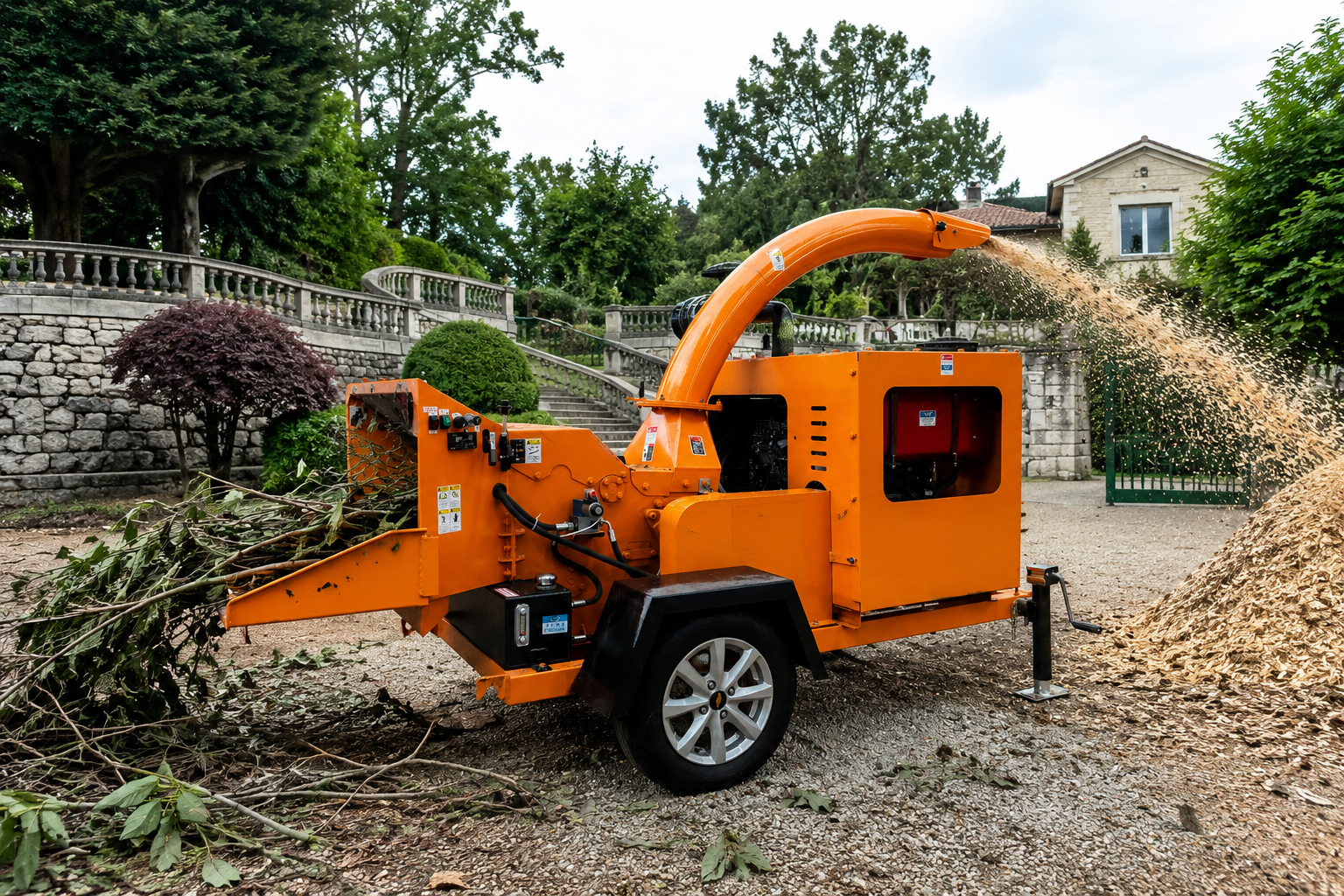
| Wood Chipper | Cutting/Chipping | Chips (10-60mm) | Forestry, Biomass Energy |
When I tested both machines, I noticed the shredder handles mixed waste better, while the crusher is ideal for making raw material suitable for pellet production. For more details, check ◆ Wikipedia on Shredders.
◆ More on TIROX Blog
◆ See TIROX Wood Chippers
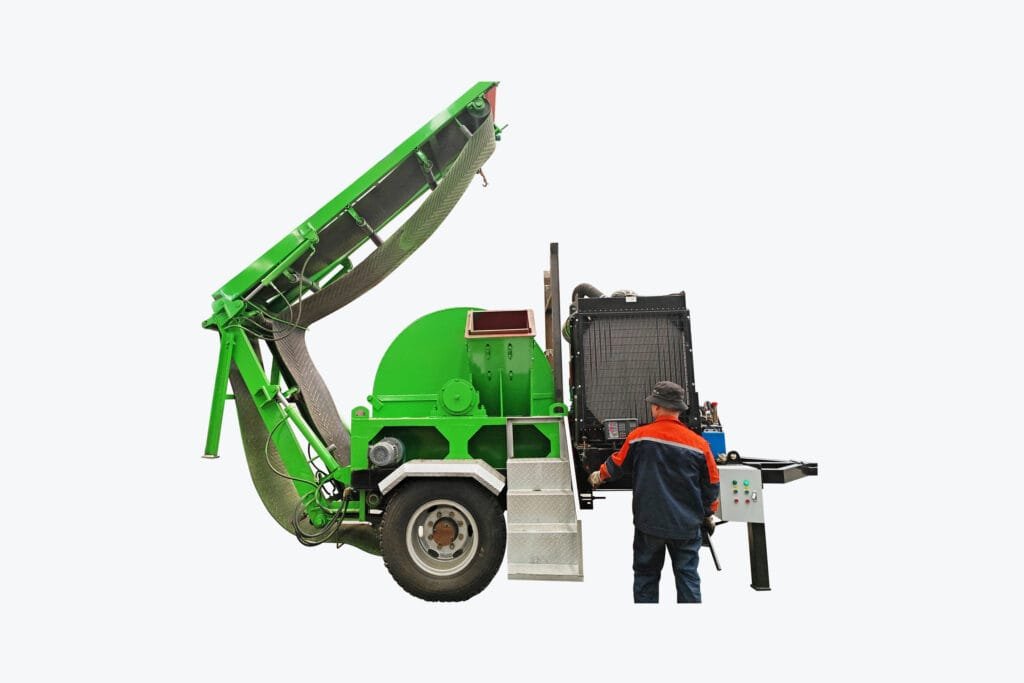
When should you use a wood chipper, shredder, or crusher?
Using the wrong machine for your material type can slow down operations and reduce product quality.
Choose a wood chipper for branch and log processing. Use a shredder for mixed waste or bulky material. Crushers are best for final size reduction or pellet feedstock.
Application Scenarios: Matching Machines to Tasks
| Industry | Typical Material | Best Machine | Reason |
|---|---|---|---|
| Forestry | Logs, Branches | Wood Chipper | Fast chip production for biomass |
| Recycling | Furniture, Mixed Waste | Shredder | Handles large, tough items |
| Biomass Energy | Fine Feedstock | Crusher | Prepares granules for pellet lines |
I remember a project where a shredder saved hours when processing urban wood waste, while a crusher was essential for producing fine biomass fuel. ◆ See discussions at Forestry Forum
What factors should B2B buyers consider when investing in industrial wood chippers and related equipment?
Buying industrial equipment is a big decision. The wrong choice can mean lost time and unexpected costs.
Consider throughput, material compatibility, automation, maintenance, and cost. Evaluate technical specs and after-sales support for the best ROI.
Key Decision Points for B2B Equipment Investment
| Factor | Why It Matters | How TIROX Helps |
|---|---|---|
| Throughput | Higher capacity speeds up projects | Custom solutions for different needs |
| Maintenance | Reliable parts lower downtime | 24/7 support and global service |
| Automation | Simplifies operation | Smart control systems on all models |
| Cost | Fits budget and lowers long-term spend | Competitive prices, high value |
During my time working with B2B clients, I found that TIROX’s smart feeding systems and independent conveyor controls made a big difference in productivity. For product details, visit ◆ Horizontal Grinder Page or ◆ Crusher Wikipedia.
◆ More buying tips at TIROX Blog
Conclusion
Understanding the differences between chippers, shredders, and crushers helps B2B buyers match equipment to business needs for better performance and higher returns.