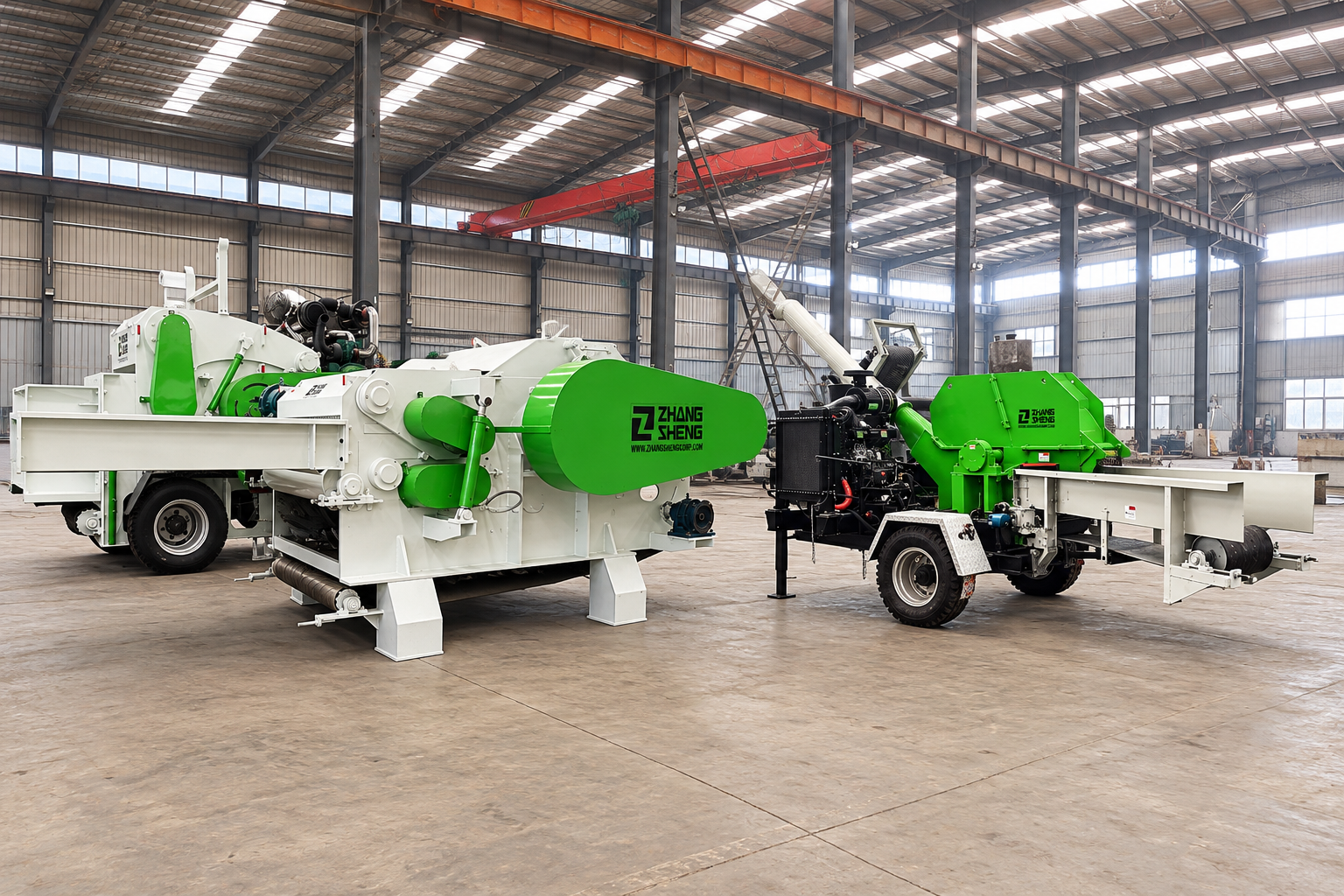
Struggling to keep your crew safe while operating wood chippers? Worried about potential accidents? It can feel overwhelming, but prioritizing safety is essential.
To ensure safe operation of wood chippers, operators should always wear appropriate personal protective equipment, read the user manual thoroughly, and maintain a clear working area.
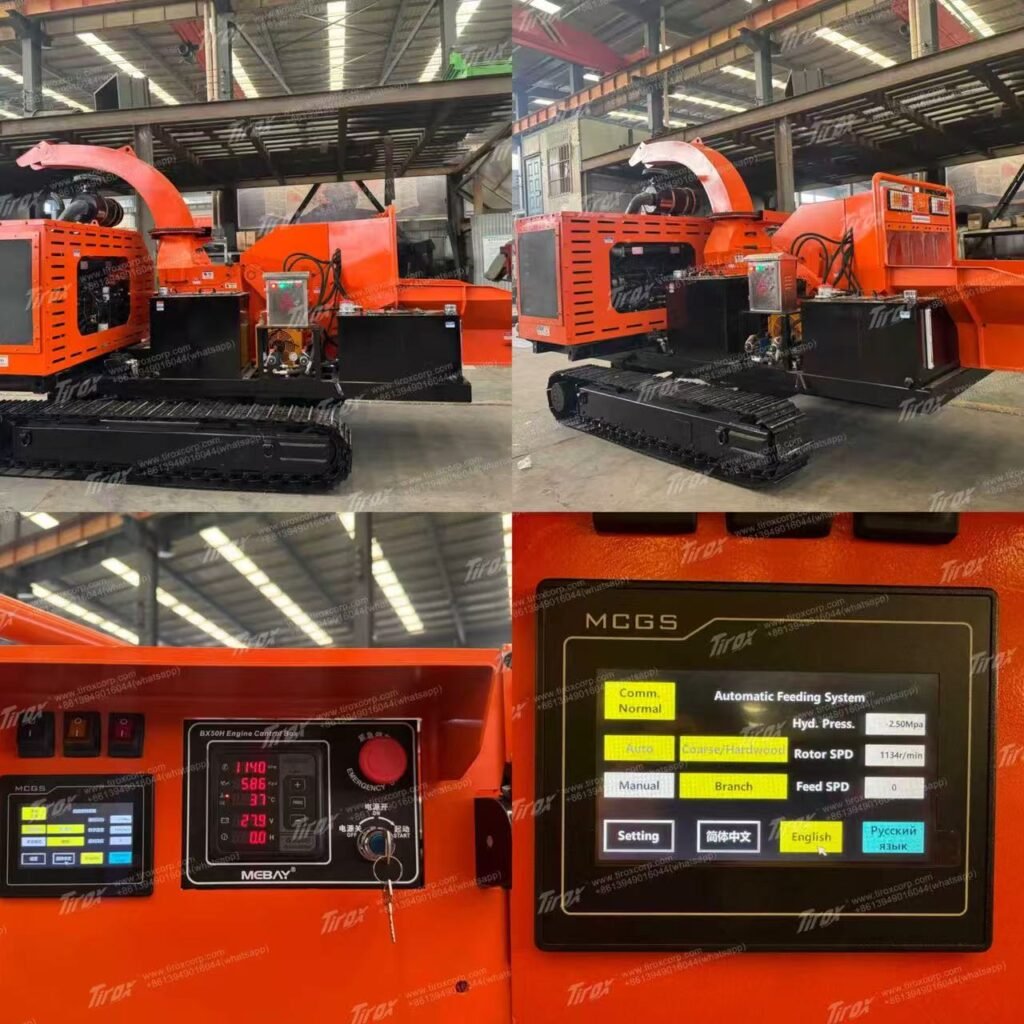
I talk to new customers all the time about the importance of safety when using wood chippers. A customer once called me after a near-miss incident where a branch flew back, narrowly missing an operator. This experience pushed them to reevaluate their safety practices, leading to a significant reduction in workplace injuries. It’s a stark reminder that safety must never be an afterthought.
Why Is Wearing Personal Protective Equipment Crucial for Wood Chipper Operators?
Worried about injuries while operating wood chippers? Neglecting personal protective equipment (PPE) can lead to serious accidents.
Wearing PPE is essential to protect operators from potential hazards such as flying debris and sharp blades during wood chipping operations.
| PPE Type | Main Protection | Why It Matters |
|---|---|---|
| Gloves | Cuts and abrasions | Protects hands during material handling |
| Goggles | Flying debris and dust | Shields eyes from serious injury |
| Ear Protection | Loud machine noise | Helps prevent hearing loss |
| Hard Hats | Falling objects | Reduces risk of head injuries |
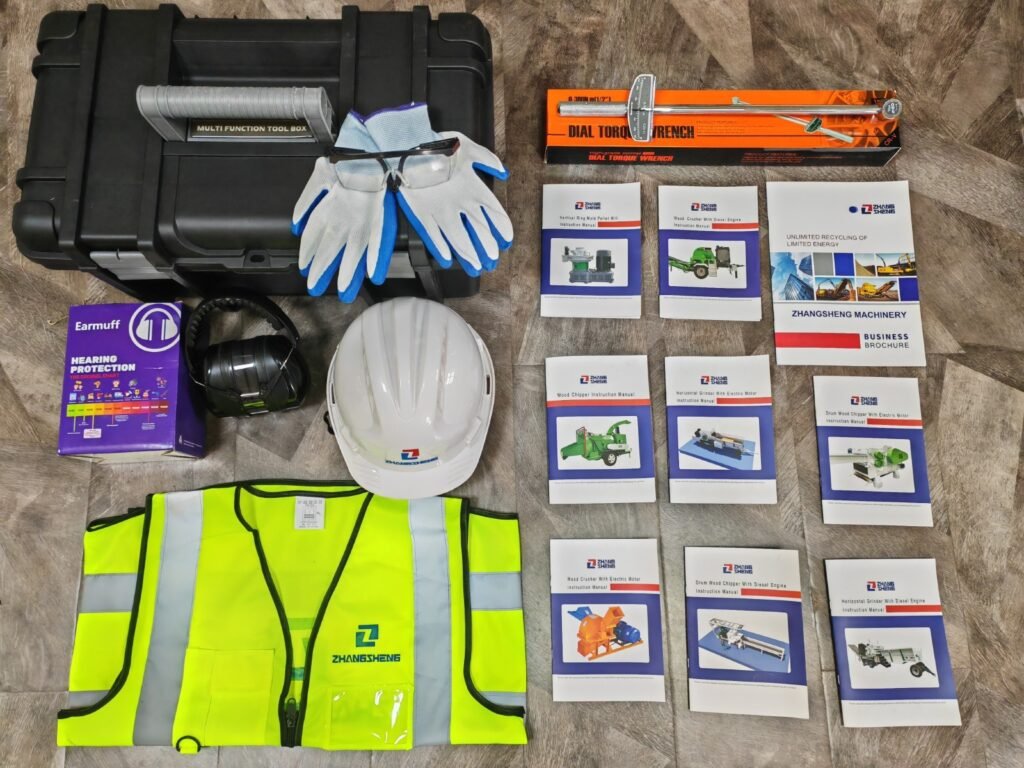
When it comes to wood chipper operations, PPE is your first line of defense. Here’s a breakdown of essential protective gear:
Types of PPE and Their Benefits
- Gloves: Protect hands from cuts and abrasions.
- Goggles: Shield eyes from flying debris and dust.
- Ear Protection: Prevent hearing loss from loud machinery.
- Hard Hats: Protect against falling objects.
Real-life statistics show that wearing PPE can reduce the risk of injury by over 70% in industrial settings^1. I always recommend investing in high-quality gear that meets safety standards. This not only ensures compliance but also provides peace of mind for operators.
How Can Regular Inspections Enhance Wood Chipper Safety?
Are your wood chippers regularly inspected? Failing to conduct inspections can lead to malfunctions and accidents.
Conducting regular inspections ensures that all safety features are functional and that the equipment is in optimal working condition, reducing the risk of accidents.
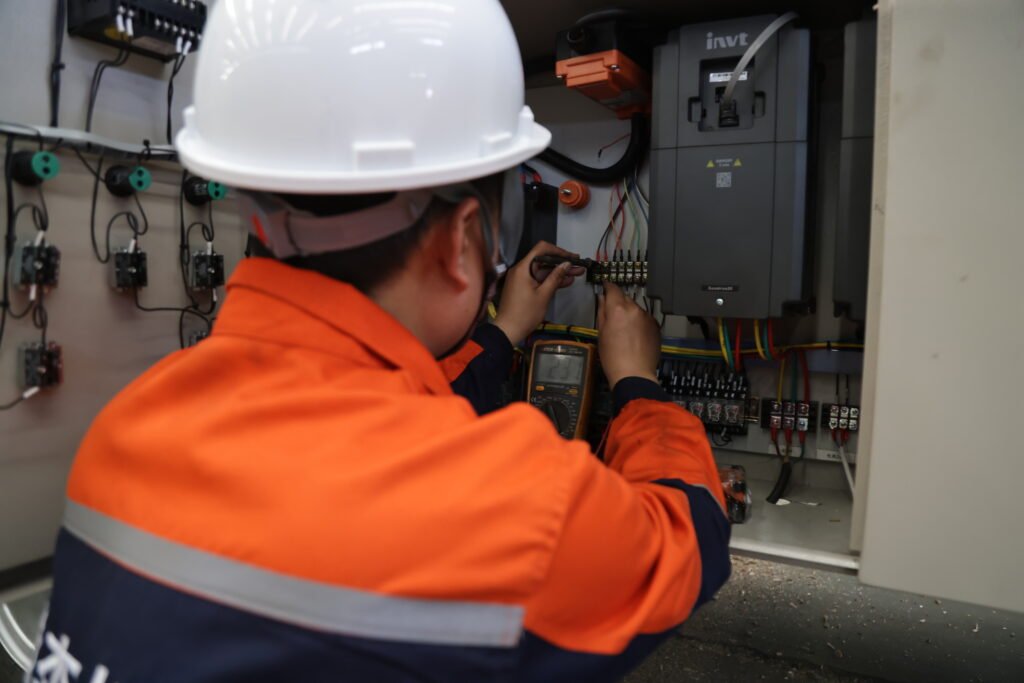
Regular inspections are crucial for maintaining safety standards. Here’s a checklist to follow:
Wood Chipper Inspection Checklist
- Safety Guards: Ensure all guards are in place and secure.
- Blades: Check for dullness or damage.
- Belts: Inspect for wear and proper tension.
- Fuel Leaks: Look for any signs of leaks.
Neglecting these inspections can have dire consequences. I recall a case where a client faced significant downtime due to a malfunction caused by a neglected inspection. Regular documentation of inspections not only helps in compliance but also ensures that your equipment runs smoothly^2.
What Are the Best Practices for Feeding Material into a Wood Chipper?
Are you using the right techniques to feed material into your wood chipper? Improper feeding can lead to jams and costly repairs.
Proper feeding techniques, such as inserting branches with the thicker end first and avoiding metal or wet materials, are vital for safe and efficient wood chipping.
| Safety Area | What to Check | Safety Purpose |
|---|---|---|
| Safety Guards | Ensure guards are in place and secure | Prevents accidental contact with moving parts |
| Blades | Check for dullness or damage | Maintains cutting efficiency and reduces jams |
| Belts | Inspect wear and tension | Prevents machine malfunction |
| Fuel System | Look for fuel leaks | Reduces fire and operational risks |
| Feeding Material | Insert thicker end first | Ensures smoother and safer feeding |
| Material Type | Avoid wet or metal materials | Prevents jams and blade damage |
| Work Area | Keep area clean and clear | Reduces trip and operational hazards |
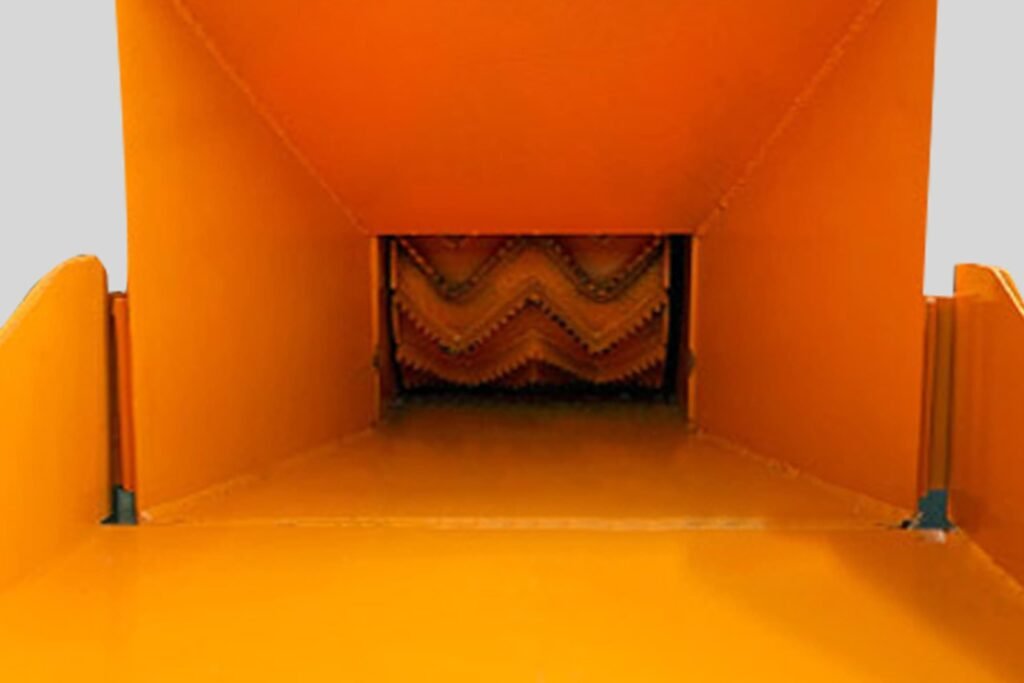
Feeding material into a wood chipper requires careful attention to detail. Here are some best practices:
Safe Feeding Techniques
- Insert Thicker End First: This guides the branch into the chipper more smoothly.
- Avoid Wet or Metal Materials: These can cause jams and damage the blades.
- Maintain a Clean Work Area: Ensure that the area around the chipper is free from debris and hazards.
Training staff on these procedures is essential. I once saw a client incur significant repair costs due to a jam caused by improper feeding. By educating operators on these best practices, you can minimize risks and enhance efficiency^3.
Conclusion
Prioritizing wood chipper safety through PPE, regular inspections, and proper feeding techniques is essential for a safe working environment.