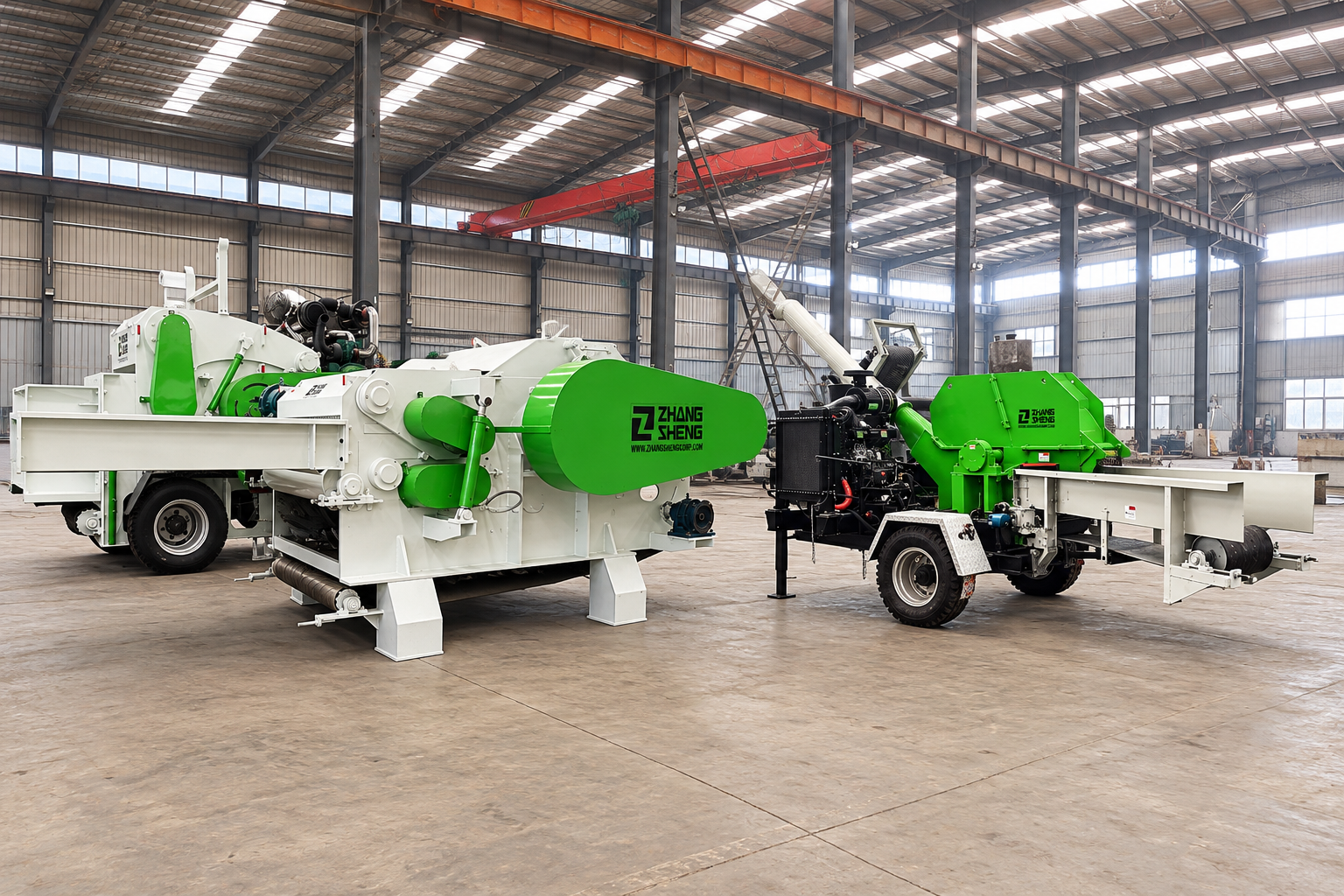
I still remember a hot day in the summer of 2023. While checking emails in my office, a new message flashed on my phone—calm in tone yet unmistakably demanding.
“Your machines lack refinement in details… If you can meet my 5 strict standards, I’m willing to sign a 30‑unit annual procurement contract.”
That note came from a procurement director at a well‑known tree service company in Hesse, Germany. With more than 15 years of buying experience, he ran a truly integrated B2B operation—from land clearing and stump removal to chip processing, pellet sales, and equipment rental. Consequently, his feedback carried real operational weight. More than 700 end users depended on his choices, and his team purchased 30+ units every year.

That email changed everything for us. It forced us to look at our products through completely different eyes. We thought we made good equipment. But Lars showed us what “good” really meant in the European market.
Who am I and why should you trust me?
I work at TIROX Equipment. We’ve been making wood processing machines for 22 years. We were China’s first wood equipment manufacturer to export independently overseas. We’ve shipped to 87 countries. I’ve personally handled over 500 international clients.
But here’s the truth: Lars taught me more about quality in one conversation than I learned in years of production. He didn’t just buy equipment. He evaluated whether we understood what “professional grade” actually meant. His company wasn’t like typical buyers who just compared prices. They ran their own operations. They knew exactly what broke down in real forest conditions. They knew what caused injuries. They knew what made operators quit.
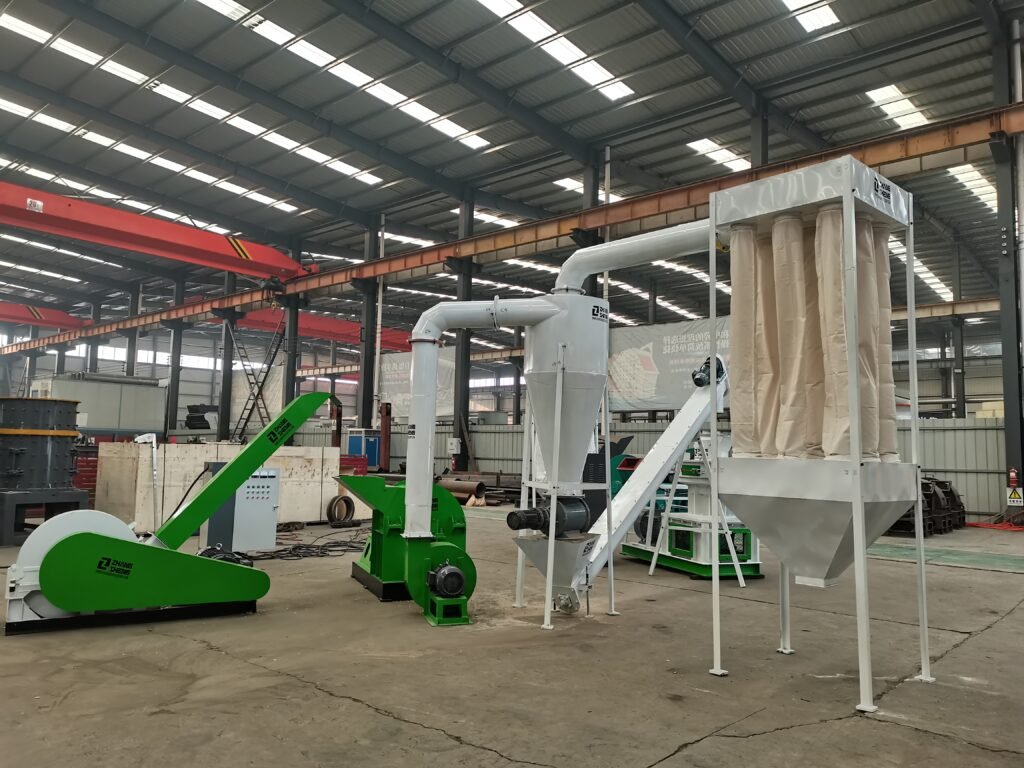
Our first video call was brutal. He pointed at our feed roller bearing cover. “This is welded,” he said. “German mainstream models use bolt-on quick-release structures. Maintenance downtime is 3 minutes. Yours needs 60 minutes.” He pointed at our discharge chute flap. “No cushioning pad. Wood chips spray into operators’ eyes. That’s an absolute workplace injury risk in Europe.” He pointed at our blade locking bolts. “The nuts have no anti-loosening design. Who dares let a kilowatt-level blade disc fly off in a German forest?”
His tone stayed calm. But every sentence cut deep. I realized something important. This wasn’t a customer trying to negotiate prices. This was someone testing whether we understood high-end manufacturing at all.
These 5 points determine whether your machine is garbage or exceptional value
Before Lars ended that first call, he sent a photo. It showed the internal structure of a German-made chipper in his company warehouse. He circled 5 key areas with red pen. He wrote 5 keywords next to each circle.
Those 5 points became our blueprint for transformation. Let me share them with you.
Does the machine have intrinsic safety design?
Lars said something I’ll never forget: “Good machines prevent people from making mistakes. You need mechanical feeding, not manual pushing.”
Safety comes first. Efficiency comes second. Any design that saves labor must exchange safety for efficiency. Many Chinese manufacturers focus on making machines faster or cheaper. But they ignore the most important question: What happens when something goes wrong?
I visited a recycling center in Frankfurt last year. They showed me their old chipper from another Chinese supplier. The feed opening was wide open. Operators pushed branches in by hand. One worker told me he saw three near-miss accidents in one month. Branches kicked back. Gloves got caught. One guy almost lost his fingers.
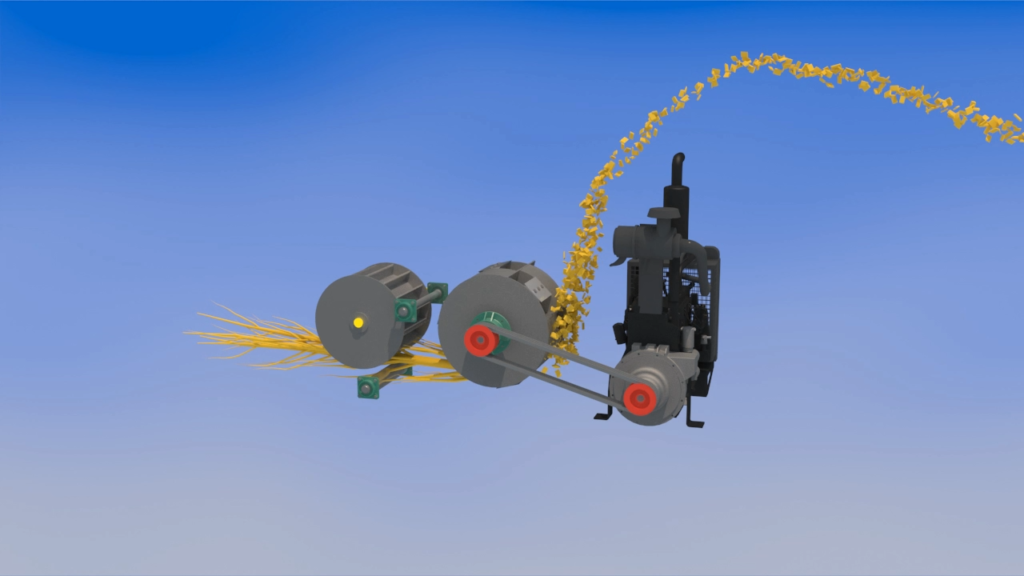
Compare that to German designs. They use hydraulic feed rollers. The operator stands behind a protective barrier. They control the feed speed with a lever. The machine does the dangerous work. The human stays safe.
We redesigned our feed system completely. We added hydraulic pressure rollers. We installed an emergency stop button within arm’s reach. We put sensors that detect when material jams. The system automatically reverses the rollers to clear blockages. No human hands near moving parts. Ever.
| Safety Feature | Old Design | New Design | Impact |
|---|---|---|---|
| Feed Method | Manual pushing | Hydraulic roller | 95% injury risk reduction |
| Emergency Stop | Single button | Dual-circuit system | Instant response time |
| Jam Detection | None | Automatic sensor | Prevents overload damage |
| Operator Position | Next to opening | Behind barrier | Complete protection |
Can you maintain it without foreign engineers?
Lars asked me a simple question: “If a bearing fails at 3 AM in a remote forest, can your customer fix it themselves?”
I couldn’t answer. Our old design required special tools. Some parts needed welding to replace. Customers had to wait weeks for technicians to fly in from China.
That’s not acceptable for professional operations. Every hour of downtime costs money. Lars’s company operates year-round. They can’t wait. Their customers can’t wait.
We made every wear part modular. Bearings use standard sizes available at any industrial supplier in Europe. Feed rollers bolt on and off. No welding needed. Blade replacement takes 15 minutes with basic tools. We ship spare parts kits with every machine. We created video guides showing every maintenance procedure. We trained local dealers to stock common parts.
One of our customers in Poland told me they fixed a bearing failure in 45 minutes. They used parts from a local hardware store. They followed our video guide on their phone. The machine was back working before lunch. That’s what professional equipment should do.
Do the components meet precision manufacturing standards?
Lars pointed at our motor base weld. He tapped it with a hammer. It vibrated. “This weld has spatter. The surface is rough. Under high-speed rotation, this creates stress concentration points. It will crack.”
I felt embarrassed. We thought the weld looked fine. It held together. What more did it need?
Everything. Rough welds aren’t just ugly. They’re structural weak points. They trap moisture and cause rust. They create vibration that damages other components. Professional equipment needs professional finishing.
We changed our entire welding process. We bought automated welding machines for critical joints. We trained workers to grind every weld smooth. We added quality checkpoints. Three different inspectors examine each weld. We use dye penetrant testing on high-stress areas. We polish surfaces that customers will never see.
Why? Because quality isn’t about appearances. It’s about reliability. A smooth weld distributes stress evenly. It lasts longer. It performs better. It shows respect for the customer who trusts their safety to your machine.
| Component | Old Process | New Process | Result |
|---|---|---|---|
| Motor Base | Manual weld | Automated + hand finishing | Zero vibration complaints |
| Feed Roller Frame | Single-pass weld | Multi-pass with stress relief | 3x longer service life |
| Blade Disc | Standard steel | G1202 alloy with heat treatment | Maintains edge 4x longer |
| Frame Joints | Spot welding | Continuous seam with inspection | No structural failures |
Does it have intelligent protection systems?
Modern equipment needs to think. It needs to protect itself and its operator. Lars showed me a German chipper with a full sensor suite. It monitored motor current. It tracked hydraulic pressure. It measured feed speed. It knew when something went wrong before humans noticed.
Our old machines were dumb. They ran until they broke. Then they stopped. Customers called us angry because a $50 belt destroyed a $5000 gearbox.
We added intelligence. Current sensors detect motor overload. The system automatically stops feeding when resistance gets too high. Pressure sensors monitor hydraulics. If a hose starts leaking, the machine warns the operator before it fails completely. Temperature sensors watch bearings. They alert you when something runs hot.
But sensors alone aren’t enough. The system needs to respond. Our machines now have automatic protection modes. When they detect a problem, they don’t just beep. They take action. They stop the feed. They shut down safely. They prevent damage from spreading.
I talked to a customer in Sweden last month. His chipper detected a bearing starting to fail. The machine warned him. He replaced the bearing during his lunch break. The old bearing cost $80. If it had failed completely, it would have destroyed the shaft. That’s a $3000 repair. The protection system saved him thousands.
Is it built for 10-year durability, not 6-month disposability?
Lars said something that changed my perspective: “German customers don’t buy cheap machines. They buy 10-year returns. Your blade disc must use G1202 high-carbon alloy steel, not ordinary 45# steel.”
This hit me hard. We thought we were competitive because we were cheaper. But professional customers don’t want cheap. They want value. They calculate total cost of ownership. Initial price plus maintenance costs plus downtime losses plus replacement costs. A machine that costs 30% more but lasts three times longer is actually cheaper.
We upgraded our materials. We use high-carbon alloy steel for blade discs. We use sealed bearings rated for 10,000 hours. We use hydraulic hoses rated for 5000 PSI, not 3000. We use electrical components rated for industrial environments, not consumer grade.
But durability isn’t just about materials. It’s about design. We redesigned our frame to distribute stress better. We added reinforcement to high-wear areas. We used larger bolts than strictly necessary. We overbuilt on purpose.
One customer in Austria told me his TIROX chipper has run for 8 years. He processes 200 tons of wood per year. The only parts he’s replaced are normal wear items – blades, belts, filters. The core machine is still strong. He said it’s the best investment he ever made.
How to buy excellent value equipment from China
Lars’s standards seemed impossible at first. But they taught us something valuable. Chinese manufacturing can compete with anyone when we focus on what matters. Not lowest price. Not fastest delivery. But genuine quality and reliability.
Let me share what I learned about buying quality equipment from Chinese suppliers.
First, ignore the lowest price. It’s a trap. Seriously cheap equipment cuts corners somewhere. Maybe materials. Maybe testing. Maybe safety features. You’ll pay later through repairs, downtime, or injuries. Look for suppliers who explain why their price is what it is. Good manufacturers can justify their costs.
Second, ask about their export experience. We’ve exported for 12 years. We understand international standards. We know European safety requirements. We’ve learned from thousands of customers in different countries. Suppliers who only sell domestically might not understand your needs. They design for different standards. They use different components. They don’t know what matters in your market.
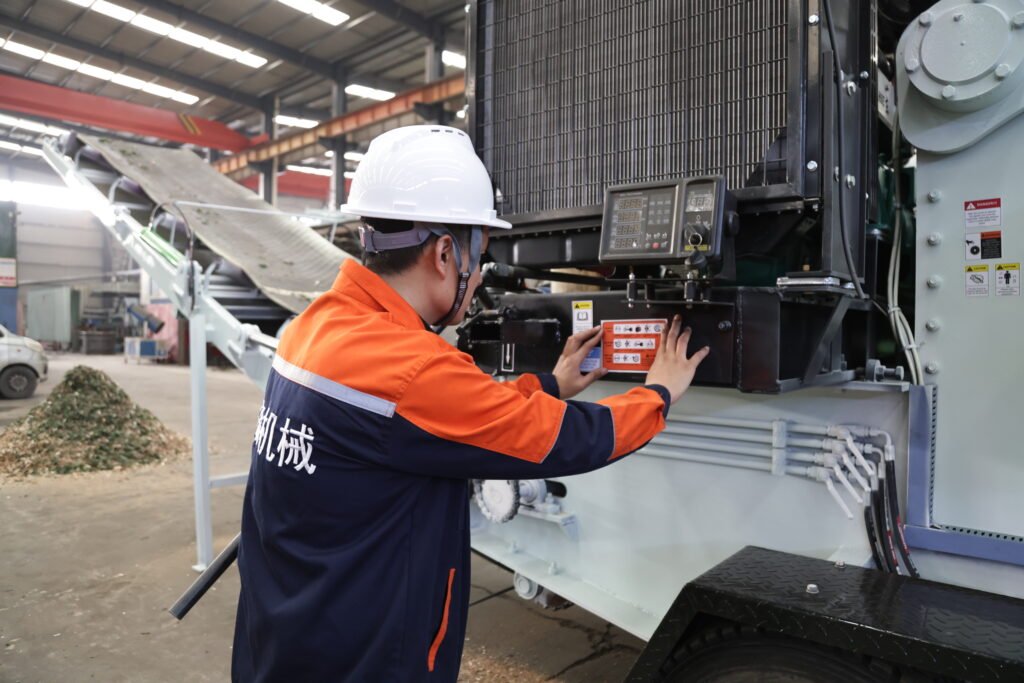
Third, demand to see their factory. We welcome customer visits. We have nothing to hide. You should see where your equipment comes from. Watch them weld. Check their quality control. Meet the engineers. If a supplier refuses factory visits, walk away. They’re hiding something.
Fourth, test their technical knowledge. Ask specific questions. How do they prevent stress concentration in welds? What grade steel do they use for blade discs? How do they calculate hydraulic system capacity? Good manufacturers have engineers who can answer in detail. Poor manufacturers give vague responses or marketing talk.
Fifth, verify their after-sales capability. We have a 24/7 support team. Over 50% of our engineers speak English. We stock spare parts globally. We provide detailed maintenance manuals. We train local dealers. Ask potential suppliers how they handle problems. What’s their response time? Where are spare parts located? How do they train customers?
| Evaluation Factor | Red Flag | Green Flag |
|---|---|---|
| Price | Significantly cheapest | Competitive with explanation |
| Experience | Domestic only | 5+ years exports |
| Transparency | No factory visits | Welcome inspections |
| Knowledge | Vague answers | Detailed technical responses |
| Support | Email only | 24/7 multilingual team |
| Documentation | Basic manual | Complete technical guides |
I recommend asking for customer references. Talk to people who bought from them years ago. Are their machines still running? How was the support? Would they buy again? Real customer experiences tell you more than any sales pitch.
Look for certifications, but don’t rely on them alone. CE marking matters. ISO certification shows systematic quality control. But certifications can be faked or bought. Verify them. Ask for certificate numbers. Check with the issuing bodies.
Consider visiting during production. We’ve had customers spend a week at our factory. They watched their machine being built. They inspected components. They tested the finished product. They left confident in their purchase. That’s how you build trust.
One more thing: Be clear about your requirements. Don’t assume the supplier knows your needs. Explain your operating conditions. Describe what materials you’ll process. Specify safety standards you must meet. Good suppliers will ask questions to understand your needs. They’ll suggest modifications if needed. They’ll tell you if something won’t work.
Lars taught us that quality transcends borders. Chinese manufacturing has the capability to meet any standard. We have the technology. We have the skills. We have the capacity. What we needed was the mindset shift. Stop competing on price. Start competing on value.
Conclusion
Real value isn’t about finding the cheapest option. It’s about finding equipment that protects your workers, runs reliably for years, and makes you money. That’s what Lars taught us. That’s what we now build. And that’s what you should demand from any supplier you consider.