
Got a pile of bamboo to clear? Chipping it seems simple, but it often leads to clogs and dangerous kickback. I’ll show you how to do it right.
Yes, a wood chipper can shred bamboo, but it’s not like chipping wood. For best results, you must pre-cut bamboo into shorter segments, slow down the feed roller speed, and mix it with wood branches to prevent the long fibers from wrapping around the rotor and causing clogs.
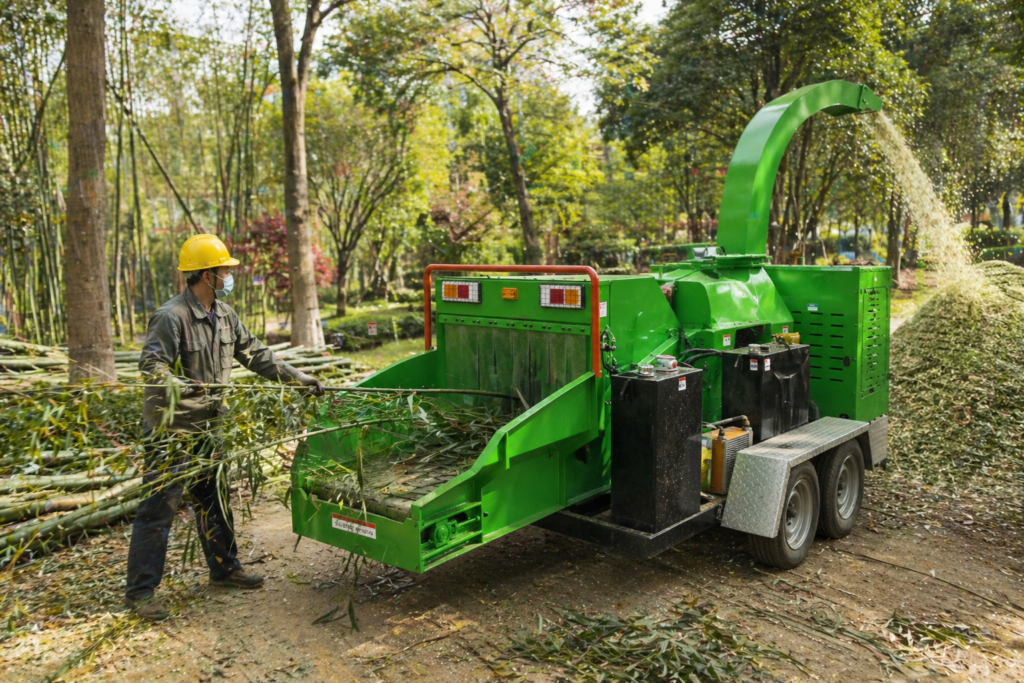
The short answer is yes, but the real story is in the details. I’ve spent years on the factory floor and talking to customers about this very issue. The difference between a successful job and a frustrating mess of downtime is understanding how bamboo behaves inside a machine. Let’s get into the specifics I’ve learned from countless demos and after-sales calls.
Why is chipping bamboo different from chipping wood?
You feed bamboo into your chipper like any other branch. Suddenly, it jams the rollers and kicks back dangerously. Let’s explore why bamboo isn’t just “woody grass” to a machine.
Bamboo is different because it’s a hollow grass with long, stringy fibers, not solid wood. These fibers wrap around feed rollers and the cutting drum instead of cleanly chipping. Its hollow structure and hard nodes also increase the risk of dangerous kickback during feeding.
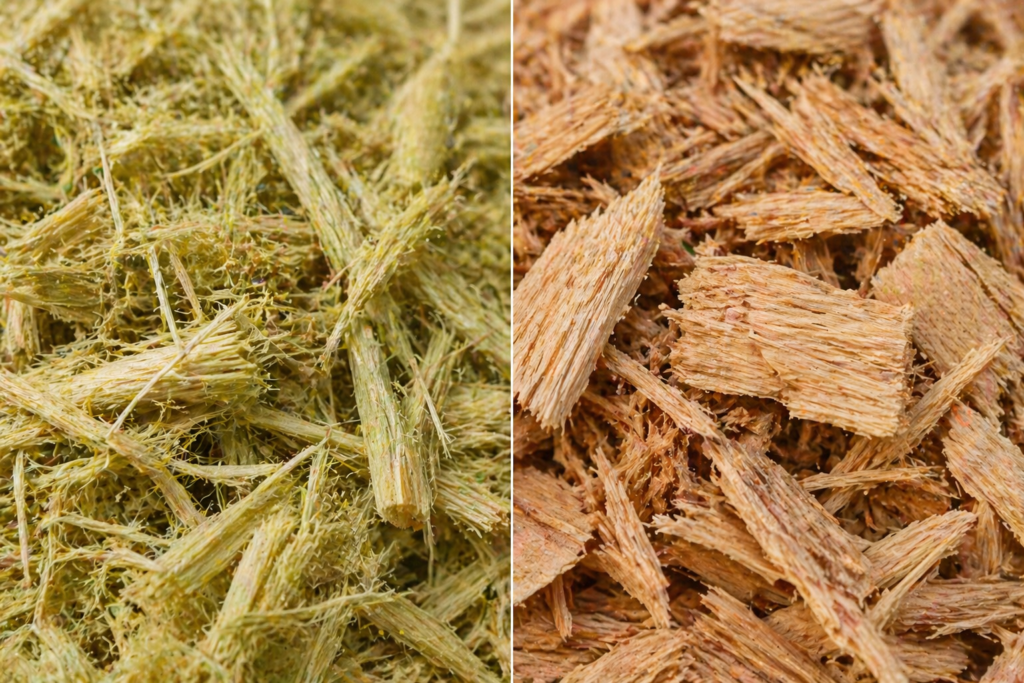
The biggest mistake I see is treating bamboo like an ordinary log. It’s not. The problem lies in its biology. Unlike solid wood with cross-linked fibers, bamboo has long, parallel fibers that run the length of the culm. When you chip it, these fibers tend to peel away like string cheese instead of fracturing into neat chips. This is why they wrap so easily around rollers and the rotor. The hollow structure also makes it unstable in the feed hopper, which can lead to violent and unpredictable kickbacks, especially with long pieces.
| Feature | Wood (e.g., Pine Branch) | Bamboo Culm | Chipping Impact |
|---|---|---|---|
| Structure | Solid, dense | Hollow, segmented | Bamboo is lighter, kicks back more easily |
| Fibers | Short, cross-linked | Long, parallel | Bamboo fibers wrap, wood fibers chip |
| Nodes | Knots (dense) | Hard rings (diaphragms) | Bamboo nodes can dull blades faster |
| Moisture | Evenly distributed | High in green culms | Green bamboo is more fibrous and prone to wrapping |
I’ve seen this firsthand. During a test run with our YL1053 model, a client tried to feed a whole 3-meter green bamboo pole. The feed rollers grabbed it, but instead of chipping, the fibers started winding around the roller shaft like fishing line on a reel, bringing the whole operation to a halt. We had to spend 20 minutes reversing the feed and cutting the fibers out by hand. This is why preparation is non-negotiable.
Which wood chipper is right for your bamboo?
You have a job that includes bamboo, but which chipper should you use? Picking the wrong one means constant jams with a small machine or overspending on a large, underutilized one.
For occasional bamboo mixed with other green waste (up to 25 cm diameter), a mid-size drum chipper like our YL1063 is suitable. If bamboo is a primary and continuous material (up to 35 cm), you need a larger, high-torque machine like our YL1585 to handle the load.
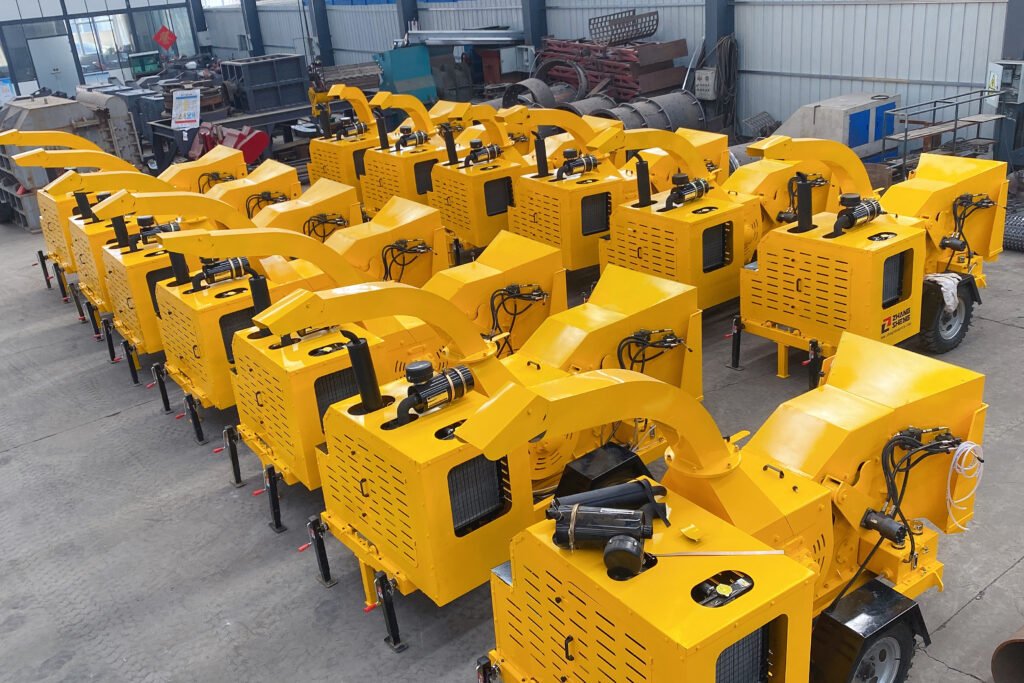
Choosing the right machine is all about matching power and design to your specific workload. From my experience, I can tell you that we don’t recommend our smaller models like the YL600 for bamboo because they simply lack the torque to pull it through consistently without stalling. You need to start with our mid-range machines for any serious work.
Scenario-Based Machine Selection
- Mixed Landscaping Debris: If you’re a tree care company and bamboo makes up less than 30% of your daily load, with diameters under 25 cm, our ZSYL-1053 or ZSYL1063 models are a good fit. They have the necessary power, but you absolutely must use the adjustable feed speed to slow things down. Don’t just jam it in at full speed.
- Dedicated Bamboo Processing: For large-scale clearing or biomass operations where bamboo is the main material, you have to step up. Our ZSYL-1263 or ZSYL-1585 models are designed for this kind of heavy, continuous work. The ZSYL-1585, with its standard 2.2-meter feed conveyor and massive 235HP engine, provides the control and brute force needed to process larger culms (up to 35 cm) without constant strain. A customer in the Philippines uses our ZSYL-1585 for exactly this, and they reported a significant drop in downtime compared to their previous, smaller machine.
- Extremely Fibrous Material: If you’re dealing primarily with very green, leafy, or stringy bamboo species, a standard drum chipper might not be the best tool. In these cases, a horizontal grinder is often a better choice because its hammer-based grinding action tears material apart rather than slicing it, which is much more effective against long fibers.
How can you make bamboo chipping stable and safe?
So you have the right machine, but the bamboo still wraps and jams. This downtime is frustrating, and the kickback is a real safety hazard. Here are the essential steps we teach every customer.
Stability comes from preparation and technique. Always pre-cut bamboo into segments under 1.2 meters. Importantly, make angled cuts through the nodes. Reduce your feed speed, ensure blades are sharp, and mix in regular wood branches to prevent the long fibers from wrapping.
Turning “possible” into “profitable” is all about your operating procedure. I can’t stress this enough. After selling hundreds of these machines, I can tell you that operators who follow these steps have far fewer problems and much safer workdays.
My Four Rules for Chipping Bamboo
- Pre-Process Everything: Never feed a long bamboo culm into a chipper. Cut everything down to segments of 1 to 1.2 meters. This is crucial for safety, as it dramatically reduces the whip-like kickback potential. More importantly, use a saw to make angled cuts that go through the nodes. This breaks the tube’s integrity and helps it collapse and shear properly.
- Slow Down the Feed: Speed is your enemy here. Use the hydraulic feed control to reduce the roller speed. This allows the drum to make more cuts on each section of bamboo, producing smaller chips and preventing the rollers from yanking in long, stringy fibers faster than the drum can process them. Our machines with intelligent feed systems are great for this, as they can automatically manage the feed rate.
- Maintain Your Blades: Sharp blades are non-negotiable. Dull blades will tear and pull fibers instead of cutting them, which is the primary cause of wrapping. Check your blade-to-anvil gap and keep it set to the tighter end of the manual’s recommendation. And let me be clear: never try to change the blade angle yourself.
- Create a Mixed Diet: Don’t feed the chipper a pure diet of bamboo if you can avoid it. Mix it with regular tree branches. We’ve found a ratio of about 30-50% bamboo to be effective. The woody material helps to break up the bamboo fibers and provides more substance for the chipper to process, cleaning the chamber as it goes. We also advise operators to stop the machine every hour for a quick visual check to clear any minor wraps before they become a major clog.
What should you expect from bamboo chips and the chipping process?
You’ve followed all the steps and are chipping bamboo. But if you expect perfect wood chips and zero issues, you might be disappointed. Let’s set some realistic expectations for the outcome.
Expect a less uniform chip than you get from wood. Our screenless chippers will produce some longer strands and fines mixed in with the 5–35 mm chips. Also, plan for faster blade wear and be prepared to manage risks like clogs and kickback proactively.
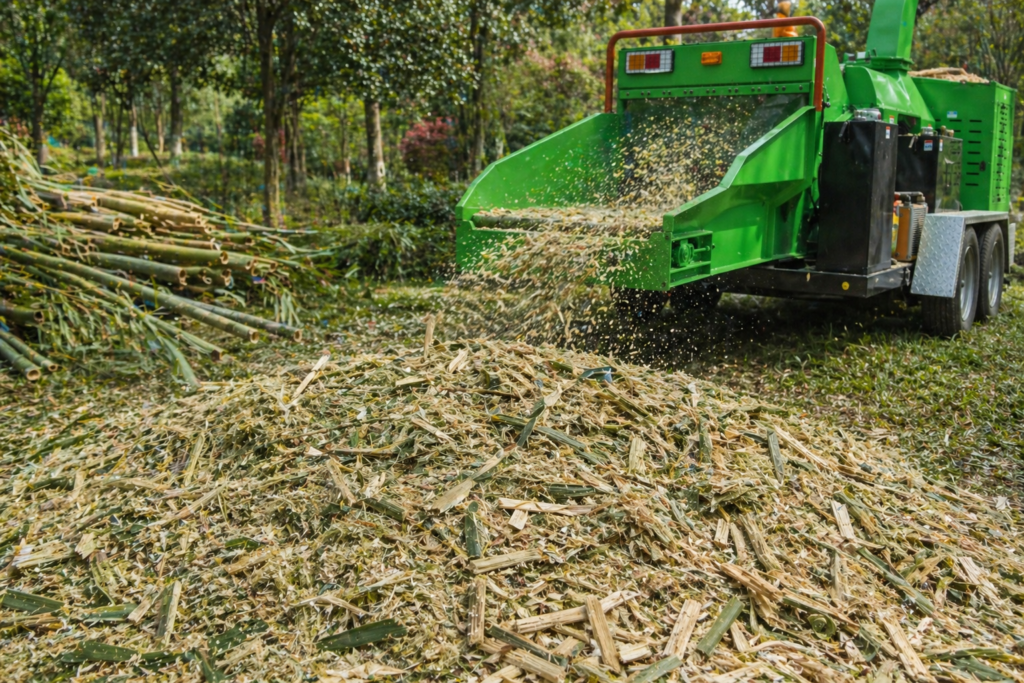
Even when you do everything right, chipping bamboo has its own unique outcomes and challenges. It’s important to go into the process with your eyes open to avoid frustration.
First, let’s talk about the final product. Our drum chippers are screenless by design to maximize throughput and prevent clogs with wet material. While they produce a standard 5-35 mm chip from wood, bamboo output is different. You will always get more stringy pieces and fine, dusty material mixed in. This is perfectly fine for biomass or compost, but if you need highly uniform chips for premium landscaping mulch, you may need a separate screening process after chipping.
Second, be prepared for increased maintenance. Bamboo is notoriously hard on blades because it contains high levels of silica, which is basically microscopic sand. It will dull your blades faster than most woods. We often recommend that customers who process a lot of bamboo or hardwood upgrade to our tougher A8B material blades.
Finally, you must actively manage risk. The chance of a clog or kickback is never zero. The steps I outlined reduce the risk, but operators must remain vigilant. I always tell my clients, “Following the user manual isn’t just a suggestion; it’s your best protection against downtime and accidents, and it’s essential for keeping your warranty valid.”
Conclusion
In summary, chipping bamboo is entirely possible. Success depends on treating it like the unique, fibrous material it is, using the right techniques, and choosing the right machine for the job.