
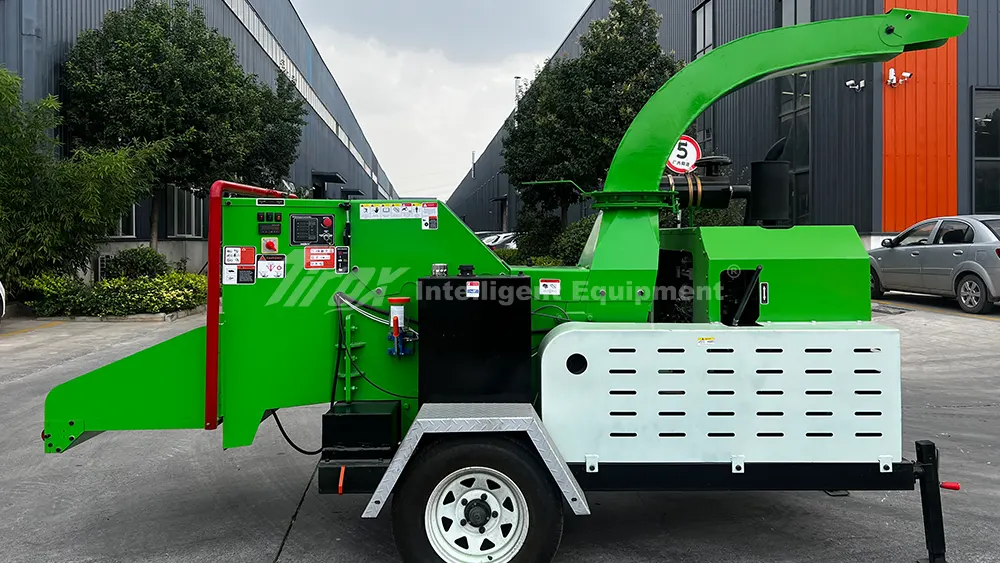
If you think a wood chipper can handle any waste, you risk costly damage and safety hazards. Discover the real limits of wood chippers for B2B use.
Wood chippers are engineered specifically for fibrous, brittle wood. Attempting to shred plastic in these machines can cause jams, blade damage, fires, and serious safety risks. For plastic, dedicated industrial shredders are essential to protect your investment and workforce.
Many industrial users believe their wood chipper should process all types of waste for convenience. However, the design differences between wood chippers and shredders make this approach risky and expensive. Keep reading to learn why matching the right equipment to your material stream matters for safety and efficiency. 🔖
Industrial Wood Chippers vs. Plastic: Why Are Dedicated Shredders Essential for B2B Safety & Efficiency?
Trying to chip plastic with a wood chipper can result in machine failure, fires, and operator injury. Purpose-built shredders are necessary for safe, efficient plastic processing.
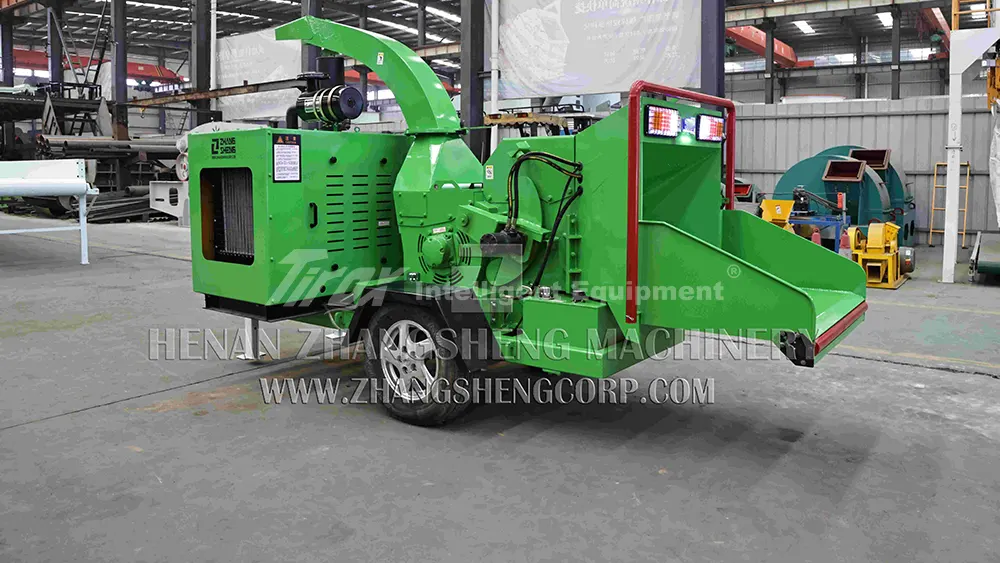
Wood chippers rely on heavy-duty knives or drums designed to cut through wood’s grain and fibers. Plastic, with its elastic and melting properties, resists cutting and instead stretches or melts, which dulls blades and strains motors. The difference in tensile strength and melting point means plastics often jam the system or create airborne microplastics. See more details on industrial shredder design 🔖.
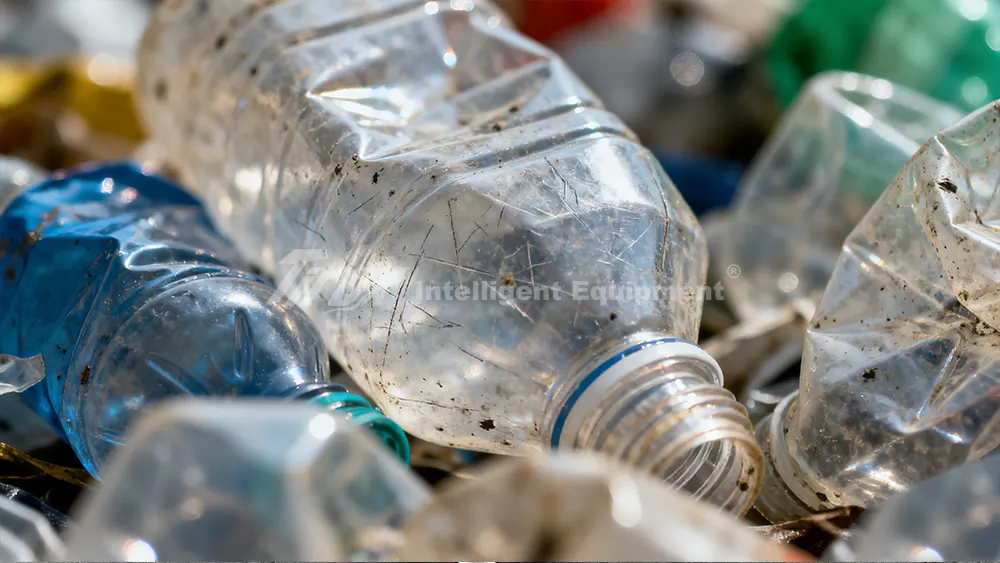
Key Differences Between Wood Chippers and Plastic Shredders
| Feature | Wood Chipper | Plastic Shredder |
|---|---|---|
| Target Material | Wood, branches | Plastic films, rigid plastics |
| Blade Type | Knives/drums | Rotating cutters, slow-speed |
| Mechanism | Shearing, crushing | Shredding, tearing |
| Heat Tolerance | Low (friction heats wood) | High (designed for plastic) |
Dedicated shredders offer controlled particle size, minimal dust, and optimize throughput for plastic. The right machine protects both your operators and your investment. 🔖
What Are the Safety Risks of Putting Plastic in a Wood Chipper?
Plastic in a wood chipper can cause blade breakage, motor burnout, fire hazards, and operator injury. The risks far outweigh any short-term convenience.
Plastic can melt from heat generated inside the chipper, leading to fires or toxic fume release. Blades dull quickly, and jams force operators to intervene, risking injury from flying debris or kickback. Microplastics may also contaminate the work area, posing long-term environmental concerns. Visit safety forums for real-world incidents 🔖.
Common Hazards When Chipping Plastic
| Hazard | Impact |
|---|---|
| Blade Damage | Costly repairs, reduced machine life |
| Fire Risk | Melting plastic, ignition risk |
| Operator Injury | Flying debris, jams |
| Contamination | Microplastics in chips |
My own experience as a manufacturer has shown that improper material handling leads to frequent downtime and expensive repairs. 🔖
How Does Improper Material Input Affect B2B Operations?
Feeding plastics or other foreign objects into wood chippers decreases efficiency, increases downtime, and can void your warranty, impacting your bottom line.
Jams and breakdowns slow processing, require expensive maintenance, and may contaminate chip output. If you process wood for biomass, plastic fragments can make chips unusable for fuel. Manufacturer warranties rarely cover misuse, so the financial loss can be significant. Learn more about warranty policies 🔖.
Operational Impact Table
| Issue | Consequence |
|---|---|
| Frequent Jams | Reduced throughput, lost production time |
| Blade Replacement | Increased parts cost, downtime |
| Warranty Issues | Voided coverage, full repair costs |
| Compromised Output | Lower product value, rejected batches |
My customers often report that a single incident of improper material can result in days of lost revenue and major headaches. 🔖
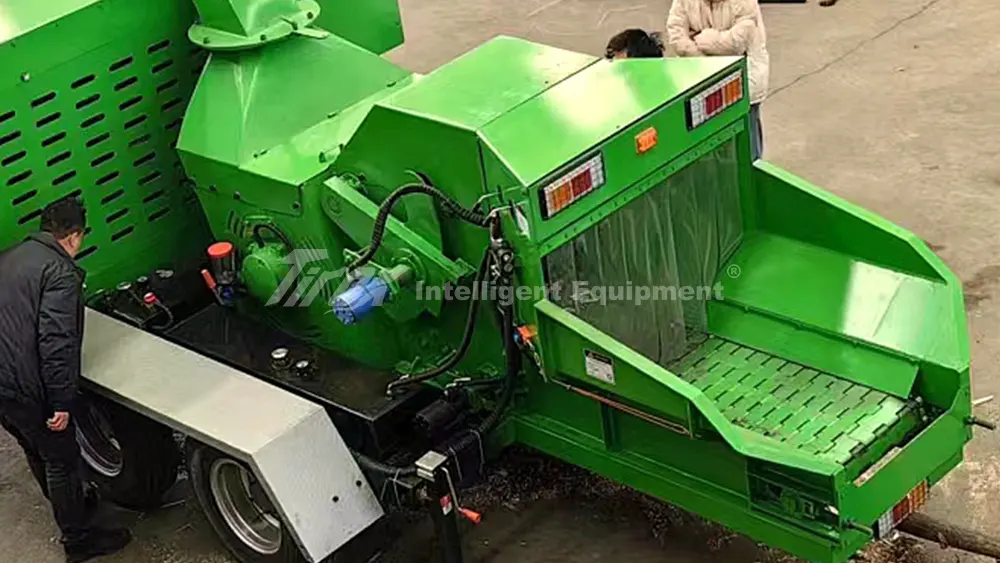
What Are the Best Solutions for Industrial Plastic Waste Management?
Industrial sites should use dedicated plastic shredders and robust pre-sorting systems to handle plastic waste safely and efficiently.
Segregating materials at the source ensures each waste stream is processed by the right machine. Single-shaft, two-shaft, and four-shaft shredders are designed for diverse plastic types, optimizing safety and output. Investing in purpose-built equipment offers long-term ROI and avoids unnecessary maintenance. Check out more plastic shredder options 🔖.
Recommended Plastic Shredder Types
| Shredder Type | Best For |
|---|---|
| Single-Shaft | Films, small plastic parts |
| Two-Shaft | Mixed plastics, moderate size |
| Four-Shaft | Bulky, tough plastics |
Implementing strict pre-sorting protocols and investing in the right machinery can transform your waste management strategy. 🔖
Conclusion
Matching the right machine to the right material is essential for safety, efficiency, and sustainable B2B operations. Choose wisely to maximize uptime and output.