
A cleared surface can hide hard roots, buried metal, and future grading trouble. I see many land projects get expensive because the first choice was too simple.
I remove stumps and roots safely by first deciding the real goal: surface cleanup, regrowth control, or full land reuse. Then I match grinding, excavation, mulching, crushing, or outsourcing to stump size, soil condition, terrain, buried risks, and the next use of the land.
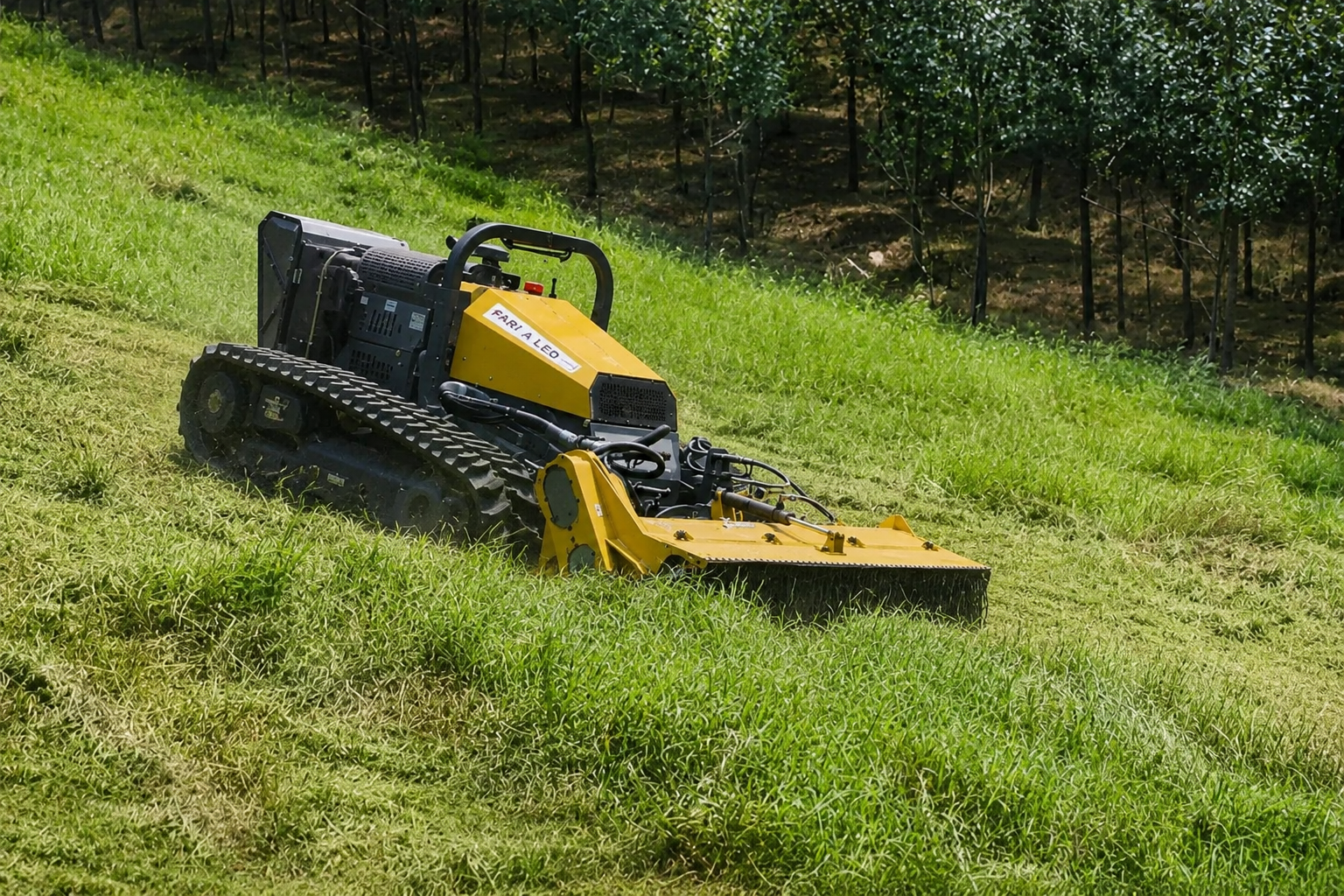
From an equipment-selection point of view, not as a stump-removal contractor, I often discuss projects with farm owners, land managers, and dealers. Over time, I have learned that the safest plan is not always simply choosing the strongest machine. The safest plan is the one that fits the site and avoids rework.
Do I really need to remove the whole stump and root system?
Many people ask me how to “remove a stump,” but they often mean three different jobs. I have to separate the goal before I can suggest any machine path.
A stump is the visible wood above or near the ground. A root system is the underground structure. I only choose full root removal when the land needs deep grading, paving, replanting, drainage work, or construction. Surface grinding may be enough for simple appearance and mowing access.
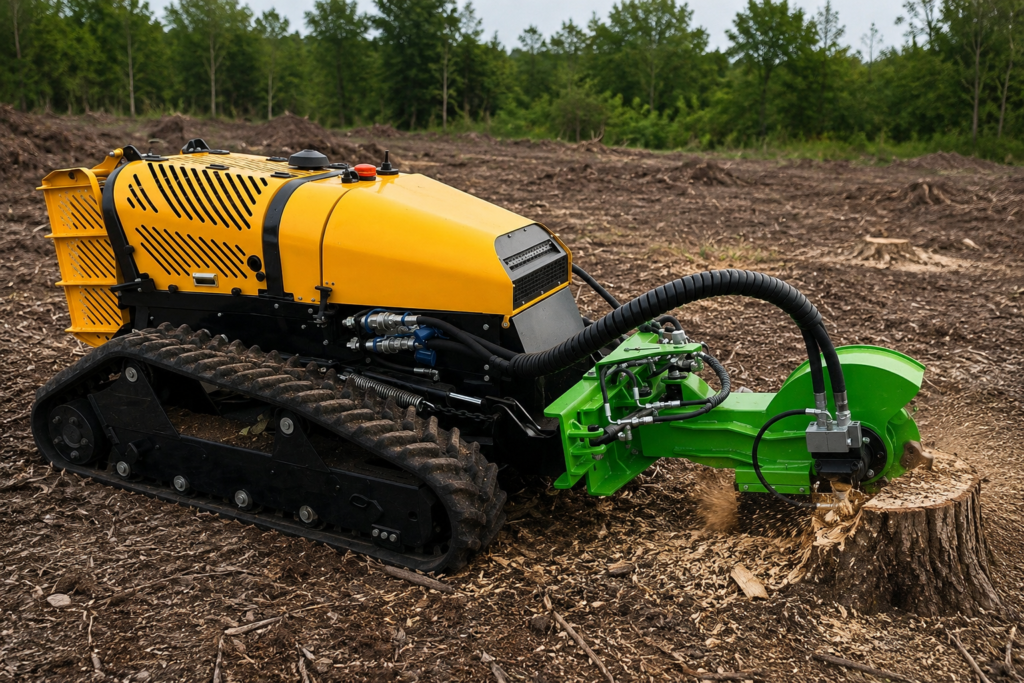
I usually start with the future use of the land. If a farm owner only wants to mow a field edge, full root removal may be unnecessary, but if a plantation owner wants to replant in the same row, remaining roots can interfere with soil preparation. If a contractor wants to pave, hidden roots can decay later and create sinking ground. These are different problems.
| Real Goal | What I Usually Focus On | Common Method Direction | Main Risk If I Choose Wrong |
|---|---|---|---|
| I want the surface to look clear | The stump height and surface obstruction | Stump grinding or cutting close to ground | Roots may remain and affect future work |
| I want to reduce regrowth | The living root system and species | Grinding plus follow-up control or full removal | Shoots may return later |
| I want to reuse the land deeply | Roots, soil, drainage, and grade | Excavation, backhoe work, or professional land clearing | Ground may settle or block machines later |
I do not treat a stump and a root system as the same job. A stump grinder can make the surface usable faster, but it does not always remove the full root network. An excavator can pull more material, but it disturbs soil and creates holes that need backfill. A forestry mulcher can help clear brush, saplings, and surface woody material, but it is not a magic tool for dirty buried roots. This is why I ask about the end result first. The “easy” method is the one that causes the least trouble after the machine leaves.
Which site conditions decide the safest removal method?
I see buyers compare engine power first. I understand that habit. But stump and root removal depends more on the site than the machine label.
The safest method depends on stump diameter, root spread, soil type, slope, buried objects, moisture, access space, and the next land use. I check these factors before I compare equipment size, because hidden site problems create most machine damage and safety risk.
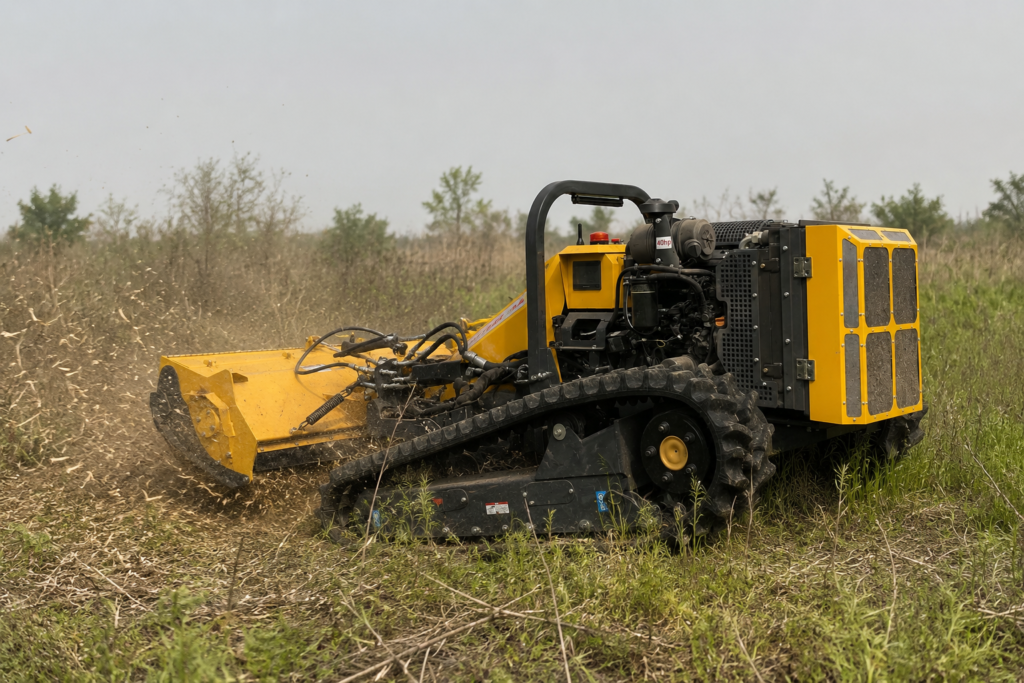
I ask about the stump size, but I do not stop there. A small stump in rocky soil may be harder than a larger stump in clean soft ground. A root ball with wire, stones, or old fence parts can damage cutting tools. A slope can change machine stability. Wet soil can trap tires or tracks. A narrow orchard row can limit turning space. These points decide whether grinding, excavation, mulching support, or outsourcing makes sense.
| Site Factor | Why I Care | Safer Planning Direction |
|---|---|---|
| Soil with stones or metal | Cutting tools can break or throw debris | I inspect and separate foreign objects first |
| Wet or muddy ground | Machines may sink or lose traction | I consider tracked equipment or delay work |
| Steep or uneven terrain | Stability becomes the main risk | I reduce machine movement and choose safer access |
| Close buildings or roads | Flying debris and rebound become serious | I use barriers or professional services |
| Future paving or building | Underground decay can cause settlement | I favor deeper removal and proper backfill |
| Future planting | Old roots can block cultivation | I consider root removal in planting zones |
When is stump grinding enough for a farm or land project?
Stump grinding looks simple, so many owners choose it first. I think it works well when the goal is limited and the ground does not need deep reuse.
Stump grinding is often enough when I only need surface-level clearance for mowing, landscaping, or safer walking. It is not enough when roots must be removed for construction, deep cultivation, drainage work, or long-term grade stability.
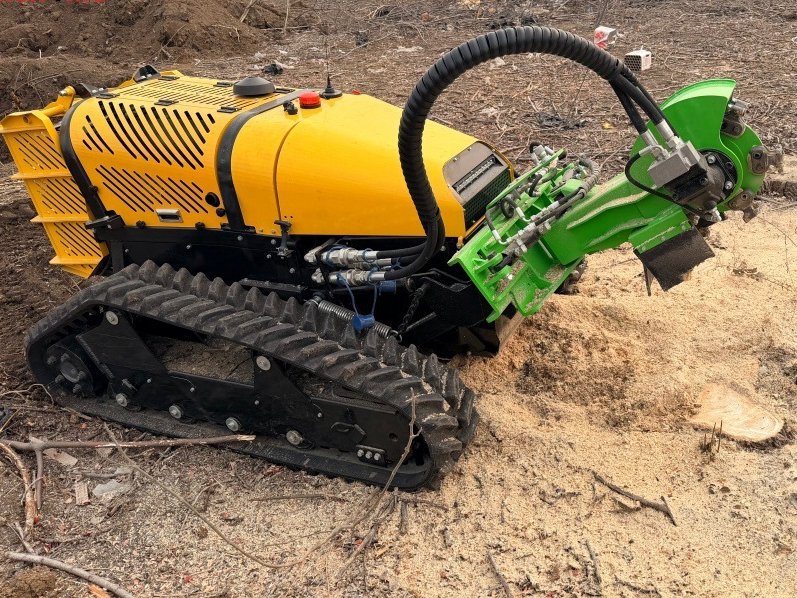
I often describe stump grinding as a surface solution. It reduces the visible stump into chips, lowers the obstruction, works quickly, and can reduce hauling because some chips can stay on site if the land use allows it. But I do not call it full stump and root removal. The major roots usually remain underground. They may decay over time. The ground may settle. Some species may still send shoots. So I match grinding with light land use, not heavy rebuild work.
| Stump Grinding Fits Better When | Stump Grinding Fits Poorly When |
|---|---|
| I need mowing access | I need a foundation area |
| I want a cleaner landscape surface | I need deep ripping or plowing |
| I can accept root decay underground | I need stable paving or road base |
| I have limited hauling budget | I must remove root interference |
| I work away from buried utilities | I cannot control debris risk |
Where does a TIROX Forestry Mulcher help in stump and root clearing projects?
I often bring up forestry mulchers when the site has brush, small trees, and surface vegetation. I do not present them as a direct replacement for stump grinders or excavators.
A TIROX Forestry Mulcher helps with surface vegetation, brush, saplings, and site preparation before deeper stump work. It can reduce surface biomass and improve access, but it should not be used as a direct dirty-root processor for buried stumps or soil-filled root balls.
From a selection perspective, a forestry mulcher is useful when the project area is messy before stump work starts. Many farms and land managers do not only have stumps. They also have vines, shrubs, small trees, storm debris, and rough access lanes. A TIROX Forestry Mulcher can help reclaim this surface layer. It can make the site more visible. It can help operators see old stumps, rocks, fence wire, and terrain changes. That improves the next decision.
| Project Condition | How I Use Forestry Mulcher Thinking | What I Do Not Claim |
|---|---|---|
| Overgrown field edge | I clear brush and small woody cover first | I do not call it full root removal |
| Plantation renovation | I improve access between rows when suitable | I do not grind dirty root balls as normal feed |
| Roadside or boundary cleanup | I reduce vegetation before stump decisions | I do not ignore flying debris control |
| Mixed land clearing | I separate surface biomass from underground work | I do not replace excavation where roots must be removed |
How should I estimate the real cost of safe and easy stump removal?
I see many people calculate only machine time. I think that causes wrong budgets, because stump work continues after the stump is gone.
The real cost includes removal, labor, machine access, safety control, backfill, grading, hauling, disposal, ground recovery, and possible follow-up regrowth control. I estimate all of these before I decide whether grinding, excavation, mulching support, or outsourcing is cheaper.
I like to build a cost view around the whole job. A cheap removal method can become expensive if it leaves roots in the wrong place. A strong excavator can become expensive if it creates many holes and hauling trips. A grinder can become expensive if hidden metal damages teeth. A mulcher can save access time, but it still needs debris control and correct terrain use. The full cost is not one number on a machine quote.
| Cost Item | Why I Include It | What Can Increase It |
|---|---|---|
| Site inspection | I need to find risks early | Hidden utilities, metal, rocks |
| Machine operation | I need the right method for the goal | Large roots, slope, wet ground |
| Safety control | I need to protect people and property | Roads, buildings, animals nearby |
| Backfill and grading | I need usable land after removal | Deep root holes, soft soil |
| Hauling and disposal | I need a plan for removed material | Dirty heavy root balls |
| Ground recovery | I need final land function | Future paving, planting, drainage |
| Rework risk | I need to avoid doing the job twice | Wrong method at the start |
How do I choose a safe plan before replanting, grading, or paving?
The next land use should control the removal plan. I see the worst mistakes when people clear first and decide the land use later.
I choose the removal plan by starting with the final land use. Replanting needs root-zone management. Grading needs stable soil. Paving needs decay-free support. Simple cleanup may only need surface treatment and safe access.
I think of stump removal as preparation, not as a single action. If a farm owner wants to replant, the spacing, soil depth, and old root decay all matter; if a land manager wants to grade, the soil must stay stable after roots are removed or left to decay; if the area will carry vehicles, hidden voids can become a later repair bill; and if the land only needs visual cleanup, full excavation may cause too much disturbance.
| Future Land Use | My Preferred Planning Question | Likely Direction |
|---|---|---|
| Replanting trees or crops | Will old roots block cultivation or new roots? | Targeted root removal in planting zones |
| Pasture or mowing | Will stumps damage tires or blades? | Grinding or surface leveling may work |
| Road or yard base | Will root decay cause settlement? | Deeper removal, backfill, compaction |
| Building or paving | Will the ground stay stable long term? | Professional assessment and full clearance |
| Wildlife or erosion area | Will disturbance create more damage? | Limited removal and careful surface work |
Conclusion
I remove stumps safely by defining the land goal first, then matching the method, equipment, risk control, and cleanup plan to the real site.