
Wood waste looks simple, but it is not. I often hear buyers ask why one pile becomes value and another pile becomes trouble.
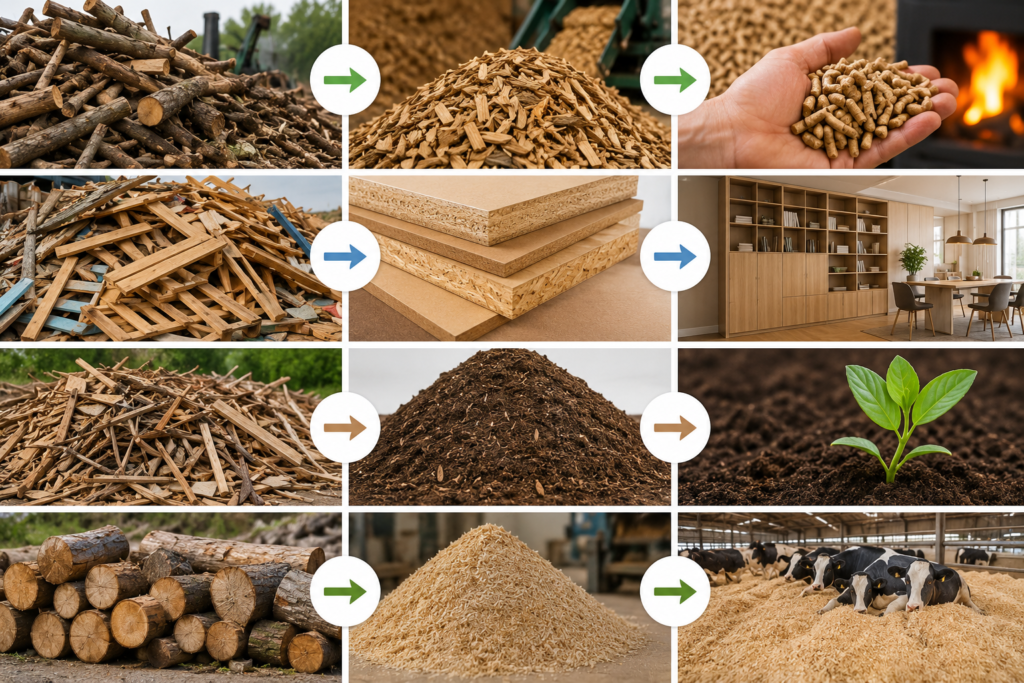
If I treat wood recycling as only “breaking wood down,” I miss the real point. I need to decide what I can process, what I should reject, and where the recovered material can still earn money.
What Counts as Wood Recycling, and Why Does It Matter?
Wood waste often arrives in mixed form. I see branches, logs, pallets, crate offcuts, hedge trimmings, and construction wood in the same load. I also see plastic straps, stones, nails, and wet waste mixed in. That is where the real decision starts. If I process the wrong material, I raise blade wear, block the feed system, and lower chip quality. If I process the right material, I create a usable product and reduce transport cost at the same time.
Wood recycling matters because it is a resource-recovery choice. I do not ask only, “How do I remove this waste?” I ask, “Can this wood stream become a new product?” That question changes the whole workflow. A landscaping company may want mulch. A biomass buyer may want fuel material. A recycling yard may want volume reduction first. A forestry team may want fast field cleanup. Each goal needs a different process path.
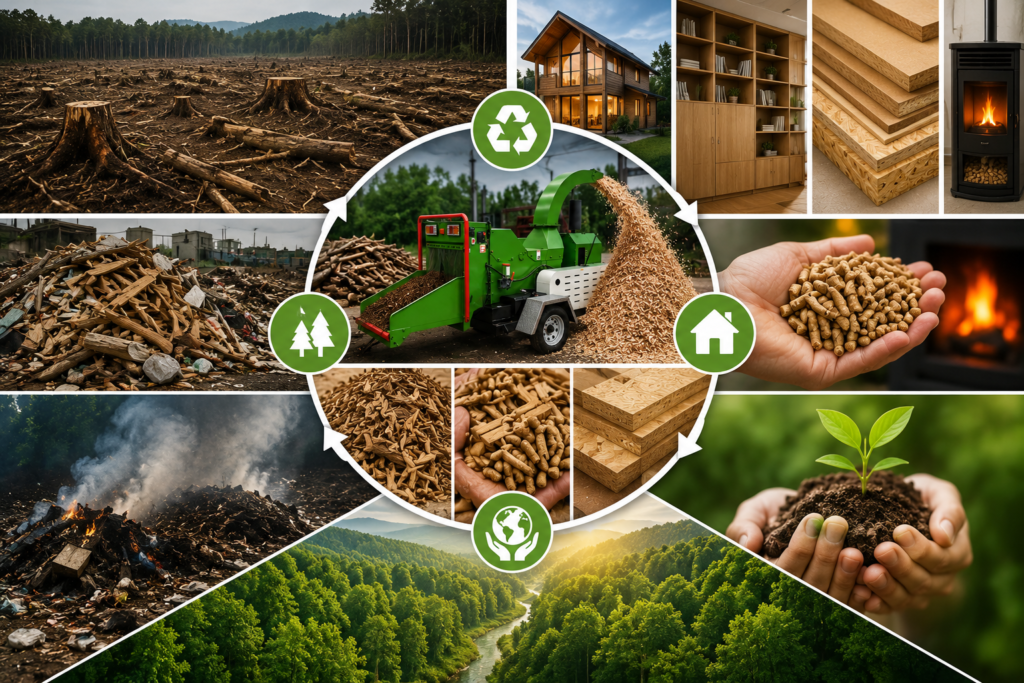
What wood can I usually recycle?
| Wood Category | Typical Examples | Usually Suitable? | Main Notes |
|---|---|---|---|
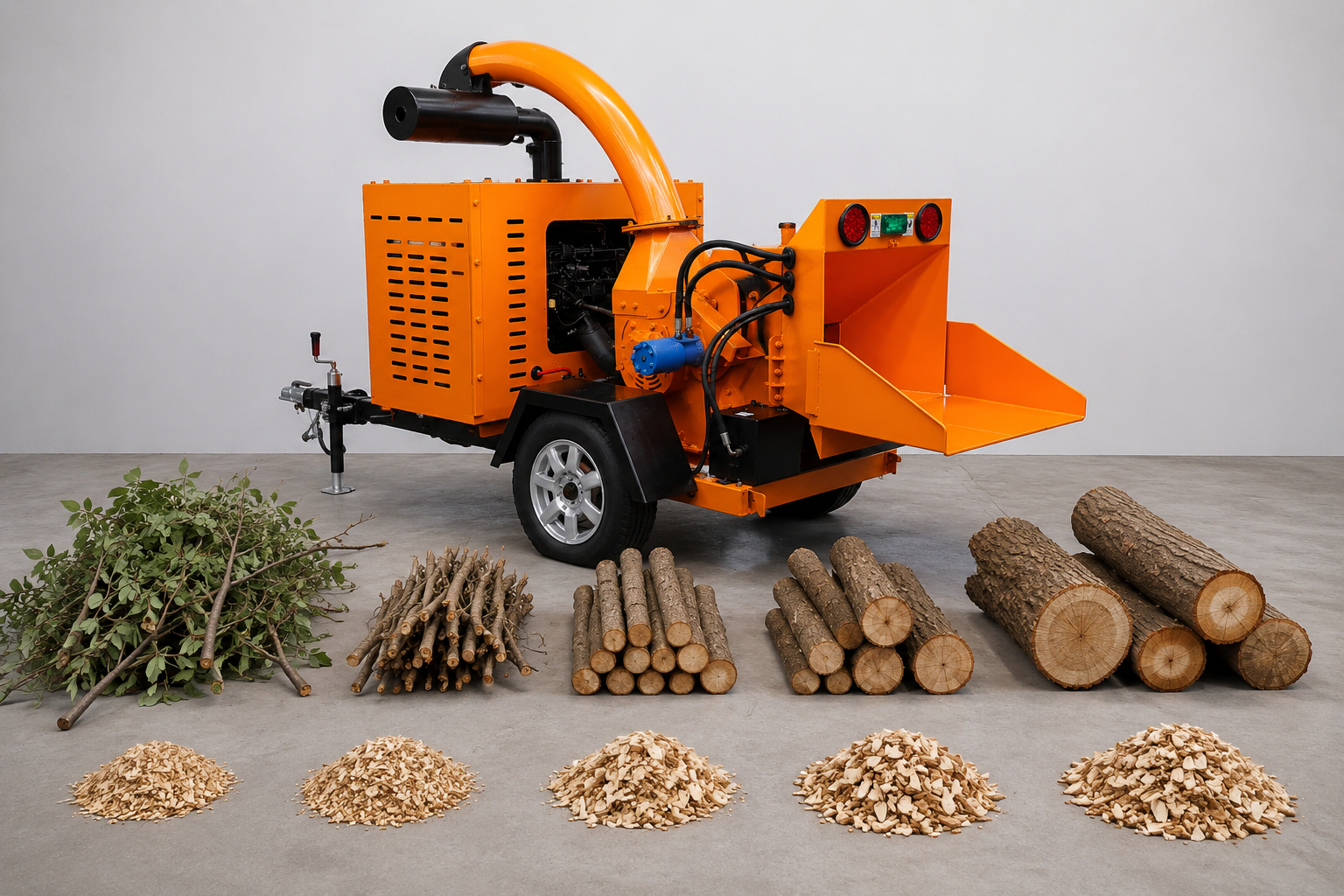
| Clean wood | Logs, branches, trunks, shrubs | Yes | Best for chipping or grinding |
| Green waste | Hedge trimmings, leaves, small prunings | Yes, with care | Wet fiber can affect discharge |
| Untreated wood | Pallets, crate offcuts, boards | Often yes | Check for nails, paint, and glue |
| Contaminated wood | Plastic, metal, glass mixed in | No | High machine and product risk |
| Wet sludge / garbage | Mud, soggy waste, mixed refuse | No | Can clog feeding and spoil output |
From my customer calls, I know many buyers expect one machine to solve everything. That is a mistake. A wood recycling plan should start with material sorting, not with the machine button.
What Are the Main Benefits of Wood Recycling?
The first benefit is simple. I reduce waste volume. That helps with hauling, storage, and site cleanup. But volume reduction is only the first layer. The better benefit is that I turn waste into a new material stream. That can support mulch sales, biomass use, compost mixing, or pulp feedstock supply. When I explain this to customers, I usually say that the real gain is not only less waste. The real gain is more use.
The second benefit is cost control. If I can process clean wood on-site, I can reduce transport trips and lower disposal fees. A landscaping company often likes this because the crew can clear a site faster. A municipal team likes it because the yard handles more material with better flow. A logging buyer likes it because residues do not sit in the forest for long. I also see another benefit that people forget. Good recycling helps machine value. If I choose the right chipper or grinder, I spend less on repairs and down time.
The third benefit is sustainability. I do not use that word lightly. Recovered wood can replace some virgin material use in suitable applications. That is not a promise for every case. It depends on contamination, moisture, and end use. Still, the direction is clear. Reuse creates more value than simple dumping.
Where does the value go after recycling?
| End Use | Why Buyers Want It | Key Requirement | Fit With Output |
|---|---|---|---|
| Landscaping mulch | Site cover, soil support, weed control | Cleaner chips | Medium chips are often best |
| Biomass fuel | Energy use in boilers or fuel systems | Low contamination | Uniform size helps, but not always the smallest |
| Compost feedstock | Organic blending | Stable, clean material | Size should match compost system |
| Pulp raw material | Further industrial processing | Low metal and dirt | Consistency matters |
| Erosion control | Ground cover | Clean and fibrous chips | Larger chips can work well |
I often tell buyers that wood recycling makes sense when the recovered material has a clear next step. If there is no next use, the process may only shift the problem.
How Does the Wood Recycling Process Usually Work?
I do not treat wood recycling as one step. I treat it as a chain of decisions. The first step is inspection. I check the source. I ask where the wood came from, what it contains, and what size it is. A clean branch pile from pruning is very different from mixed demolition wood. The second step is sorting. I remove metal, stones, plastic, and other harmful items before feeding. The third step is size reduction. I choose a wood chipper or grinder based on material type, feed opening, output target, and site condition. The fourth step is output handling. I decide whether the chips go to mulch, fuel, compost, or storage.
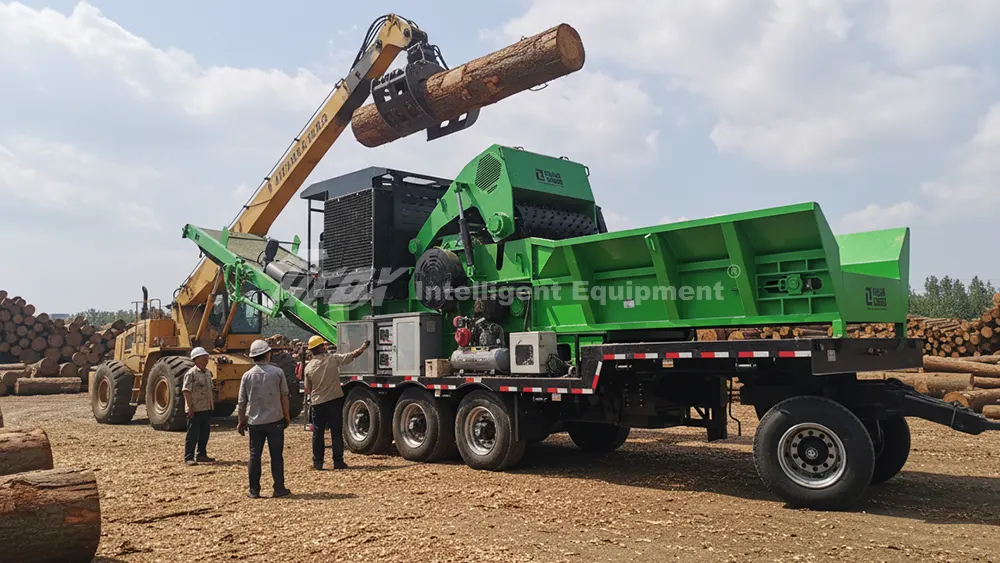
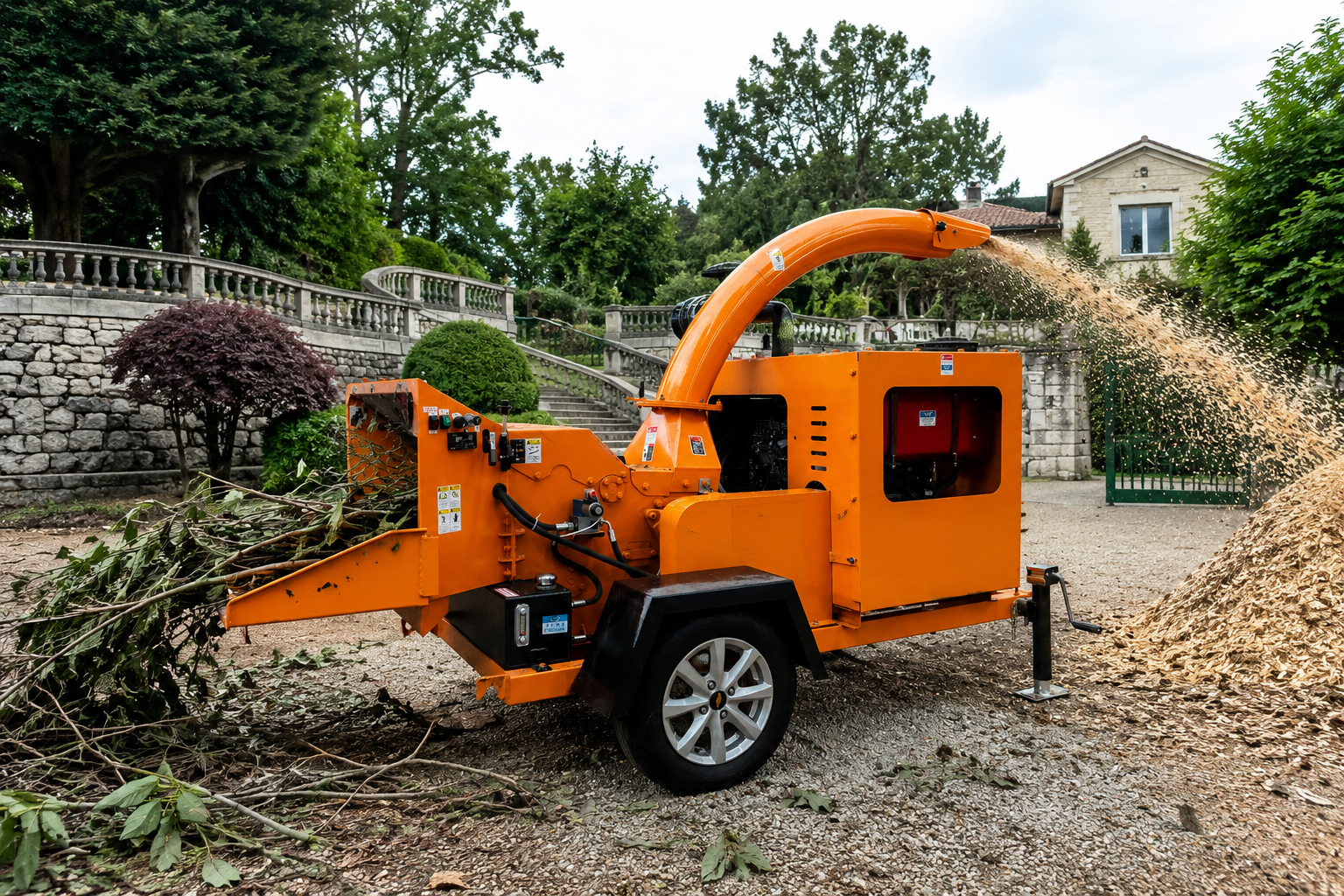
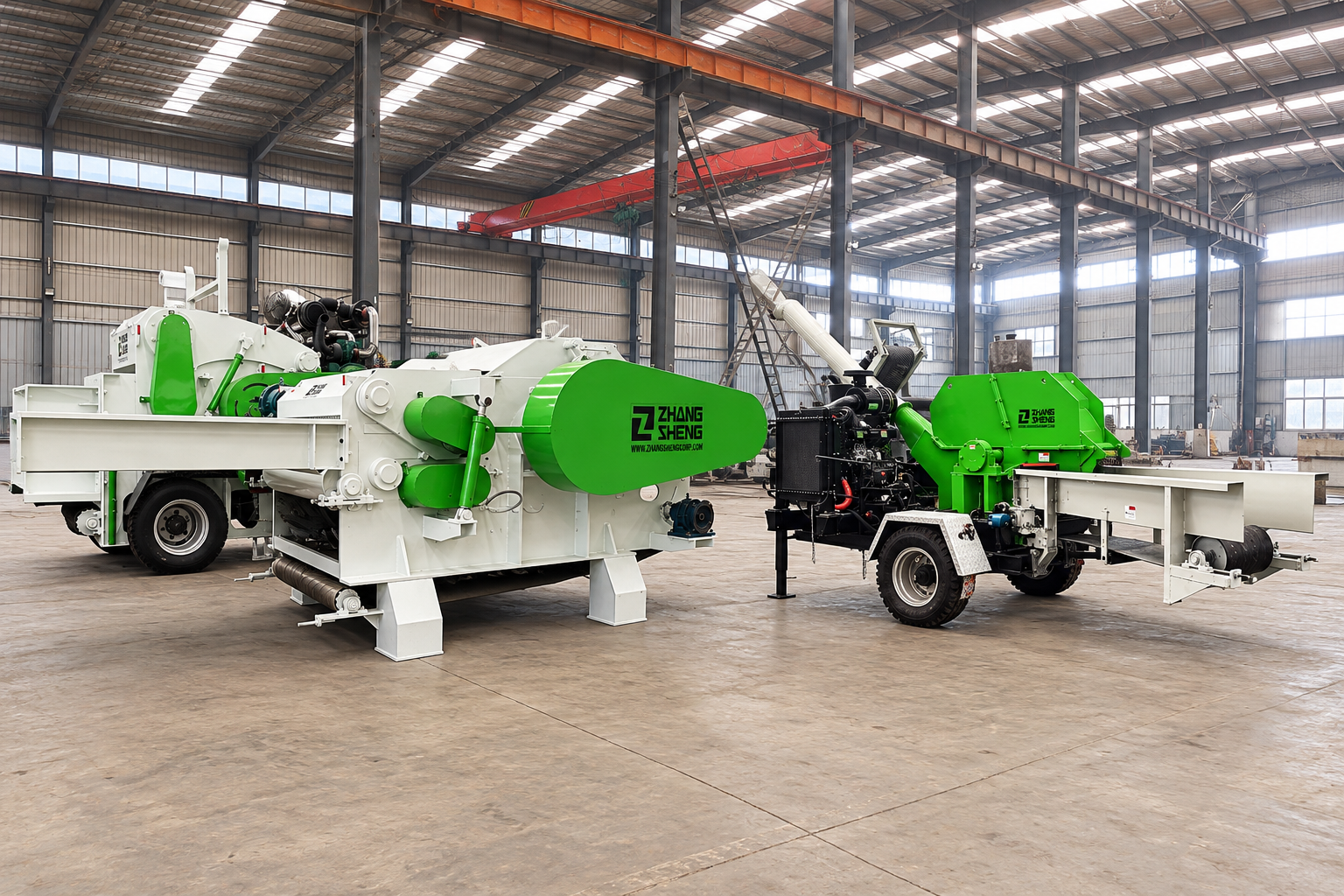
When buyers ask me which machine they need, I do not start with horsepower. I start with the feed material. For clean branches and yard waste, a wood chipper can be the right choice. For tougher, mixed, or larger wood waste, a horizontal grinder may fit better. At TIROX, I often discuss our wood chippers with landscaping teams and recycling yards because they want clear output and easy site movement. I also remind them that the chipper is not a magic box. A screenless design gives better flow and less blockage, but it does not mean every chip size is identical.
What should I check before processing?
- Material source
- Contamination level
- Moisture level
- Maximum diameter or size
- Desired end use
- Site mobility needs
- Blade wear risk
- Discharge and storage plan
If I skip any of these, I usually pay later with poor output or machine stress.
What Best Practices Help Wood Recycling Work Well?
The best practice starts before the machine starts. I keep saying this because many problems begin at the yard gate. The waste stream should be sorted carefully before processing. Metal, stone, and plastic need to be removed early to protect the machine and improve chip quality. Clean wood should also be separated from mixed waste. Wet sludge and garbage must stay away from the chipper line to reduce clogging and contamination. This is not only about safety. It is also about product quality and blade life.
The second best practice is to match the machine to the job. A small landscaping team does not need the same setup as a forestry contractor. A municipal green waste team does not need the same workflow as a demolition recycler. I think the right question is not, “Which machine is biggest?” The right question is, “Which machine fits my material and my target output?”
The third best practice is to keep the output goal realistic. Smaller chips are not always better. For mulch production, medium chips may be a good choice. Biomass fuel buyers may care more about steady feeding than ultra-fine chip size. In erosion control applications, a coarser chip can even be more useful. The output target should follow the application, not the other way around.
The fourth best practice is routine maintenance. I have seen buyers lose time because they ignored blade sharpness or lubrication. I have also seen them overfeed wet material and then blame the machine. A good recycling line needs trained operators, clear material rules, and simple checks every day.
What are common mistakes buyers make?
| Common Mistake | What Happens | Better Approach |
|---|---|---|
| Feeding mixed waste without sorting | Blade damage and clogging | Pre-sort the stream |
| Chasing the smallest chip size | More wear and unstable output | Choose size by end use |
| Using one machine for every material | Poor efficiency and more breakdowns | Match machine to material |
| Ignoring wet or dirty waste risks | Blockage and low quality output | Reject unsuitable loads |
| Skipping maintenance | Downtime and higher repair cost | Use daily checks and lubrication |
I often hear one more mistake. Buyers think all wood waste has the same value. It does not. Clean branches can become a saleable product. Dirty construction waste may only be suitable after extra sorting. Diseased plant waste may need special handling. If I ignore these differences, I lose both profit and control.
Where Does Tirox Fit Into Wood Recycling?
At TIROX, I often answer questions from landscaping, logging, and recycling buyers who want practical answers, not slogans. They ask me what size wood they can feed, whether wet material will clog, and whether a chipper can handle green waste. They also ask what output size they should expect. These questions are useful because they show the real decision points.
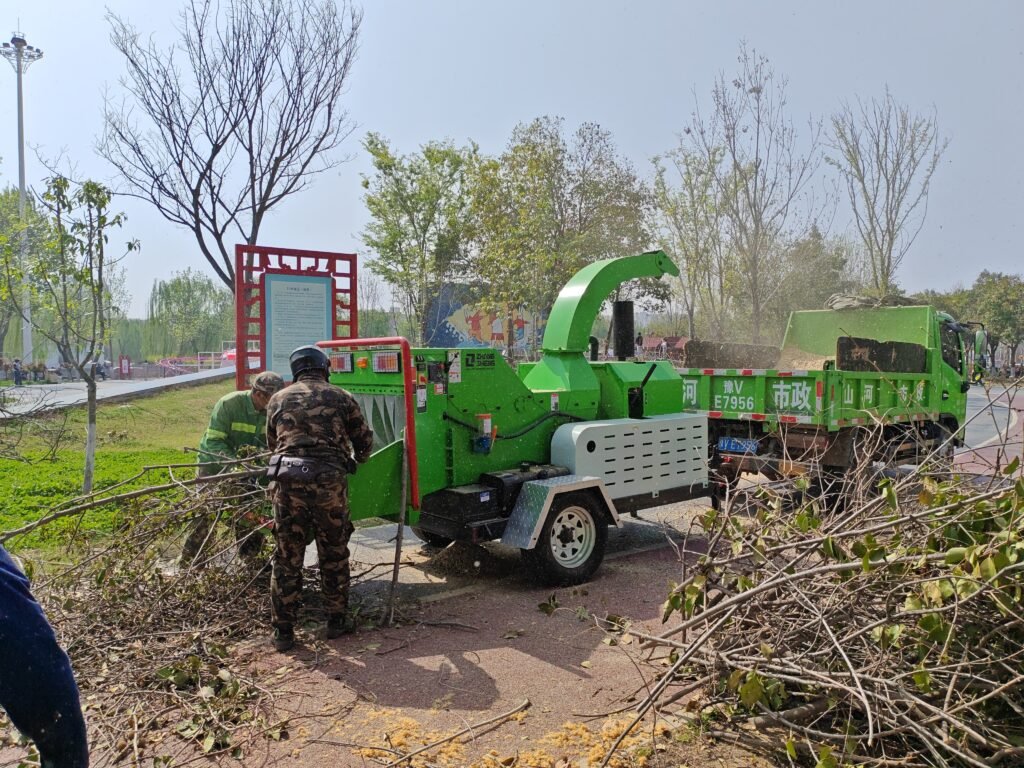
When I talk about TIROX wood chippers, I focus on field use. A buyer may need mobile processing at a yard, on a roadside, or in a forest setting. Another buyer may want a clean chip stream for landscaping mulch or biomass supply. In those cases, the machine choice must fit the job. Our screenless wood chippers support high flow and help reduce blockage, especially with wet material. That can be useful for many wood recycling projects. Still, I always say that no machine should be chosen without checking the actual material stream first.
How do I choose the right path for my own wood waste?
| Decision Question | If the Answer Is Yes | If the Answer Is No |
|---|---|---|
| Is the wood clean? | Recycling is more likely to work well | Reject or sort further |
| Is the material within machine size limits? | Chipping or grinding may be possible | Reduce size or use another machine |
| Is the waste free of metal and stones? | Lower risk and better output | Remove contaminants first |
| Do I know the end use? | I can match the output target | I should define the buyer first |
| Is the material stream steady? | Workflow is easier | I may need a different setup |
Conclusion
Wood recycling works best when I treat it as a resource decision. I sort well, reject bad material, match the machine to the job, and choose output size by end use.