

In today’s global landscape, wood chippers are no longer just handy tools for gardeners and landscapers. They are powerful, versatile machines that play a vital role in various industries, especially forestry and biomass energy generation. But what exactly can you use a wood chipper for?
From processing logging residues and converting logs into wood chips for transport and further processing to producing uniform wood chips for biomass fuel, industrial wood chippers have a wide range of applications. They also find use in site clearance, waste reduction, landscape management, and pulp production.
Let’s explore these applications more deeply, and understand the advantages of these machines in different industrial sectors.
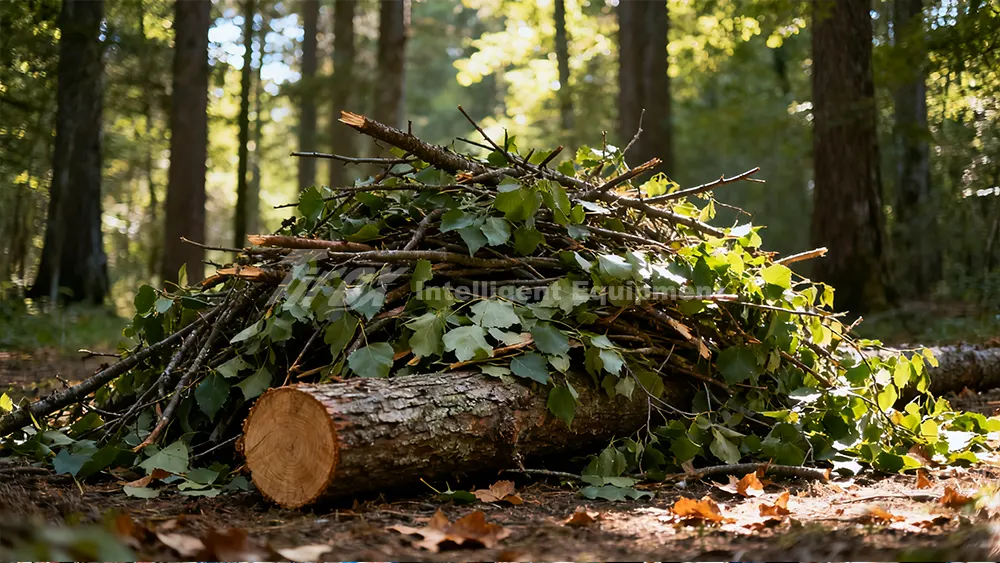
Industrial Wood Chipper Applications: Unlocking Versatile Solutions for Forestry & Biomass Companies?
While most of us might associate wood chippers with backyard gardening, these machines can do much more, especially the industrial-grade models. But what are some of the key applications for these heavy-duty machines?
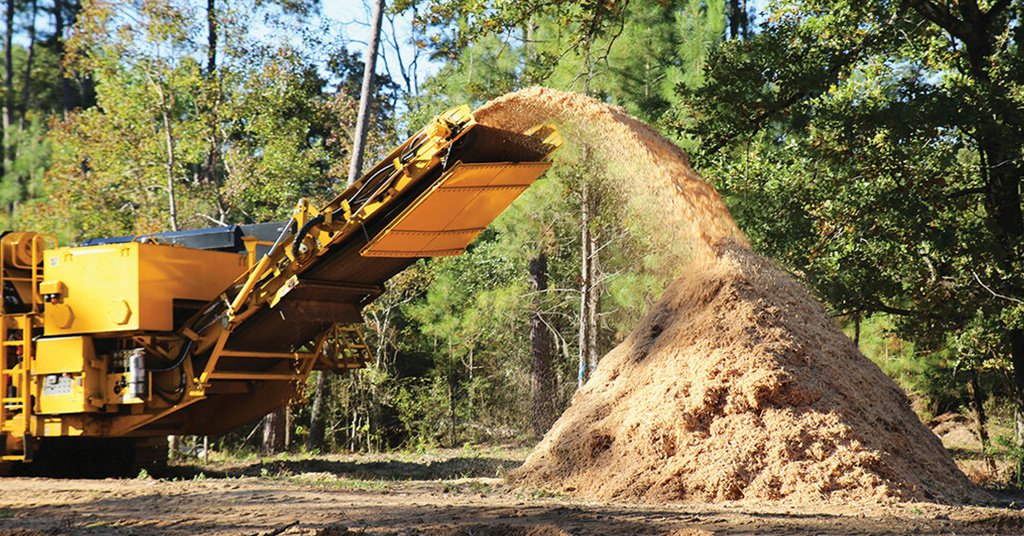
Industrial wood chippers are primarily used in forestry for processing logging residues and converting branches and logs into wood chips. In the biomass energy sector, they produce uniform wood chips for fuel, pellet manufacturing, and biogas plants. Other industrial uses include site clearance, waste reduction, landscape management, and pulp production.
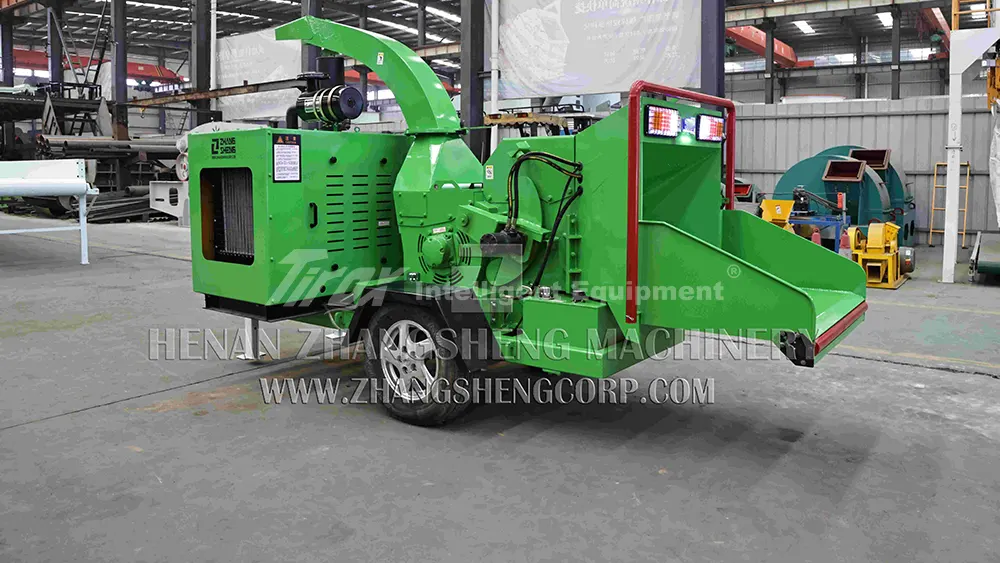
Among the key advantages of industrial-grade chippers over consumer models are their high efficiency, greater throughput, and adaptability to different wood types. For instance, our Tirox industrial wood chippers come with a hydraulic forced feeding system that can adjust the speed based on different material diameters, ensuring optimal performance and higher yields. They are also powered by top-grade diesel engines from globally renowned brands like Cummins and Perkins, ensuring easy maintenance and parts acquisition.
Top 5 Materials Processed by Industrial Wood Chippers and Their End Uses?
Industrial wood chippers are designed to handle a variety of materials, but what are the top materials these machines can process? And where do these processed materials end up?
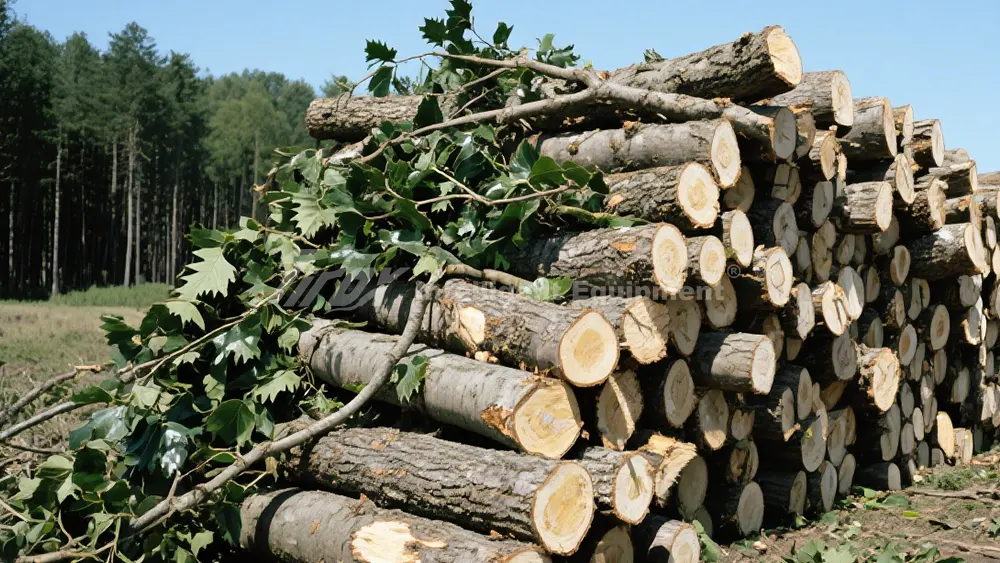
The primary materials suitable for industrial wood chippers include logs, branches, pallets, construction wood waste, and forestry residues. The processed materials have varied end uses like landscape mulch, biomass fuel, composting, paper and pulp industry, and particleboard production.
It’s also important to note that the design of the chipper can influence its material compatibility. For example, drum and disc chippers have different feed systems and are suitable for different types of materials. Also, the moisture content and size of the material can affect chipper performance. At Tirox, we equip our machines with intelligent feeding systems that monitor the crushing load in real-time and adjust the feeding speed to prevent blockages, ensuring smoother operations.
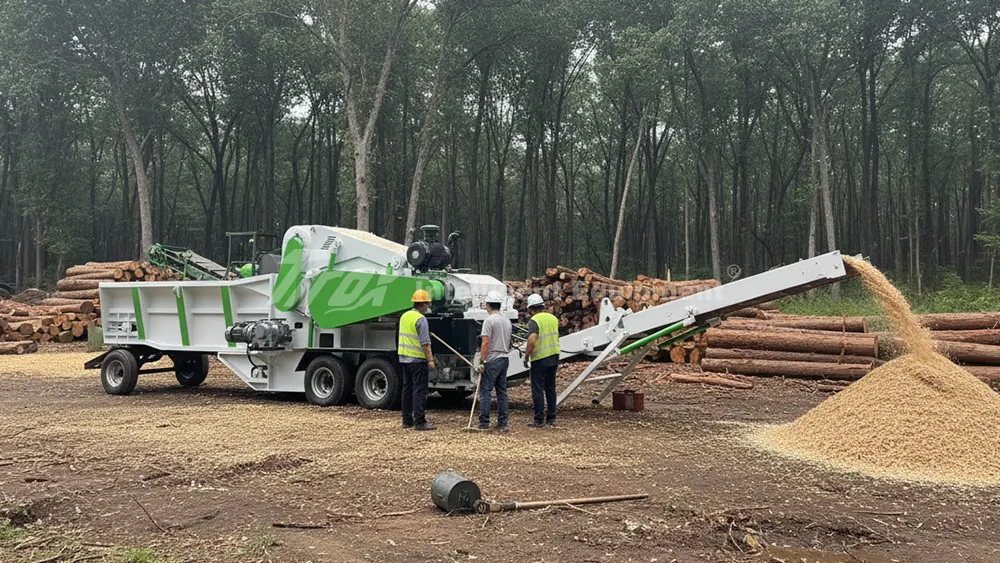
How Industrial Wood Chippers Drive Operational Efficiency and Sustainability for B2B Enterprises?
It’s clear that industrial wood chippers can handle a variety of materials and have diverse applications, but how do they contribute to operational efficiency and sustainability in B2B enterprises?
Wood chippers streamline operations in forestry and biomass sectors by reducing manual labor and transportation costs. They also contribute to sustainability by minimizing waste, recycling resources, and reducing carbon footprint. Furthermore, they can be integrated with other equipment like conveyors and loaders for automated workflows.
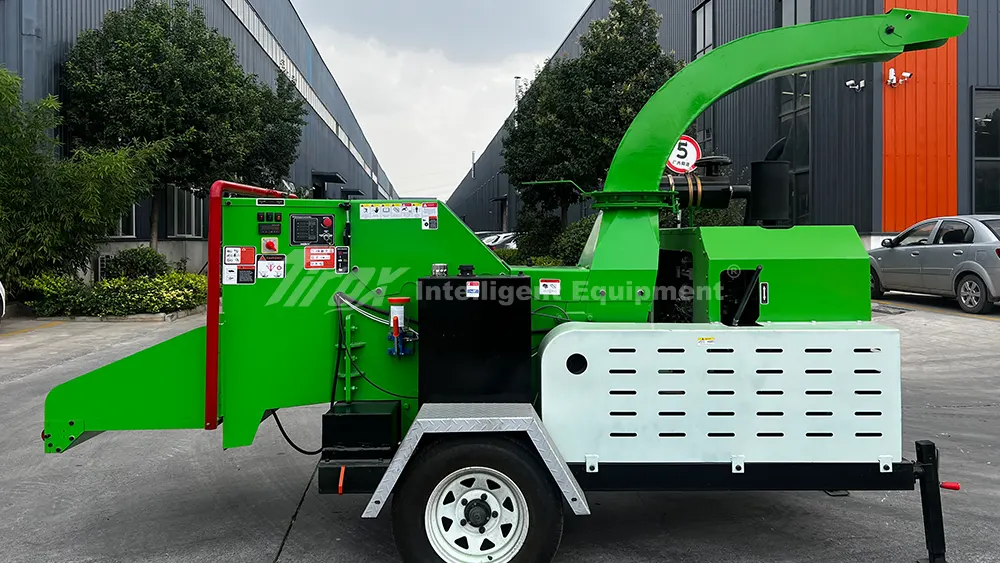
For instance, our Tirox wood chippers come with an intelligent control panel that displays key working conditions like oil level, water temperature, and running time, helping you detect problems early and minimize maintenance. They are also equipped with a metal conveyor that is independently controlled by an intelligent hydraulic system, ensuring safety during operation.
Choosing the Right Industrial Wood Chipper: Key Considerations for B2B Buyers?
Now that you understand the various uses and benefits of industrial wood chippers, how do you choose the right one for your business needs?
Factors to consider when choosing an industrial wood chipper include throughput capacity, power source (diesel/electric), feed type, safety certifications, and ease of maintenance. You should also look at customization options, assess chipper suitability for specific business needs, and consider warranty terms, after-sales support, and integration with existing systems.
At Tirox, we understand the diverse needs of our customers, which is why we offer a wide range of wood chippers with different features and specifications. Whether you need a high-capacity model for heavy-duty operations or a portable unit for on-the-go jobs, our team can help you find the perfect solution.
Conclusion
Industrial wood chippers offer versatile solutions for various industries, processing a range of materials for diverse end uses. By enhancing operational efficiency and sustainability, they are a valuable asset for B2B enterprises.