

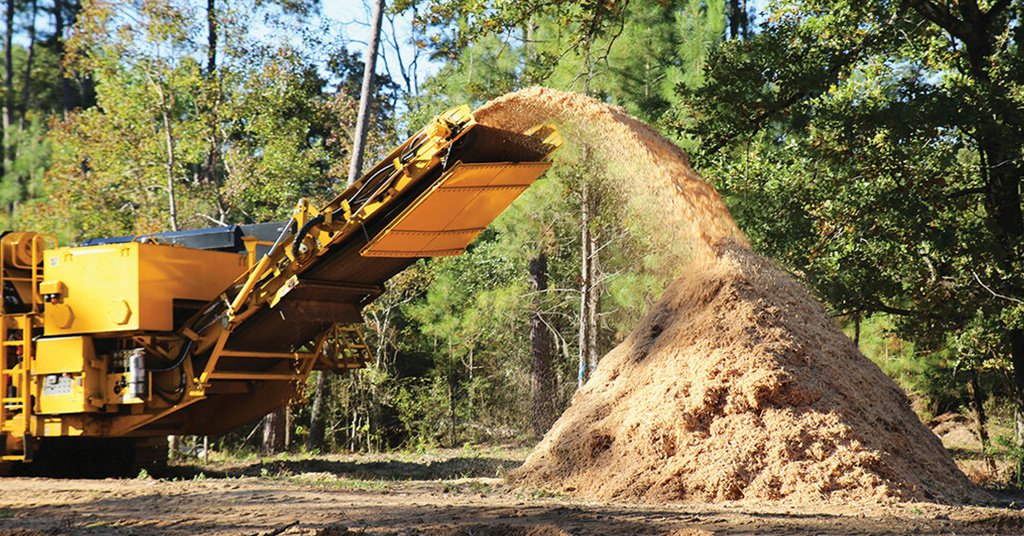
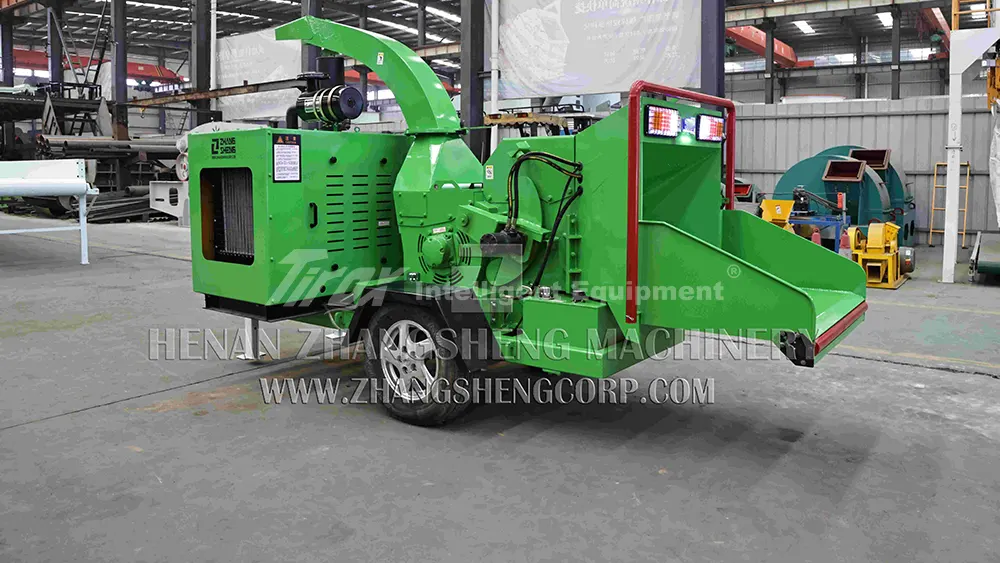
You want clean chips and fast work. You also want to avoid jams, damage, and safety risks. The material you feed decides everything, and wrong choices get expensive.
You can put clean branches, brush, pruned limbs, small logs, and untreated lumber into a wood chipper; avoid rocks, soil, metal, plastic, pressure-treated wood, and long fibrous material like vines that can wrap and stall.
I have run and supported chippers for years in many markets. I learned that the smartest operators think first about what goes into the hopper. They save blades, fuel, and time by feeding the right material. They protect their team. If you want deeper tips, I cover this on our blog at https://tiroxcorp.com/blog/ and share updates in company news at https://tiroxcorp.com/news/. For technical basics, the Wikipedia page helps: https://en.wikipedia.org/wiki/Wood_chipper.
Can you chip branches, brush, and small logs safely?
You see piles of pruned limbs and brush after every job. You want clean chips for mulch or biomass. You want safe, smooth feeding without stalls or overloads.
Yes, branches, brush, and small logs chip well when clean and sized to your machine’s capacity; trim forks, remove dirt, and feed butt-end first for smooth pull-through.
I teach my crews to measure, clean, and orient each branch. I ask them to knock off dirt with a rake and trim forks that catch on the chute. I prefer feeding butt-end first because the rollers grab better. This habit cuts jams and stops kickback. It keeps blades sharp longer. When material matches capacity, throughput stays steady. If your piles include mixed green waste, a unit with hydraulic feed helps a lot. You can compare models on our products page: https://tiroxcorp.com/products/ and see our Wood Chippers for different capacities.
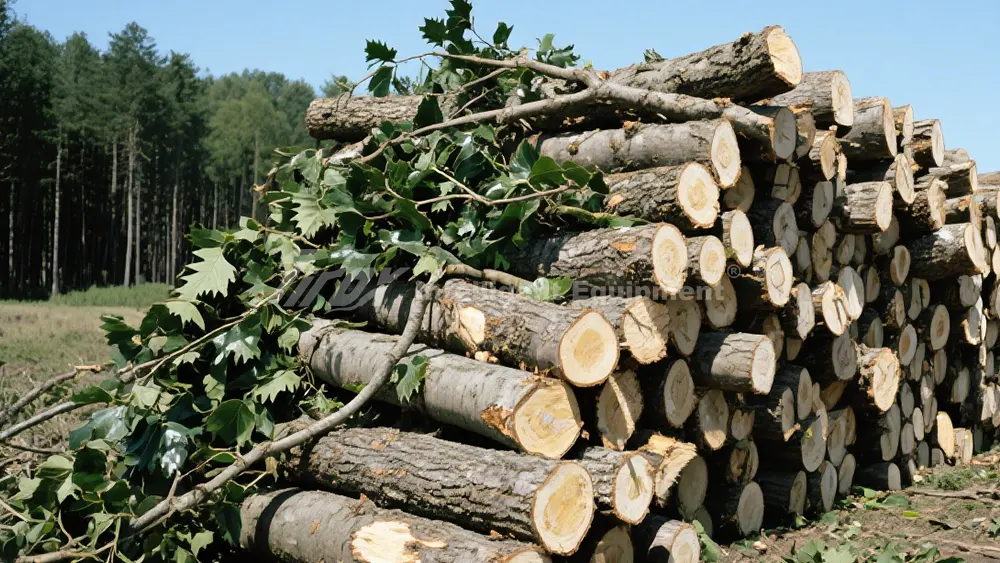
How to manage clean wood input for best results
Material Prep
- Trim forks and knots that catch.
- Knock off soil, stones, and sand.
- Cut oversize pieces to fit capacity.
Feed Technique
- Butt-end first for better grip.
- Keep a steady, controlled pace.
- Do not push by hand; use the feed table.
Care and Throughput
- Sharp knives mean clean chips.
- Plan short breaks for cooling.
- Inspect and clear the anvil area.
| Input Type | Good to Chip? | Prep Needed | Notes |
|---|---|---|---|
| Fresh branches | Yes | Trim forks, clean dirt | Best for mulch |
| Brush | Yes | Bundle or stage | Avoid long tangles |
| Small logs | Yes | Size to capacity | Watch hardness |
| Dead, dry limbs | Yes, with care | Check brittleness | Can splinter |
| Wet wood | Yes, slower | Keep screens clear | Heavier feed load |
For more field advice and maintenance checklists, visit our blog: https://tiroxcorp.com/blog/.
Can you put leaves, needles, and yard trimmings in a chipper?
You face bags of leaves and soft yard waste. You wonder if the chipper can handle it. You want quick volume reduction without clogging screens or chutes.
Yes, light yard trimmings can be chipped, but leaves and needles alone may mat and clog; mix them with branches, keep feed moderate, and clear screens often.
I learned this while helping a city crew after a storm. The leaves went in by the bag, and the chips turned mushy. The screens clogged fast, and the feed stalled. We switched to mixing leaves with brush and small limbs. The flow improved, chips stayed loose, and fuel use dropped. I now tell teams to blend soft material with woody feed. I also ask them to check screens every hour. If your goal is compost or mulch, size your mix and chip settings to the end use. If you want more soft-waste strategies, browse our posts at https://tiroxcorp.com/blog/.
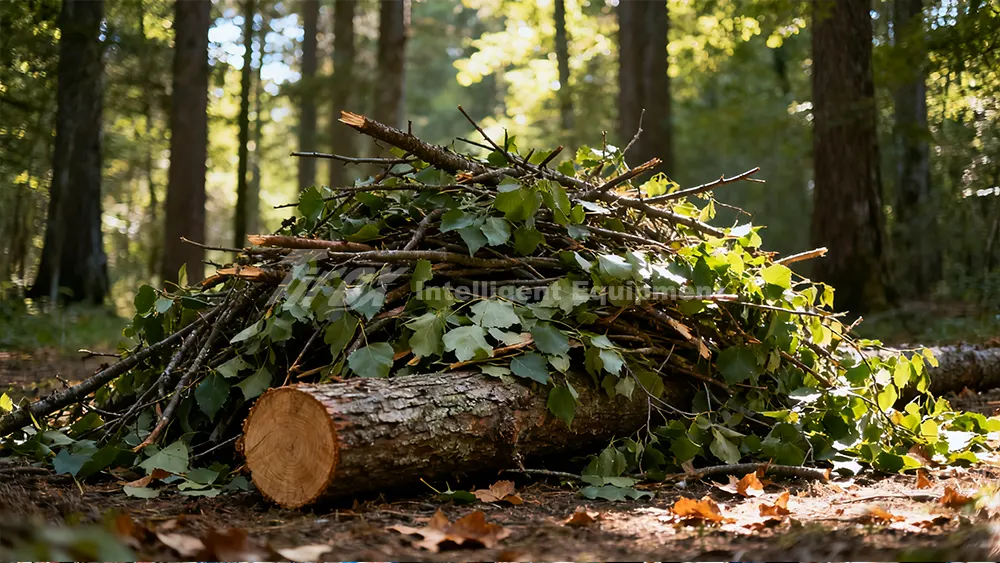
How to handle soft material without clogs
Mix Strategy
- Blend leaves with brush or twigs.
- Avoid wet clumps; spread out piles.
- Keep a steady, light feed rate.
Screen and Knife Care
- Use larger screens if matting occurs.
- Keep knives sharp for cleaner cuts.
- Clear buildup before it hardens.
End-Use Goals
- Mulch needs looser chips.
- Compost needs smaller particles.
- Biomass wants uniform size.
| Soft Material | Good Alone? | Best Practice | Risk |
|---|---|---|---|
| Leaves | Not ideal | Mix with brush | Matting and clogs |
| Pine needles | Not ideal | Blend with limbs | Stringy buildup |
| Grass clippings | Rarely | Pre-dry or compost | Moisture jams |
| Yard trimmings | Yes, mixed | Stage and layer | Variable feed |
For general chipper mechanics and types, see: https://en.wikipedia.org/wiki/Wood_chipper.
Can you chip pallets, clean lumber, and construction wood?
You get stacks of pallets and offcuts. You want fast reduction and uniform chips. You worry about nails, paint, and treated wood. You want safe sorting and better blade life.
You can chip clean, untreated lumber and pallets only after nail removal; avoid painted, glued, or pressure-treated wood due to toxins and blade damage.
I once supported a recycling yard that chipped pallets without sorting. Nails chewed the knives and scarred the anvil. Downtime spiked, and chips were full of metal. We set a simple sorting line: magnets, visual checks, and a nail pull station. Blade life doubled. Throughput stabilized. I now insist on a sort step. If you chip construction waste often, consider stronger feed systems and planned blade care windows. For mixed waste at scale, you may prefer Horizontal Grinders with proper screens. Industry discussions on damage and safety are helpful too: https://forestryforum.com/board/index.php?board=3.0.
How to sort and chip reclaimed wood safely
Sorting Workflow
- Remove nails, screws, and staples.
- Reject painted, laminated, or glued stock.
- Keep treated lumber out of the stream.
Blade and Anvil Protection
- Use magnets and hand tools before feeding.
- Inspect knives daily under heavy loads.
- Rotate or sharpen on a fixed schedule.
End-Use and Compliance
- Mulch and biomass markets may restrict additives.
- Follow local rules for treated wood disposal.
- Keep documentation for audit and buyers.
| Reclaimed Material | Chip It? | Required Prep | Reason |
|---|---|---|---|
| Clean pallet wood | Yes | Nail removal, magnet check | Protect knives |
| Untreated lumber | Yes | Quick inspection | Uniform chips |
| Painted wood | No | Reject | Coatings, contamination |
| Laminated/plywood | No | Reject | Glues and resins |
| Pressure-treated | No | Reject | Toxins, regulations |
For more product guidance and capacity notes, check our news: https://tiroxcorp.com/news/.
What should you never put in a wood chipper?
You want a clear “do not feed” list. You want to protect your crew and your machine. You want fewer surprises and fewer repair bills.
Never chip rocks, soil, sand, metal, plastic, glass, vines, ropes, wire, pressure-treated wood, wet clumps of leaves, or any material above your chipper’s rated capacity.
I made my worst mistake early in my career. We chipped storm debris without sorting. Gravel and wire hid inside branches. The blades dulled in minutes, and a wire wrapped the feed rollers. We spent the afternoon cutting it free. I built a simple check routine after that. We stage piles, rake off dirt, cut out vines, and we measure big limbs. We place a “do not feed” sign near the infeed. This low-tech step saves thousands. If your jobs include mixed urban debris, read our practical guides at https://tiroxcorp.com/blog/ and check forum threads about jams and hazards: https://arboristsite.com/forums/chippers-and-grinders.22/.
The no-feed list and why it matters
Hidden Damage Risks
- Dirt and sand sandblast knives.
- Rocks chip or shatter edges.
- Wire and vines wrap rollers and shafts.
Health and Compliance
- Treated wood releases toxins.
- Painted or glued stock contaminates chips.
- Plastics and glass are unsafe and useless.
Capacity and Safety
- Oversize limbs cause kickback and stalls.
- Wet mats clog screens and infeed.
- Unknown materials put people at risk.
| Item | Why Not | Typical Result | Safer Action |
|---|---|---|---|
| Rocks, soil | Abrasive wear | Knife dulling, anvil damage | Clean feed first |
| Wire, vines | Wrap hazards | Roller stall, teardown | Cut and remove |
| Plastic, glass | Non-wood, brittle | Useless chips, injuries | Separate and recycle |
| Treated wood | Toxic preservatives | Health and legal issues | Proper disposal |
| Oversize logs | Beyond rating | Kickback, jams | Size to capacity |
For a broader look at equipment options for tough, mixed streams, browse our products and solutions: https://tiroxcorp.com/products/.
Can you chip bamboo, palm, and stringy brush?
You work with tropical or fibrous plants. You need to know if a chipper can handle long fibers and tough stalks. You want clean chips and fewer wraps.
Yes, you can chip bamboo, palm, and stringy brush when knives are sharp and feed is controlled; cut pieces short, avoid long strands, and keep screens clear to prevent wrapping.
I faced this with a plantation client. Bamboo came in long, flexible poles. The first pass wrapped on the rollers. We changed the routine. We cut poles short, fed butt-end first, and sharpened knives more often. We checked screens every hour. Throughput recovered, and chips stayed even. I now recommend stronger feed systems and a strict sizing rule for fibrous plants. If your site is uneven or remote, tracked units help mobility. For more technical context, see the wood chipper overview on Wikipedia: https://en.wikipedia.org/wiki/Wood_chipper. For model comparisons, visit https://tiroxcorp.com/products/.
How to manage fibrous plants without wraps
Size and Orientation
- Cut stalks into short sections.
- Feed butt-end first for grip.
- Avoid feeding long ropes or strands.
Knife Sharpness and Screens
- Keep knives sharp for clean cuts.
- Use screens that reduce stringers.
- Clear buildup before it mats.
Operator Workflow
- Stage and cut in batches.
- Keep rhythm steady and calm.
- Stop and clear at first sign of wrap.
| Fibrous Material | Good to Chip? | Best Setup | Watch Outs |
|---|---|---|---|
| Bamboo | Yes, sized | Short sections, sharp knives | Wrap risk if long |
| Palm fronds | Yes, mixed | Blend with branches | Stringy fibers |
| Cane and reeds | Yes, with care | Smaller screens | Wet feed slows flow |
| Vines and ropey brush | No | Reject or pre-cut fully | Wrap hazards |
| Ag waste (stalks) | Yes, sized | Strong feed system | Dust and fines |
If your feed varies by season, plan blade care windows and spare parts. For lineup details, explore our Wood Chippers and heavy-duty options on https://tiroxcorp.com/products/.
Conclusion
Feed clean, sized wood and avoid contaminated or fibrous hazards. Mix soft waste with branches, keep knives sharp, and match material to capacity to protect uptime and safety.