

You’ve invested in a wood chipper, and now you have a pile of fresh wood chips. What do you do with them all? Don’t let them go to waste; discover their unexpected value and how to put them to good use.
Wood chips from a chipper can be transformed into valuable resources for biomass energy, agricultural mulching and composting, raw material for paper and construction boards, and even recreational surfaces, effectively turning waste wood into reusable products.
From my 22 years of experience in manufacturing wood processing equipment, I’ve seen firsthand how our customers transform what was once considered waste into valuable resources. This shift from waste to wealth drives much of our innovation, as we know the true potential of properly processed wood. Let’s explore the many applications that make wood chips so useful.
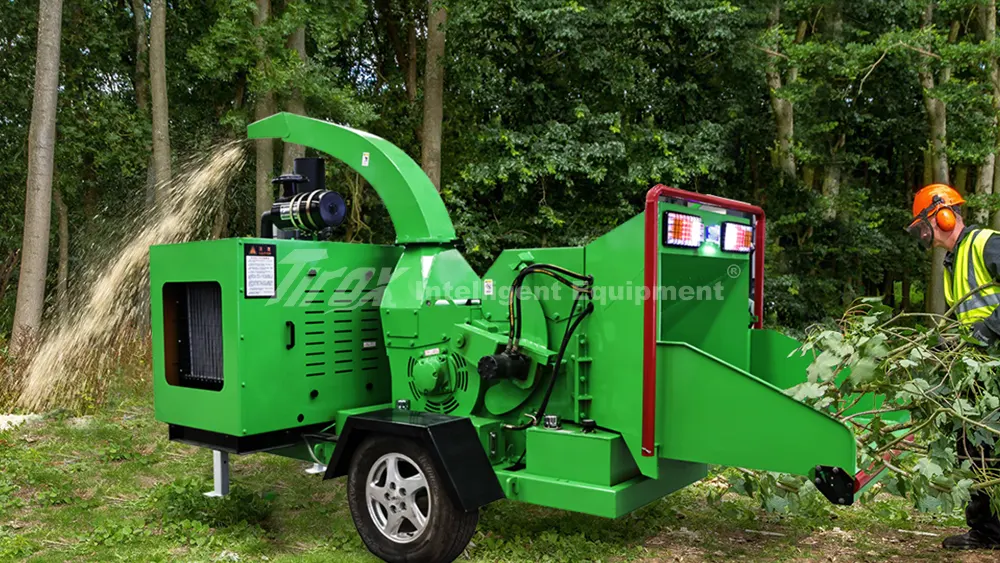
What to do with a pile of wood chips?
You’ve got a growing pile of wood chips, and it’s starting to look like a problem. You’re wondering how to manage it or, better yet, turn it into an asset. Let’s explore the immediate and long-term uses for that mound of processed wood.
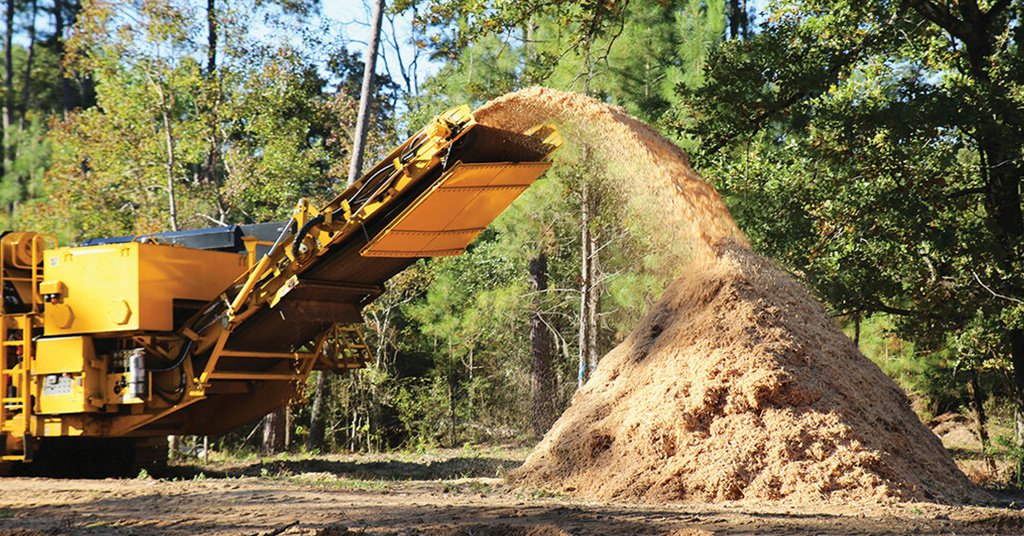
A pile of wood chips can be immediately utilized as effective landscape mulch, integrated into composting systems to enrich soil, or stored for future use in biomass energy production or as raw material for various industrial applications.
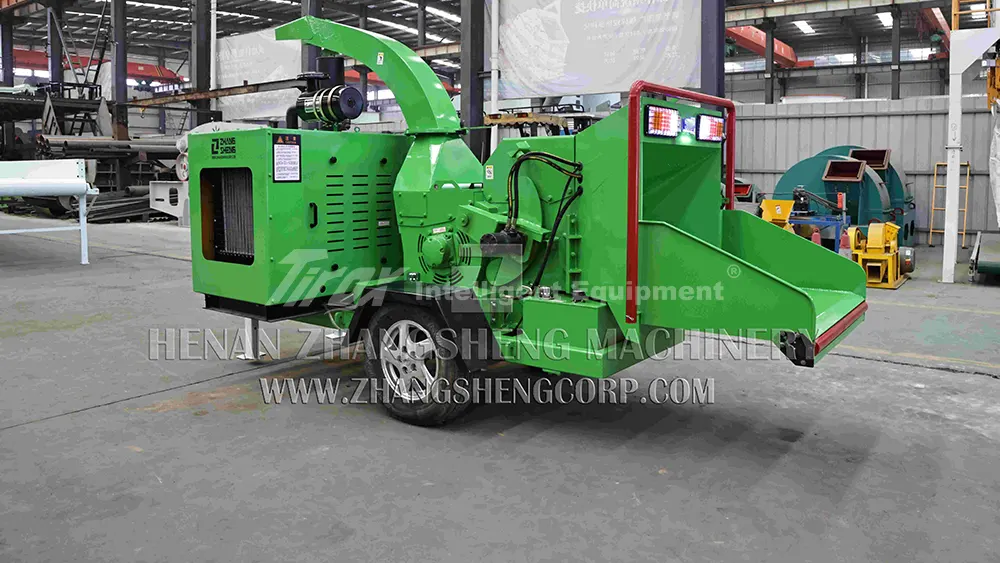
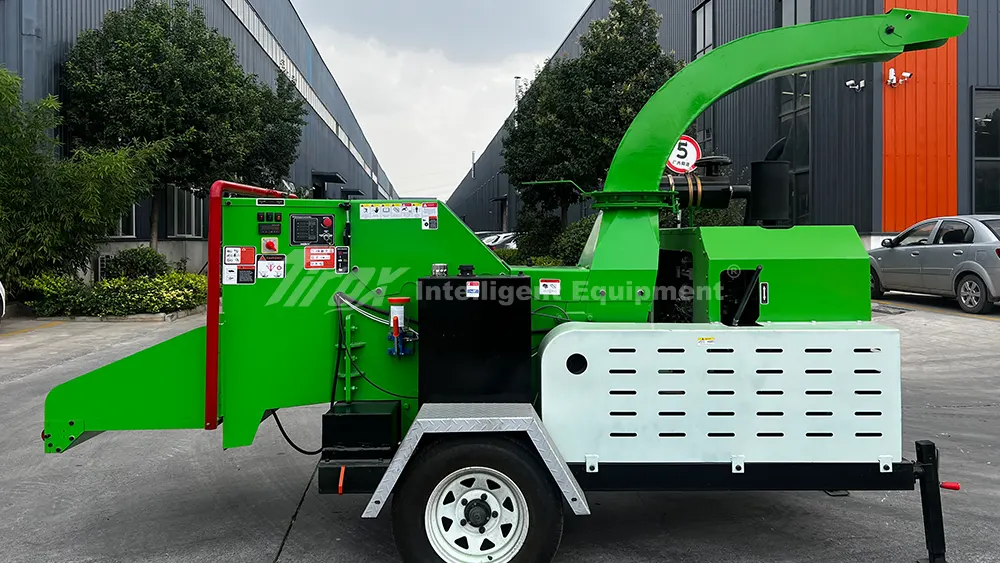
I recall a conversation with a large farm owner who used one of our portable sawmills and a wood chipper. He confided that before getting the chipper, leftover branches and slabs were just a nuisance. After chipping, he found himself with a newfound resource: free mulch for his trees. This is a common story I hear. The main point of a wood chipper goes beyond just reducing volume; it’s about transforming waste into something useful. What you do with that pile depends on your needs. For instance, our wood chippers, such as the ZSYL series, are designed to produce chips that can be used for various purposes.
Mulching and Landscaping
Wood chips are an excellent, highly effective organic mulch. Spreading them around plants helps the soil retain moisture, which reduces the need for frequent watering, and they are very effective at suppressing weed growth by blocking sunlight. As they slowly decompose over time, they add valuable organic matter and nutrients to the soil, improving its structure and fertility. For landscaping projects, they also provide an aesthetic ground cover for pathways and garden beds. Our chippers can produce chip sizes ranging from 5mm to 50mm, which are suitable for a wide array of mulching applications. This makes them ideal for large farms, landscaping companies, and even municipalities that use the wood chips as mulch.
Composting
Wood chips provide a vital carbon source in compost piles, offering a balance to the nitrogen from other organic materials like green waste or food scraps. They help create good aeration within the compost mix, promoting healthy decomposition by microorganisms. This blend breaks down into a rich, nutrient-filled compost that can significantly enrich garden soil and nourish plants, enhancing growth and vigor. Incorporating wood chips into compost not only reduces waste but also creates a valuable soil amendment.
Biomass Fuel Preparation
For operations generating higher volumes of wood chips, preparing them for biomass fuel is a significant use. These chips can be dried and then either directly used as fuel in industrial boilers for heat and electricity generation, or further processed into densified forms like wood pellets. This offers a cleaner and more sustainable alternative to traditional fossil fuels, positioning wood chips as a crucial part of the renewable energy movement. This is a primary application for the output of many of our industrial chippers.
Construction and Manufacturing Raw Material
Wood chips can also serve as a valuable raw material for the construction and manufacturing industries. They are often used in the creation of engineered wood products such as plywood, particleboard, or other construction boards. By mixing wood chips with various binders and resins, manufacturers can create strong and viable building components that are used in everything from housing to furniture. This approach not only provides a way to utilize waste wood but also contributes to reducing overall pollution. These applications underline how chippers help the environment and create new value from what was once considered trash.
Are wood chips good for anything?
You might be skeptical, thinking wood chips are just glorified yard waste. But are these tiny pieces of wood truly versatile enough to be considered valuable? Absolutely, wood chips are remarkably useful across multiple industries and applications.
Yes, wood chips are highly versatile: they are a key component in renewable biomass energy production, an excellent soil amendment for agriculture and horticulture, a fundamental raw material for the paper and construction industries, and a beneficial material for erosion control and recreational surfacing.
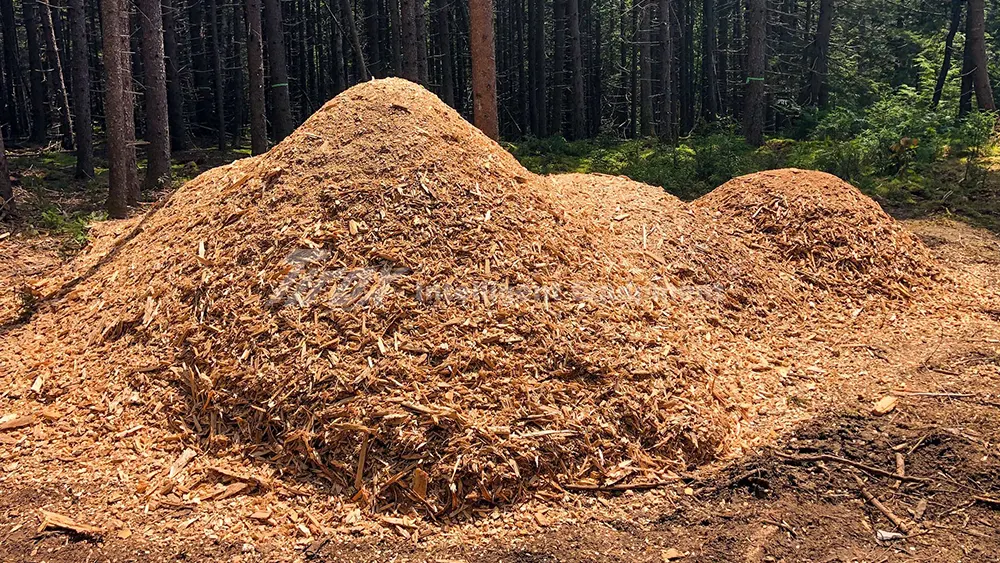
My journey in the wood equipment manufacturing industry has shown me time and time again that wood chips are far from waste; they are a commodity. They represent a sustainable solution for waste management and resource recovery.
Biomass Energy
One of the most significant uses for wood chips is in the biomass energy sector. Here, wood chips are converted into wood pellets or directly used as fuel in boilers for heat and electricity generation. This process makes full use of their energy content, providing a cleaner alternative to fossil fuels, which establishes wood chips as a crucial part of the renewable energy movement. Our machines are specifically designed to produce chips that are optimally sized for this application, typically falling within the 10-50mm range, ensuring high efficiency for power plants and biomass facilities.
Agriculture and Horticulture
In farming and gardening, wood chips are a game-changer for soil health. As I mentioned earlier, they excel as mulch, preserving soil moisture by reducing evaporation and effectively keeping weeds at bay. This means less water usage and a reduced reliance on chemical herbicides. They are also fantastic as an addition to compost piles, contributing essential carbon for decomposition and improving soil structure as they break down. Some farmers even use fine wood chips as animal bedding, which, after use, can be integrated into manure composting systems, creating a sustainable cycle.
Paper Industry
The paper industry relies heavily on wood chips as a primary raw material. For paper production, wood is first cut into small, uniform chips, which are then processed into pulp through various chemical or mechanical means. The quality and consistency of these chips directly impact the strength, smoothness, and overall quality of the final paper product. Without good, evenly sized chips, producing high-quality paper would be significantly more challenging and less efficient.
Construction and Manufacturing
Wood chips find their way into the construction and manufacturing sectors with increasing frequency. They are crucial for making engineered wood products like plywood, particleboard, medium-density fiberboard (MDF), and oriented strand board (OSB). By mixing wood chips with various binders and resins, manufacturers can create durable and versatile materials that are used in everything from housing construction to furniture fabrication. This process not only provides an effective way to utilize wood waste but also contributes to producing stronger, better products and reducing overall pollution.
Erosion Control and Playground Surfaces
On a practical level, wood chips can be used effectively for erosion control on slopes, embankments, and construction sites. They help stabilize the ground, reduce soil runoff, and promote revegetation. Furthermore, specially engineered wood chips are commonly used as safe, compliant surfacing for playgrounds, providing a resilient and cushioned layer for impact absorption, which meets safety standards. This broad utility truly highlights that wood chips are indeed good for many things. You can find more comprehensive details on the versatile applications of these materials on our blog: The Many Uses of Wood Chippers.
How to repurpose wood chips?
You’ve chipped down your woody debris, but simply disposing of the chips feels like a missed opportunity. How can you go beyond basic waste management and truly repurpose this valuable material? Let’s explore practical ways to transform wood chips from waste into worth.
Repurposing wood chips involves transforming them into valuable products like nutrient-rich mulch for gardening, clean biomass fuel for energy, a carbon source for composting, or even raw materials for manufactured goods, minimizing waste and maximizing resource utilization.
The concept of “repurposing” is central to sustainable practices, and wood chips are a prime example of a material that can be effectively repurposed. At TIROX, we encourage our B2B customers, from forestry companies to waste management centers, to see wood chips not as waste, but as assets, capable of generating new value.
Direct Application as Mulch
This is perhaps the most straightforward and widely adopted repurposing method. After chipping, the wood chips can be spread directly onto garden beds, around trees, or in pathways. They are incredibly effective at suppressing weed growth, retaining soil moisture, and moderating soil temperature, which significantly benefits plant health. For example, our wood chippers are specifically designed to produce chips that are ideal for mulching purposes, offering varying sizes to fit different needs and preferences.
Integration into Composting
For those looking to improve soil quality and create rich organic material, wood chips are an excellent “brown” or carbon-rich component for compost piles. They help balance the “greens” (nitrogen-rich materials like grass clippings or food scraps) in the compost blend and ensure proper aeration, which is crucial for microbial activity and efficient decomposition, ultimately leading to high-quality, nutrient-rich compost.
Biomass Production
This represents a major industrial repurposing of wood chips. The chips are further processed for use in biomass energy plants. This typically involves screening, drying, and then either direct combustion in specialized boilers or compression into popular biomass products like wood pellets. This directly converts woody waste into a renewable and more environmentally friendly energy source, reducing reliance on fossil fuels. Find out more about our wood chippers suitable for biomass production.
Manufacturing Feedstock
Beyond energy generation, wood chips serve as a critical feedstock for creating new products in various industries. They are a primary ingredient in the production of particleboard, medium-density fiberboard (MDF), and other engineered wood products. Some specialized chips are even used for pulp and paper production, contributing to the creation of essential cellulose-based materials. You can learn more about general wood chipper applications by checking out resources like Wikipedia’s entry on the wood chipper.
Erosion Control and Animal Bedding
On a more practical and ecological level, wood chips are widely used on construction sites or disturbed land to prevent soil erosion. They stabilize the ground, reduce surface runoff, and promote the natural revegetation process. In agricultural settings, particularly on larger farms, wood chips are used as absorbent and comfortable animal bedding. After use, this wood chip-manure mixture can then be integrated into composting systems, creating a sustainable closed-loop system for farm waste. Our equipment often supports these diverse applications, truly closing the loop on wood waste management.
Conclusion
Wood chips are a valuable resource, transformable into biomass fuel, agricultural mulch, composting material, or industrial raw materials, effectively turning what was waste into a multitude of useful products.