

Ever wondered why professionals in the wood processing industry choose tracked wood chippers over other types? Let’s dive into the world of tracked wood chippers and discover their unique advantages.
Tracked wood chippers are innovative machines designed for efficient wood processing, especially in challenging terrains and large-scale operations. Offering mobility, power, and versatility, they are a preferred choice for many professionals in forestry, landscaping, and biomass energy sectors.
Stick around as we delve deeper into the functionalities, benefits, and applications of tracked wood chippers.
Introduction to Tracked Wood Chippers: How Do They Work?
Before we explore why tracked wood chippers are essential equipment in wood processing, it’s important to understand how they operate.
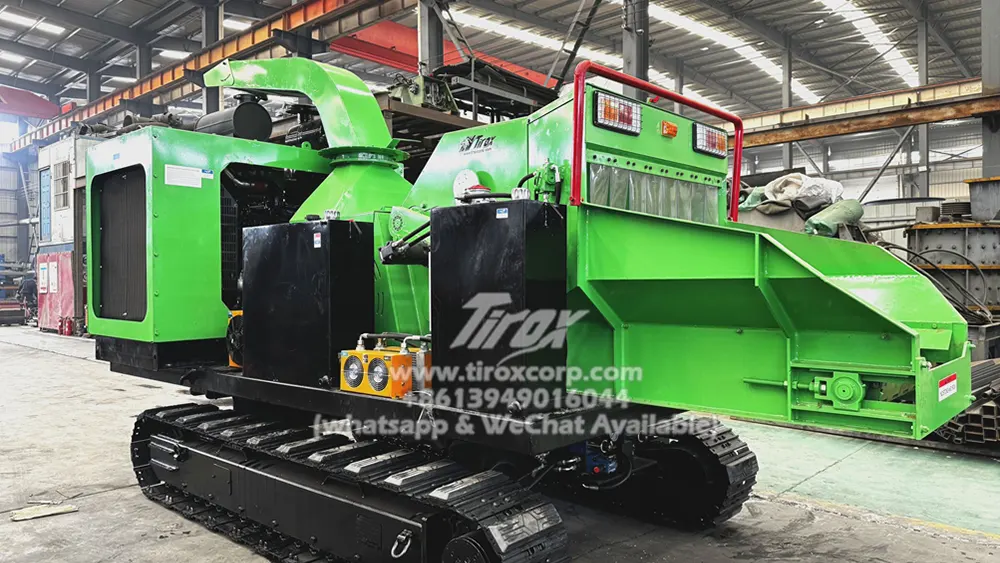
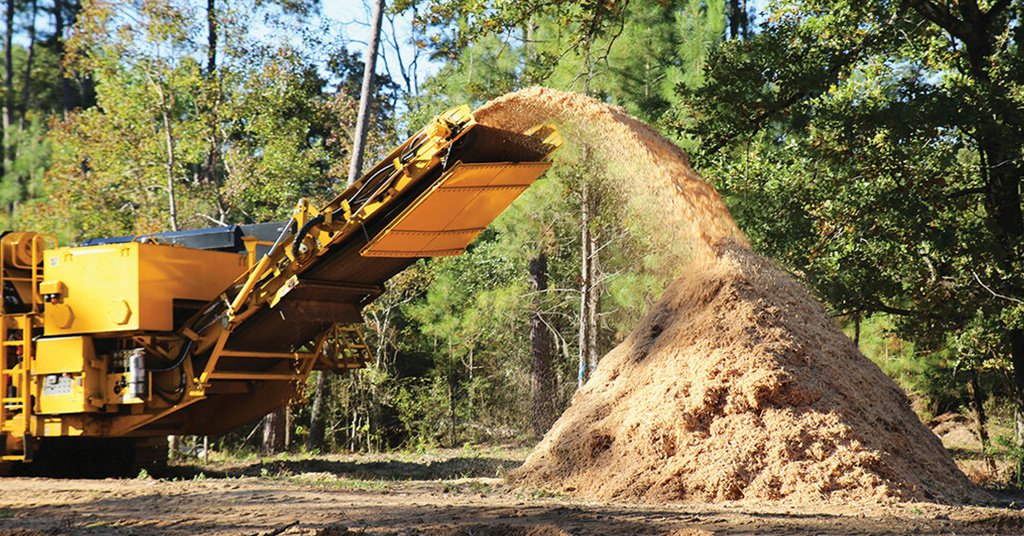
A tracked wood chipper is essentially a wood processing machine mounted on a track, similar to those on a tank or bulldozer. This design enables the machine to move across different terrains with ease, making it perfect for forest operations, land clearing, and more.
The machine works by pulling wood (logs, branches, etc.) into its chipping mechanism using a hydraulic feed system. This system adjusts its speed according to the diameter of the material, ensuring optimal performance and higher yield. The chipped wood is then expelled through a discharge chute, which can be aimed in any direction. Tracked wood chippers are typically powered by top-tier diesel engines, ensuring robust and reliable performance.
Difference between Tracked and Trailed Wood Chippers: What Sets Them Apart?
While wood chippers are crucial in wood processing, not all are created equal. Tracked and trailed wood chippers, for instance, offer distinct capabilities. But what differentiates them?
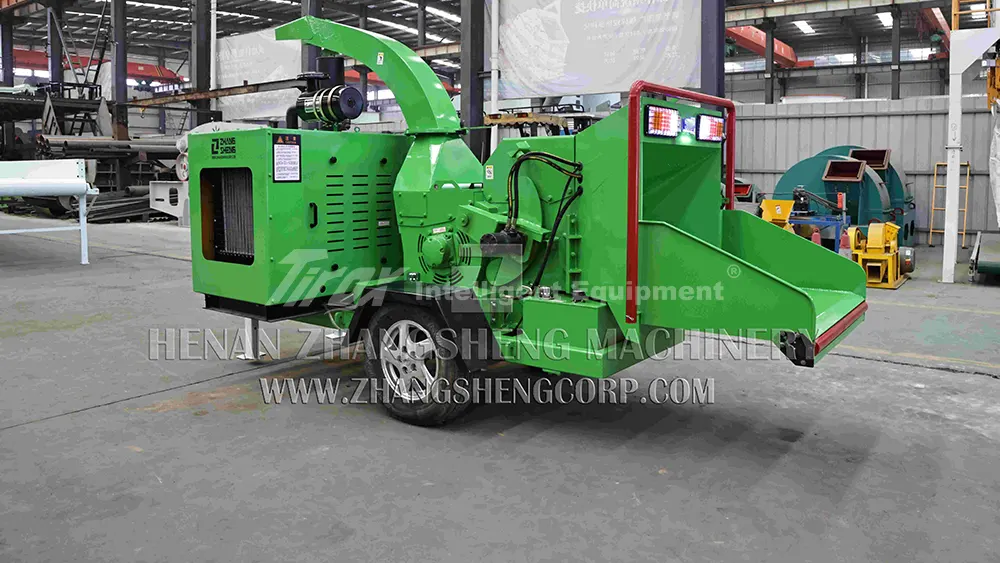
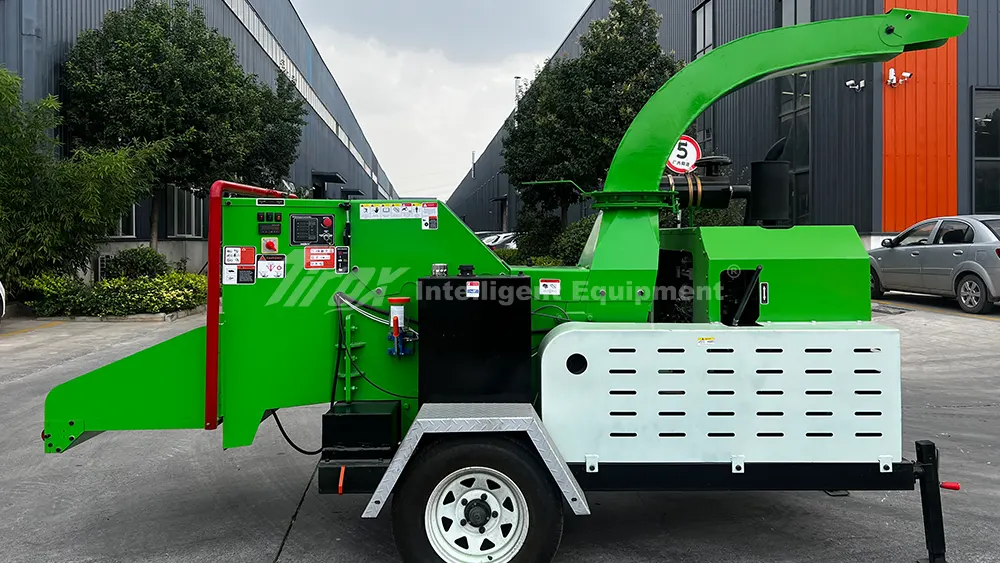
Unlike trailed wood chippers that are towed behind a vehicle, tracked wood chippers have their own propulsion system. This allows them to access areas where vehicles can’t, such as steep or muddy terrains. Moreover, tracked wood chippers are more stable, reducing the risk of tipping over during operation.
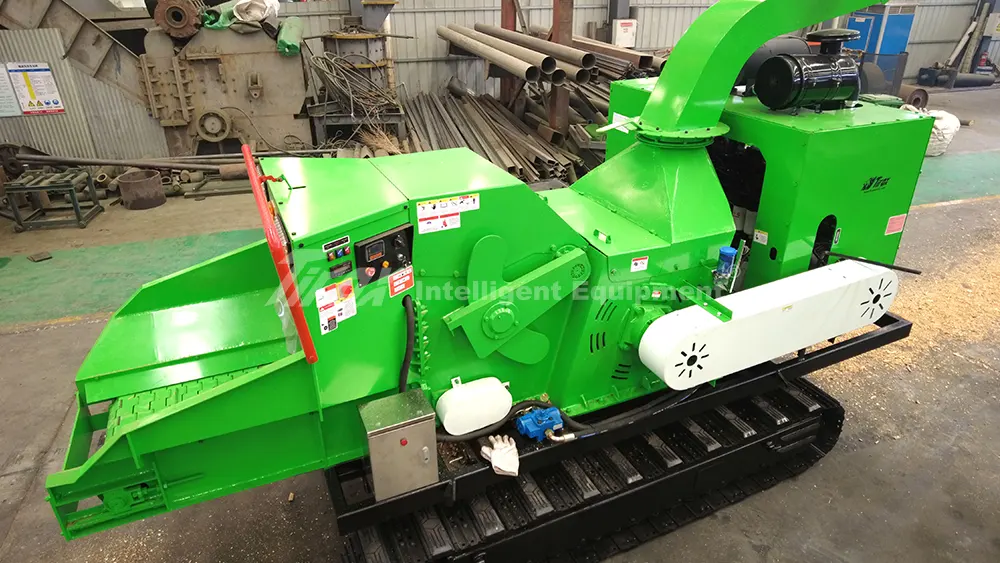
Tracked wood chippers also come with smart feeding systems that monitor the crushing load in real-time. This can automatically adjust the feed speed or stop feeding to prevent blockages, ensuring smoother operations. They also feature user-friendly controls and smart control panels to keep you informed about key operating conditions.
The Advantages of Using Tracked Wood Chippers: Why Choose Them?
Now that we’ve established what sets tracked wood chippers apart, let’s delve into why they’re a preferred choice among professionals.
Tracked wood chippers offer several advantages, including mobility, versatility, efficiency, and safety. Their ability to navigate challenging terrains makes them ideal for varied applications, from forestry operations to waste management.
Due to their robust design and advanced features, tracked wood chippers can handle a wide range of materials and sizes, boosting productivity. Their intelligent feeding system ensures smooth operations, while their user-friendly controls and smart control panels make them easy to operate and monitor. Furthermore, their independent conveyor control adds an extra layer of safety, allowing for immediate forward, reverse, or stop actions in case of emergencies.
Conclusion
Tracked wood chippers, with their innovative design and advanced features, offer unmatched efficiency and flexibility in wood processing. Whether for forestry, landscaping, or biomass energy production, they make a valuable addition to any operation.