

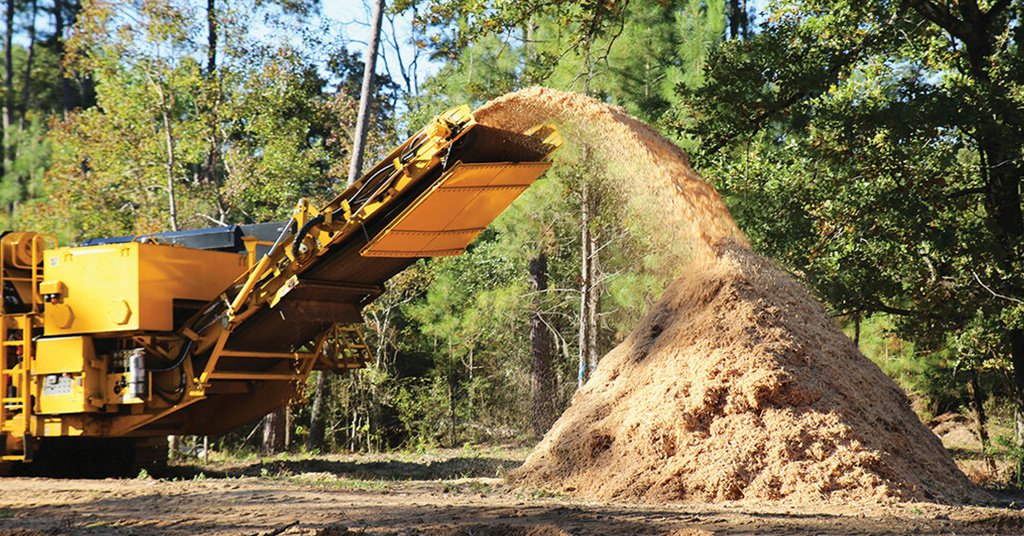
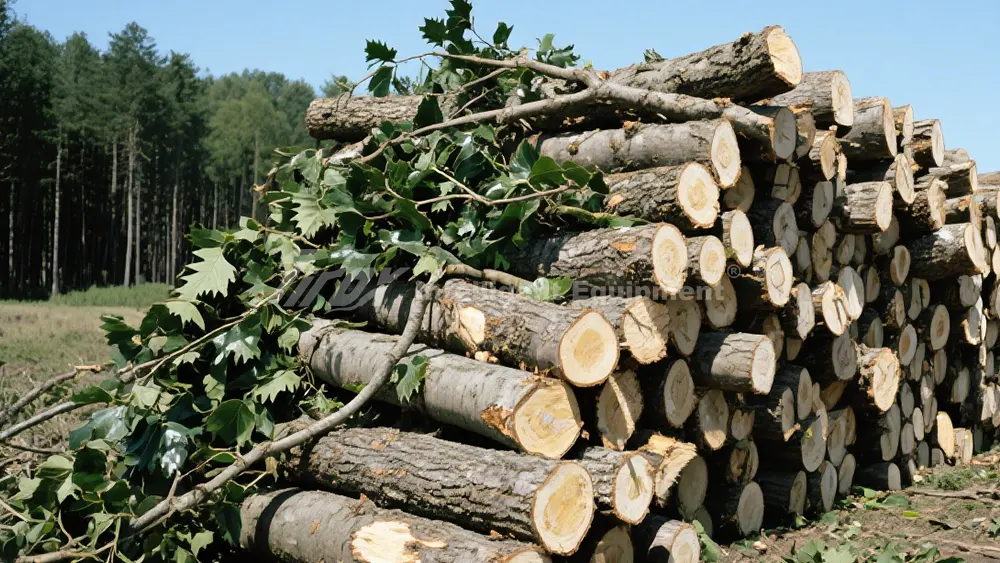
Downtime eats into profits. Unplanned breakdowns can halt your operations, frustrate your team, and cost you customers.
To keep your industrial wood chipper running at peak efficiency, regular preventative maintenance is essential. A clear schedule of daily, weekly, and deep component checks helps avoid expensive repairs and maximizes uptime.
The stakes are high. If your chipper stops, your whole operation slows down. But with the right strategies, you can protect your investment and keep the chips flying. I have seen firsthand how a proactive approach saves money and builds trust with customers. ◆ ◆
Understanding Your Industrial Wood Chipper: What Are Its Key Components and Types?
An industrial wood chipper is a complex machine. Each part must work together to deliver safe, efficient operation.
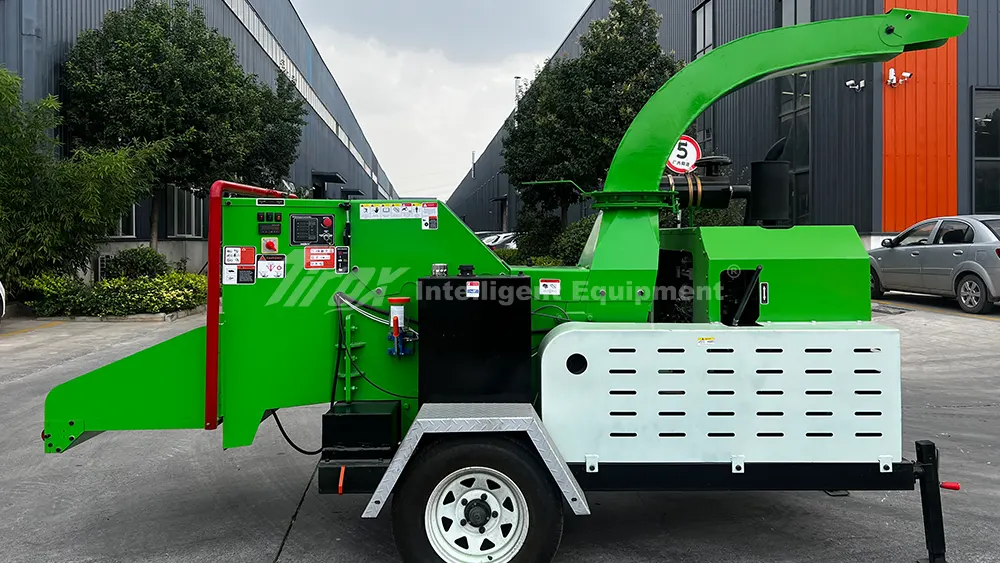
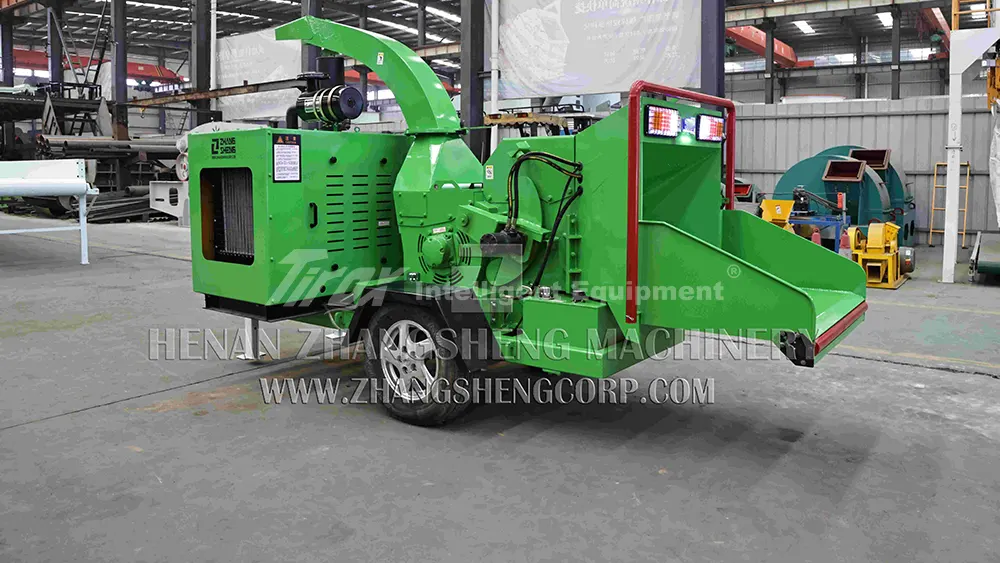
The main components are the infeed hopper, chipping mechanism, discharge chute, and engine or PTO drive. There are three main types: drum chippers, disc chippers, and horizontal grinders. Each has specific maintenance needs.
Component Overview Table
| Component | Function | Maintenance Focus |
|---|---|---|
| Infeed Hopper | Feeds material into the chipper | Clear debris, inspect for damage |
| Chipping Mechanism | Cuts wood into chips | Blade sharpness, alignment |
| Discharge Chute | Directs chips out | Remove clogs, check wear |
| Engine/PTO | Powers machine | Oil, filter, cooling checks |
Knowing your chipper’s design allows you to tailor a maintenance plan. Drum chippers need regular drum inspections. Disc chippers require blade gap checks. Horizontal grinders have unique hydraulic and conveyor systems. ◆ ◆
What Are the Essential Daily & Weekly Maintenance Checks?
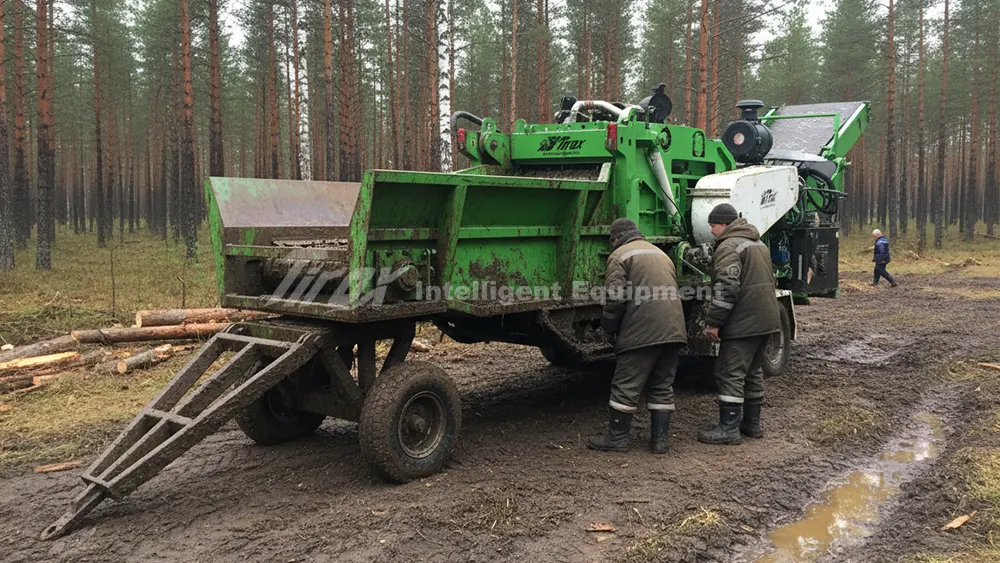
Small problems grow fast. Daily and weekly inspections prevent costly downtime and keep your team safe.
Check fluid levels, belt tension, and tire pressure before each shift. After use, clean out debris from the hopper, chute, and engine bay. Listen for odd noises or vibrations and tighten any loose fasteners.
Sample Maintenance Checklist
| Frequency | Action | Why |
|---|---|---|
| Daily | Check fluids, inspect belts, clean debris | Prevents wear and accidents |
| Weekly | Lubricate bearings, inspect knives, test safety features | Extends machine life |
I have watched operators skip these steps and pay the price. Simple routines, like checking oil and cleaning the intake, keep your chipper running reliably and safely. ◆
How Do You Maintain Key Chipper Components for Maximum Performance?
Blade dullness and loose belts quickly erode performance. Key components must be maintained with care and precision.
Knives, blades, and anvils should be sharp and properly installed. Follow rotation and replacement schedules from the manufacturer. Adjust anvil gaps to factory specs. Lubricate bearings with recommended oils. Inspect belts and pulleys for wear; tension them as needed. Change engine and hydraulic fluids on schedule and keep filters clean.
Maintenance Intervals Table
| Component | Interval | Action |
|---|---|---|
| Blades/Knives | Weekly | Check sharpness, replace if dull |
| Bearings | Monthly | Lubricate, inspect for wear |
| Engine/Hydraulics | Per manufacturer | Change oil, replace filters |
On my own machines, I set calendar reminders for these tasks. I use only the lubricants and blades specified by the manufacturer, which you can find in TIROX’s knowledge base. This keeps my equipment in top shape. ◆ ◆
What Safety Protocols Should You Always Follow During Maintenance?
Safety mistakes can lead to serious injury. Always use proper procedures to protect yourself and your team.
Before any maintenance, lock out and tag out the chipper. Wear personal protective equipment, including gloves and eye protection. Handle sharp blades and heavy parts with care. Never bypass safety guards or work alone in risky situations.
Safety Practices Table
| Action | PPE Needed | Result |
|---|---|---|
| Lock-out/Tag-out | Gloves, signage | Prevents accidental startup |
| Blade Handling | Cut-resistant gloves | Reduces injury risk |
| Cleaning Debris | Eye protection | Prevents flying debris injuries |
I learned that shortcuts in safety never pay off. Training your team and enforcing basic safety protocols protects people and keeps your operation running smoothly.
How Can You Troubleshoot Common Chipper Problems Efficiently?
When problems arise, quick diagnosis is critical. You need a plan to get back up and running fast.
If you notice reduced chipping efficiency, check for dull blades or material clogs. Excess vibration may signal loose fasteners or worn bearings. Engine problems often trace back to dirty filters or low fluid levels. Follow manufacturer troubleshooting guides for best results.
Problem-Solution Table
| Problem | Possible Cause | Solution |
|---|---|---|
| Reduced Output | Dull blades, clogged hopper | Sharpen blades, clear debris |
| Vibration/Noise | Loose parts, worn bearings | Tighten, lubricate, replace as needed |
| Engine Issues | Dirty filters, low fluids | Replace filters, refill fluids |
My rule is simple: address small issues before they become big ones. Keep a troubleshooting checklist on hand and train your team to spot problems early. ◆
Conclusion
Regular, proactive maintenance keeps your industrial wood chipper running smoothly, protects your investment, and maximizes profits in B2B operations.