
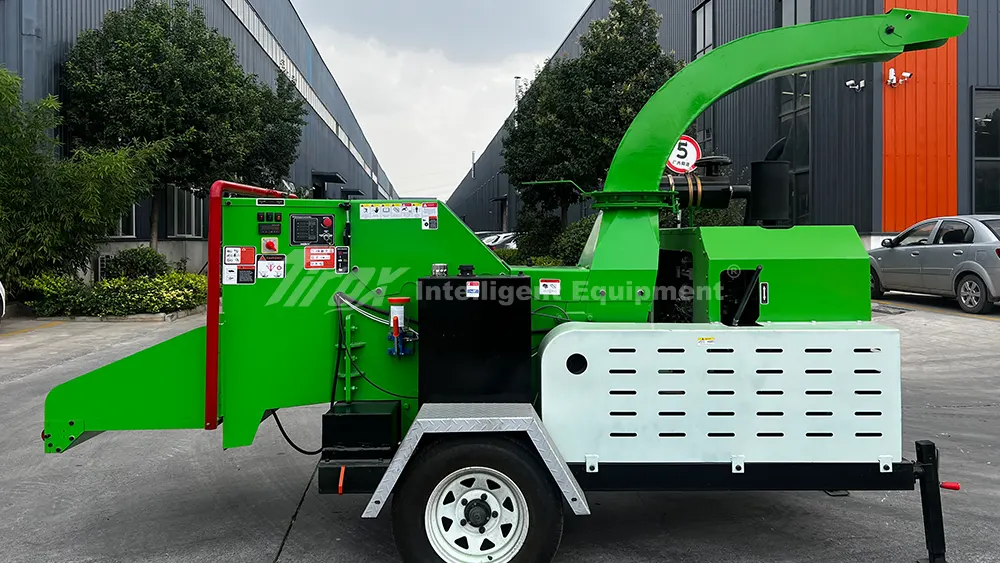
Ever wondered how dead wood really affects your wood chipping operations?
Chipping dead wood can lead to increased wear and potential damage to industrial wood chippers, impacting efficiency and maintenance costs.
Dead wood is denser and harder than live wood, which can strain the machinery, leading to more frequent knife changes and maintenance. But what exactly happens when you chip dead wood, and how can you mitigate the risks?
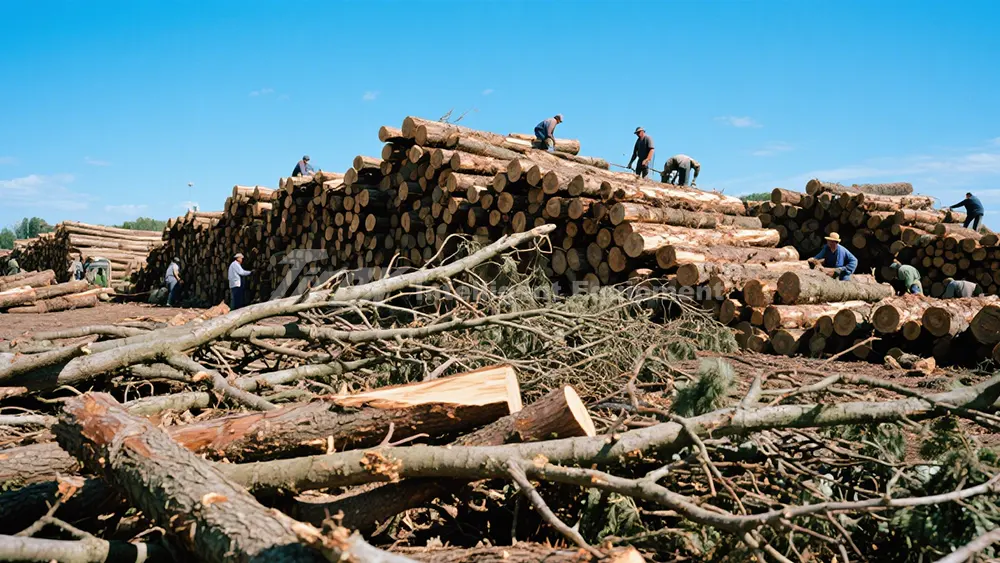
How does dead wood differ from live wood in terms of chipping?
Understanding the material you’re working with is crucial in any industry.
Dead wood, being drier and harder, poses different challenges for chippers compared to greener, more pliable live wood.
While live wood is generally easier to process due to its moisture content and flexibility, dead wood can be more abrasive and tough on the equipment. This can result in uneven chip sizes, increased dust production, and higher potential for equipment damage. It’s essential to adjust the settings on your wood chipper to accommodate these differences to maintain efficiency and extend the lifespan of your machinery.
What are the potential risks and damages when chipping dead wood?
Chipping dead wood isn’t without its hazards.
Dead wood can cause accelerated wear and tear on blades and other critical components of wood chippers.
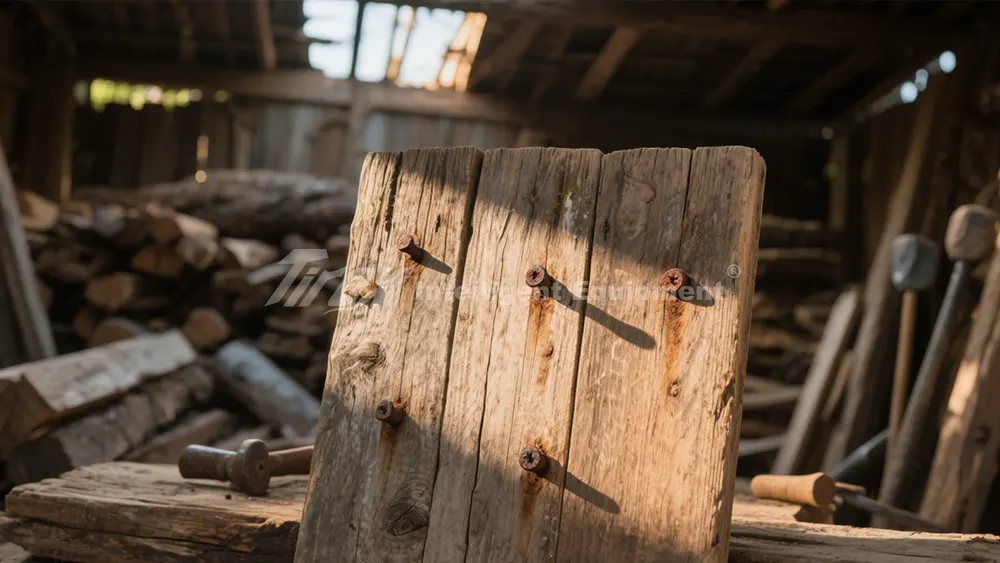
Due to its hardness and lack of moisture, dead wood can dull chipper blades faster than live wood. This not only affects the quality of the wood chips produced but also increases the downtime and costs associated with blade sharpening and replacement. Moreover, the increased stress on the machinery can lead to breakdowns and costly repairs if not managed properly.
How can you minimize damage and maintain efficiency when processing dead wood?
It’s all about the approach and the preparation.
By implementing a few strategic practices, you can effectively chip dead wood without compromising your equipment’s integrity or performance.
Pre-chip inspection and sorting can help remove overly hard or rotted pieces that could cause jams or damage. Adjusting the feed rate and ensuring your wood chipper’s settings are optimized for the specific characteristics of dead wood can also reduce strain on the machine. Regular maintenance and timely blade sharpening will further help in keeping your wood chipper in top condition, even when processing tougher materials like dead wood.
Conclusion
Properly managing dead wood chipping can prevent damage and maintain operational efficiency.