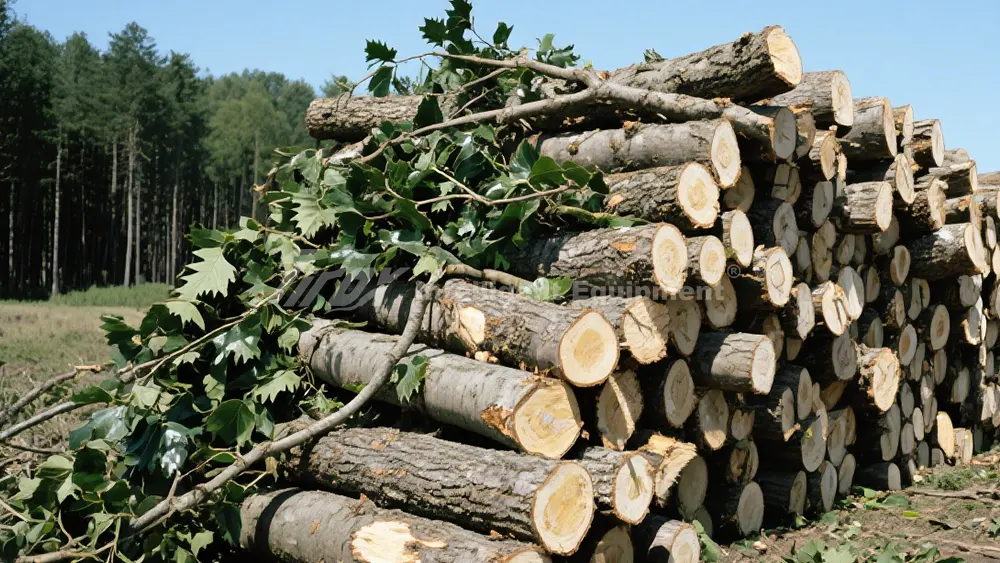
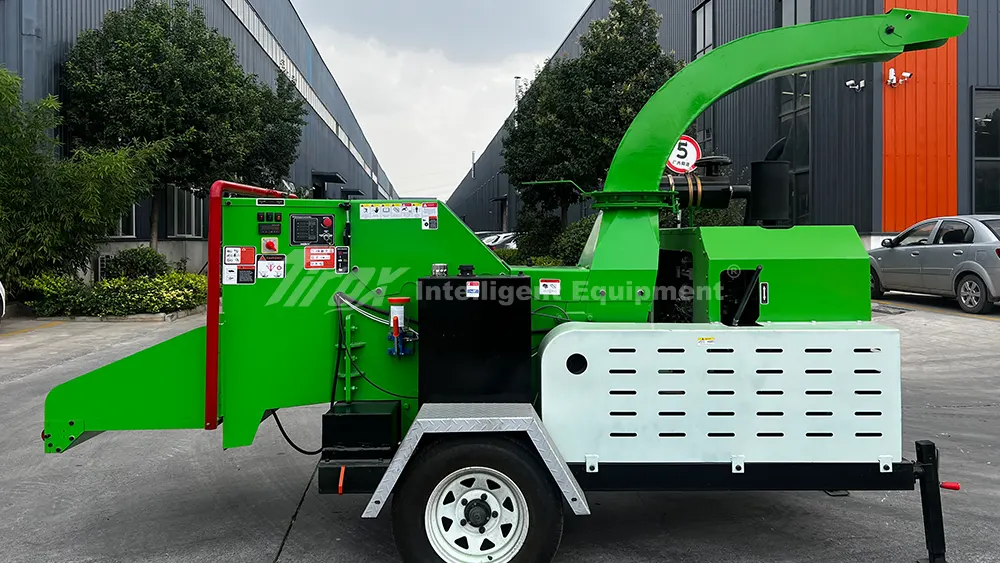
Choosing the right equipment for wood processing can be tricky. I often see customers confused about whether to use a wood chipper or a horizontal grinder. We are here to help you understand the core differences.
A wood chipper cuts wood into uniform chips, ideal for clean material and specific end products like pulp, while a horizontal grinder smashes diverse materials, including dirty wood and stumps, into an irregular grind for uses like mulch or biomass fuel. Each machine has a distinct purpose and mechanism.
At TIROX, with 22 years in the wood equipment industry, I have seen countless operations. I know that picking the correct machine for your specific needs is not just about price; it is about efficiency, output quality, and long-term success. Let us explore these differences together.
Horizontal Grinders vs. Industrial Wood Chippers: A Comprehensive Guide for Forestry & Biomass Professionals?
You might be asking yourself if a chipper or a grinder is better for your business. Understanding the fundamental differences is the first step. I want to make sure you make the best decision for your operations.
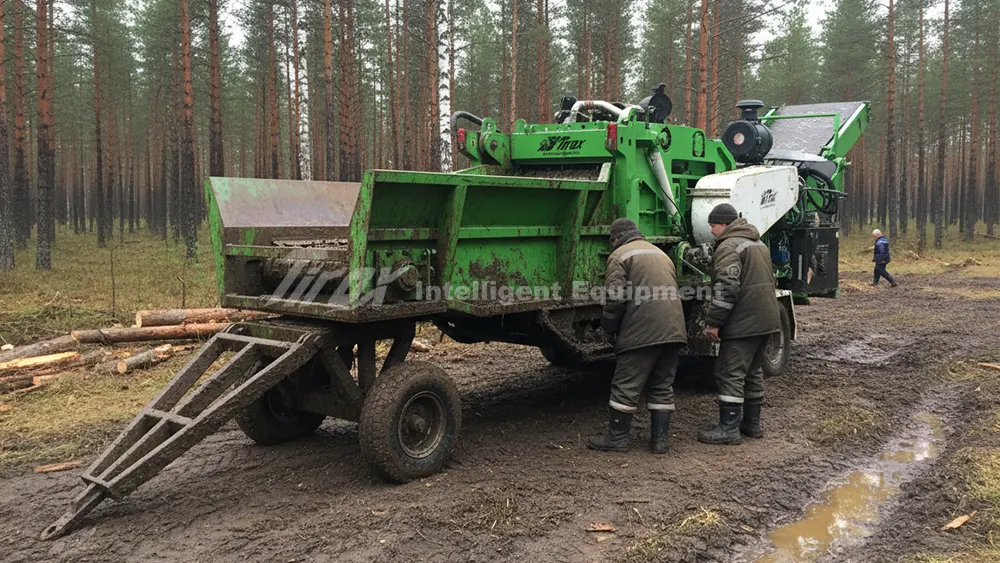
Industrial wood chippers use sharp blades to slice clean wood into uniform chips, perfect for specific industrial uses. Horizontal grinders use hammers to smash a wider range of materials, including contaminated wood, into a more varied output for mulch or fuel.
When I talk to forestry and biomass professionals, they often need to know what machine handles what material. My experience shows that the type of raw material you have and the final product you need are key. Let’s break down how these machines work and what they can process for you.
Fundamental Differences in Operation
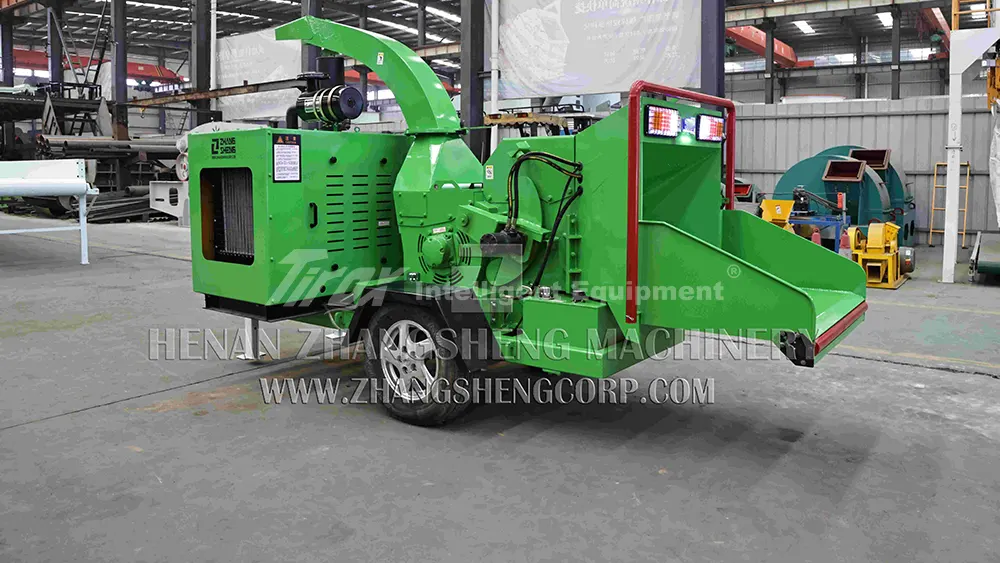
I have observed that the core difference lies in how they process wood. A wood chipper works like a giant set of knives. It uses sharp blades to slice the wood. This method creates a very consistent chip size. This is important for industries that need uniform material. On the other hand, a horizontal grinder uses a different approach. It has a rotor with heavy hammers that spin very fast. These hammers hit and smash the material against an anvil or screens. This impact-based grinding reduces the material size. It makes the output more varied. It can also handle tougher, more mixed materials. I have seen our customers use chippers for clean logs and grinders for things like old pallets with nails. The choice depends on what you feed the machine and what you want to get out. It also impacts the wear parts. Blades on chippers need sharpening. Hammers on grinders wear down differently. Each method has its benefits for specific tasks.
Material Handling Capabilities & Feedstock Compatibility
I always tell our customers to look at their raw material first. Industrial wood chippers are best for clean wood. This includes fresh logs, branches, and specific forest residues. They are designed to make consistent chips from these materials. Our chippers have a hydraulic forced feeding system. This system adjusts speed for different material diameters. It ensures optimal performance. It also helps with higher output. This means you can feed logs of various sizes efficiently. However, chippers do not like dirty wood or stumps with soil and rocks. These can damage the blades quickly. In contrast, horizontal grinders are very versatile. They can process a wide range of challenging materials. This includes dirty wood, stumps, construction and demolition (C&D) waste, green waste, and mixed organic materials. The hammer mill design is more forgiving. It can handle contaminants like dirt, rocks, and even some metals. Our smart feed system monitors the load. It adjusts feeding speed to prevent blockages. This ensures smooth operation even with mixed materials. We often see grinders used in recycling centers because of this versatility. Learn more about our equipment’s capabilities on our blog.
Output Product Characteristics & End-Use Applications
What you want to do with the processed wood largely dictates your machine choice. Wood chippers produce uniform, consistently sized chips. These chips are perfect for specific industries. They are used in pulp and paper manufacturing. They are also used for engineered wood products. These include particleboard or OSB. Many of our customers use these chips for biomass pellets. They also use them for specific energy generation. The consistent size ensures efficient burning or processing. Horizontal grinders, however, produce a different kind of output. The material is typically more irregular and coarser. The fineness depends on the screens used. This grind material is excellent for landscaping mulch. It is also good for compost additives. Some use it for boiler fuel. It is also used for landfill diversion. The key is that the output from a grinder is not as uniform as from a chipper. For example, if you need chips for a paper mill, a chipper is your only choice. If you are making landscaping mulch, a grinder works better. The specific end-use drives the decision. We help customers match their desired output to the right machine.
Key Applications in Forestry, Biomass Energy, and Waste Management
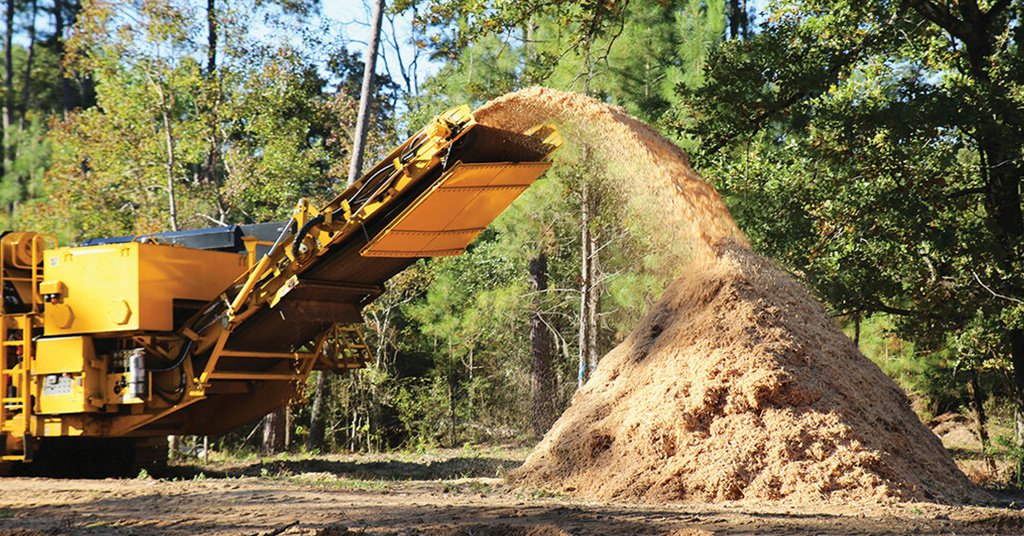
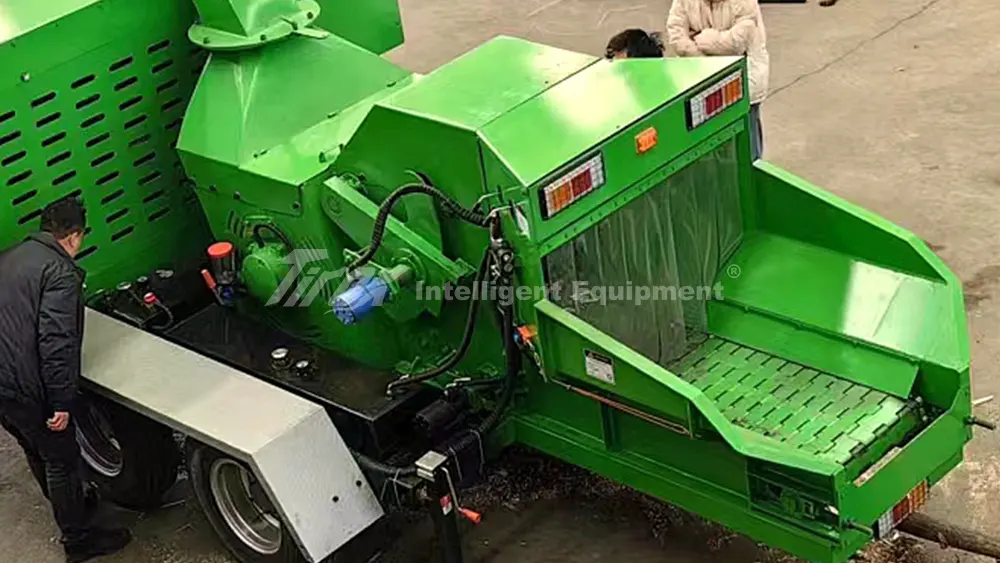
My work at TIROX involves seeing our machines used in many different settings. Wood chippers are essential for forest residue management. They clean up logging sites. They turn branches into useful chips. They are also used in land clearing. This is where clean timber needs processing. Many dedicated biomass fuel producers rely on chippers. They need specific chip sizes for their processes. For example, a power plant might require chips within a narrow size range. This ensures efficient combustion. On the other hand, horizontal grinders shine in other areas. They are used for large-scale biomass processing. This includes materials that are not clean. They are also vital in organic waste recycling centers. Here, they process municipal green waste. They handle C&D debris reduction. This involves wood mixed with other materials. For example, a tracked horizontal grinder can move easily in a forest or recycling yard. This is great for processing large stumps or mixed debris on site. Our tracked horizontal grinder, developed in 2017, is perfect for complex operating environments. Find out more about TIROX and our innovations.
Beyond the Cut: Deep Dive into the Mechanical & Performance Disparities of Industrial Chippers and Grinders?
It is not just about what they do, but how they are built and how they perform. I want to explain the mechanical details. This will help you understand why each machine excels at different tasks. It also shows why they operate differently.
Industrial chippers use precise cutting mechanisms like drums or discs with sharp blades for uniform output. Grinders use impact force from hammers to reduce various materials. This leads to different power needs, maintenance, and overall performance.
When I visit our factory, I see the engineering behind every machine. The design choices directly affect their power, efficiency, and how much work they can do. Understanding these internal workings helps you grasp why one machine is better than another for your specific job. Let us look closer at the mechanics.
Mechanical Design & Engineering Principles
I have spent years observing the inner workings of these machines. The chipping mechanism in our industrial wood chippers is precise. There are two main types: drum chippers and disc chippers. Drum chippers have a large rotating drum with knives mounted on it. Disc chippers use a heavy steel disc with knives. Both designs focus on slicing the wood cleanly. The blade types and cutting angles are chosen for optimal chip quality. Our chippers use a hydraulic forced feeding system. This ensures a steady and controlled feed. It prevents jamming. It also protects the blades and engine. We also have an independent conveyor control. This allows you to stop or reverse the feed if needed. This is a safety feature. The grinding mechanism, found in our horizontal grinders, is different. It is built around a hammer mill. This consists of a rotor with many free-swinging hammers or flails. These hammers hit the material at high speed. This smashes it against screens. The screen designs dictate the final particle size. The impact forces are very high. This allows the machine to break down tough materials. We ensure our designs are robust for long-term use. You can learn more about hammer mills on Wikipedia.
Power Requirements & Fuel Efficiency
When I discuss power with customers, they often want to know about fuel use. Both chippers and grinders need significant horsepower. But their demands can