

Are you looking to boost your operational efficiency with the right wood chipper? Discover the top contenders now.
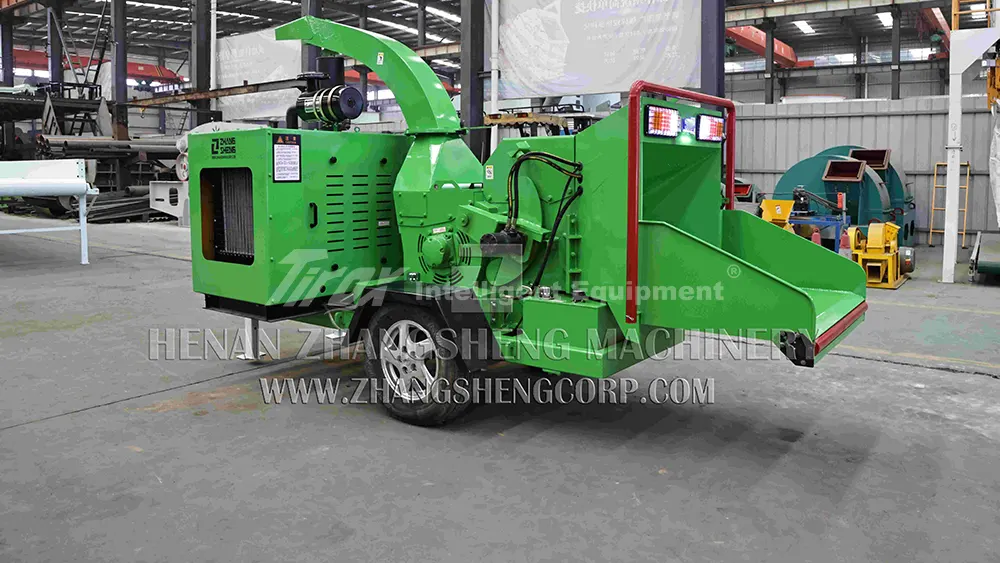
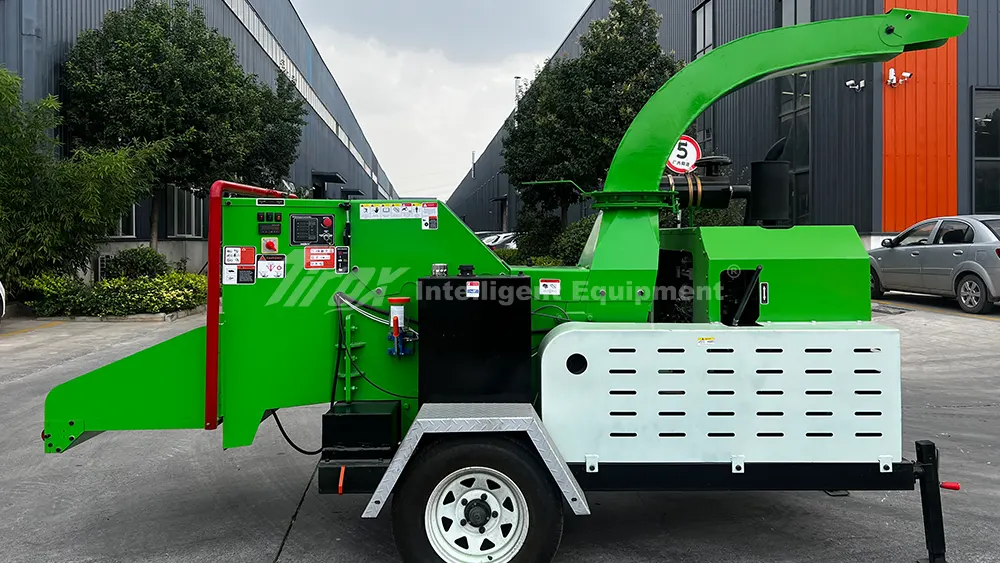
Understanding the key features that enhance operational efficiency is crucial when selecting a large commercial wood chipper. Speed, capacity, and fuel efficiency are paramount.
Choosing the perfect wood chipper can be daunting. Let’s simplify your decision-making process by diving into the world of high-efficiency chippers.
How Does Chipping Speed Influence Operational Efficiency?
Time is money, especially in commercial operations. How does chipping speed play into this?
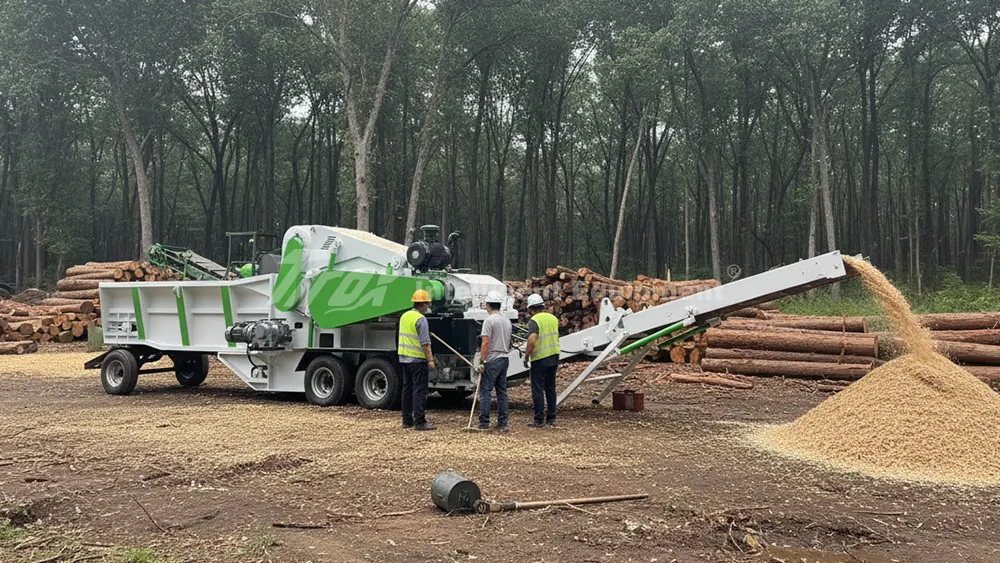
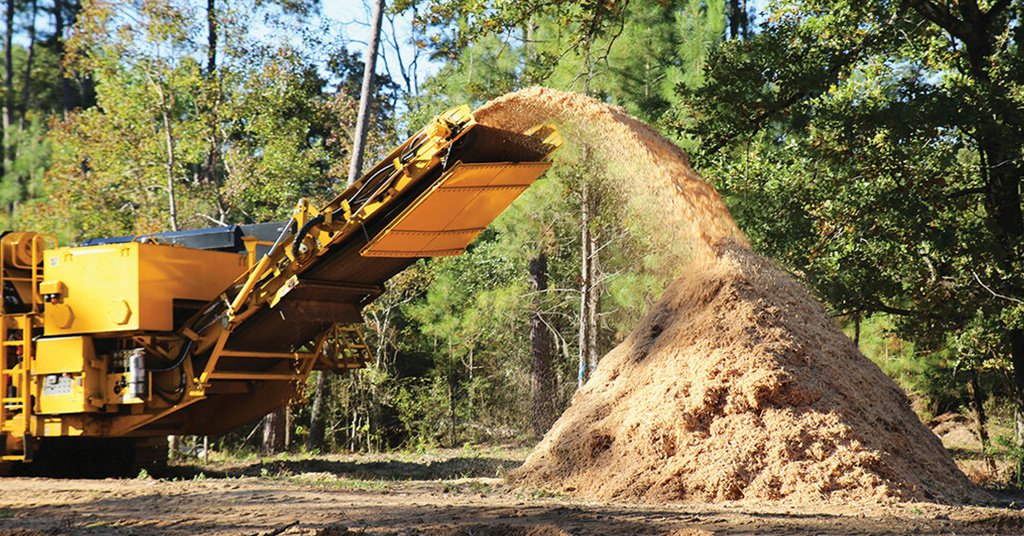
Higher chipping speeds mean faster processing of large volumes of wood, which significantly reduces downtime and increases throughput.
Chipping speed directly affects productivity. Faster chippers can handle more material in less time, crucial for meeting tight deadlines and boosting profitability. For businesses like biomass energy companies, where processing speed translates into operational efficiency, choosing a chipper with high RPM (revolutions per minute) can be a game-changer. This not only maximizes output but also reduces wear and tear, extending the machinery’s lifespan.
What Role Does Capacity Play in Choosing the Right Wood Chipper?
Capacity impacts how much wood a chipper can handle at once. But how does this affect your business?
Larger capacity chippers accommodate bigger loads, reducing the need for pre-cutting and frequent reloading, which in turn optimizes operational flow and reduces labor costs.
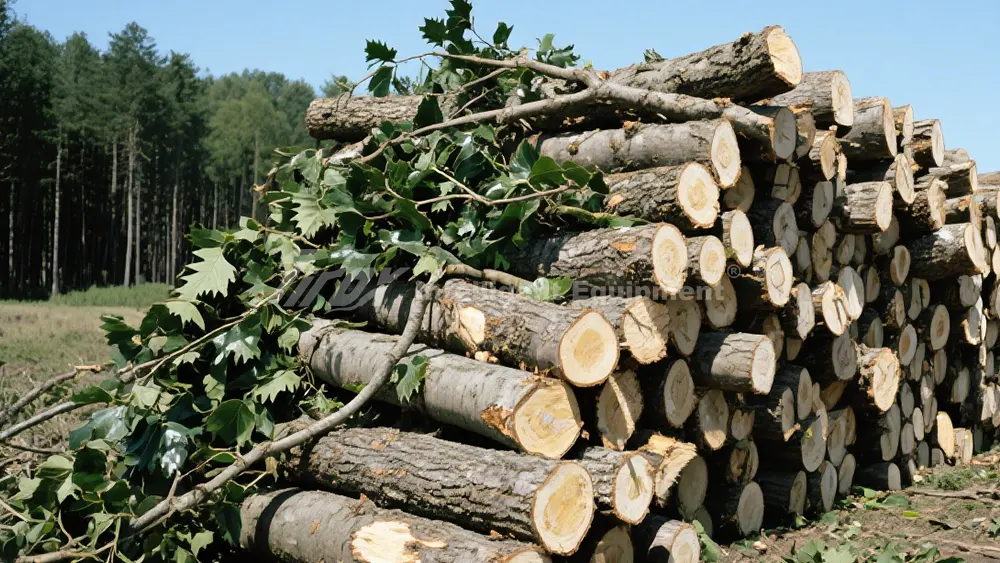
For operations that deal with vast amounts of wood waste, such as forestry and logging companies, a higher capacity chipper proves essential. It allows for the processing of large diameters and volumes without compromising on efficiency. This capability ensures continuous operation and minimizes interruptions, crucial for maintaining a steady workflow and maximizing output.
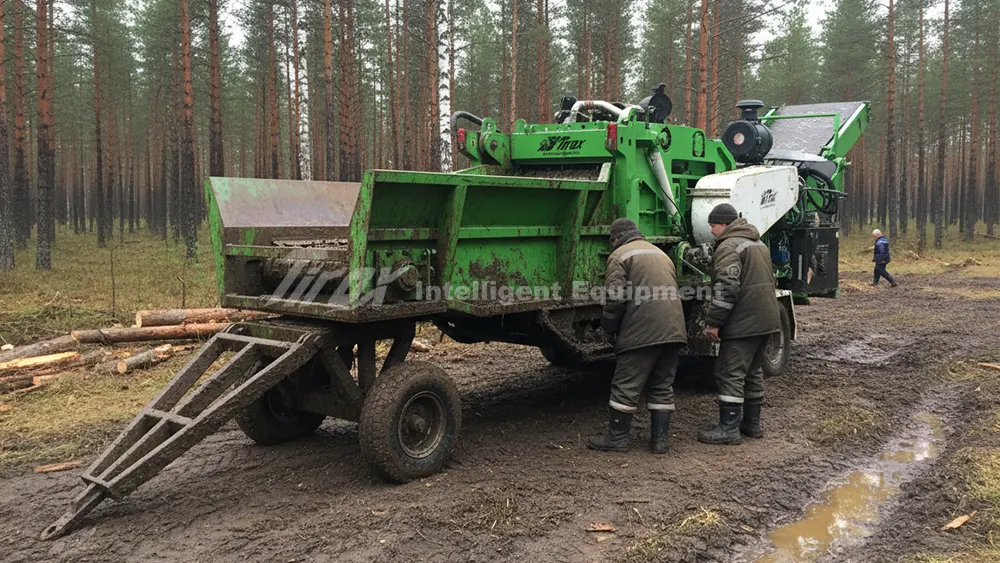
Is Fuel Efficiency a Critical Factor in Wood Chippers?
Fuel costs can add up. How does fuel efficiency impact the overall cost-effectiveness of wood chippers?
Opting for a fuel-efficient wood chipper can significantly reduce operational costs and is particularly vital for companies looking to enhance their sustainability practices.
Fuel efficiency in wood chippers is not just about saving money—it’s also about reducing environmental impact. Efficient engines use less fuel and produce fewer emissions, making them a preferred choice for companies committed to environmental sustainability. Additionally, fuel-efficient machines often require less maintenance, further reducing operational costs and downtime, thus enhancing productivity.
Conclusion
Choosing the right wood chipper involves considering factors like speed, capacity, and fuel efficiency to enhance operational efficiency and profitability.