

You want clear yards, smaller piles, and fast cleanup. You also want fewer trips, less labor, and safer work. A wood chipper turns messy branches into useful chips.
A wood chipper saves time and labor, reduces hauling costs, creates valuable mulch or biomass, improves safety on-site, and supports cleaner, compliant operations across forestry, farms, recycling centers, and tree services.
I have used and supported chippers for 22 years. I watched crews cut cleanup time in half and cut fuel bills in real jobs. I also saw bad feeds and dull knives burn money. I will show simple ways to turn waste into value and avoid common mistakes. For more guides, visit our blog at https://tiroxcorp.com/blog/ and see company updates at https://tiroxcorp.com/news/.
How does a wood chipper save time and labor?
You spend hours cutting and loading branches. You fight with tangled brush and oversize piles. You want less lifting, faster processing, and clean work sites.
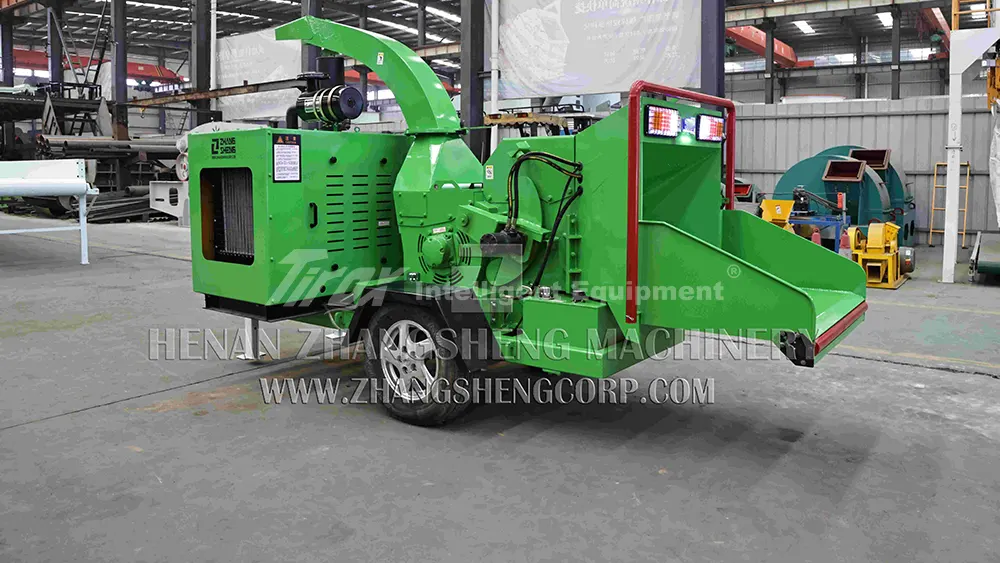
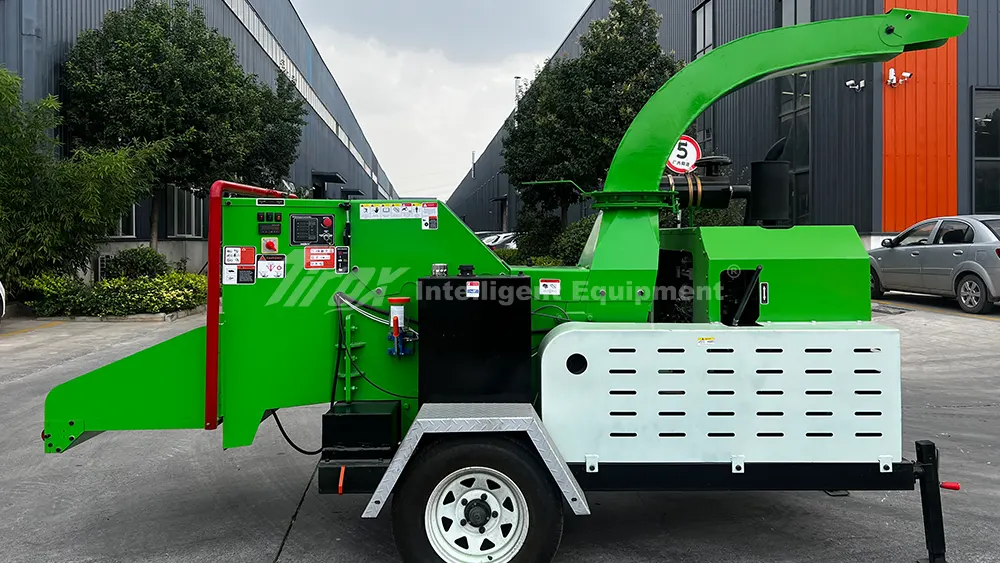
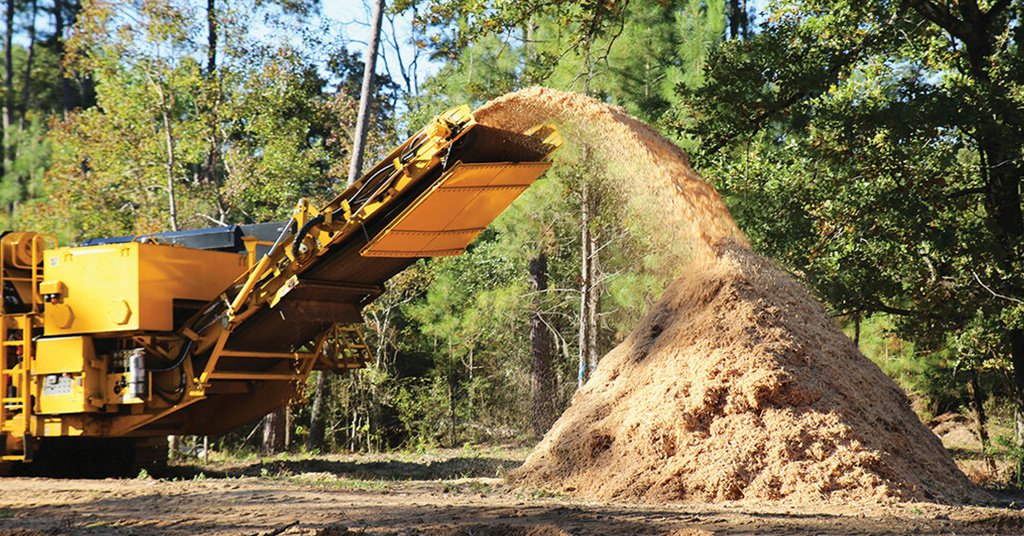
A chipper reduces manual cutting and loading by pulling branches through hydraulic feed, shrinking volume on-site, and turning long limbs into chips that are easy to move or reuse.
I learned this on a storm cleanup job. The crew used saws and manual loading. The truck filled in minutes. We brought a mid-tier chipper with hydraulic feed. The crew staged branches butt-end first. Volume dropped fast. The site cleared in one pass. Fuel use fell because we stopped hauling air. Chips stayed on-site for mulch, and the job ended a day early. You can compare machine options at https://tiroxcorp.com/products/ and browse working tips on our blog: https://tiroxcorp.com/blog/. For an overview of chipper mechanics, see https://en.wikipedia.org/wiki/Wood_chipper.
Where does the time savings come from?
Fewer Cuts
- Trim forks; avoid slicing every branch.
- Let feed rollers pull through knots.
Less Handling
- Convert long limbs into chips on-site.
- Move chips, not branches.
Faster Hauling
- Chips stack dense and stable.
- Fewer trips and less fuel.
| Time Saver | Why It Works | Simple Habit | Result |
|---|---|---|---|
| Hydraulic feed | Pulls material automatically | Butt-end staging | Less manual effort |
| On-site chipping | Shrinks volume early | Chip near piles | Faster clearing |
| Dense chips | Better load efficiency | Use chip beds | Fewer truck runs |
For crews and farms ready to scale, our Wood Chippers cover different capacities and feed systems.
Can a chipper turn waste into value?
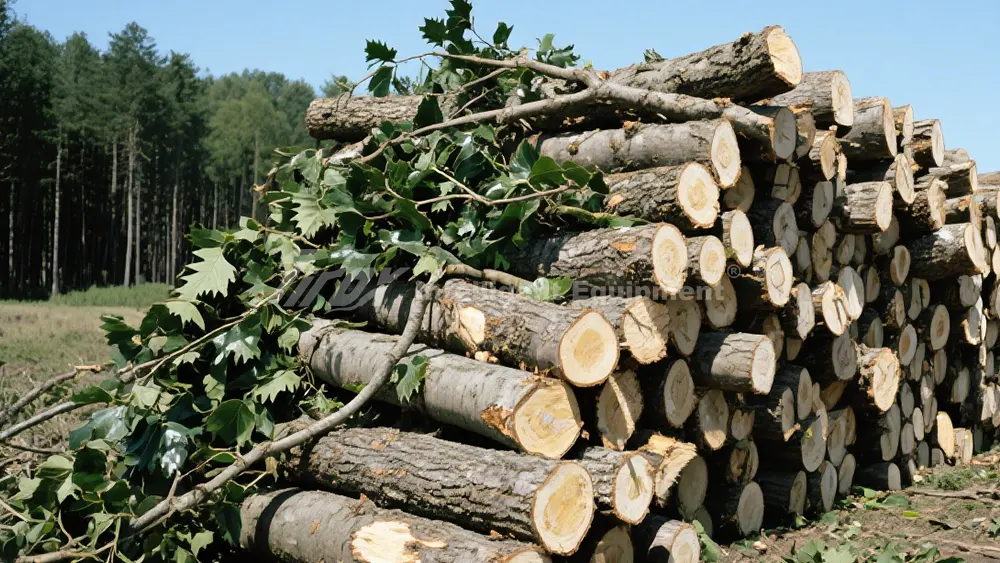
You see piles of branches and offcuts. You pay to haul them away. You want useful chips for mulch, bedding, compost, or biomass instead of landfill waste.
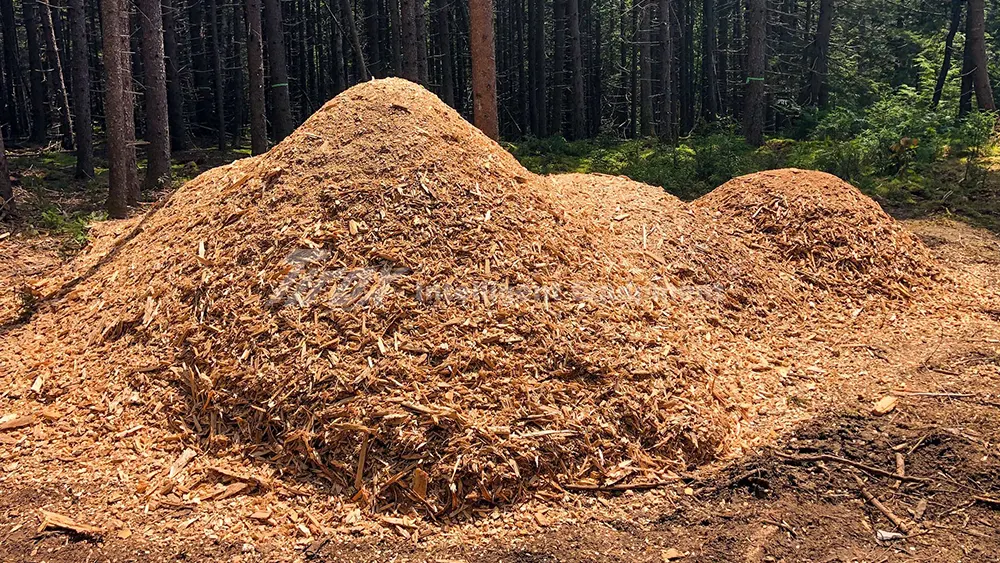
Yes, clean wood chips sell or save money as mulch, compost additives, animal bedding, and biomass fuel; screen size and knife care control chip quality for each use.
I worked with a farm that burned piles each season. We switched to chipping and simple screen control. Chips became mulch for rows, and fines went into compost. The farm stopped buying mulch and cut waste fees. A small change in knife care improved chip edges and market value. I use this approach with recycling centers and tree services too. When chips match the end use, buyers come back. If you want examples and pricing notes, check our posts: https://tiroxcorp.com/blog/ and product configurations at https://tiroxcorp.com/products/. Forums also help with local markets: https://forestryforum.com/board/index.php?board=3.0.
How do chips become a product?
End Uses and Screens
- Mulch: larger chip size for airflow.
- Compost: smaller particles for breakdown.
- Biomass: uniform size for steady burn.
Knife Care and Quality
- Sharp knives cut clean edges.
- Consistent chips attract steady buyers.
Sorting and Compliance
- Keep painted and treated wood out.
- Use magnets to catch nails in pallets.
| Chip Use | Screen Size | Key Quality | Revenue or Savings |
|---|---|---|---|
| Mulch | Larger screens | Clean edges | Replace purchased mulch |
| Compost | Smaller screens | Fine particles | Faster breakdown |
| Biomass | Uniform screens | Steady size | Stable fuel supply |
If your feed includes pallets or mixed urban wood, step up to stronger systems and planned sorting. Industry discussions are helpful: https://arboristsite.com/forums/chippers-and-grinders.22/.
What safety benefits matter most?
You want fewer injuries, fewer jams, and calm crews. You want clear steps that protect people and equipment every shift, even under pressure.
A chipper improves safety by reducing manual cutting, using guarded infeed zones, and enforcing controlled feed routines; proper PPE, training, and blade care prevent kickback, wraps, and unexpected downtime.
I saw a city team struggle after high winds. Vines wrapped rollers, and dull blades kicked branches. We reset the workflow. We cut vines out. We staged branches aligned to the infeed. We used PPE and a spotter system. We sharpened knives on a schedule. Jams dropped, and crews felt safe. This is simple, but it works every time. For training notes and checklists, visit https://tiroxcorp.com/blog/ and our company news at https://tiroxcorp.com/news/.
What are the practical safety steps?
PPE and Roles
- Helmets, eye protection, gloves.
- One operator, one spotter.
Infeed Control
- Butt-end first, steady pace.
- Hands off the rollers.
Knife and Anvil Care
- Sharp blades reduce kickback.
- Inspect anvil and clear buildup.
| Safety Point | Simple Action | Common Risk | Benefit |
|---|---|---|---|
| PPE | Wear required gear | Eye and hand injury | Fewer incidents |
| Spotter | Assign a second person | Distraction | Better awareness |
| Feed routine | Butt-end, no push | Kickback | Controlled flow |
| Blade care | Sharpen often | Stall and bounce | Smooth chips |
For a quick technical background, see https://en.wikipedia.org/wiki/Wood_chipper. When terrain is rough, tracked mobility improves safe placement and access; our configurations are at https://tiroxcorp.com/products/.
How does a chipper lower costs over time?
You worry about fuel, knives, downtime, and labor. You want a machine that pays back fast and keeps paying back when jobs get bigger.
A chipper lowers costs by shrinking hauling, reducing manual labor, creating marketable chips, and preventing jams through hydraulic feed and scheduled maintenance that keeps uptime high.
I helped a contractor who kept renting small units. They stalled and burned fuel. We priced a mid-tier chipper with better knives and hydraulic feed. We set up weekly checks and oil changes. He cut fuel per job, reduced rental fees, and sold chips as mulch. The payback came fast. He told me it felt boring, and boring is good. Boring means predictable uptime and low surprise costs. For budget planning ideas, read https://tiroxcorp.com/blog/ and see lineup options at https://tiroxcorp.com/products/.
Where do savings show up first?
Hauling and Labor
- Less volume, fewer trips.
- Smaller crews or faster shifts.
Maintenance and Uptime
- Scheduled blade care avoids breakdowns.
- Quick access panels cut service time.
Product Revenue
- Mulch and biomass offset costs.
- Clean chips build repeat buyers.
| Cost Area | What Changes | Simple Step | Typical Gain |
|---|---|---|---|
| Hauling | Fewer loads | On-site chipping | Fuel and time saved |
| Labor | Less manual cutting | Stage and feed routine | Faster jobs |
| Maintenance | Fewer surprises | Weekly checks | Stable uptime |
| Revenue | Chips sell or replace buys | Match screen to market | Extra margin |
If your work shifts to mixed waste or long hours, consider industrial options like Horizontal Grinders for volume and screens. You can start with our Wood Chippers and add heavier machines when you scale.
Which industries benefit the most?
You work in forestry, farms, recycling, or tree care. You want proof that chippers fit your specific jobs and seasons without drama.
Forestry, farms, landscaping, recycling centers, and municipalities benefit from chippers by cutting cleanup time, turning waste into products, and keeping sites safe and compliant across varied materials and terrain.
I support crews in different sectors. Forestry teams chip branches after harvest to clear skid trails. Farms chip pruning and orchard waste for mulch. Landscaping teams chip daily brush for faster loading. Recycling centers use heavy-duty machines to process pallets and urban green waste. Municipal crews clear storm debris with mid-commercial units and plan blade care windows. This is where chippers shine: repeat jobs, mixed material, and clear goals. You can read case-style posts on our blog at https://tiroxcorp.com/blog/ and follow tech updates at https://tiroxcorp.com/news/.
How do benefits map to each industry?
Forestry and Logging
- Clear trails and landings fast.
- Reduce fire fuel and hauling.
Farms and Plantations
- Turn pruning waste into mulch.
- Improve soil moisture and weed control.
Recycling and Municipal
- Process mixed green waste at scale.
- Create consistent chips for reuse.
| Industry | Main Benefit | Typical Machine | Key Outcome |
|---|---|---|---|
| Forestry | Fast clearing | Mid-commercial chipper | Safer trails |
| Farms | Mulch from pruning | 4–8″ towable | Better soil health |
| Recycling | Volume processing | Industrial systems | Marketable chips |
| Municipal | Storm cleanup | Hydraulic-feed chipper | Shorter response time |
For product ranges and capacity comparisons, check https://tiroxcorp.com/products/. Industry forums offer real-world tips: https://arboristsite.com/forums/chippers-and-grinders.22/.
Conclusion
A wood chipper saves time, lowers hauling, creates useful chips, and improves safety. Match capacity, keep knives sharp, and use steady feed to protect uptime and budgets.