

Are you grappling with the challenge of using wet wood in your wood chipper?
Wet wood can indeed be processed by a wood chipper, though it may impact efficiency and strain the machinery. Understanding how to handle wet wood correctly can substantially enhance your chipper’s performance.
Let’s explore the intricacies of using wet wood in industrial wood chippers and how you can optimize your machine’s output.
Impact of Wet Wood on Chipper Performance?
Ever wondered what exactly happens inside your wood chipper when dealing with wet wood?
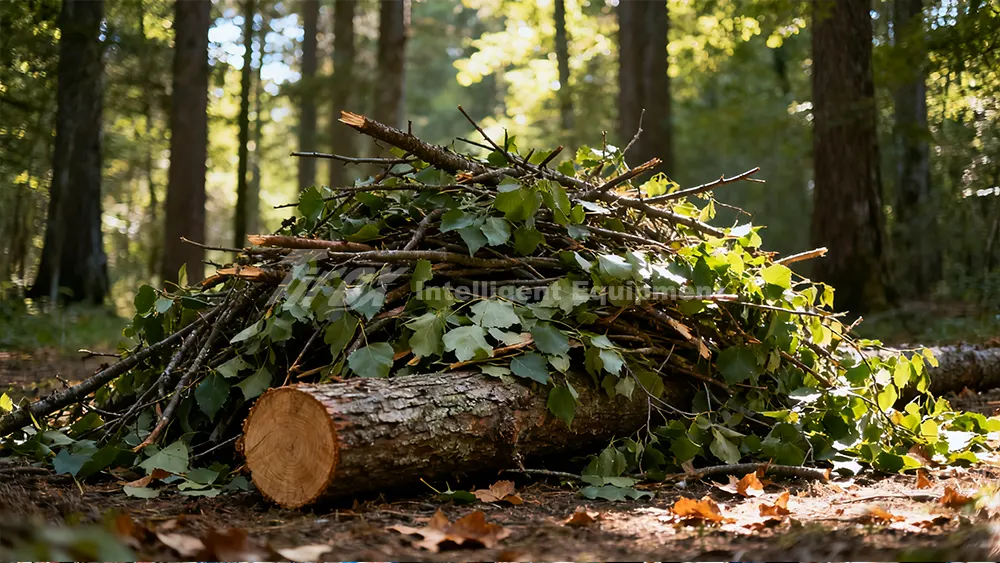
Wet wood tends to create more strain on wood chippers, possibly leading to quicker wear and tear. It can also clog the machine if not managed properly.
Dealing with wet wood requires a keen understanding of your machine’s capabilities and limitations. Increased moisture content in wood makes it heavier and more challenging to break down, causing additional stress on the chipper’s blades and motor. This can accelerate the wear rate of crucial components like blades and belts. Additionally, the sogginess of wet wood may lead to clogging, which interrupts the chipping process, requiring frequent stops to clear the blockage.
Best Practices for Using Wet Wood?
Looking for ways to use wet wood without harming your wood chipper?
Adhering to best practices such as pre-checking wood moisture levels and performing regular maintenance can keep your wood chipper in optimal condition, even when processing wet wood.
Firstly, assess the moisture content of the wood. Wood with extremely high moisture levels should be dried out slightly before chipping. If immediate processing is necessary, consider adjusting the feed rate to a slower setting to reduce strain on the chipper’s motor and blades. Regularly sharpening and replacing blades can also prevent the additional wear caused by wet wood. Furthermore, installing a hydraulic feed system from Tirox can adjust the feeding speed automatically based on the material’s density and moisture, enhancing the chipper’s efficiency.
Preventive Measures and Maintenance?

How can you maintain your wood chipper’s health when frequently dealing with wet wood?
Regular maintenance routines are crucial in extending the lifespan of wood chippers handling wet wood. This includes cleaning, lubrication, and timely replacement of worn-out parts.
Implementing a routine maintenance schedule is essential. Start each day with a basic check-up, focusing on the chipper’s blades, belts, and feed system for any signs of wear or clogging. Lubricate moving parts regularly to reduce friction and prevent overheating. After using the chipper, especially with wet wood, thoroughly clean the machine to remove any trapped moisture and debris which could lead to rust or further clogging. Additionally, consider consulting with professionals for periodic detailed inspections and tune-ups to ensure your wood chipper remains in prime condition.
Conclusion
By understanding and applying these best practices, you can efficiently use wet wood in your wood chipper while minimizing potential damage and downtime.