
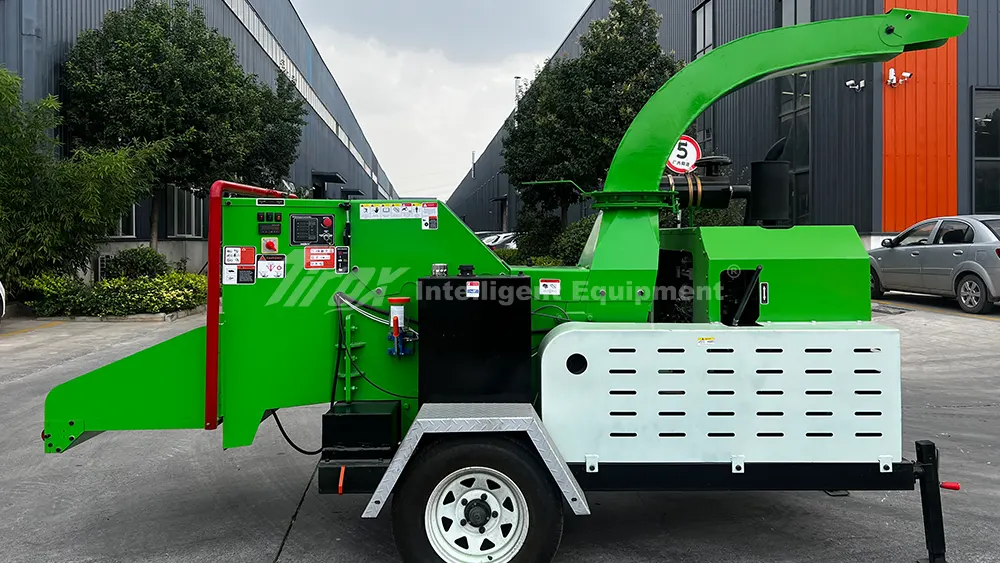
When a discharge chute clogs, production grinds to a halt. This disrupts schedules and creates costly downtime for businesses relying on wood recycling equipment.
To unclog a discharge chute on an industrial wood chipper, always follow strict safety protocols first. Power down the machine, lock out all energy sources, and use long-handled tools to manually remove debris without reaching into the chute.
Clogs can destroy operational efficiency. If left unresolved, they lead to machine damage and lost profits. I have seen firsthand how quick, safe action saves hours and protects workers. If you want detailed methods and safety steps, keep reading below. ⮕ Jump to our blog for more tips ⮕ Wikipedia: Wood chipper
Understanding Common Causes of Industrial Chute Clogs?
Chute clogs often start with simple mistakes. Overfeeding or inconsistent material flow can quickly block the discharge area, especially when processing moist or fibrous wood types.
Most clogs result from improper feeding, dull blades, or foreign objects. Wet wood, bark, or dirt increase risk. Regularly inspect cutting parts and screens to prevent material buildup that blocks discharge flow.
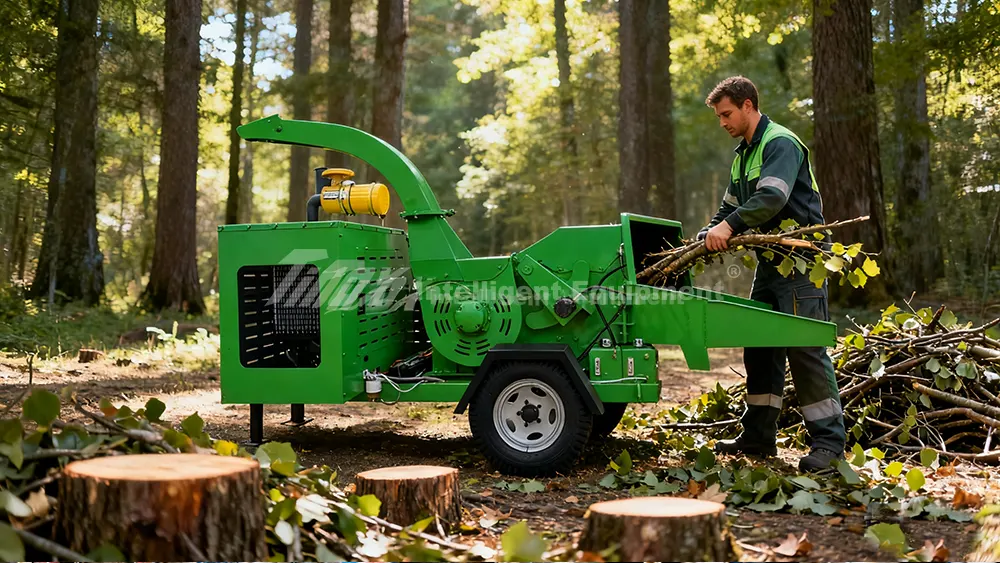
Common Causes Table
| Cause | Description | Prevention |
|---|---|---|
| Improper Feeding | Overloading, inconsistent flow | Train operators, monitor feed rate |
| Moist/Fibrous Materials | Wet wood, excess bark/dirt | Pre-sort, manage moisture |
| Worn Blades/Knives | Dull or damaged cutting parts | Regular sharpening, replacement |
| Foreign Objects | Rocks, metal debris | Screen material before chipping |
From my experience, keeping these causes in mind reduces clog risk and helps maintain steady chipper output. ⮕ More maintenance tips ⮕ Arboristsite forum
Immediate Action: Prioritizing Safety in Industrial Settings?
Safety comes first when facing a clogged discharge chute. Rushing in can cause serious injury or costly damage to expensive machinery.
Always follow Lockout/Tagout procedures before starting any unclogging work. Wear proper PPE: gloves, glasses, hearing protection, hard hat, and steel-toe boots. Assess the clog visually before any contact.
Industrial Safety Checklist
| Step | Action |
|---|---|
| Power Down | Fully shut off machine, verify LOTO |
| PPE | Wear gloves, helmet, eye/ear protection |
| Initial Assessment | Observe clog without direct contact |
I always insist on these steps. Neglecting them can have severe consequences. For more safety details, visit our industrial wood chipper page.
Step-by-Step Unclogging Methods for Industrial Chippers?
Unclogging a discharge chute must be methodical. Skipping steps risks injury or further equipment damage.
After confirming all safety measures, open the access panel or hinged chute. Use long, specialized tools to pull out material gradually. Never put hands or feet inside. If the screen is blocked, clear it as directed. Advanced chippers may offer hydraulic assist features.
Unclogging Process Table
| Method | Tool | Notes |
|---|---|---|
| Manual Removal | Long-handled hooks/rods | Work from accessible end only |
| Screen Clearing | Brush, scraper | Restore airflow, prevent repeat blockages |
| Hydraulic Assist | Machine feature | Use manufacturer instructions |
I have found that patience and proper tools make all the difference. For product-specific unclogging guides, see TIROX Horizontal Grinder.
Post-Unclogging Protocols?
Once the discharge chute is clear, it is important to check for damage before restarting work. Skipping this step risks repeated clogs or costly repairs.
Inspect blades, screens, and chute lining for wear or harm. Run a small test batch. Document the incident for future reference. This routine helps prevent recurring problems and keeps the chipper running efficiently.
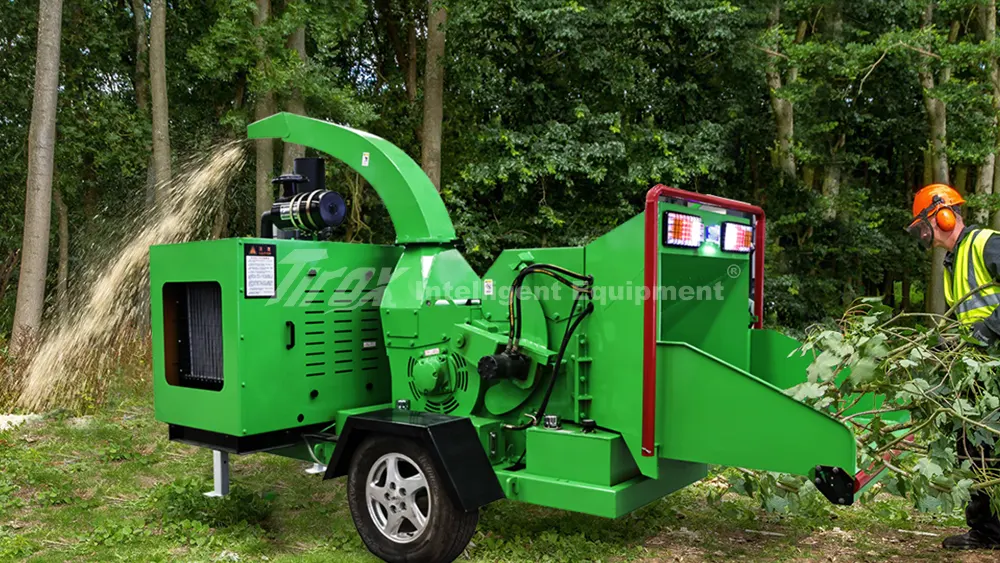
Inspection Steps Table
| Step | Details |
|---|---|
| Visual Inspection | Check blades, screens, chute for wear |
| Test Run | Process small, controlled load |
| Documentation | Record cause, action, and outcome |
In my experience, this process is essential for long-term reliability. For more troubleshooting advice, ⮕ read our blog.
Beyond Unclogging: Preventing Discharge Chute Blockages in Industrial Wood Chippers?
Solving clogs is not enough. Prevention is key to minimizing downtime and maximizing chipper productivity in industrial settings.
Prevent discharge chute blockages by optimizing feeding, sorting materials, controlling moisture, and maintaining blades and screens. Training operators and using smart chipper features further reduce risk.
Prevention Strategies Table
| Strategy | Details |
|---|---|
| Consistent Feeding | Train staff, monitor feed rates |
| Material Quality | Remove rocks, dirt, metal before chipping |
| Moisture Control | Air dry, store wood properly |
| Blade/Screen Maintenance | Sharpen, replace as needed |
| Smart Features | Use hydraulic feed and control panels |
I have seen how TIROX’s hydraulic forced feeding system and intelligent control panels help operators avoid clogs. Features like independent conveyor control and reverse feed can save hours. For more on smart prevention, visit TIROX Pellet Production Solutions or check Pellet mill Wikipedia.
Conclusion
Swift, safe unclogging and proactive prevention keep industrial wood chippers running and minimize expensive downtime for B2B operations.