

Struggling with unpredictable chipper downtime or costly accidents? Discover how mastering industrial wood chipper operation can protect your team and boost your productivity.
To use an industrial wood chipper safely and efficiently, follow a systematic approach: inspect the machine, prepare the site, wear protective gear, feed material consistently, and shut down properly. This ensures high throughput and operator safety.
When I first operated an industrial chipper, I realized a simple checklist made a big difference. A solid process keeps everyone safe and the work flowing. Let me show you how to get the most out of your machine. ◆ ◆
What is the essential pre-operational checklist for industrial wood chippers?
Neglecting a pre-operational checklist can lead to serious equipment failures and safety risks. A few minutes of preparation saves hours of trouble.
Check the chipper’s blades, belts, hydraulics, emergency stop systems, and structural integrity. Verify fuel and power supply. Ensure the chipper sits on stable, level ground. Always wear essential PPE like helmets, gloves, safety glasses, and ear protection.
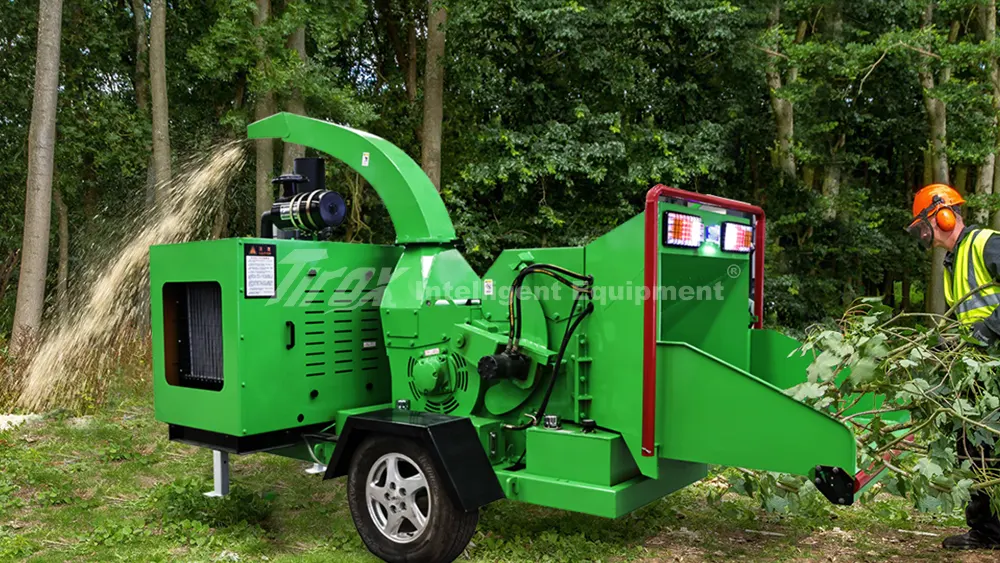
Pre-Operational Checklist Breakdown
| Inspection Item | Why It Matters |
|---|---|
| Blades & Belts | Sharp blades and tight belts ensure smooth chipping and prevent jams. |
| Hydraulics | Proper hydraulic function allows for safe material feeding and movement. |
| Emergency Systems | Quick response in emergencies prevents injury and machine damage. |
| Structural Integrity | Loose bolt or cracked frame risks catastrophic failure. |
| Fuel/Power | Reliable startup and continuous operation. |
| PPE | Protects operators from flying debris and noise. |
Every time I skip a checklist, small issues become big ones. A thorough start sets the tone for the entire shift. ◆
How do you start and operate an industrial wood chipper safely and efficiently?
Starting an industrial chipper without proper procedures can put operators at risk and halt production. A careful startup keeps everyone safe and the machine running smoothly.
Clear the operational zone of people and obstacles. Engage the engine or PTO, monitor diagnostics, and check for abnormal behavior. Begin feeding material only after confirming stable operation; use hydraulic feed systems for controlled input.
Safe Operation Steps
| Step | Key Action |
|---|---|
| Clear Area | Remove all personnel and loose material. |
| Engine Start | Engage PTO or diesel engine, watch gauges. |
| System Check | Look for leaks, strange sounds, or warning lights. |
| Controlled Feed | Start with small loads; increase gradually. |
| Monitor | Keep an eye on material flow and chipper response. |
When I follow these steps, I notice fewer jams and smoother operation. Caution at startup pays off all day. ◆ ◆
What are the best feeding techniques for industrial-scale wood chipping?
Improper feeding causes jams and downtime. Smart feeding techniques maximize throughput and protect your investment.
Prepare material: remove foreign objects, sort by size. Feed consistently, avoid overloading. Use hydraulic feed and loader systems for continuous flow. Stop feeding if the chipper slows or jams, and clear blockages safely before resuming.
Optimized Feeding Techniques Table
| Technique | Benefit |
|---|---|
| Consistent Feed Rate | Prevents jams, keeps throughput high. |
| Material Preparation | Reduces machine wear, improves chip quality. |
| Hydraulic Feed Use | Automates heavy lifting, increases safety. |
| Loader/Crane Integration | Handles large logs, boosts efficiency. |
| Foreign Object Protocol | Protects blades and engine from damage. |
I’ve seen how a steady feed transforms output. Smart feeding makes every hour count. ◆
How should you shut down and secure an industrial wood chipper after use?
Improper shutdown leaves machines exposed to damage and unauthorized use. A careful close protects your investment.
Allow the chipper to idle and cool down. Clean debris from blades and feed areas. Lock out controls and secure the worksite to prevent accidents or theft. Cover the machine if exposed to weather.
Shutdown & Securing Protocol Table
| Action | Purpose |
|---|---|
| Idle & Cool Down | Prevents engine and hydraulic damage. |
| Debris Removal | Reduces wear, keeps blades sharp. |
| Lock Out | Stops unauthorized use. |
| Site Security | Prevents theft and vandalism. |
| Weather Protection | Extends machine life. |
Every time I secure the chipper, it is ready for the next job. Secure shutdown saves money and avoids headaches. ◆ ◆
Conclusion
Consistent use of these steps ensures safe, efficient, and profitable industrial wood chipper operation for any B2B team.