

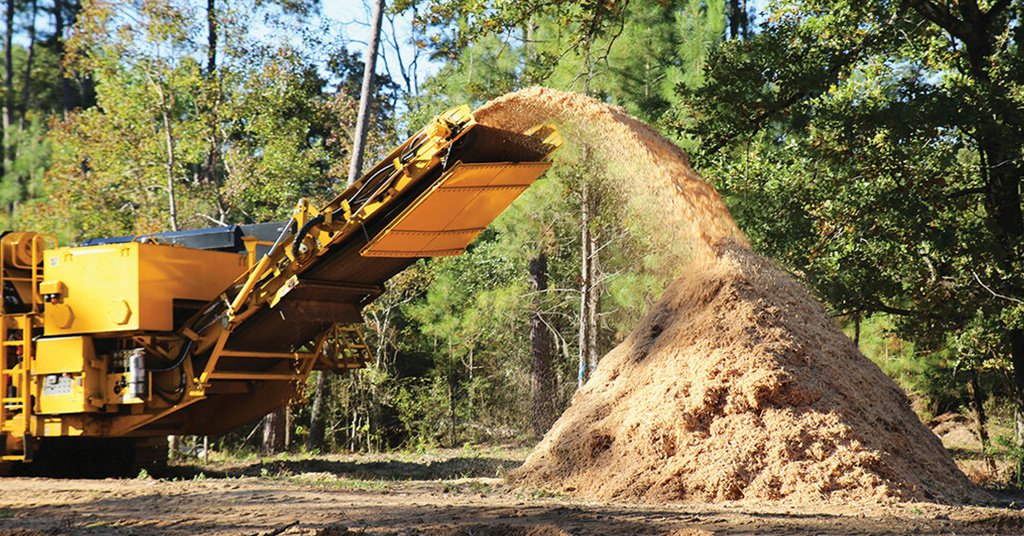
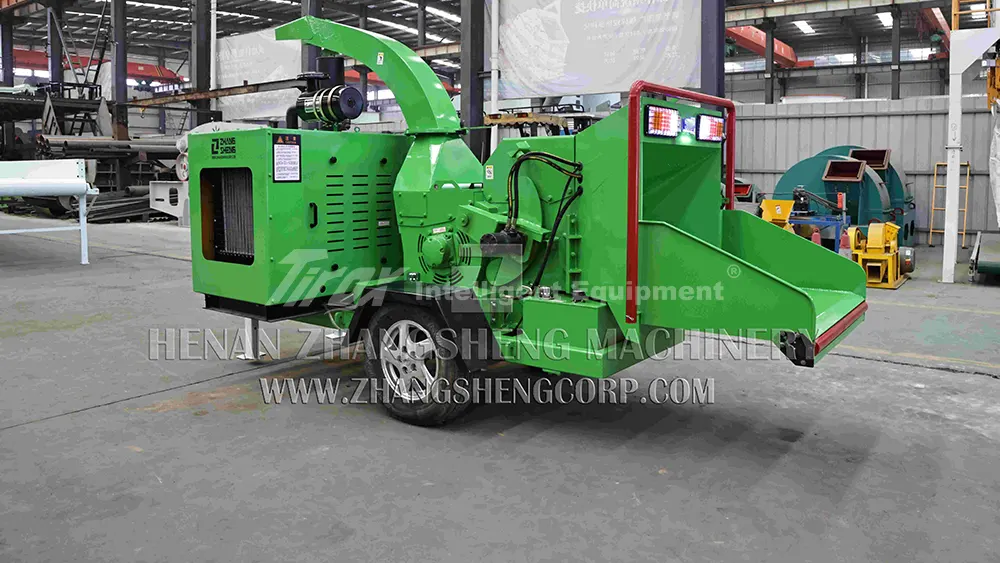
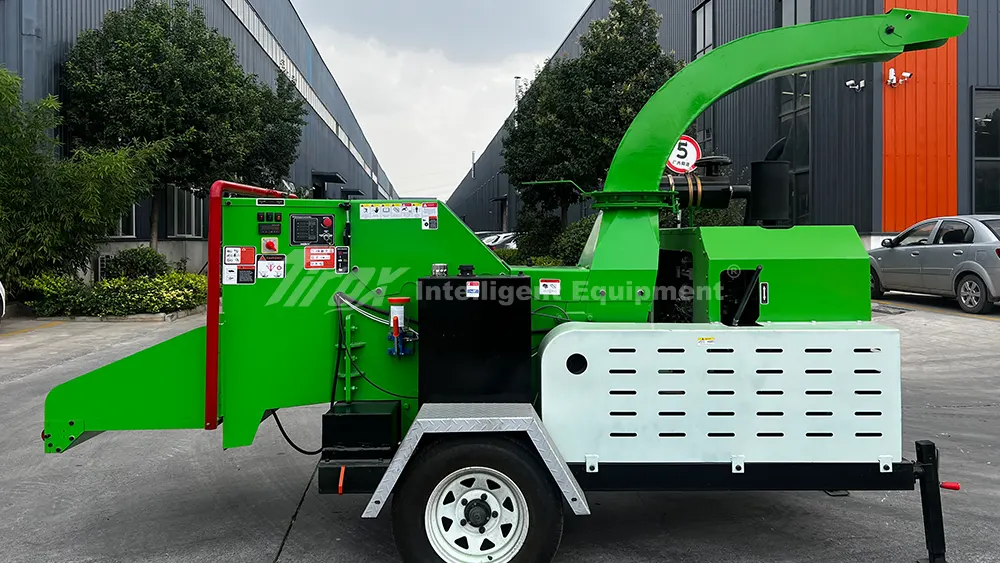
When it comes to wood processing, many people struggle to understand the differences between industrial wood chippers and shredders. These two types of machinery are essential in forestry and biomass energy sectors, but what sets them apart?
Industrial wood chippers use sharp blades to process large branches and logs, while shredders utilize blunt flails or hammers for softer, fibrous material. Each machine has its unique applications, efficiency, and output quality, which we’ll explore in detail.
Let’s dive deeper into the core differences, typical applications, and decision factors when choosing between these two types of equipment.
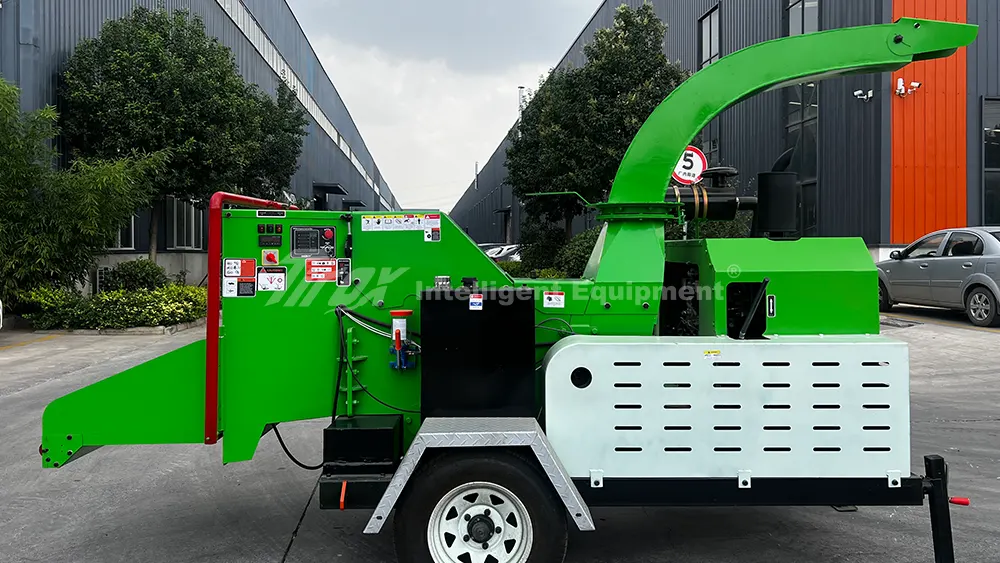
How to Choose Between an Industrial Wood Chipper and Shredder for Large-Scale Operations?
Choosing the right machine can be a daunting task, especially for large-scale operations. It’s crucial to understand your material types, volume requirements, and safety considerations, among other factors.
When selecting a machine, consider the wood types, sizes, and moisture content you’ll be dealing with. Also, calculate your daily or weekly processing volumes and match these with the machine’s capacity. Safety features, durability, compliance with regional standards, and maintenance considerations are also critical.
In the next sections, we’ll guide you through a cost-benefit analysis and present some real-world case studies to help you make an informed decision.
Maintenance Strategies and Longevity Tips for Industrial Wood Chippers
Proper maintenance is key to ensuring the longevity and efficiency of your industrial wood chipper. But what exactly does this entail?
Regular maintenance includes blade sharpening/replacement, lubrication, and inspection. In case of operational issues, knowing how to troubleshoot can significantly reduce downtime. Also, operator training and the use of accessories such as conveyor feeds and dust control systems can enhance machine performance.
We’ll further delve into each of these aspects in the following sections.
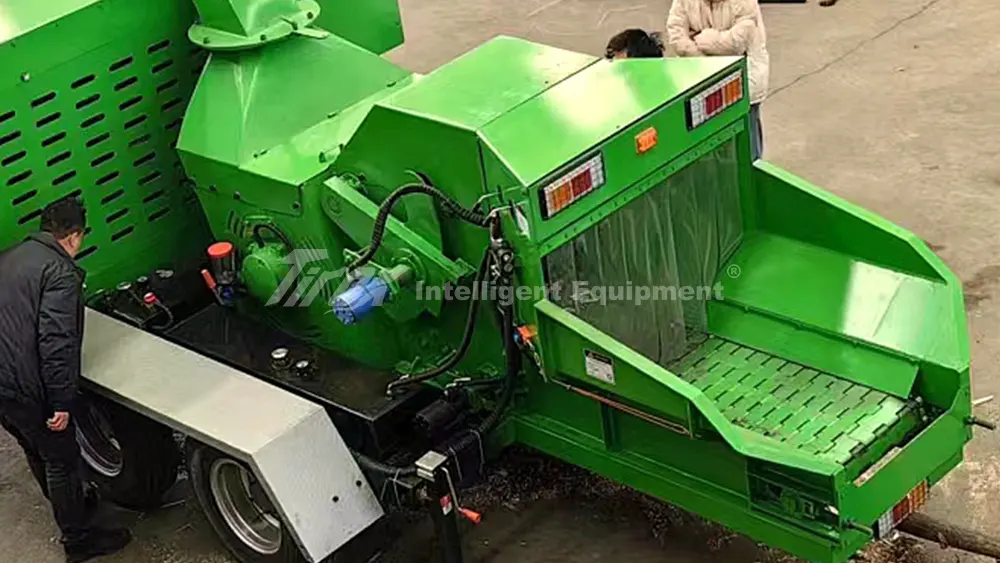
Maximizing Value: Integrating Industrial Wood Chippers into Biomass Energy Production Workflows
Industrial wood chippers are not just for chopping wood; they’re a vital part of biomass energy production workflows. How can you optimize their use to maximize value?
Industrial wood chippers contribute to efficient biomass feedstock preparation. By optimizing processes, minimizing waste, and leveraging technological innovations, you can significantly improve your sustainability goals and ultimately, your bottom line.
Let’s explore how to achieve this in more detail.
Conclusion
Understanding the differences between industrial wood chippers and shredders, and how to choose, maintain, and integrate them into your operations, is the key to maximizing their value. Whether you’re in the forestry or biomass energy sector, this guide should help you make an informed decision.