
Wood chippers are strong machines used to break down wood. But using them the wrong way, especially with big pieces like logs, can be very dangerous. It is important to know what your machine can handle.
Putting logs into a wood chipper can be safe if the log size matches the specific chipper’s capacity and you follow all operating instructions carefully. Modern chippers often have features like hydraulic feed systems to help process larger materials safely.
These machines make tough jobs much easier. But we must always respect their power and use them correctly. Understanding the machine’s limits and how its systems work helps you avoid accidents and get the job done right.
Can you put logs into a wood chipper?
Thinking about chipping logs? It depends on your machine. Not all wood chippers are made to handle large logs.
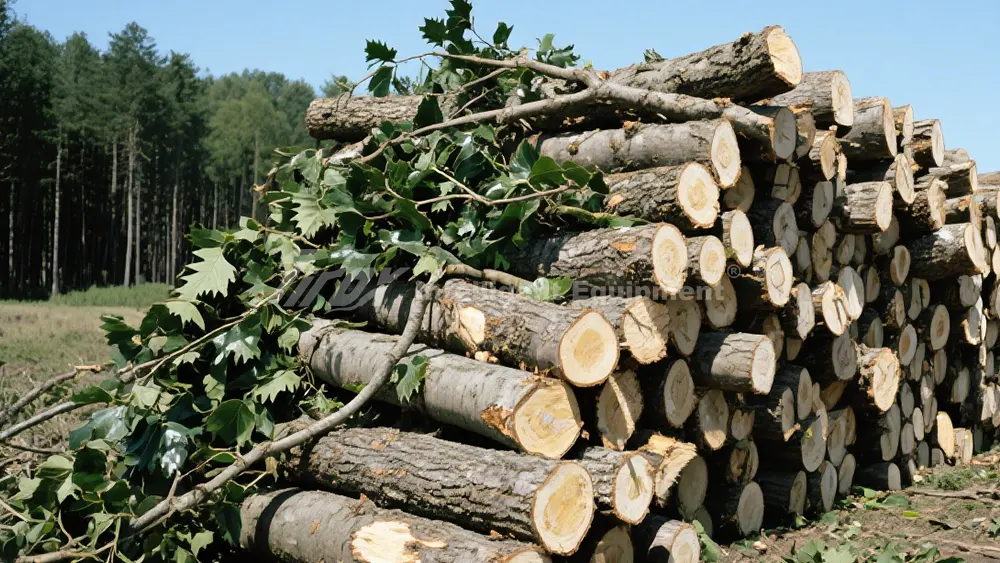
You can put logs into a wood chipper only if the chipper model is designed with enough power and infeed capacity to safely process logs of that specific diameter and length. Overloading the machine is dangerous.
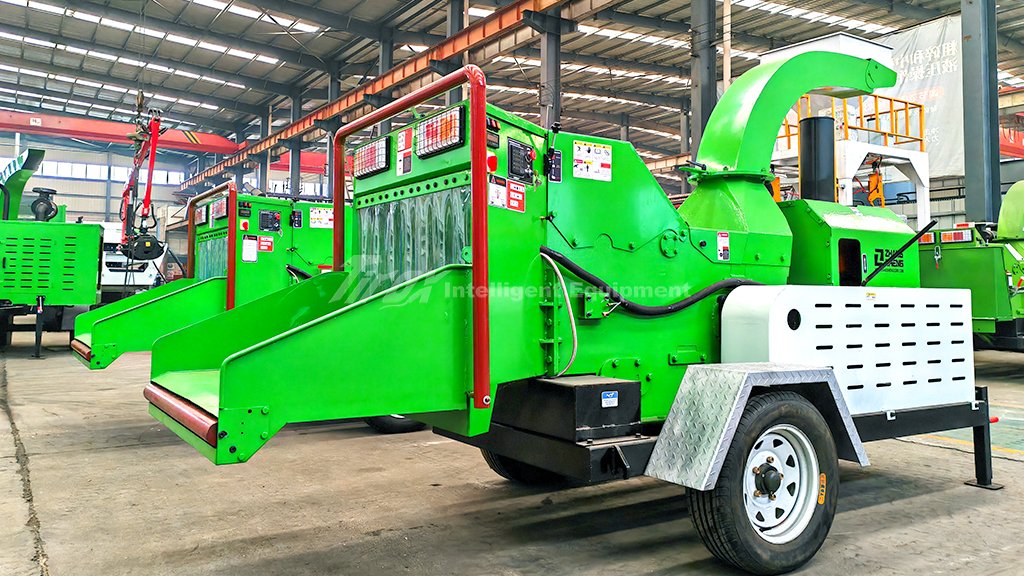
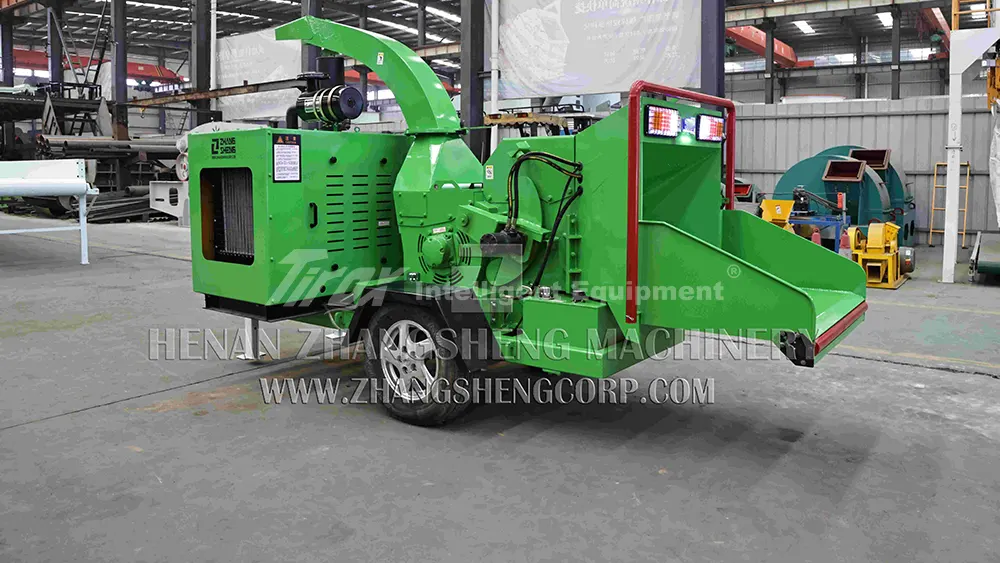
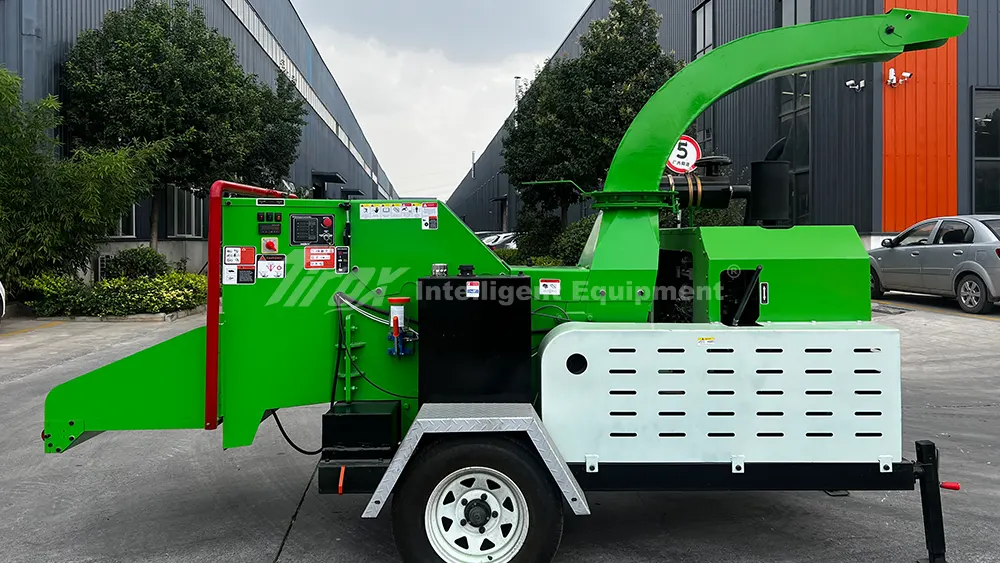
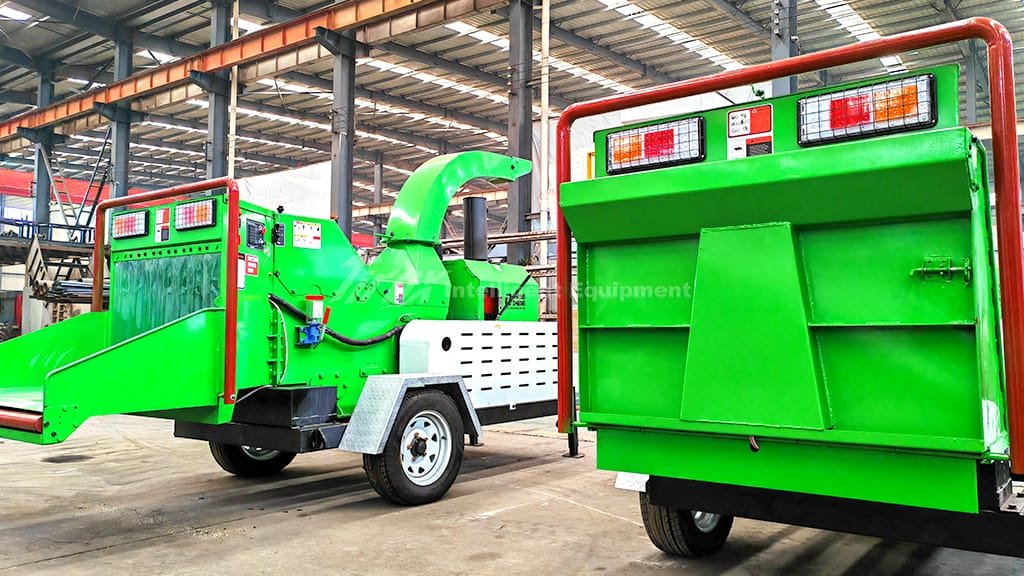
I have seen many different types of wood chippers over the years. Smaller chippers, often called shredders or smaller brush chippers, are really only meant for branches and brush. They do not have the opening size or the power to handle a log. Trying to force a log into a small chipper can break the machine or cause dangerous kickback. Our larger wood chippers are built to handle more substantial material, including logs. These machines have features like hydraulic forced feeding systems 3456. This system uses rollers powered by hydraulics to grab the wood and pull it into the cutting mechanism 3456. This is much safer than manually pushing a log. The power of the engine is also a big factor. Our chippers use powerful diesel engines, with power ratings going up to 197HP 1, 235HP 2, 130KW/95KW 4, 180HP 5, or 150HP 6. This power is needed to cut through dense logs. The rotation speed of the cutting drum can be very high, like 2200 rpm on some models 125, which is what breaks down the wood so quickly. To use logs safely, you must know the maximum diameter and length that your specific chipper model is built for. This information is always in the owner’s manual. Never try to chip a log that is bigger than the stated limit.
Matching Log Size to Chipper Size
- Check the Infeed Opening: The log must fit easily into the infeed chute. Do not force it. The chute is designed to direct material to the cutting mechanism safely.
- Know the Maximum Diameter: Every chipper has a maximum diameter rating. This is the thickest piece of wood it can handle. Putting in logs thicker than this limit will overload the engine and cutting mechanism, potentially stalling the machine or causing damage.
- Consider the Length: Very long logs can be hard to handle and control safely as they are fed into the machine. Make sure you have a safe way to support and guide long pieces. The hydraulic forced feed system helps by pulling the material in steadily once it’s started 3456. Some machines even have a smart feeding system that adjusts the speed based on the load 31. If the log is too much for the machine, this smart system can slow down or stop the feed 31, which prevents clogs and protects the engine and blades.
Putting logs in a wood chipper can be done, but only with the right chipper and by following the rules for size and safe operation.
What not to put in a wood chipper?
It’s just as important to know what should never go into a wood chipper as knowing what can. Putting the wrong materials in is very dangerous.
Never put anything other than clean wood into a wood chipper. This includes metal, stones, plastic, glass, rubber, or any wood with foreign objects attached like nails or dirt. These materials can cause severe machine damage and serious injury.
Based on my experience, putting the wrong thing into a chipper is a quick way to cause an accident or break the machine. Wood chippers are designed with sharp blades or hammers that spin at very high speeds to cut wood 125. They are not made to handle hard, non-wood materials. If metal, a rock, or even a piece of concrete gets into the cutting chamber, it can instantly dull, break, or severely damage the blades or hammers. This can send pieces of the broken blade or the foreign object flying out of the chipper at extremely high speeds. These pieces act like bullets and can cause severe injury or death to anyone nearby. Materials like plastic or rubber can melt or get tangled in the moving parts, causing blockages or damage. Wood with excessive dirt or mud attached is also bad because the grit dulls the blades very quickly. Dull blades make the chipper work harder, increase the risk of kickback, and can lead to clogs. Even small things like nails or staples in wood can damage blades over time. That is why it is critical to inspect the wood before feeding it. We always emphasize that feeding only clean wood is not just about protecting the machine; it is a fundamental safety rule to protect the operator and others in the work area. Ignoring this rule can turn a useful tool into a very dangerous one in seconds.
Materials to Strictly Avoid
- Metal: Nails, screws, bolts, metal straps, pipes, fence wire. Causes sparks, blade damage, and flying shrapnel.
- Stones or Rocks: Can break blades and be thrown out at high speed.
- Concrete or Masonry: Similar to stones, causes major damage.
- Plastic: Bottles, containers, wrapping. Can melt or wrap around parts.
- Rubber: Hoses, tires, gloves. Melts or tangles.
- Glass: Any form of glass. Shatters dangerously.
- Excessive Dirt/Mud: Wears down blades quickly and can cause clogs.
- Treated Lumber: Can release toxic chemicals when chipped.
- Fabric/Rope/Wire: Can tangle and bind up moving parts.
Always look closely at the material before putting it into the chipper. If you see something that isn’t wood, remove it first.
Can I put leaves in my wood chipper?
Wondering if your wood chipper can handle leafy material like leaves or grass clippings? It is different from chipping solid wood.
While some wood chippers can process leafy material, it is often not ideal. Leaves and green waste are stringy and wet, which can easily cause clogs, especially in chippers designed primarily for chipping solid wood or branches.
My observation has been that leaves and very green, wet material behave differently than dry, woody branches or logs. Wood chippers that use a drum or disc with knives are best at cutting solid wood. When you feed a lot of leaves or wet green waste, it tends to compact or wrap around the cutting drum or blades instead of being cleanly cut and discharged. This leads to clogs very quickly. A clogged chipper is not only frustrating because it stops your work, but it can also be dangerous. You have to turn off the machine, wait for everything to stop, and then manually clear the jam. This is when accidents can happen if you are not careful or if the machine starts unexpectedly. Some machines are designed as “shredder-chippers” which have a separate mechanism, often hammers or flails, specifically for shredding softer materials like leaves and garden waste. If your chipper is only a “chipper,” it is primarily for wood branches and logs within its size limit. Putting large amounts of leaves in it will likely cause problems. A small number of leaves attached to branches is usually fine, as the wood helps pull the leafy material through. But feeding just large piles of loose leaves is generally not recommended for a standard wood chipper. For processing large volumes of leaves or green garden waste, a machine designed as a dedicated shredder or a combination shredder-chipper is a better and safer choice.
Handling Leafy Material
- Know Your Machine Type: Is it a chipper, a shredder, or a combination? Check the manual.
- Feed with Wood: If chipping branches with leaves attached, feed them together. The branches help pull the leaves through.
- Avoid Large Piles: Do not try to feed big piles of loose leaves or grass clippings into a wood-only chipper.
- Watch for Clogs: If chipping green material, monitor the discharge chute and machine sound for signs of blockage. Stop immediately if it starts to clog.
Ultimately, using the right machine for the right material is a key part of staying safe and getting the best results.
Conclusion
Using a wood chipper means understanding what materials are safe to feed and which are not. Always follow safety rules and know your machine’s limits. This makes the job safe and effective.