

Have you ever wondered if you can feed wet wood through a wood chipper? This is a common query among many users of wood chippers, especially during damp weather conditions or when dealing with freshly-cut wood.
Generally, industrial wood chippers like those from TIROX (Zhengzhou) Equipment Co., Ltd. can handle wet wood. However, the moisture content of the wood may affect the machine’s efficiency and longevity.
Transitioning into the finer details, let’s delve into how wet wood impacts the wood chipping process.
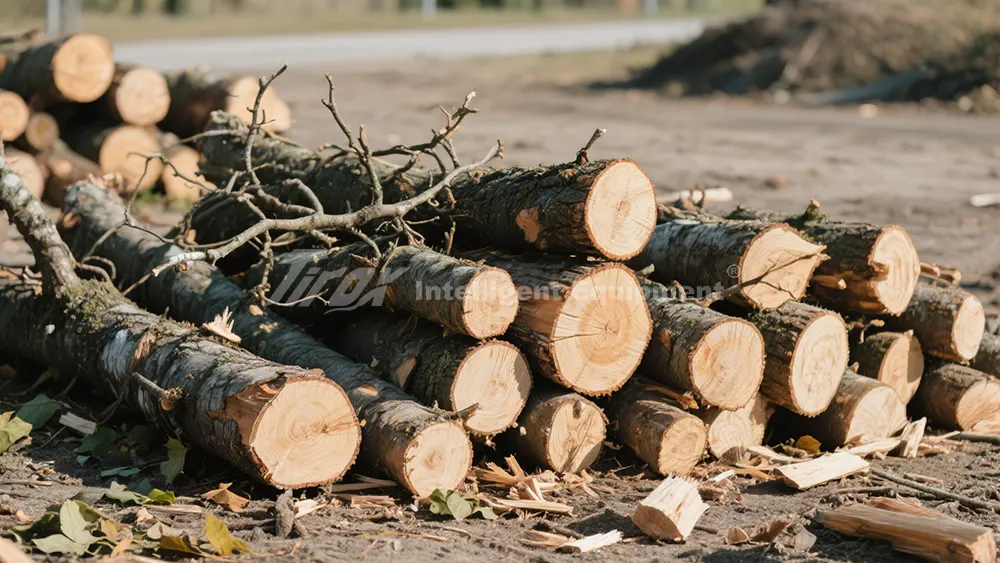
Does Wet Wood Affect the Efficiency of a Wood Chipper?
True, wood chippers are powerful machines designed to break down wood into chips or mulch. But does the wood’s moisture content impact this process?
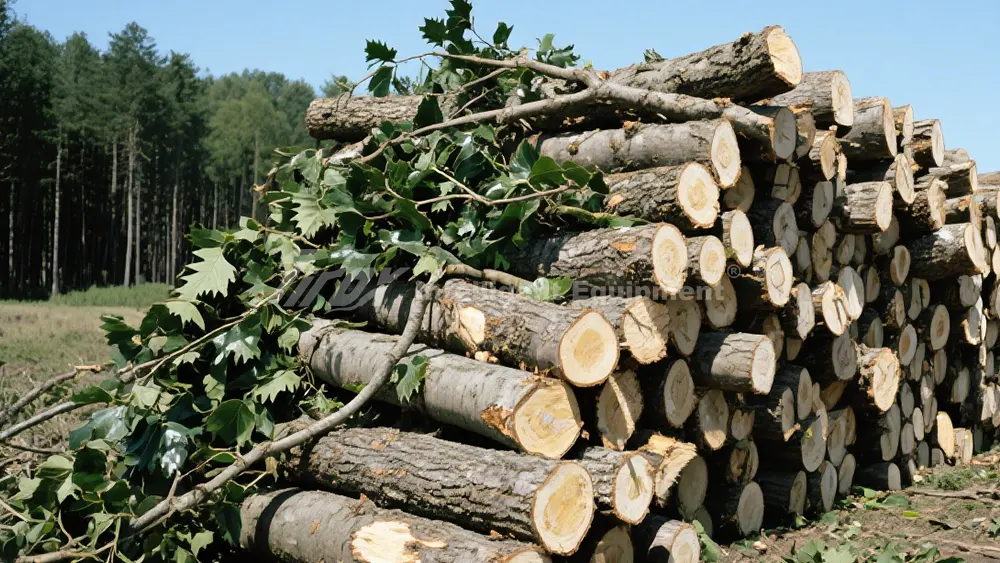
Yes, processing wet wood can make the chipping process less efficient. Wet wood is heavier, making it harder for the chipper blades to cut through. This can lead to slower chipping speeds and more strain on the machine.
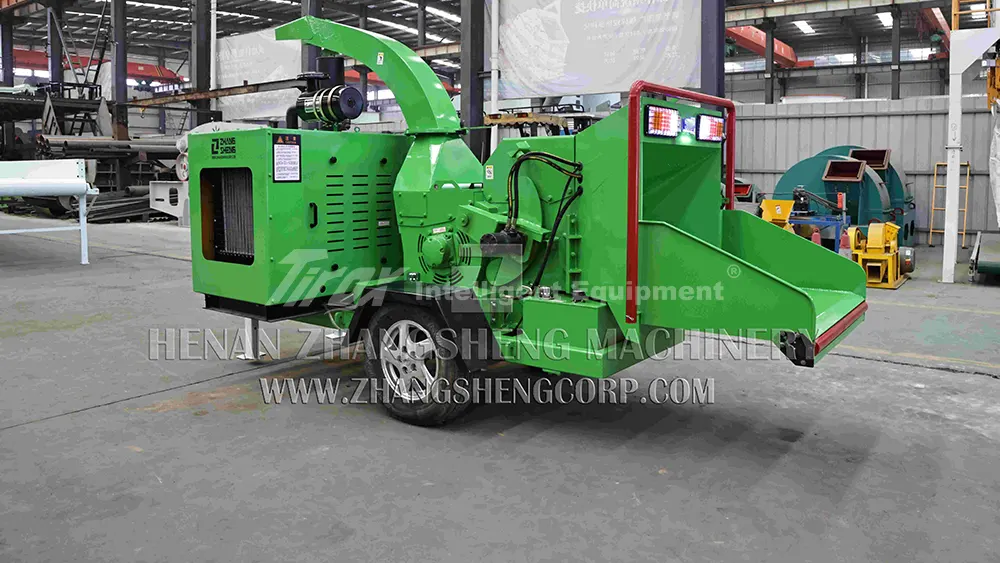
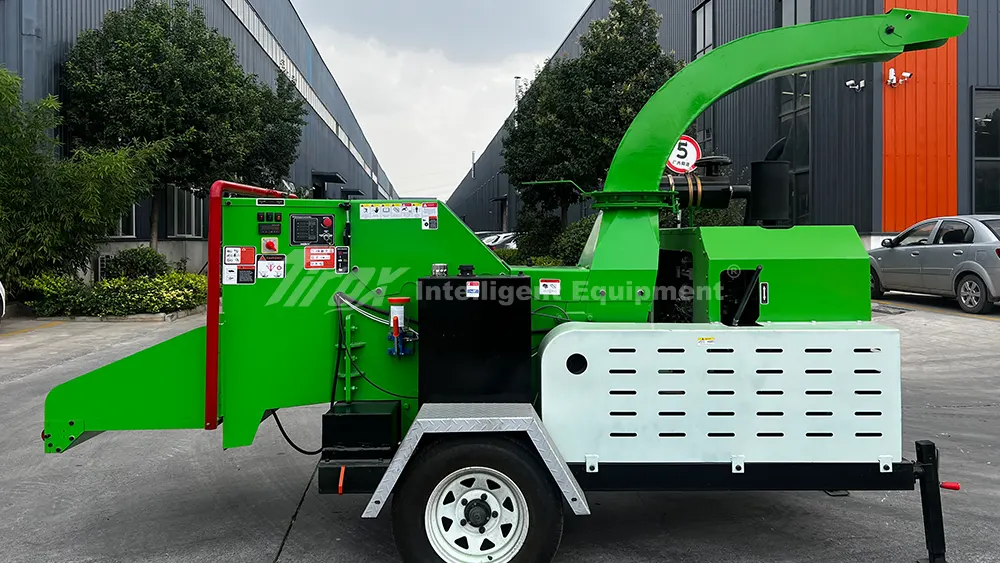
Diving deeper into this, wet wood is not only more difficult to chip, but the moisture can also cause the wood chips to stick together, potentially clogging the machine. This is particularly true for machines not equipped with a hydraulic feed system, like the ones TIROX (Zhengzhou) Equipment Co., Ltd. produces. TIROX’s wood chippers are designed with a hydraulic feed system that can adjust speed according to the material’s diameter, ensuring optimal performance and higher yield, even when dealing with wet wood. However, it’s still recommended to avoid processing overly wet or green wood to maintain the machine’s efficiency and lifespan.
What Mistakes Should Be Avoided When Using a Wood Chipper with Wet Wood?
Using a wood chipper seems straightforward, but did you know there are common mistakes that users often make, particularly when dealing with wet wood?
One common mistake is overloading the wood chipper with wet wood. This can cause the machine to clog and may lead to a decrease in its lifespan.
Another mistake to avoid is not cleaning the machine properly after use. Wet wood tends to stick to the machine’s interior, which can cause rusting if not cleaned properly. It’s crucial to clean the chipper thoroughly after each use, especially when you’ve been chipping wet wood. Regular maintenance, such as checking the oil level, water temperature, and operation time, can also help identify issues early and minimize maintenance, as indicated on the smart control panel of TIROX’s wood chippers.
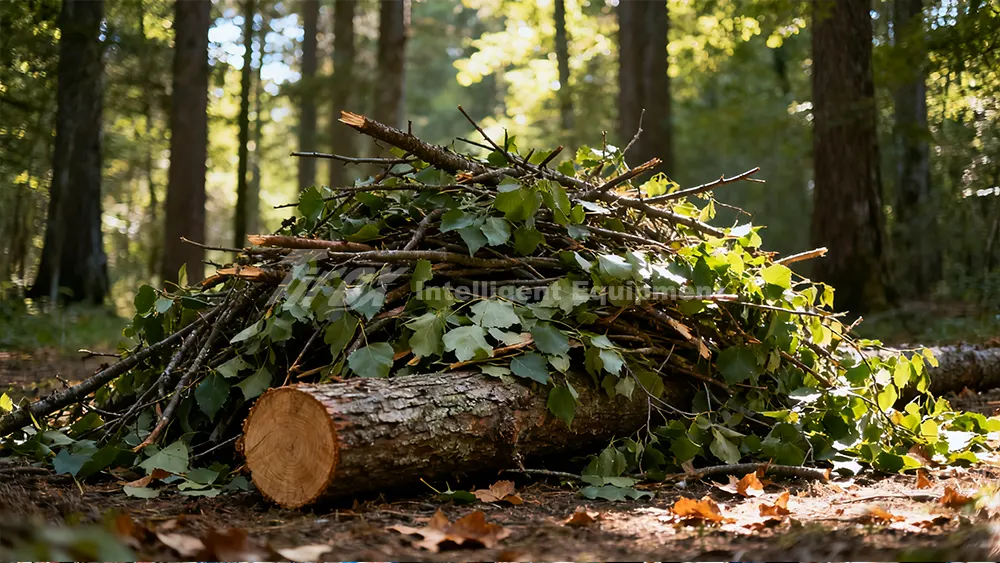
What Are the Recommendations for Using a Wood Chipper?
Given the potential issues with using wet wood in a chipper, what do the experts recommend?
Experts generally advise against processing wet wood in a wood chipper, if possible. Using dry wood can help ensure the machine operates efficiently and prolongs its lifespan.
However, if you must chip wet wood, ensure you don’t overload the machine and clean it thoroughly after use. If your wood chipper is equipped with a metal conveyor like the ones from TIROX, you can easily manage the machine’s functions (forward, reverse, stop) to protect the blades and diesel engine from potential blockages or foreign objects.
Conclusion
In conclusion, while it is possible to put wet wood in a wood chipper, it’s best to avoid doing so to maintain the machine’s efficiency and longevity.