

You want lower upfront cost. You also want safe, clean chips and reliable service. A cheap wood chipper looks good today, but you worry about tomorrow’s repair bills and downtime.
Yes, a cheap wood chipper can work for light, occasional use, but for daily B2B workloads it often costs more over time due to higher maintenance, shorter lifespan, and lower throughput.
I have built and exported wood chippers for 22 years. I have seen cheap machines cut budgets, and I have seen them cut corners. I prefer telling customers the full story. If you plan to work hard, the chipper must work harder. If you plan to chip once a month, you have options. If you plan to chip all week, you need a plan that protects your team and your cash flow. You can explore more practical buying guides on our blog at https://tiroxcorp.com/blog/.
I will break down price ranges, use cases, and buying strategies. I will share when “cheap” makes sense, and when it creates hidden costs. I will keep it simple and direct so you can act with confidence. For background on chipper mechanics, see https://en.wikipedia.org/wiki/Wood_chipper.
What price range defines a cheap wood chipper?
You want a number, not vague advice. You ask if “cheap” means hobby-grade or small commercial. You need a clear range so you can set a budget.
In most markets, “cheap” means roughly $300–$1,200 for small electric or entry gasoline units, and $1,500–$5,000 for lower-tier towable units with limited capacity and duty cycles.
I use simple categories when I advise buyers. I group chippers by capacity, engine type, and duty cycle. This helps me match budgets to real needs. I started doing this after a farm client burned through two bargain machines in a season. He saved at the start and paid at the end. He now buys for workload, not price alone. If you want deep dives on sizing, see our posts at https://tiroxcorp.com/blog/ or check our company news at https://tiroxcorp.com/news/.
Price Tiers and Typical Use
- Hobby/Electric: $300–$1,200
- Small Gas: $800–$2,500
- Budget Towable: $1,500–$5,000
- Mid-Commercial: $6,000–$20,000+
- Industrial: $25,000–$250,000+
What changes by tier?
| Tier | Typical Capacity | Duty Cycle | Maintenance | Best Fit |
|---|---|---|---|---|
| Hobby/Electric | Up to ~2″ branches | Short sessions | Low, light duty | Home pruning |
| Small Gas | ~2″–3″ branches | Moderate | Moderate | Small landscaping |
| Budget Towable | ~3″–5″ branches | Intermittent | Higher | Occasional B2B |
| Mid-Commercial | ~6″–12″+ branches | Daily | Planned | Tree services |
| Industrial | High throughput | Continuous | Scheduled | Recycling yards, power plants |
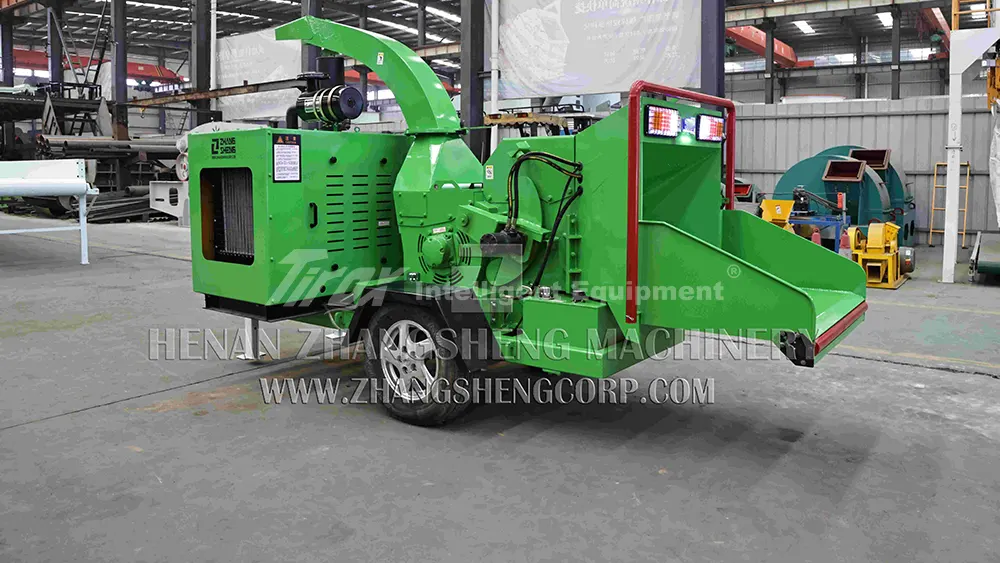
For product benchmarks, you can view our Wood Chippers at https://tiroxcorp.com/wood-chipper/ and compare duty ratings across models.
Are cheap wood chippers reliable for B2B operations?
You may hope a bargain unit will carry your crew through a busy season. You need honest limits before you stake contracts on a small tool.
Cheap chippers are fine for occasional work, but most struggle under daily B2B loads, leading to blade wear, belt failures, overheating, and rising downtime that hurts margins.
I once supported a landscaping team that bought three small units instead of one mid-commercial chipper. They wanted redundancy. They got constant blade dulling and roller clogs. Their team spent mornings fixing machines and afternoons chasing jobs. When they moved to a commercial unit with hydraulic feed and sharper knives, they finished jobs in half the time. Their fuel costs dropped. Their crew felt safer. If you run contracts, prioritize uptime over sticker price. For more case-based advice, visit https://tiroxcorp.com/blog/buying-guides/.
Reliability Factors You Can’t Ignore
Blade and Anvil Materials
- Cheap units often use lower-grade steel.
- Edges dull faster on hardwood and dirty brush.
- Sharpening cycles increase; see our blade care tips at https://tiroxcorp.com/blog/.
Feed System Strength
- Light-duty feed rollers stall under knotted branches.
- Hydraulic systems in commercial units keep pace and reduce jams.
Cooling and Power
- Small engines run hot under load.
- Commercial engines keep torque steady for continuous shifts.
| Factor | Cheap Unit Risk | Commercial Unit Benefit |
|---|---|---|
| Blade steel | Fast dulling | Long wear life |
| Feed rollers | Frequent stalls | Strong pull-through |
| Engine cooling | Overheating | Stable temps |
| Throughput | Variable | Predictable |
| Downtime | High | Planned, low |
For general chipper operation principles, see https://en.wikipedia.org/wiki/Wood_chipper, and check industry forum discussions for real-world feedback: https://arboristsite.com/forums/chippers-and-grinders.22/.
How do I choose a budget-friendly wood chipper without regret?
You do not want a sales pitch. You want a checklist that avoids pain. You want simple trade-offs, not jargon.
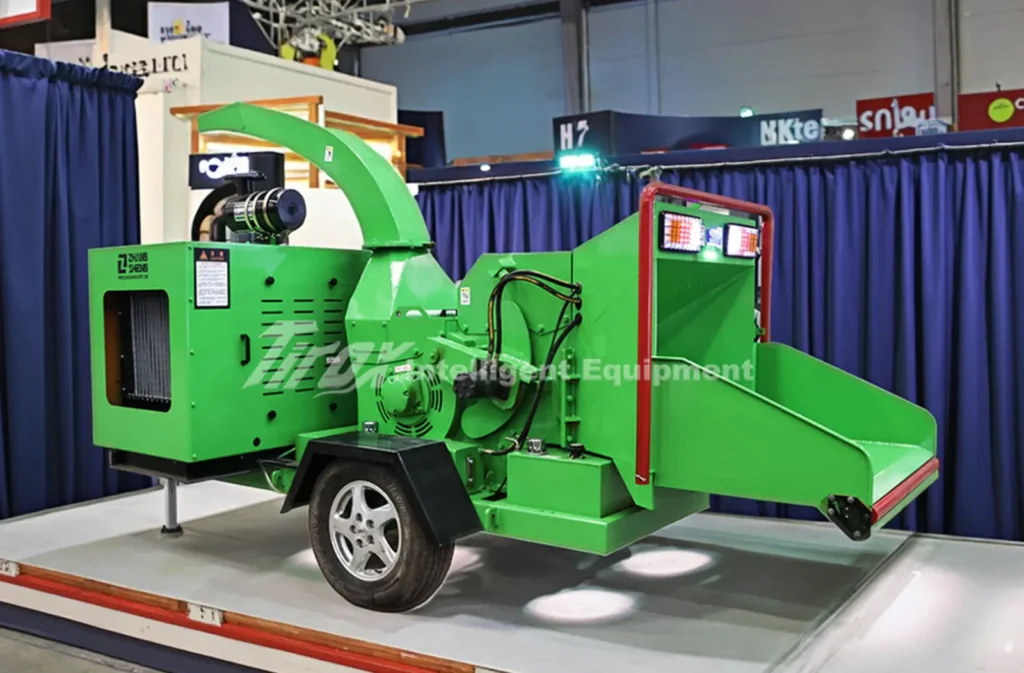
Match chipper choice to branch diameter, hours per week, and material mix; set a realistic budget for blades and fuel; and prioritize safe feed systems, service access, and proven after-sales support.
I use a three-step method. I measure what goes in, I estimate hours, and I plan the maintenance budget. I then pick the lowest-cost chipper that still meets the workload. I have done this for farms, city crews, and small contractors. It keeps budgets honest and crews safe. You can find more planning tips at https://tiroxcorp.com/blog/ and product specs at https://tiroxcorp.com/products/.
Step-by-Step Selection
1. Define Workload
- Max diameter you chip every week.
- Typical material: green branches, hardwood, or mixed yard waste.
- Hours per week under load.
2. Set Operating Budget
- Blades and anvil wear: plan sharpening or replacements.
- Fuel burn at expected throughput.
- Downtime cost: lost hours matter more than list price.
3. Pick Features That Save Time
- Hydraulic feed that reduces jams.
- Easy access panels for blade changes.
- Adjustable chip size for mulch or biomass.
| Input Metric | Minimum Spec You Need |
|---|---|
| Branch diameter 3″ | Small gas or budget towable |
| Branch diameter 5″ | Budget towable with strong feed |
| Daily B2B use | Mid-commercial hydraulic feed |
| Mixed hardwood | Higher blade grade and torque |
| Clean mulch target | Adjustable screens/knives |
If your work grows or you chip mixed waste in volume, consider stepping up sooner. Browse our news for performance updates: https://tiroxcorp.com/news/. If your operation moves from small landscaping to municipal recycling, upgrade to a commercial line. Our Wood Chippers are listed at https://tiroxcorp.com/wood-chipper/ with capacity and power details.
When does “cheap” make sense for me?
You may still want the lowest price. You want a clear yes or no. You want cases where the risk is low.
A cheap chipper makes sense for home use, light farm pruning, and occasional rental inventory, where short sessions and small diameters dominate and downtime does not impact contract delivery.
I once helped a rural client with seasonal pruning. He chipped two weekends a month, never above 2-inch branches. A small gas unit fit well. He tracked blade care, kept dirt out of the feed, and stored it indoors. He avoided heavy hardwood and knotty trunks. He saved money and never missed a deadline because his work was flexible. For occasional use tips and maintenance guides, see https://tiroxcorp.com/blog/maintenance/.
Keep It Working Longer
Feed Clean Material
- Knock off dirt and stones before feeding to protect blades.
Maintain Sharpness
- Sharpen on schedule; dull knives multiply fuel use.
Store Dry and Safe
- Moisture hurts bearings and corrodes fasteners.
| Practice | Why It Matters |
|---|---|
| Clean feed | Reduces blade wear |
| Blade schedule | Keeps throughput steady |
| Dry storage | Extends component life |
| Safety checks | Prevents costly failures |
If you grow your operation, revisit the plan. Cheap today can be expensive next year. For a product range overview, see https://tiroxcorp.com/products/.
Conclusion
A cheap wood chipper is fine for light, occasional work. For daily B2B loads, choose commercial-grade strength, safe feed systems, and reliable support to protect your time and money.