

If you’re struggling to process small organic debris like acorns and nuts, you might be losing valuable biomass and efficiency.
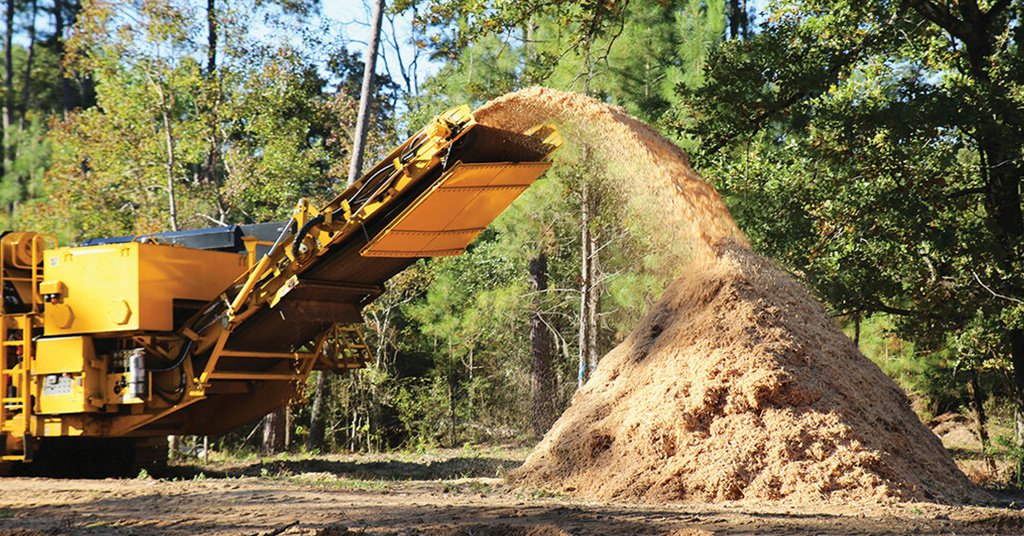
Industrial wood chippers can chip acorns, small nuts, and other organic debris, transforming them into uniform biomass suitable for energy production and composting, unlike most residential chippers.
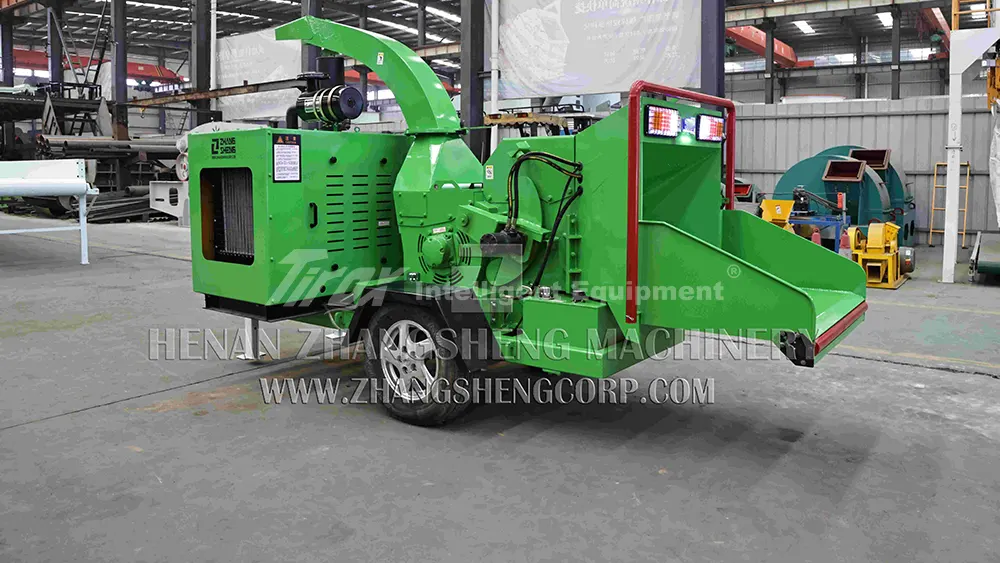
Many companies ask if their wood chipper can handle acorns and other small nuts. The answer depends on the chipper type and its design. Industrial wood chippers use advanced feed systems, robust knives, and adjustable screens. These features let them process small, dense materials as well as larger logs. The result is a consistent, high-quality chip that supports biomass production and waste management goals. Residential or farm chippers may handle “small acorns,” but throughput and chip uniformity often fall short for commercial operations. Want to read more about the latest chipper technology? Visit our blog for detailed insights. Learn about wood chipper history on Wikipedia.
The Versatility of Industrial Chippers: Beyond Wood Logs?
Confused about what materials your chipper can handle? You may be missing out on expanding your feedstock and revenue streams.
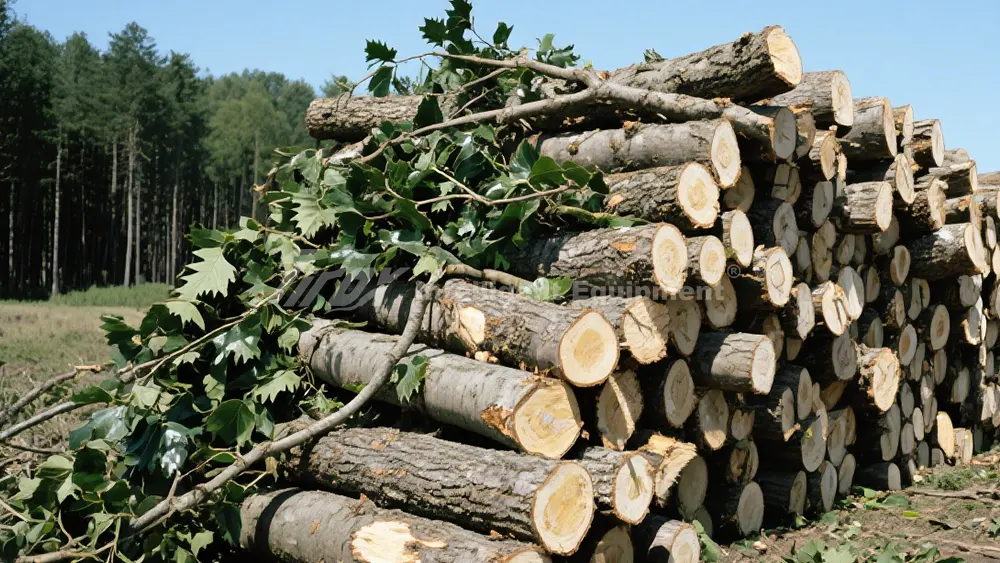
Industrial chippers process a wide range of organic materials, including logs, branches, forestry residue, acorns, nuts, leaves, and brush, thanks to their powerful engines and adaptable feed systems.
Breaking Down Chipper Versatility
| Material Type | Industrial Chipper Capability | Design Feature |
|---|---|---|
| Logs/Branches | Efficient, high volume | Large feed opening, hydraulic feed |
| Acorns/Small Nuts | Uniform chip size, safe handling | Adjustable rotor, fine screens |
| Leaves/Brush | Fast throughput | Variable speed control |
| Mixed Organic Waste | Reliable, consistent output | Intelligent feed system |
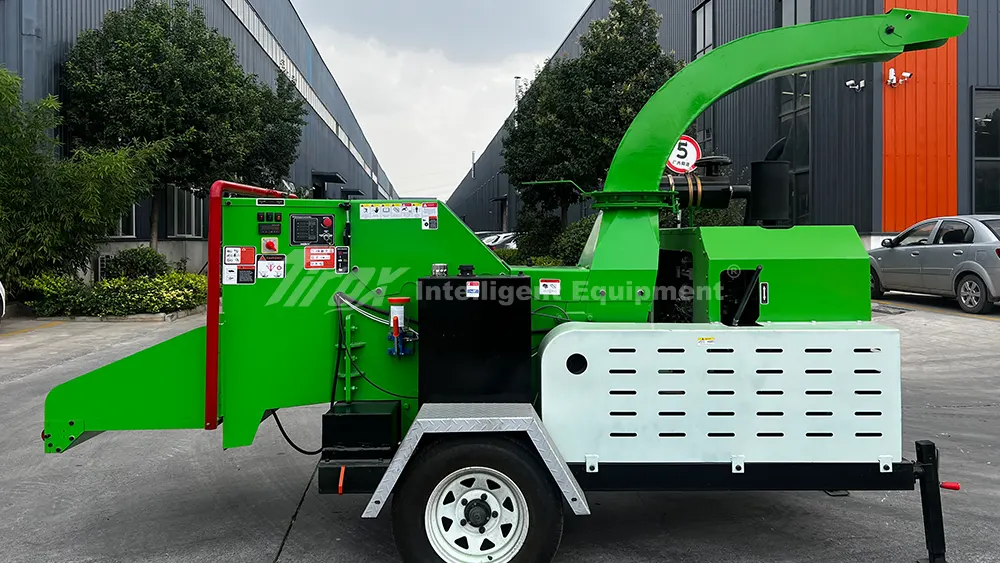
Industrial chippers use hydraulic forced feed systems, smart control panels, and independent conveyor controls. These features are designed for seamless operation with mixed material sizes. For example, the chipper’s rotor and screen can be adjusted for acorns, ensuring optimal chip size and preventing clogging. This versatility lets companies process more types of waste, boosting resource recovery and profitability. Curious about real-world applications? Check out our industrial wood chipper models and see how they work in practice.
Jump to Tirox Blog
Learn about Biomass (Wikipedia)
Optimizing Industrial Chipping for Small Organic Materials?
If your chipper jams or produces irregular chips, your operation may suffer from wasted time and higher costs.
Industrial chippers optimize small material processing using adjustable screens, moisture control, and pre-sorting, resulting in uniform chips and reduced downtime.
How to Maximize Chipper Performance for Small Debris
| Optimization Technique | Benefit | Recommended Practice |
|---|---|---|
| Screen Size Selection | Consistent chip output | Choose finer screens for acorns/nuts |
| Rotor Adjustment | Improved processing efficiency | Set speed for material density |
| Moisture Control | Prevents clogging | Dry materials before feeding |
| Pre-sorting Waste | Reduces contamination | Remove foreign objects before chipping |
I’ve seen how a chipper’s performance can vary based on input material. When processing acorns and small nuts, maintaining proper screen size and rotor speed is crucial. Moisture content affects chipper throughput. Dry materials flow better and produce more uniform chips. Smart feed systems help automate speed adjustments, minimizing jams. Pre-sorting mixed debris ensures the chipper runs smoothly and prolongs equipment life. For more tips, read our operator best practices.
Read More Tips
Discuss on Forestry Forum
Applications of Processed Acorns and Small Organic Waste in B2B Sectors?
If your processed chips have limited use, you might miss out on new revenue opportunities and sustainability goals.
Processed acorns and small debris can be used as biomass fuel, compost, soil amendments, or specialty industrial products, expanding market options for B2B operators.
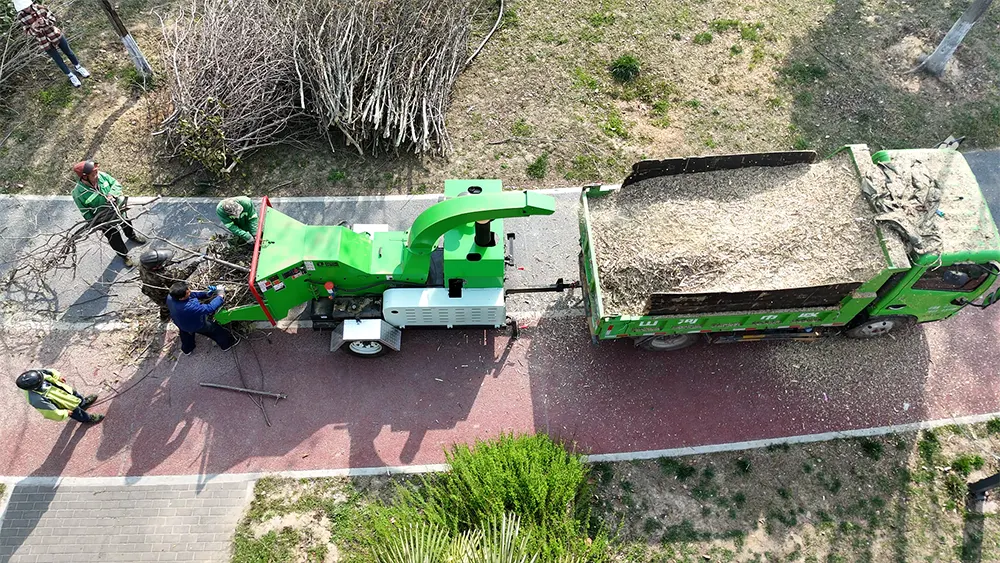
Commercial Uses for Chipped Small Organic Waste
| End Product | Sector | Value Proposition |
|---|---|---|
| Biomass Fuel | Energy | Renewable energy generation |
| Compost Additive | Agriculture | Soil enrichment, waste reduction |
| Mulch | Landscaping | Moisture retention, weed control |
| Industrial Raw Material | Manufacturing | Specialty products (e.g., absorbents) |
I’ve worked with clients who use chipped acorns and small nuts in biomass fuel blends. These chips burn cleanly and add calorific value. Composting operations prefer small, uniform particles for faster breakdown. Landscaping companies use chipped debris as mulch. Some manufacturers convert chips into specialty items, capitalizing on unique material properties. Diversifying applications increases profitability and supports sustainability. Learn more about innovative biomass uses on our company blog.
Explore Biomass Innovations
Nut Facts (Wikipedia)
Benefits for Forestry and Biomass Energy Companies?
If you’re not utilizing all your organic waste, you may be missing critical environmental and economic benefits.
Industrial chippers help companies maximize resource use, minimize waste, diversify feedstocks, and reduce costs, supporting sustainability and profitability.
Key Advantages for B2B Operators
| Benefit | How It’s Achieved | Impact |
|---|---|---|
| Resource Utilization | Process all organic debris | Reduces landfill, increases usable material |
| Feedstock Diversity | Mix large and small materials | Boosts energy output, market flexibility |
| Cost Savings | Efficient processing, less downtime | Lower maintenance and disposal costs |
| Sustainability | Reduce waste, recycle more | Positive environmental impact |
I’ve seen forestry companies transform their operations by switching to industrial chippers. They process everything from logs to acorns, minimizing waste and opening new sales channels. Biomass energy producers benefit from diverse feedstocks, ensuring steady supply and competitive pricing. Efficient chipping also cuts labor and maintenance costs. These advantages support long-term business growth and environmental stewardship. Interested in sustainable solutions? Explore our horizontal grinders designed for mixed debris processing.
Conclusion
Industrial wood chippers efficiently process acorns and small debris, helping companies turn waste into valuable resources for energy, compost, and more.