
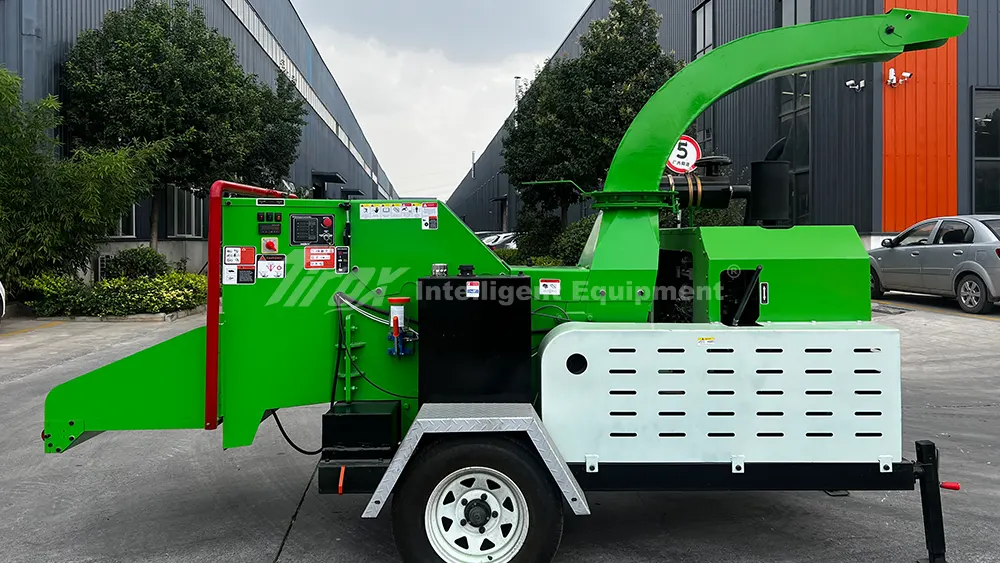
Dull wood chipper blades are a silent profit killer—causing costly downtime, low chip quality, and accelerated machine wear. Are you missing out on full productivity?
To sharpen wood chipper blades, remove them safely, inspect for damage, and use a precision grinder or professional service to restore the factory angle. Sharp blades ensure optimal throughput, consistent chip size, and reduced fuel consumption.
If you run a forestry business or recycling plant, you know sharp blades are not just a detail—they are the foundation of your operation. The right sharpening routine means less downtime and more consistent results. Let me walk you through the essentials. For more tips, check our blog ★.
What Are the Main Types of Industrial Wood Chipper Blades?
Confused by drum, disc, and flail blade differences? Using the wrong approach for each can mean poor sharpening and expensive replacements.
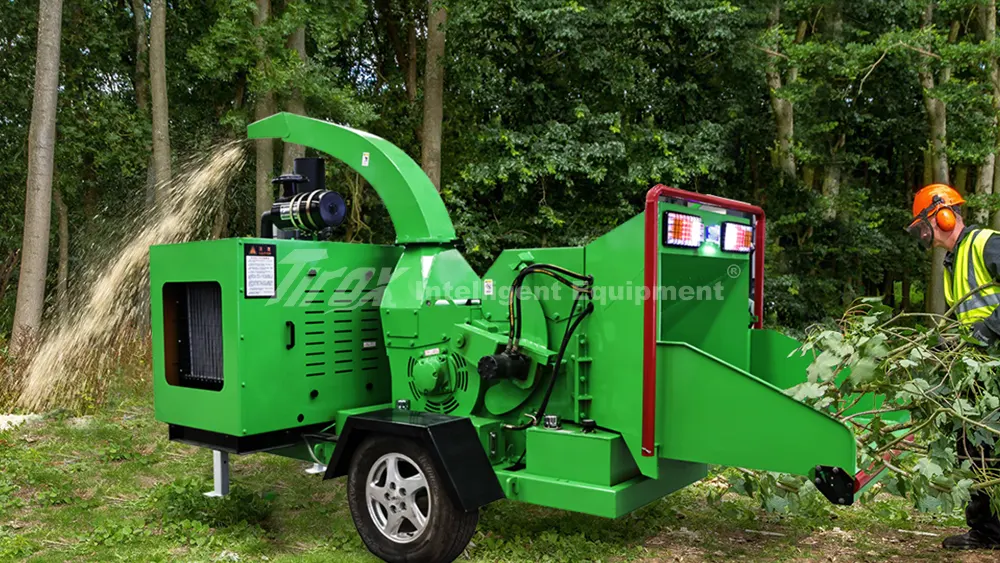
Industrial wood chipper blades come in three main types: disc blades (usually D2/A8 steel), drum/rotor blades (blocky, robust), and flail blades (lighter, for brush). Each type requires unique sharpening techniques and inspection routines.
Blade Types at a Glance
| Blade Type | Material | Application | Sharpening Challenge |
|---|---|---|---|
| Disc | D2/A8 Steel | Consistent chips, high-speed | Angle accuracy is critical |
| Drum/Rotor | Hardened Steel | Heavy-duty, large logs | Edge uniformity, robust regrinds |
| Flail | Medium Carbon Steel | Brush/leaves, lighter use | Frequent quick sharpening |
From my experience, always check your chipper manual for material specs and sharpening angles. The wrong angle can ruin chips and increase strain. For in-depth details, see Wikipedia ★.
How Do You Know When Chipper Blades Need Sharpening?
Overlooking blade sharpness leads to a drop in chip quality, more fuel burned, and dangerous vibration. Recognize the signs before costly damage occurs.
You should sharpen blades when you see nicks, rounded edges, burrs, or experience slower feed, poor chip consistency, rising fuel use, or increased vibration. Regular visual checks and data-driven schedules help avoid reactive maintenance.
Key Inspection Points
- Visual: Edge nicks, dullness, burrs
- Performance: Tougher feed, rough chips, abnormal noise
- Maintenance: Track sharpening intervals; don’t wait for failure
I always recommend logging blade hours and chipper output. This helps move from reactive fixes to proactive schedules. For more on maintenance best practices, jump to TIROX Blog ★ or discuss on ArboristSite ★.
What Are the Critical Safety Steps Before Sharpening Chipper Blades?
Skipping safety steps before blade maintenance risks severe injury, regulatory fines, and ruined equipment. Too many operators underestimate this phase.
Always follow lockout/tagout (LOTO) procedures, wear gloves, eye, and foot protection. Remove blades per your model’s manual, and inspect for cracks or warping before sharpening.
Essential Safety Checklist
- Power off and disconnect the chipper (LOTO)
- Wear PPE: gloves, goggles, boots
- Remove blades carefully—use manufacturer tools
- Clean and inspect for cracks, chips, or heat damage
I have seen many avoidable injuries from skipping LOTO. Only handle blades on a stable bench. For more safety details, read OSHA Woodworking Safety ★ and our Industrial Wood Chipper Guide ★.
Which Industrial Blade Sharpening Techniques Work Best?
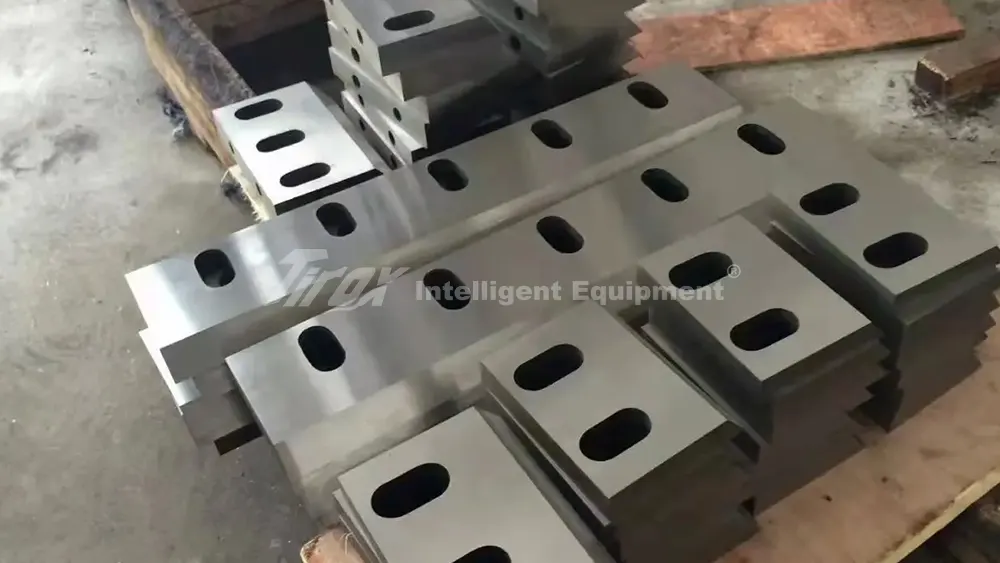
Not all sharpening methods are equal—wrong techniques can shorten blade life and reduce chipper output. Choosing between in-house grinding and outsourcing is critical.
Professional grinding offers precision and longer blade life, while in-house grinding suits larger enterprises with the right tools. Use correct grinders, angles, and cooling. Always finish with deburring.
Sharpening Options Breakdown
| Method | Pros | Cons |
|---|---|---|
| Professional Service | Consistent angles, extended blade life, saves operator time | Cost, shipping, turnaround delays |
| In-house Grinding | Immediate control, reduced downtime, cost savings for high volume | Requires skilled staff, equipment investment, risk of errors |
From my experience, high-output plants often use both methods. For special alloys or tracked chipper blades, always consult the manufacturer for recommended grinders and angles. See our Horizontal Grinder ★ page for more.
Conclusion
Sharpening wood chipper blades correctly boosts output, ensures safety, and saves costs. With the right routine and tools, you keep your operation strong and reliable.