

Ever wondered how industrial wood chippers transform forestry waste into valuable biomass? Let’s dive into their crucial role.
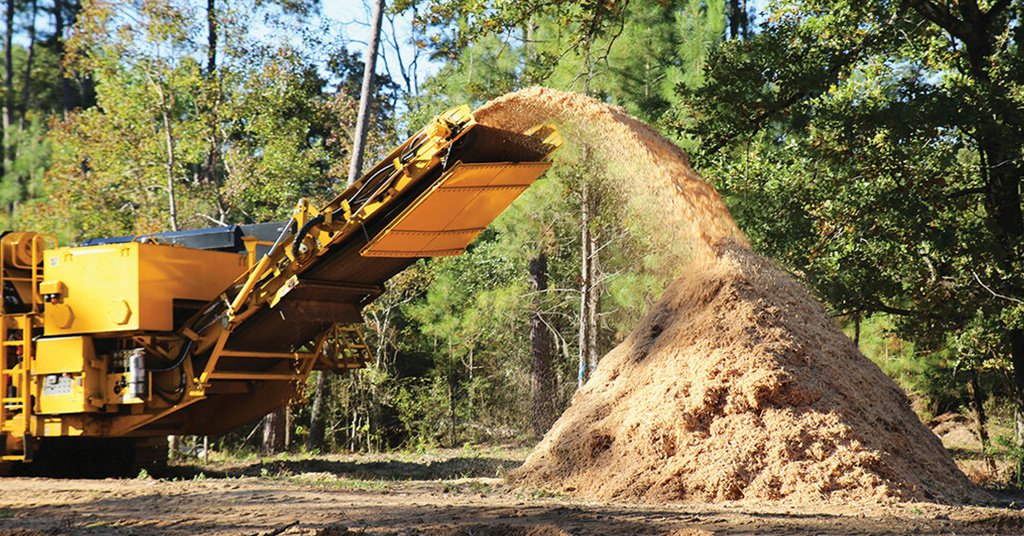
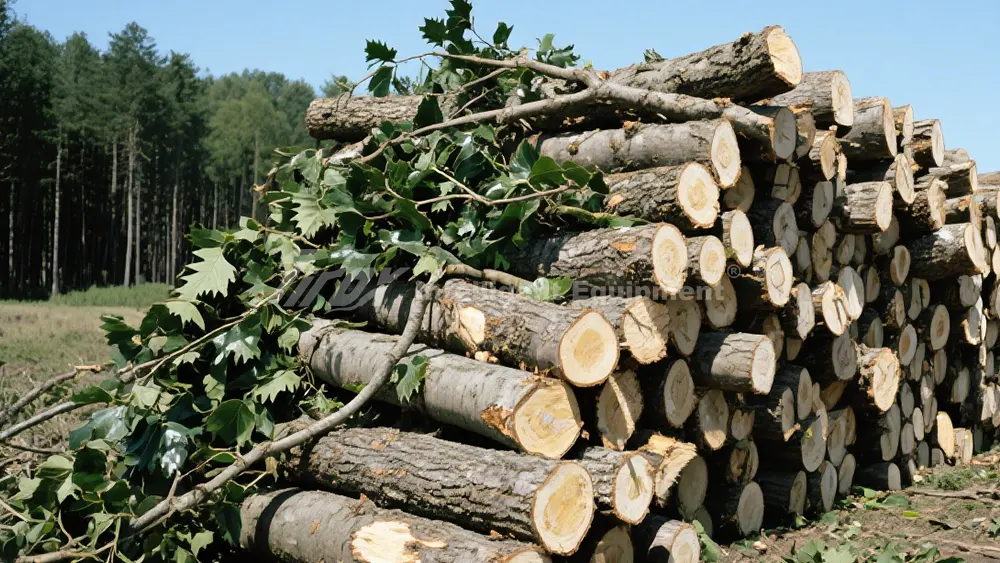
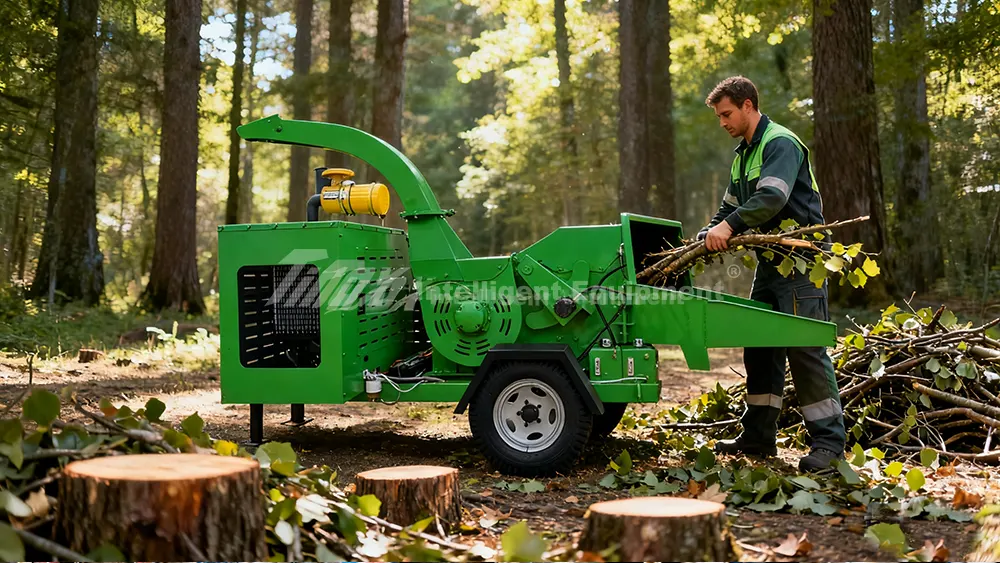
Industrial wood chippers efficiently convert fallen branches and forest debris into biomass, a renewable energy source. This process supports sustainable energy initiatives and reduces waste.
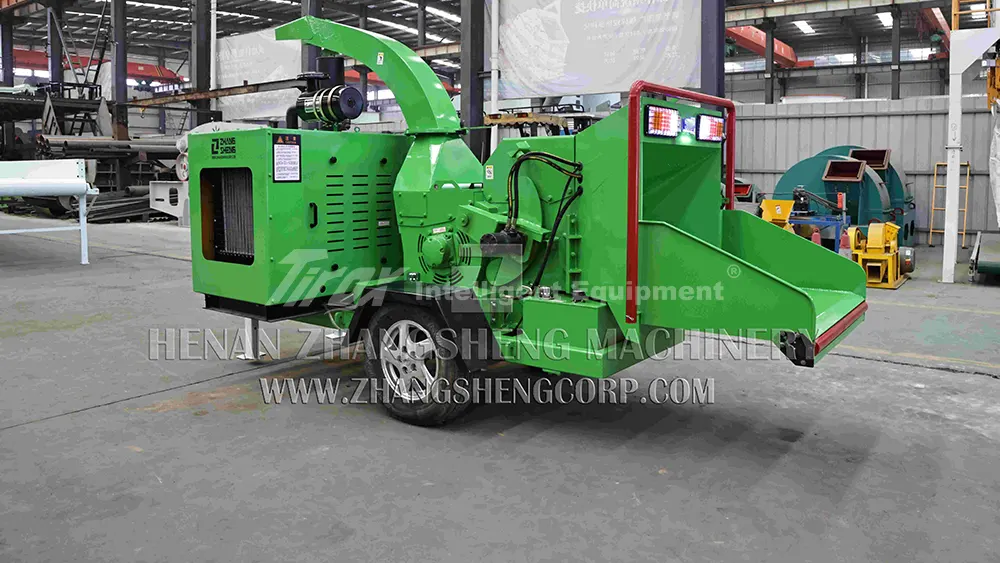
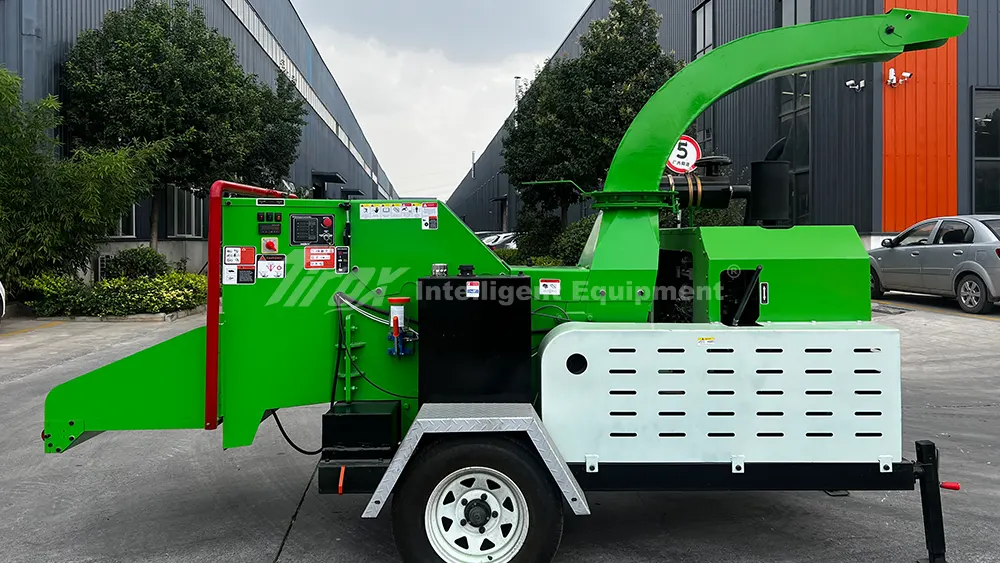
Industrial wood chippers play a pivotal role in biomass production, which is essential for creating renewable energy and supporting sustainable practices in forestry and agriculture.
How do wood chippers promote efficiency in biomass production?
Curious how wood chippers streamline the conversion from raw wood to usable biomass? Here’s the inside scoop.
By breaking down large wood pieces into smaller, uniform chips, wood chippers facilitate a quicker and more efficient biomass production process, optimizing energy output.
Wood chippers are not just about size reduction; it’s about creating a consistent, high-quality product essential for efficient biomass. The uniformity in wood chips ensures they burn more consistently, which is crucial for biomass power plants.
What are the environmental benefits of using wood chippers for biomass?
Using wood chippers helps more than just the industries; it benefits our planet. How? Let’s explore.
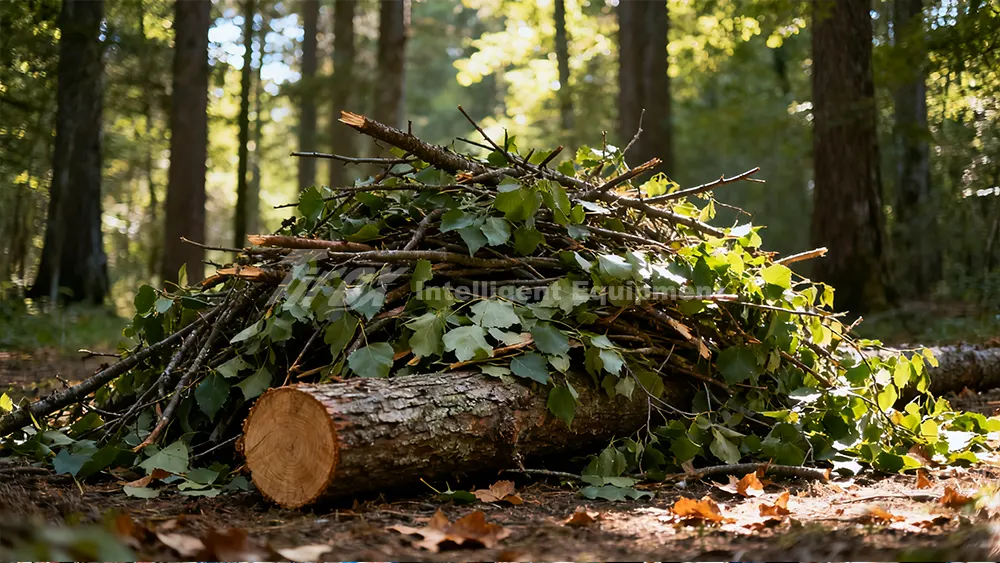
Wood chippers help reduce environmental impact by recycling wood waste that would otherwise contribute to landfill growth. This recycling process turns waste into useful biomass, contributing to eco-sustainability.
The environmental impact of wood waste can be substantial, but wood chippers offer a powerful solution by converting this waste into biomass. This not only helps in managing forest debris but also contributes to a reduction in carbon footprint by minimizing the decay that releases greenhouse gases.
Can you provide case studies where wood chippers have effectively enhanced biomass production?
Let’s look at real-world examples where wood chippers have significantly boosted biomass production.
Forestry companies worldwide, from North America to Southeast Asia, use industrial wood chippers to process excess wood into biomass, effectively turning waste into a profitable product.
In regions like Scandinavia and Canada, forestry companies utilize wood chippers to manage and recycle wood debris from logging operations. These chippers not only help in clearing the land but also provide an additional revenue stream through the sale of biomass for energy production, demonstrating a sustainable cycle of resource utilization.
Conclusion
Industrial wood chippers are indispensable in modern biomass production, offering environmental and economic benefits by transforming wood waste into valuable biomass.