
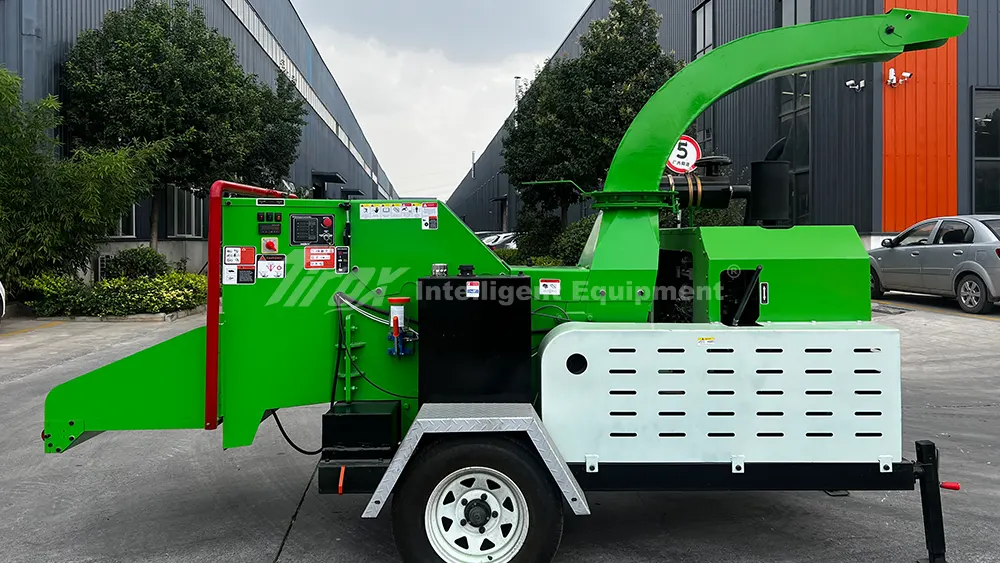
The global demand for biomass as a sustainable energy source is soaring, but processing vast amounts of wood waste can be a major bottleneck. Inefficient methods lead to wasted time and resources, hindering your operational growth. Advanced industrial wood chippers offer a revolutionary solution, transforming raw timber into valuable resources with unparalleled efficiency.
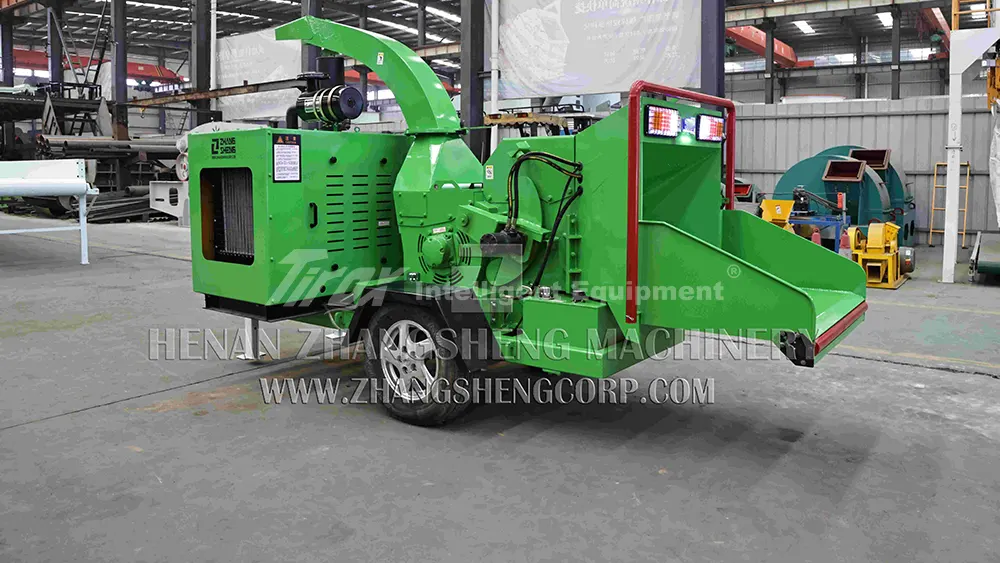
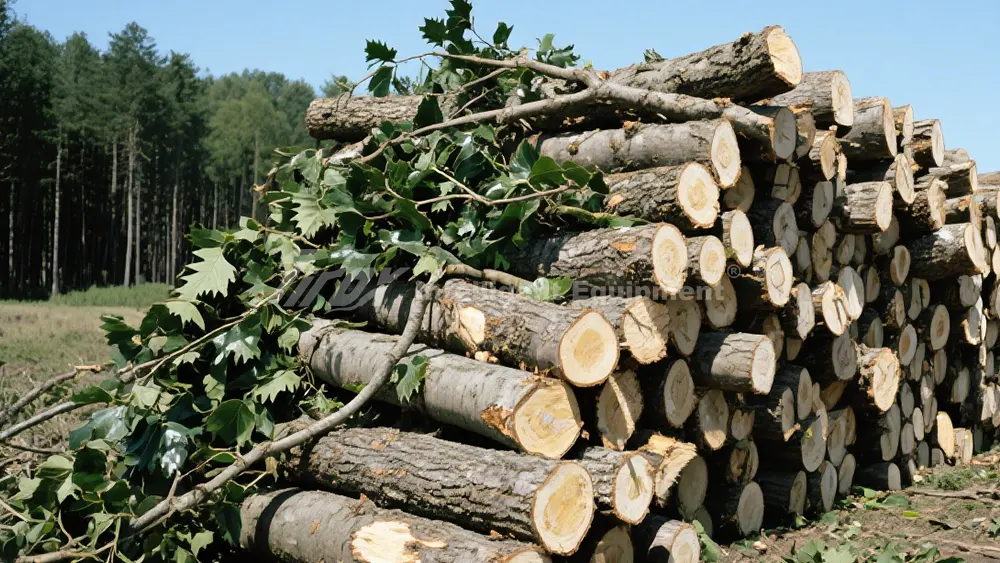
Industrial wood chippers are essential machines that transform raw wood into uniform chips using robust feeding, cutting (drum, disc, or horizontal grinder), and discharge systems. These powerful machines are crucial for various applications, including biomass energy production, pulp manufacturing, and creating valuable mulch from forestry and waste wood.
From the moment a log enters the machine to the precise ejection of perfectly sized chips, every step in the industrial chipping process is engineered for maximum output and minimal waste. Understanding this intricate dance of mechanics and technology is key to appreciating the profound impact these machines have on resource utilization and profitability.
The Core Mechanics: A Deep Dive into Industrial Wood Chipper Operation?
When I look at our industrial wood chippers, I see a symphony of engineering designed to tackle the toughest wood processing challenges. The heart of this efficiency lies in how raw material is handled and cut.
Industrial wood chippers process material through three main stages: a robust feeding system that guides wood into the machine, a powerful cutting mechanism (drum, disc, or grinder) that reduces the wood to chips, and an efficient ejection system that discharges the finished product for collection.
At TIROX, we have spent 22 years refining these systems. My team and I understand that every component must work flawlessly to ensure continuous, high-volume production. It’s not just about building a machine; it’s about crafting a solution that delivers consistent performance day in and day out.
Material Feeding System
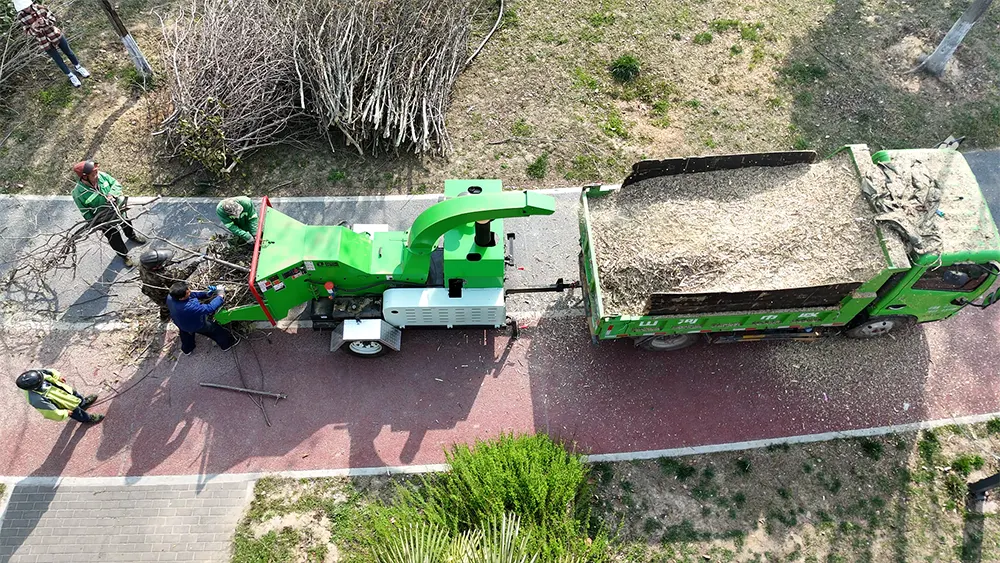
Problem: Feeding large, irregular wood pieces into a chipper can be challenging and inconsistent, leading to jams and reduced throughput. Agitate: A poorly designed feeding system can slow down your entire operation, costing valuable time and money. Solution: Our advanced material feeding systems ensure smooth, consistent, high-volume material intake for optimal performance.
The material feeding system of an industrial wood chipper consists of a robust hopper, aggressive infeed rollers, and sometimes conveyor mechanisms, all designed to guide diverse wood materials consistently and safely into the cutting chamber, preventing blockages and optimizing processing speed.
For us, the feeding system is the gateway to efficiency. We understand that your raw materials come in different sizes and shapes. That is why our products feature a hydraulic forced feeding system. This system can easily adjust its speed based on the material diameter. This ensures optimal performance and higher output. We also equip our machines with a smart feeding system. It monitors the crushing load in real time. This system automatically adjusts the feeding speed or stops feeding to prevent blockages. This makes your work much smoother. Our intuitive control lever allows you to effortlessly manage the roller’s functions: forward, reverse, and stop. If a blockage or foreign object occurs, you simply stop or reverse the feed to protect the blades and the diesel engine.
Cutting Mechanism Explained
Problem: Achieving uniform chip quality is critical for many applications, but different cutting mechanisms yield varied results. Agitate: Choosing the wrong chipper type can lead to inconsistent output, reducing the value of your processed wood. Solution: Understanding the distinct cutting mechanisms helps you select the right technology for your specific chip quality needs.
Industrial wood chippers primarily use drum chippers, which shear wood with knives on a rotating drum for high throughput, or disc chippers, which use precision-set knives on a rotating disc for uniform chip quality, while horizontal grinders use a hammer mill principle for diverse, bulky feedstocks.
At TIROX, we are proud of our technological innovations in cutting mechanisms. In 2017, we became the first manufacturer in China to successfully develop the Tracked Horizontal Grinder. Then in 2018, we launched an upgraded Fully Hydraulic Tracked Horizontal Grinder. This solidified our position as an industry technology leader. Our horizontal grinders use a hammer mill principle. This makes them ideal for processing varied materials, including those with contaminants. For high-volume, consistent chip production often needed for biomass, drum chippers are excellent. They use a rotating drum with knives to shear wood. For applications requiring very precise, uniform chips, like in the pulp and paper industry, disc chippers are often preferred. They use a rotating disc with precision-set knives. We offer a range of these machines, each optimized for different feedstocks and desired chip specifications.
Chip Ejection and Discharge
Problem: After chipping, inefficient chip ejection can cause bottlenecks, machine wear, and messy worksites. Agitate: Poor discharge systems lead to downtime for clearing jams and increased operational costs. Solution: Our efficient chip ejection and discharge systems ensure continuous operation and clean material handling.
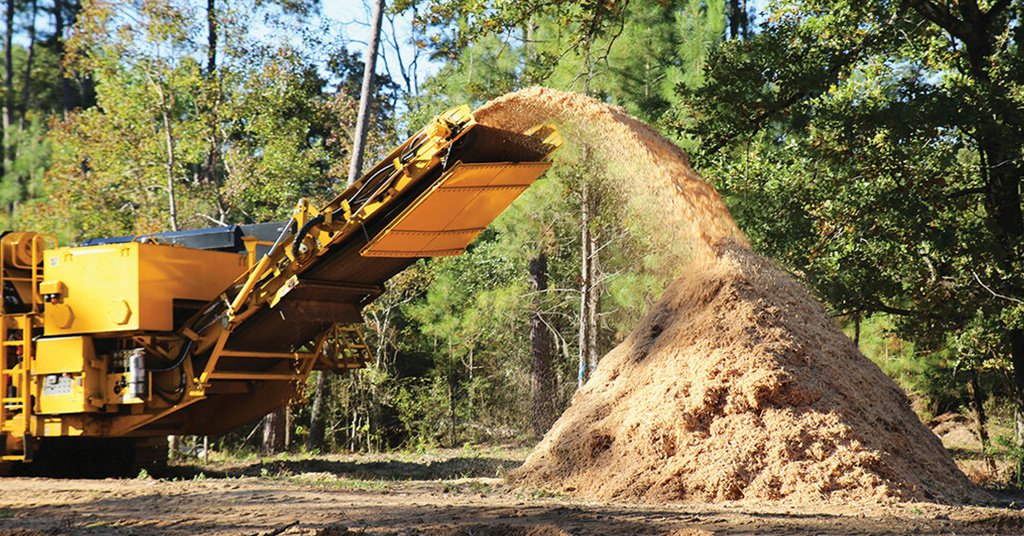
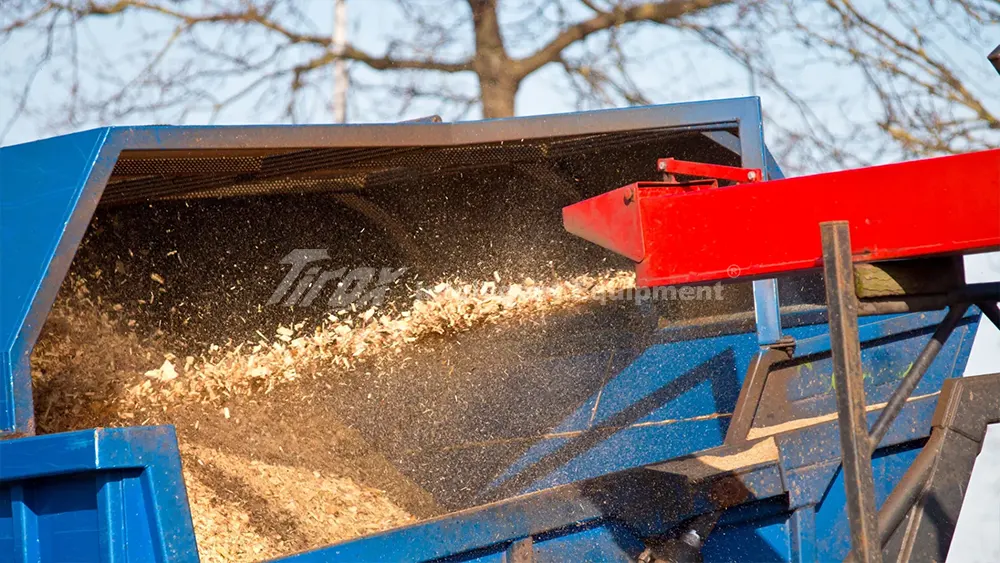
Chip ejection and discharge systems utilize powerful blowers, conveyor belts, and adjustable discharge spouts to efficiently move processed wood chips away from the cutting chamber. This prevents blockages and directs the material into collection containers, ensuring continuous and clean operation.
I know that once the wood is chipped, it needs to be moved quickly and efficiently. Our machines feature robust blowers and discharge spouts. These are designed for efficient material handling. This ensures a continuous flow of chips into your collection system. What if something unexpected happens during feeding? Don’t worry. We equip our machines with a metal conveyor. It is independently controlled by a smart hydraulic system. This allows you to advance, reverse, or stop it at any time. This ensures your safety and keeps the operation smooth.
Key Components Driving Performance
Problem: The underlying components of an industrial chipper are often overlooked but are crucial for reliable, long-term performance. Agitate: Weak or unreliable components can lead to frequent breakdowns, high maintenance costs, and significant operational delays. Solution: Understanding the robust key components ensures continuous, high-performance operation.
The core performance of industrial wood chippers relies on powerful industrial engines (diesel or electric), advanced hydraulic systems for precise feed control and safety, and intuitive control panels with automation features for optimized and efficient operation.
The power behind our machines is critical. We use powerful industrial engines, including high-quality Chinese diesel engines. We also offer globally renowned brands like Cummins and Perkins. This makes it easy for you to purchase parts and perform maintenance wherever you are. Our advanced hydraulic systems provide precise control over the feeding mechanism. This enhances both efficiency and safety. We also include smart control panels. These display key working conditions such as oil level, water temperature, and operating time. This helps you identify problems early and minimize maintenance. Access is easy, just turn a key.