

Discover how industrial wood chippers revolutionize biomass energy production, transforming waste into valuable resources.
Industrial wood chippers are pivotal in converting forest debris into usable biomass fuel, enhancing energy production efficiency significantly.
The increasing demand for sustainable energy solutions has spotlighted the role of wood chippers in biomass energy production.
What is the role of industrial wood chippers in biomass energy?
Grasping the crucial function of wood chippers in renewable energy sectors is essential for sustainability.
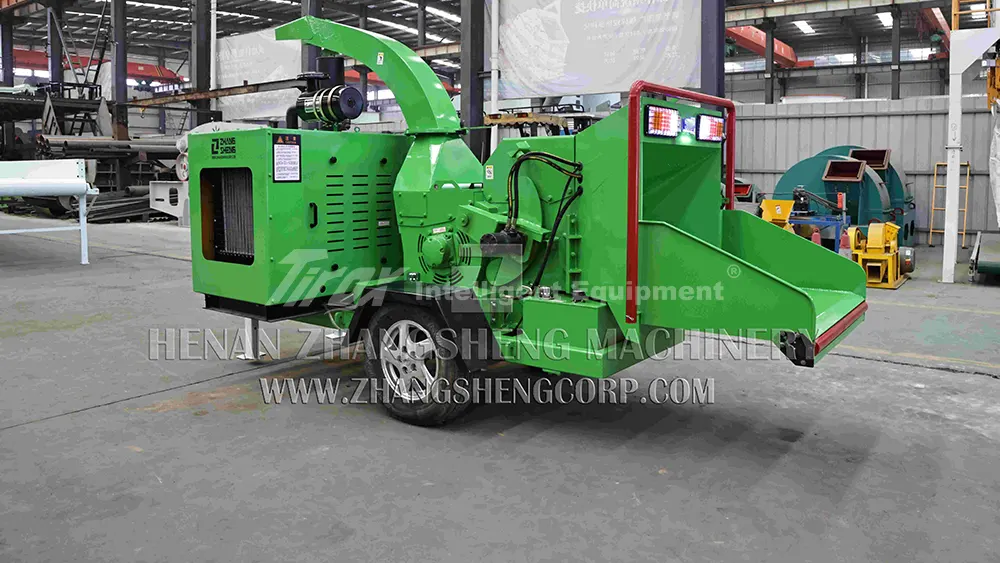
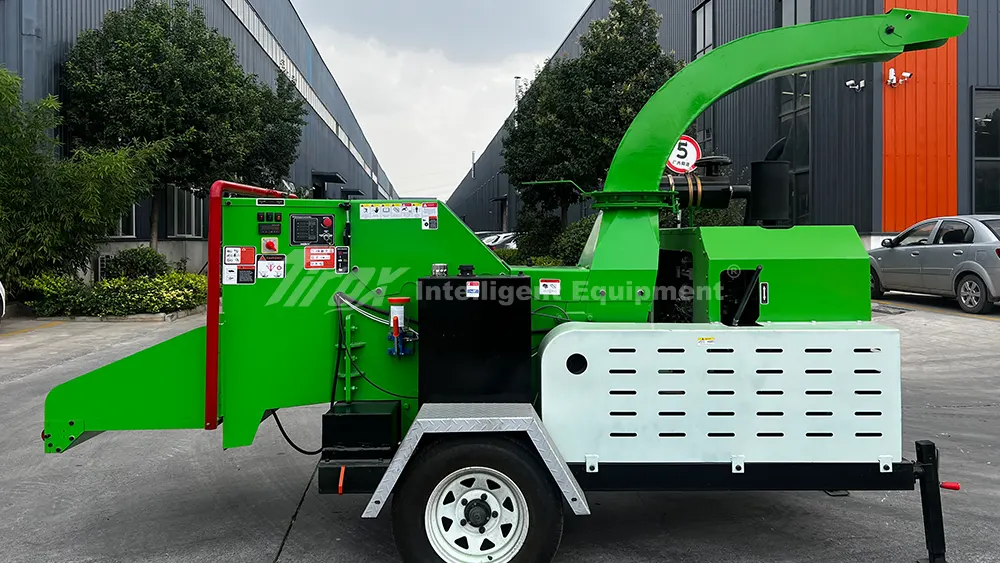
These machines efficiently process large volumes of wood debris, converting them into consistent chip sizes ideal for biomass fuel.

Industrial wood chippers serve as the backbone in biomass energy production by processing various forms of wood waste. These robust machines not only handle branches and trimmings but also manage larger wood debris, ensuring a steady supply of processed wood chips. The chips are then used as a primary fuel source for generating bioenergy, playing a vital role in reducing reliance on fossil fuels and promoting renewable energy sources. This process not only supports sustainable energy but also contributes to waste reduction and management.
How do wood chippers convert forest debris into biomass fuel?
Understanding the transformation process from raw forest debris to high-quality biomass fuel is fascinating.
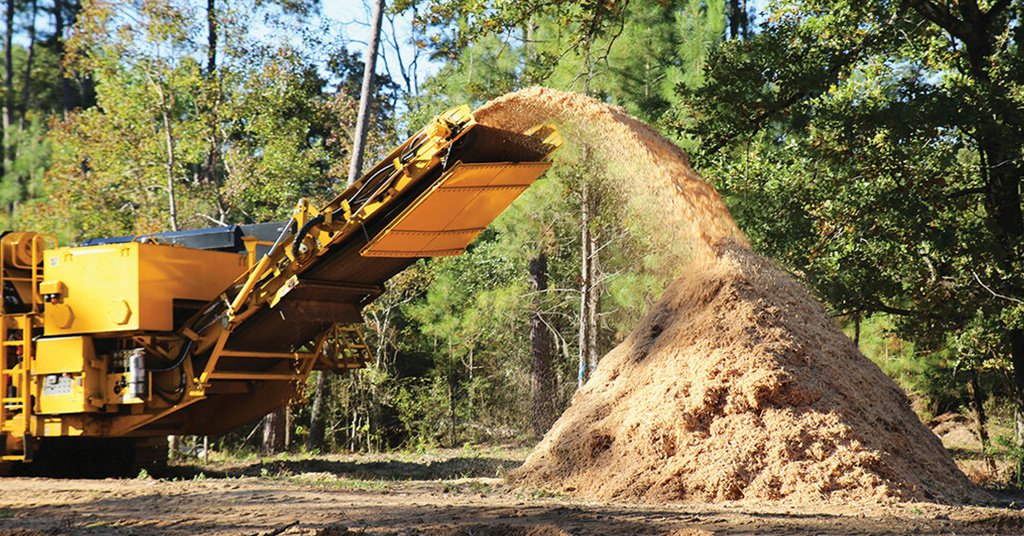
Through powerful cutting mechanisms, wood chippers shred diverse types of wood debris into small, uniform chips, perfect for combustion in bioenergy production.
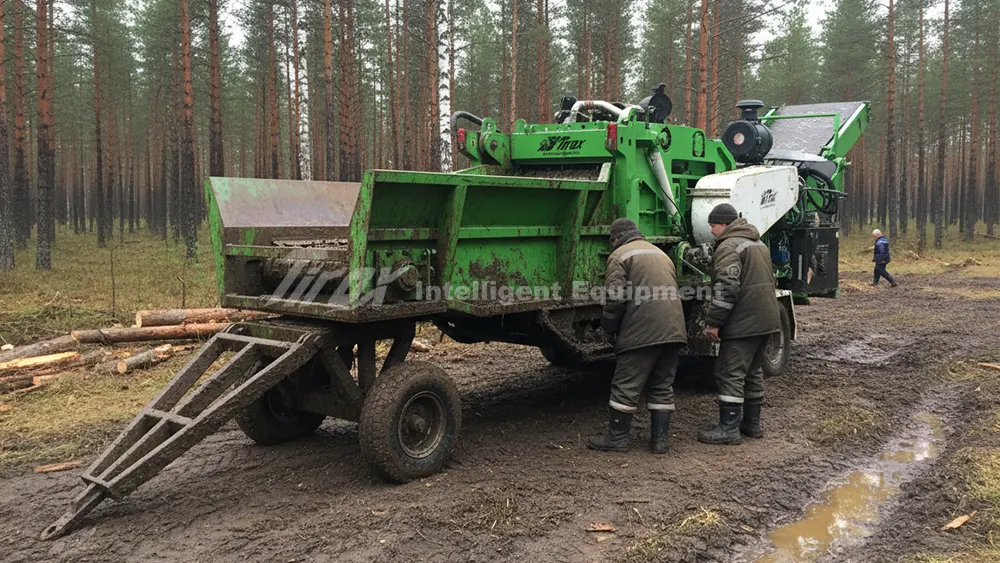
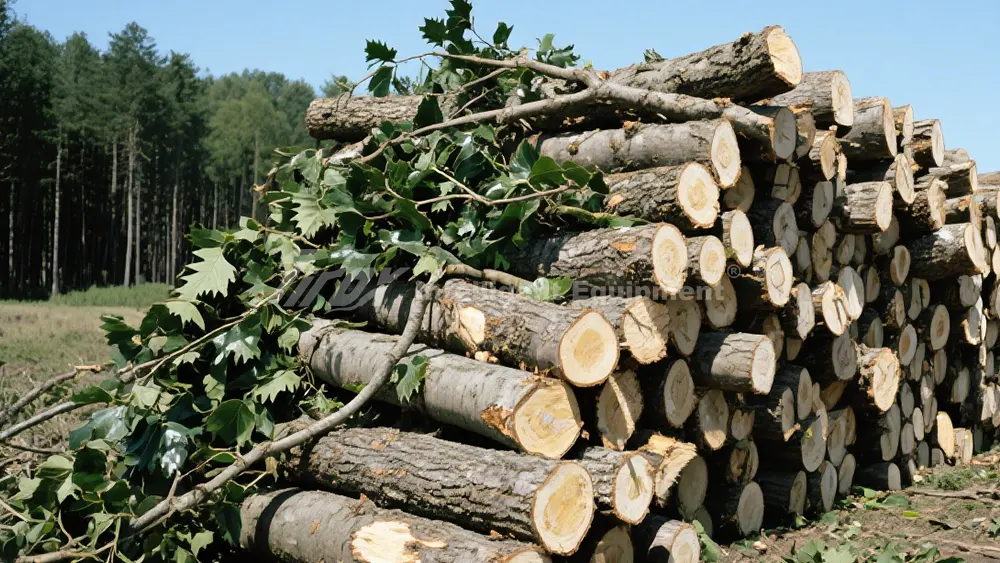
Industrial wood chippers utilize sharp, durable cutting systems to break down a variety of wood materials collected from forest clean-ups, logging residues, and even damaged trees from storms. The chipper’s design allows for adjustable chip sizes, which is crucial for different bioenergy production requirements. These wood chips are then often transported to biomass power plants where they are used as a renewable source of energy. The efficiency of wood chippers not only maximizes the output of biomass fuel but also ensures that the environmental impact is minimized by promoting the reuse of tree waste.
What impact does chip size and consistency have on energy production efficiency?
Chip size and quality are critical factors influencing the efficiency of biomass energy systems.
Uniform chip sizes ensure consistent combustion, which is essential for maintaining efficient and stable energy production in biomass power plants.
The precision in chip size directly affects the combustion process in biomass boilers. Smaller, consistent chips combust more completely, reducing waste and emissions, while providing a more controlled and steady heat output. This uniformity allows biomass facilities to achieve higher efficiency rates, optimizing energy production and reducing operational costs. Moreover, consistent chip quality reduces the wear and tear on combustion equipment, extending the lifespan of the machinery and decreasing maintenance needs.
Conclusion
Industrial wood chippers are transformative in biomass energy production, efficiently converting wood waste into valuable biomass fuel.