
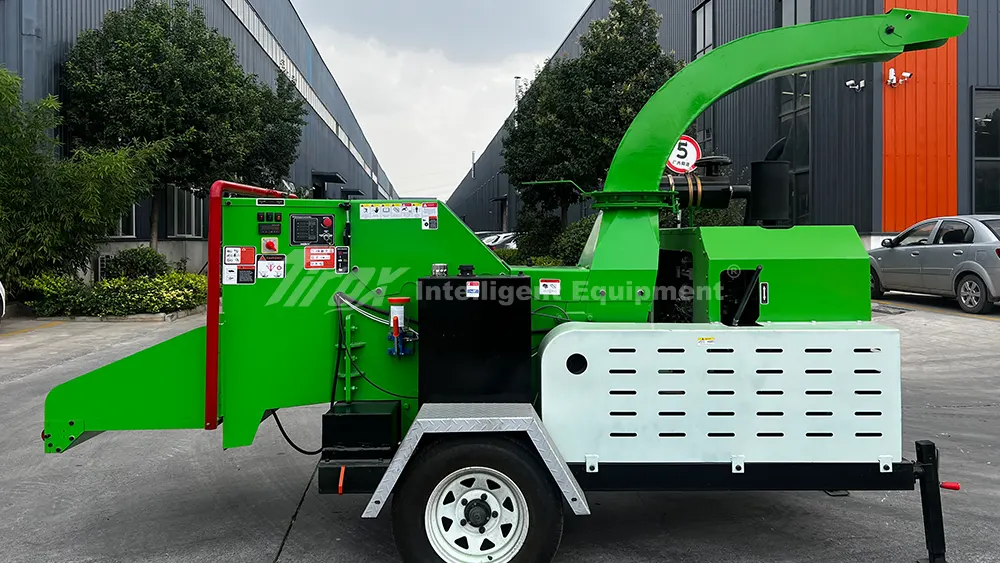
Are you planning to invest in an industrial wood chipper? Here’s what you need to know to make an informed decision.
Choosing the right wood chipper involves more than just the price tag. Essential factors like engine power, size, and technology must be considered to ensure efficiency and longevity in industrial applications.
When selecting a wood chipper for industrial use, it’s crucial to assess various aspects to match your specific needs. This decision can significantly impact your operational efficiency and cost-effectiveness in the long run.
Why is Engine Power Crucial for Wood Chippers?
Understanding the importance of engine power helps in selecting a chipper that meets your industrial demands.
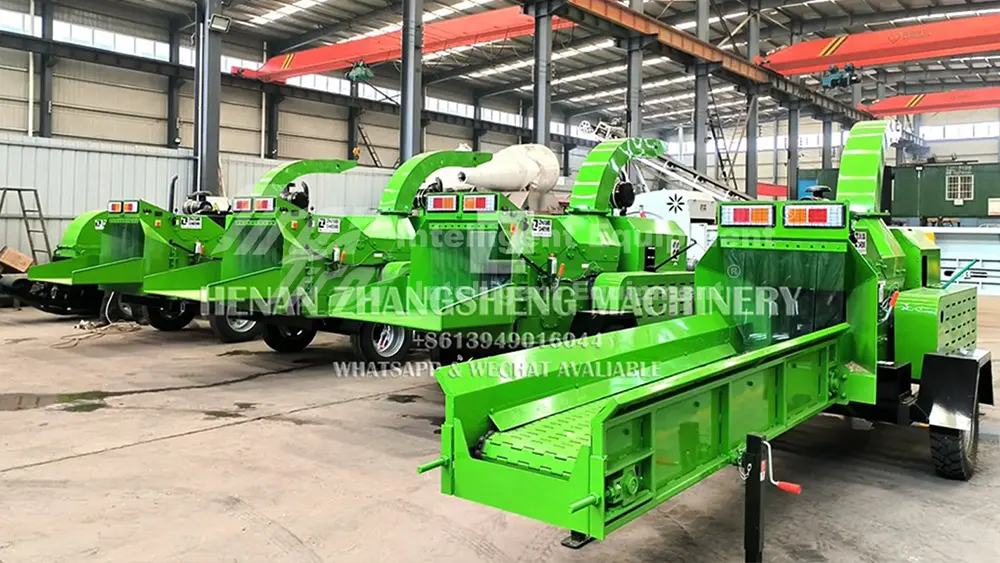
Engine power in wood chippers dictates the speed and efficiency of wood processing. Higher horsepower engines manage larger, tougher logs more effectively, reducing downtime and increasing productivity.
High-performance engines like the top-tier diesel engines offered by TIROX ensure reliable and efficient operation. Whether you’re dealing with softwood or hardwood, engine power should align with your processing requirements. This ensures that the chipper performs optimally, without frequent breakdowns or maintenance issues. Furthermore, the availability of renowned brands like Cummins and Perkins ensures easy maintenance and part replacement, enhancing the chipper’s operational life.
What Role Does Transportation and Maneuverability Play in Choosing Wood Chippers?
Selecting a chipper with easy transport and maneuverability features can greatly enhance operational flexibility.
Transportation ease and maneuverability are essential for wood chippers used across various locations. Features like track-mounted systems allow for movement in diverse terrains, increasing accessibility and productivity.
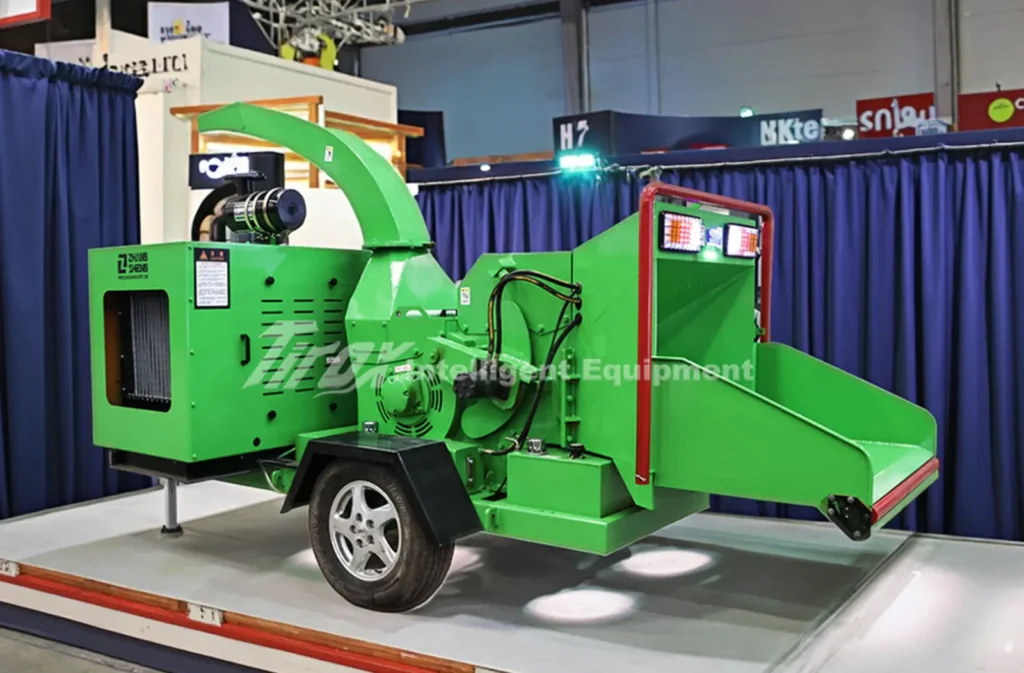
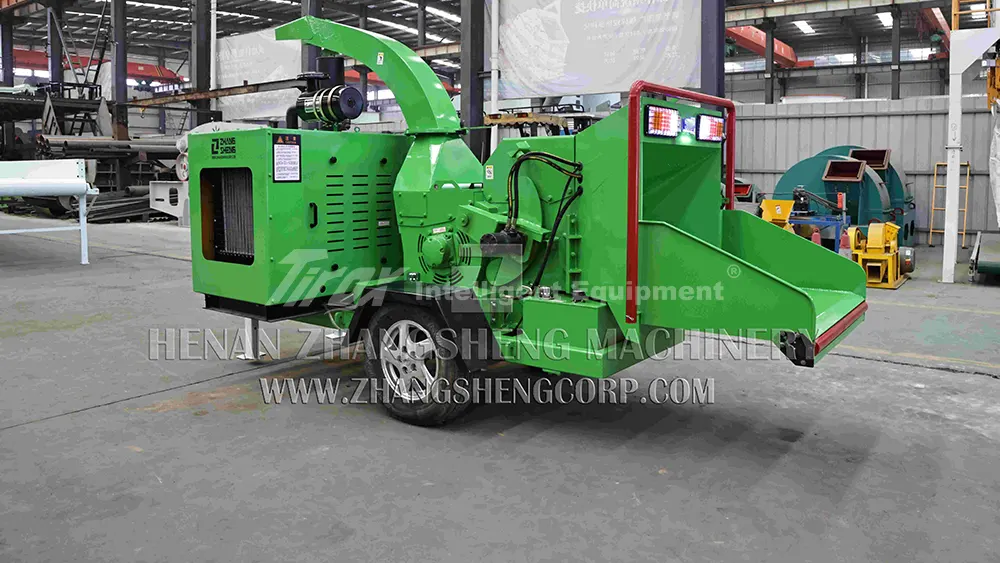
The ability to move your wood chipper easily between job sites is crucial, especially for businesses that operate in multiple locations. Look for models with robust wheels and towing options that comply with local transport regulations. Additionally, consider the weight and size of the chipper to ensure it can be transported safely and efficiently.
How Do Different Mechanisms and Technologies Enhance Wood Chipper Performance?
Innovative technologies in wood chippers can revolutionize your wood processing tasks.
Modern wood chippers utilize various mechanisms and technologies to increase efficiency and safety. Hydraulic feed systems, smart feeding systems, and easy-to-use controls are pivotal in enhancing productivity.
The hydraulic feed system adjusts to the material’s diameter, ensuring optimal performance and higher output. Smart feed systems monitor crushing loads and adjust feeding speeds to prevent clogs, smoothing operations. Additionally, user-friendly controls simplify machine operation, allowing for quick responses to blockages or foreign objects, thus protecting blades and engines. An intelligent control panel displays key operational conditions, aiding in timely maintenance and problem resolution.
Conclusion
Considering engine power, transportability, and advanced technologies is crucial when choosing an industrial wood chipper.