

Choosing the right wood chipper feels complicated. A wrong decision costs you time and money, but the right machine can transform your operation. Let’s make that choice simple for you.
The best industrial wood chipper depends on your needs. For processing large volumes of varied materials like whole trees and forestry waste, a drum chipper is superior. For producing highly uniform chips from clean, straight logs, a disc chipper is a solid choice.

I’ve been in this business for over 22 years, and I’ve seen customers struggle with this decision time and time again. Both machines turn big wood into small chips, but how they do it makes all the difference for your bottom line. It’s not just about the machine; it’s about matching the machine’s strengths to your specific job. To really understand which one is right for you, we need to look under the hood and see how they actually work. Let’s break it down together.
How many cutting methods are there for industrial wood chippers based on their working principles?
At a glance, all industrial chippers seem to do the same thing. But their internal workings are very different, and this difference is critical. Understanding these core methods is the first step.
There are two primary cutting methods in industrial wood chippers: the drum style and the disc style. Drum chippers use knives mounted on a large rotating cylinder, while disc chippers use knives mounted on the face of a heavy, spinning flywheel.
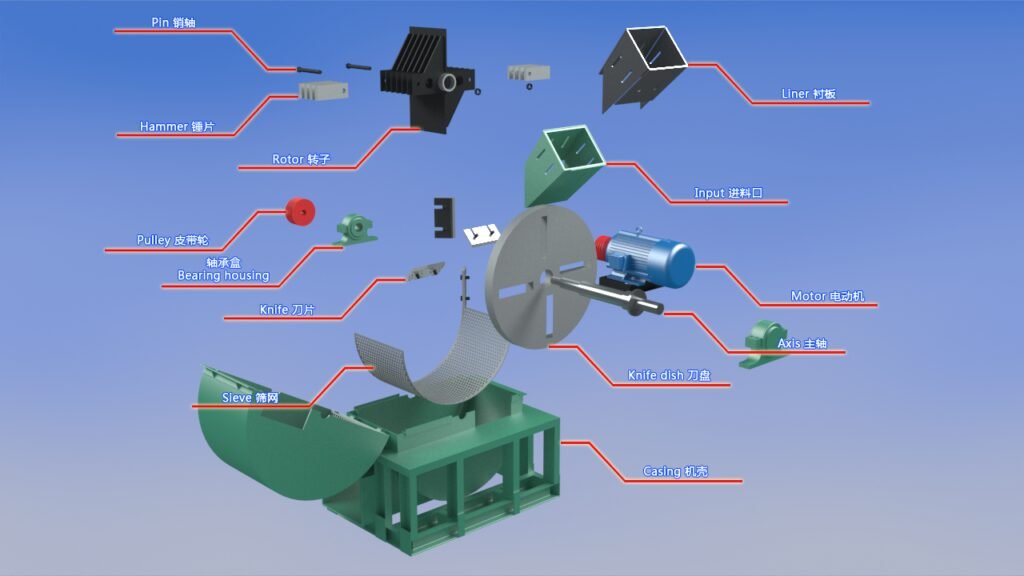
Let’s dive deeper into how each of these methods works. Think of a disc chipper first. It has a large, heavy steel disc that spins at high speed. This disc acts as a flywheel, storing a massive amount of energy. Knives are mounted on the face of this disc. You feed wood into the machine through a chute, usually perpendicular to the spinning disc. As the wood hits the disc, the knives slice it into chips at an angle. The sheer momentum of the heavy disc helps it power through logs smoothly. This method is excellent for creating very uniform, high-quality chips, which is why you often see them in places like pulp mills where chip consistency is key.
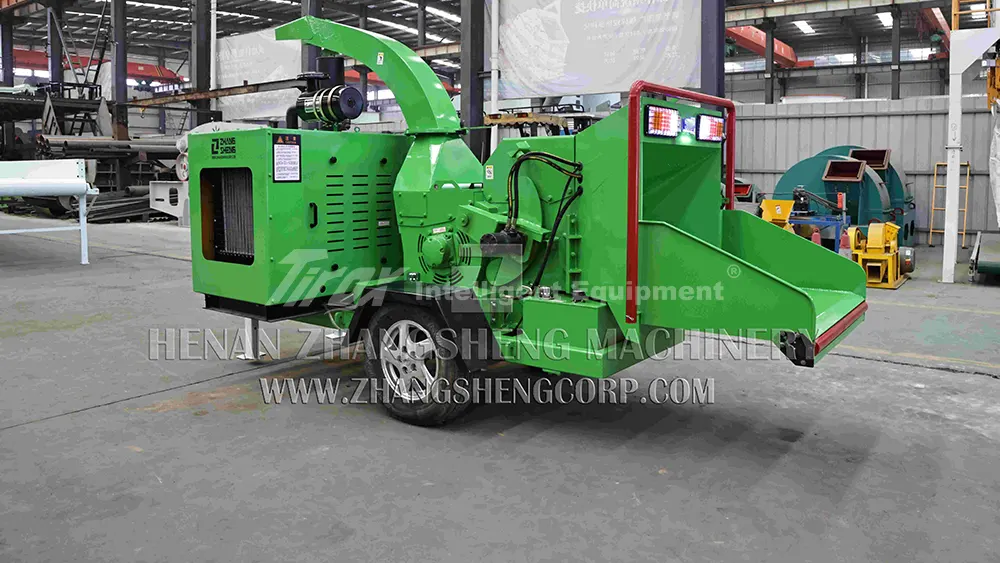
Now, let’s look at the drum chipper. Instead of a flat disc, it has a large, heavy horizontal drum that rotates. The cutting knives are mounted on the surface of this drum, running parallel to its length. Wood is fed into a wide opening, where powerful rollers grab it and force it against the spinning drum. As the drum rotates, its knives chop the wood against a stationary anvil. This action is more like aggressive chopping than the slicing of a disc chipper. This design allows it to grab and process a much wider variety of materials, including messy branches and oddly shaped logs.
| Feature | Disc Chipper | Drum Chipper |
|---|---|---|
| Cutting Action | Slicing at an angle | Aggressive chopping |
| Knife Placement | On the face of a flywheel | On the surface of a drum |
| Feed Direction | Perpendicular to the disc | Tangential to the drum |
| Primary Advantage | Uniform chip quality | High volume & material variety |
What’s the difference between drum and disc cutting methods?
You know the two main types, but that knowledge isn’t enough. The real differences affect your daily workflow and efficiency, so choosing wrong can slow you down. Let’s compare them directly.
The main difference is how they handle material. Drum chippers are aggressive, using hydraulic rollers to pull in and process large, irregular wood. Disc chippers are more precise, ideal for clean, uniform logs, and excel at producing consistently sized chips.
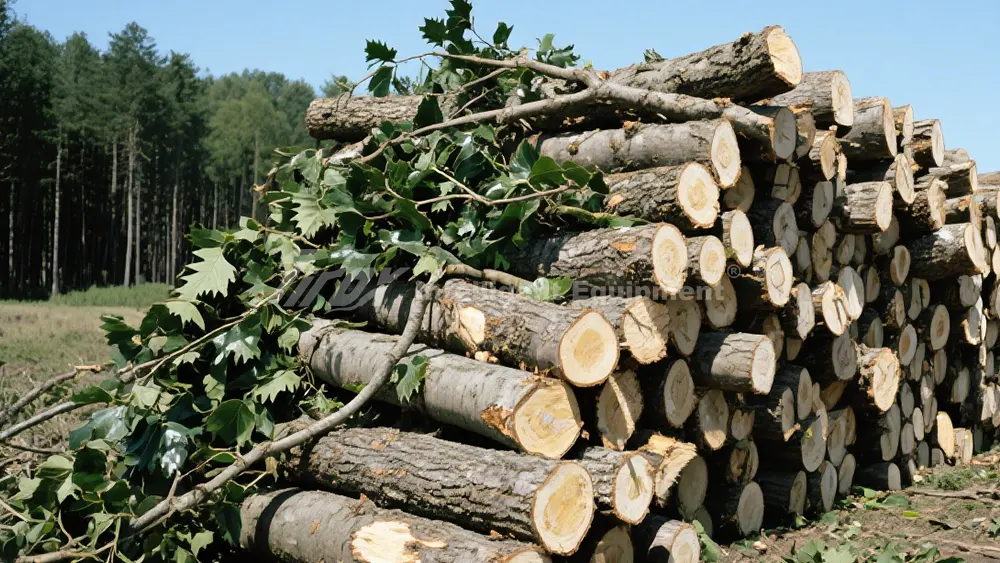
The biggest difference I see on job sites is the material input. A disc chipper works best when you feed it relatively straight, clean logs. It can struggle if you try to feed it a whole, bushy tree with lots of branches going in different directions. The opening is often narrower, and it isn’t designed to untangle that kind of mess. On the other hand, a drum chipper is built for exactly that kind of chaos. We design our drum chippers with a wide throat and powerful hydraulic feed rollers. These rollers act like strong hands, grabbing onto branches, trunks, and stumps, and forcing them into the chipping drum. This aggressive infeed system means you spend less time trimming and preparing the wood and more time chipping.
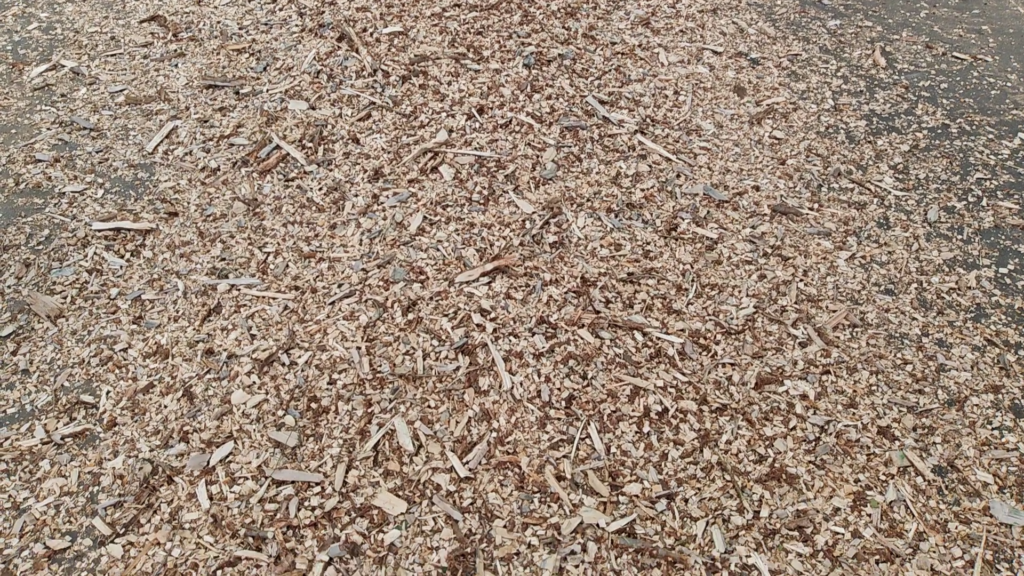
Another key difference is the final product: the wood chips. Because of its slicing action, a disc chipper naturally produces very uniform, high-quality chips. This is a huge benefit if you’re selling chips to a biomass plant or pellet factory that has strict size requirements. A drum chipper, with its chopping action, can produce chips of a more varied size. However, we solved this problem by adding screens to our drum chippers. By simply changing the screen, you can control the output size, from 10mm all the way up to 120mm. This gives you the versatility to produce different products with a single machine.
| Aspect | Drum Chipper | Disc Chipper |
|---|---|---|
| Material Input | Whole trees, branches, mixed waste | Uniform, straight logs |
| Infeed System | Aggressive hydraulic rollers | Often gravity-fed or less powerful |
| Chip Quality | Variable, controlled by screens | Highly uniform and consistent |
| Throughput | Higher for mixed, bulky material | High for perfectly sized logs |
| Best For | Land clearing, forestry, recycling | Pulp mills, specific biomass fuel |
Why is drum chipping more suitable for whole-tree chipping and industrial use?
When your business depends on processing tons of wood every day, you need a true workhorse. A standard chipper will break down or slow you down, costing you money. Here’s why drum chippers dominate industrial jobs.
Drum chippers are built for industrial, whole-tree chipping because of their unmatched material adaptability, continuous high-volume feeding with intelligent controls, and rugged, reliable design. They simply process more wood, more consistently, in the toughest conditions.
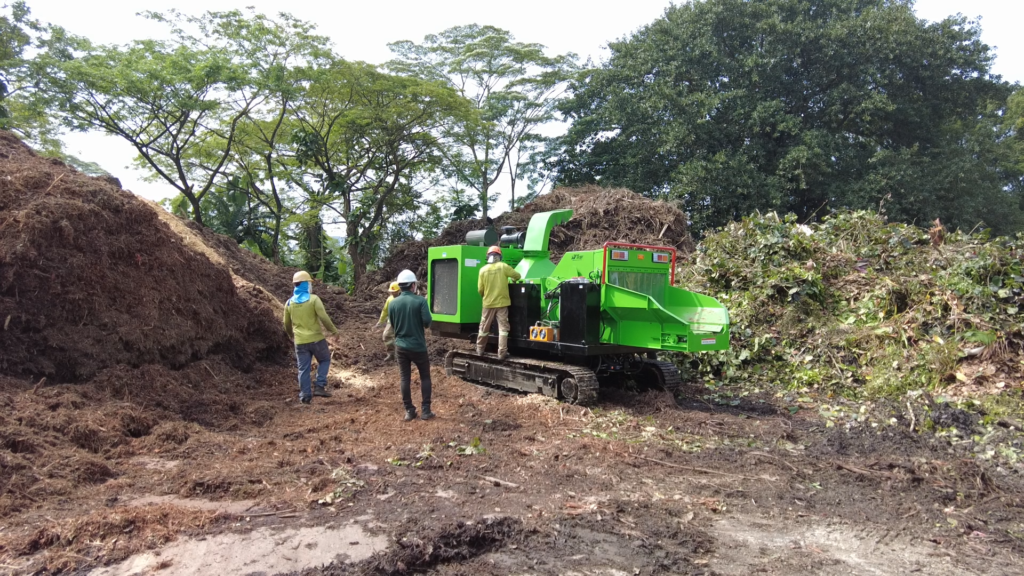
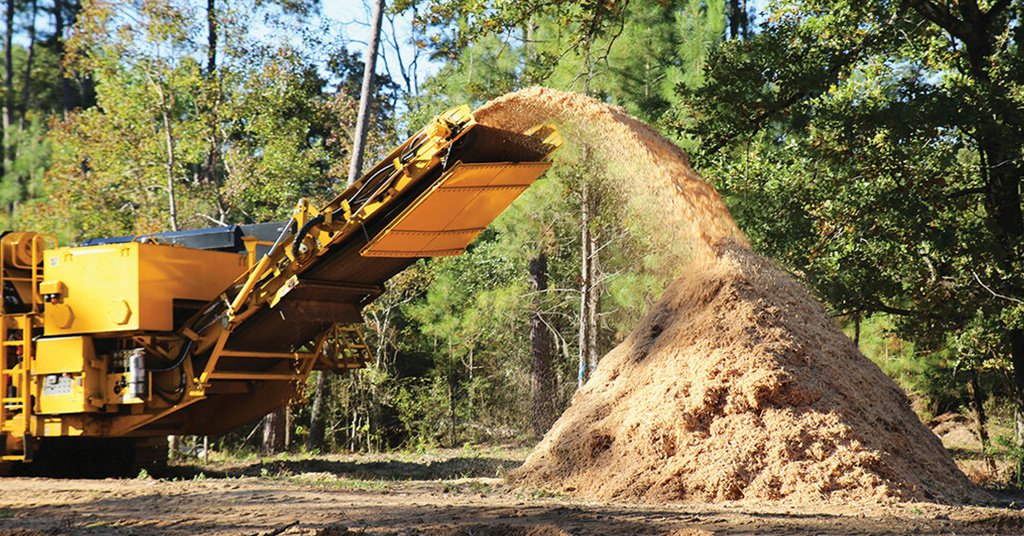
I remember talking to a logging client who was struggling. His crew was spending half their day cutting branches off trees just so their old disc chipper could handle the logs. It was a huge bottleneck. We brought in one of our TIROX tracked drum chippers, and it changed everything. Here’s why it works so well for heavy-duty industrial applications.
First, as we’ve discussed, it handles everything. You can feed it entire trees, bushy branches, stumps, and mixed forestry debris. The wide opening and powerful rollers just pull it all in. This adaptability is critical for forestry and land-clearing companies where the material is never uniform.
Second, the feeding system isn’t just powerful; it’s smart. I call it the “smart brain.” Our hydraulic feed system constantly monitors the speed of the chipping drum. When you feed in a massive log, the drum naturally slows down as it works. The smart brain detects this drop in speed and automatically slows down the feed rollers. This gives the drum a moment to process the wood inside and get back up to speed. Once the drum speed increases, the rollers automatically speed up again. This simple, automatic process prevents the machine from jamming and protects the engine from overload. It maximizes output without you having to do anything. It’s like having an expert operator built into the machine, ensuring you get the highest possible production all day long.
Finally, everything about a drum chipper is built for the industrial world. Our machines come on tires, rubber tracks, or steel tracks to get into any job site, no matter how muddy or uneven. The discharge chute rotates 360 degrees, so you can shoot chips directly into a truck from any angle, saving labor. And for maintenance, we use a modular design, heavy-duty bearings, and automatic lubrication systems to minimize downtime. When you’re running a business, you can’t afford to have a machine break down. A drum chipper is designed from the ground up for reliability and high output.
Conclusion
For industrial jobs with varied materials, a drum chipper is your best choice. Its power, adaptability, and intelligent feeding system ensure maximum productivity and reliability for your business.