
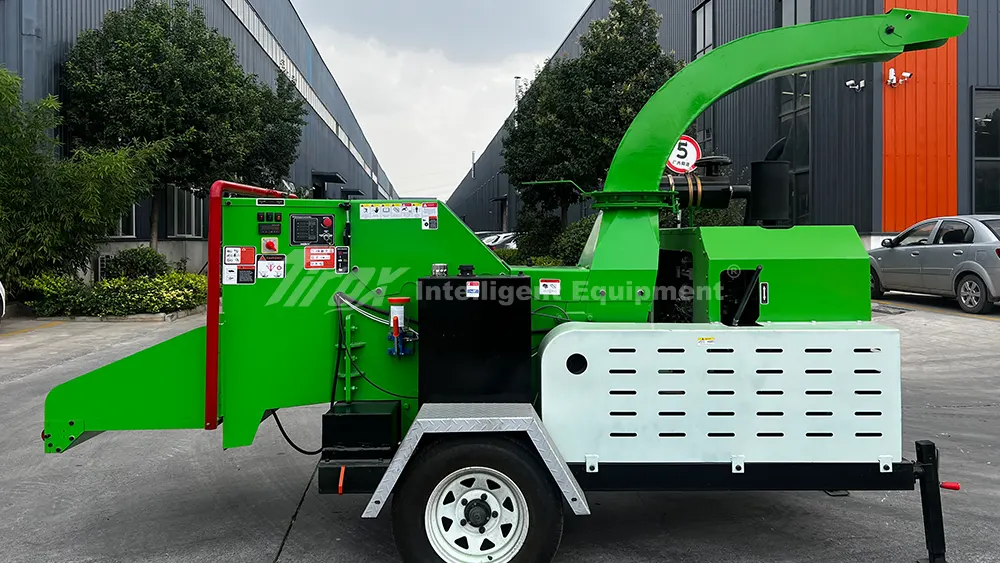
Are you maximizing the safety and efficiency of your wood chipper when dealing with long vines?
Long vines can be processed in wood chippers, but it requires careful preparation to prevent equipment damage or safety hazards. Ensuring vines are cut into manageable lengths and untangled is crucial.
Understanding the challenges and proper techniques is essential to optimize your wood chipper’s performance.
Challenges with Vines: What Makes Them Difficult to Chip?
Ever wondered why long vines are particularly challenging for wood chippers?
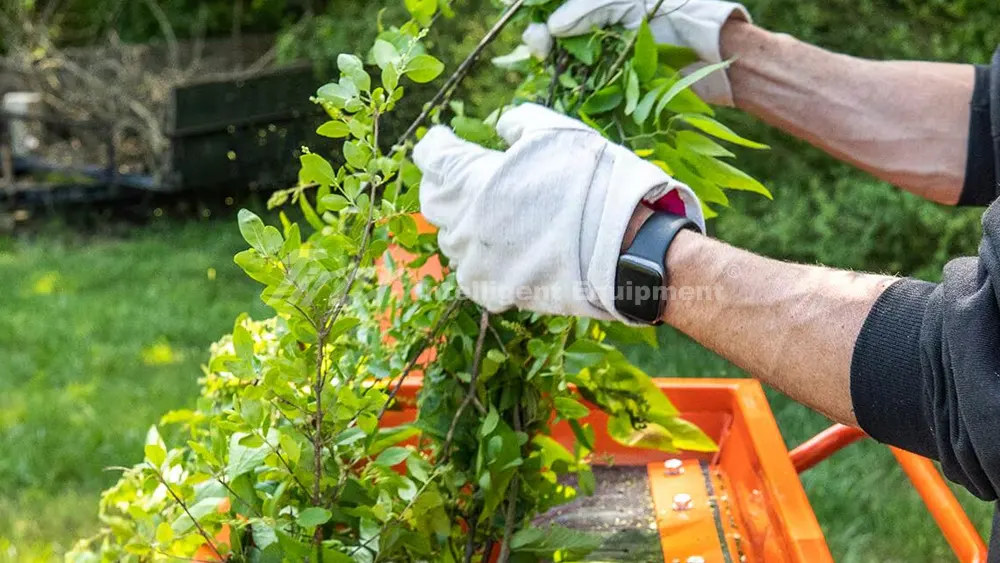
Vines are flexible and can wrap around the blades of a chipper, leading to jams and potential damage. Their length and stringy nature pose unique challenges compared to more rigid materials.
Vines are not just another type of yard debris; their unique structure requires special handling. Unlike rigid branches, vines’ flexibility means they can entangle chipper blades, causing operational disruptions. Pre-cutting vines into shorter sections and removing any excess dirt or debris can mitigate these issues. Additionally, feeding them slowly and steadily into the chipper helps prevent jams and ensures a smoother operation.
Expert Recommendations: How Should You Handle Vines in a Wood Chipper?
Seeking the best approach to chip vines efficiently?
Experts recommend using chippers equipped with robust cutting mechanisms and features that facilitate the handling of flexible materials like vines. Specialized cutting blades and reinforced feeding systems are advised.
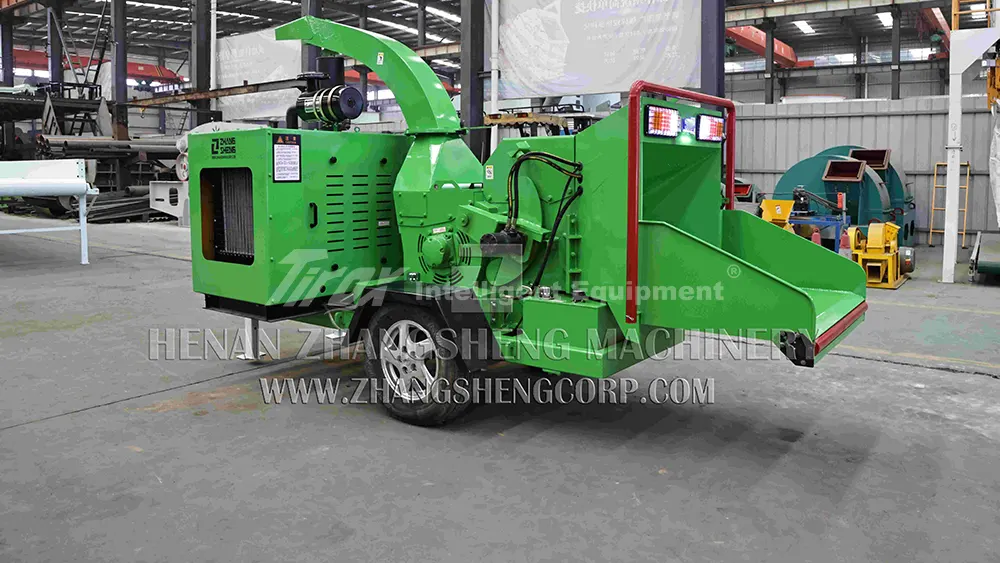
For effective vine chipping, selecting the right equipment is crucial. Machines with strong torque and cutting power, like those offered by TIROX wood chippers, are ideal. These chippers are designed to handle various plant materials, making them versatile for different landscaping needs. Additionally, regular maintenance and following manufacturer guidelines ensure the longevity and safety of the equipment while handling tough materials like vines.
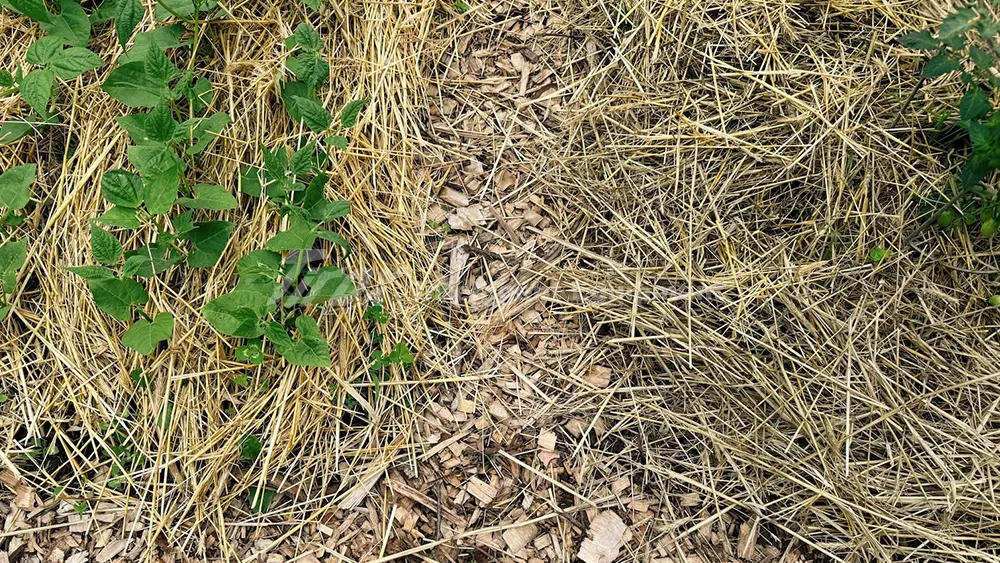
Safety Precautions: What Should You Consider When Chipping Vines?
How can you ensure safety while chipping long vines?
It’s imperative to wear appropriate safety gear and ensure the wood chipper is in good working condition. Operators should be trained on the specific model being used and follow all safety protocols.
Safety is paramount when operating any heavy machinery, especially wood chippers. Before beginning, check that all safety guards are in place and that the chipper is stable on level ground. Operators should wear protective clothing, including gloves, goggles, and ear protection, to safeguard against flying debris. Regularly inspecting and maintaining the chipper’s blades and feeding mechanisms can also prevent unexpected malfunctions and accidents.
Conclusion
Properly handling long vines in wood chippers ensures safety and maximizes equipment efficiency.