

You want a fair price. You also want clean chips, safe operation, and low downtime. A cheap sticker looks good today, but breakdowns cost more tomorrow.
An affordable and reliable wood chipper balances capacity, hydraulic feed, quality knives, and strong after-sales support, so you pay less upfront and even less over time on maintenance and lost hours.
I have built and exported wood equipment for 22 years. I learned that “affordable” means more than price. It means fewer jams, simple care, and consistent throughput. I also learned that “reliable” means parts on hand and support that answers at night. In this guide, I share a simple way to pick well. You can explore more buying guides on our blog at https://tiroxcorp.com/blog/ and see our company updates at https://tiroxcorp.com/news/. For chipper basics, the overview on https://en.wikipedia.org/wiki/Wood_chipper is useful.
I will show how to define affordable for your workload. I will explain the key features and trade-offs. I will share how I balance price and lifetime cost in real jobs. If you need specs, browse our lineup at https://tiroxcorp.com/products/ and compare our Wood Chippers by capacity.
What price and specs define affordable and reliable?
You want a clear range, not sales talk. You want to know what you get at each tier, and what fails when you go too cheap.
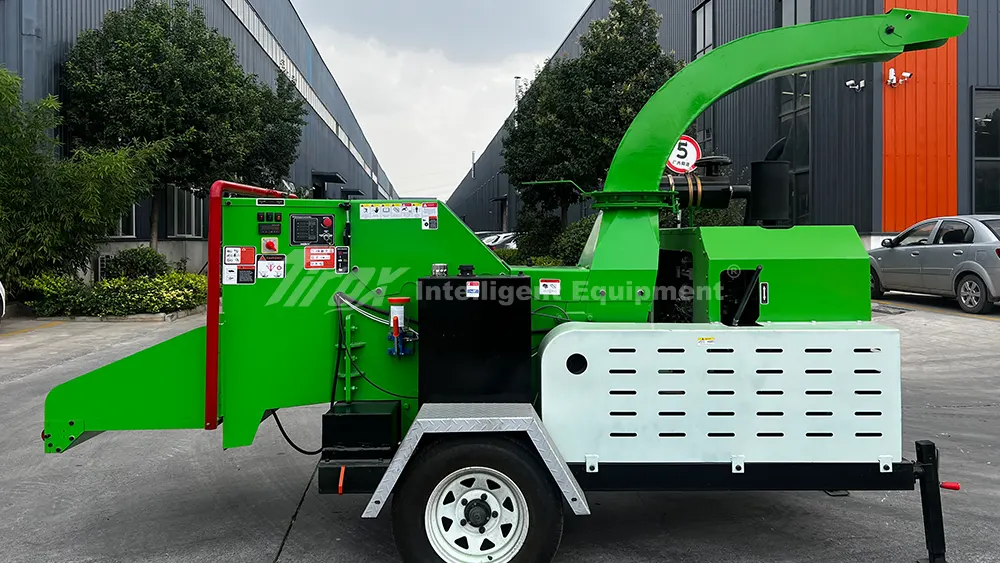
Affordable and reliable means a chipper that meets your branch diameter and hours per week, with hydraulic feed, good knives, easy service access, and support, typically in the mid-commercial tier.
I use simple buckets to guide buyers. I match price to capacity, engine torque, and duty cycle. I pay attention to knife steel and feed system strength. I look at service access and parts availability. I learned this while helping a farm client replace two bargain units in one season. He saved at the start and paid at the end. We chose one mid-commercial unit with hydraulic feed and better knives. He finished jobs faster and spent less over the year. For more comparisons, check our posts at https://tiroxcorp.com/blog/ and see market notes in https://tiroxcorp.com/news/.
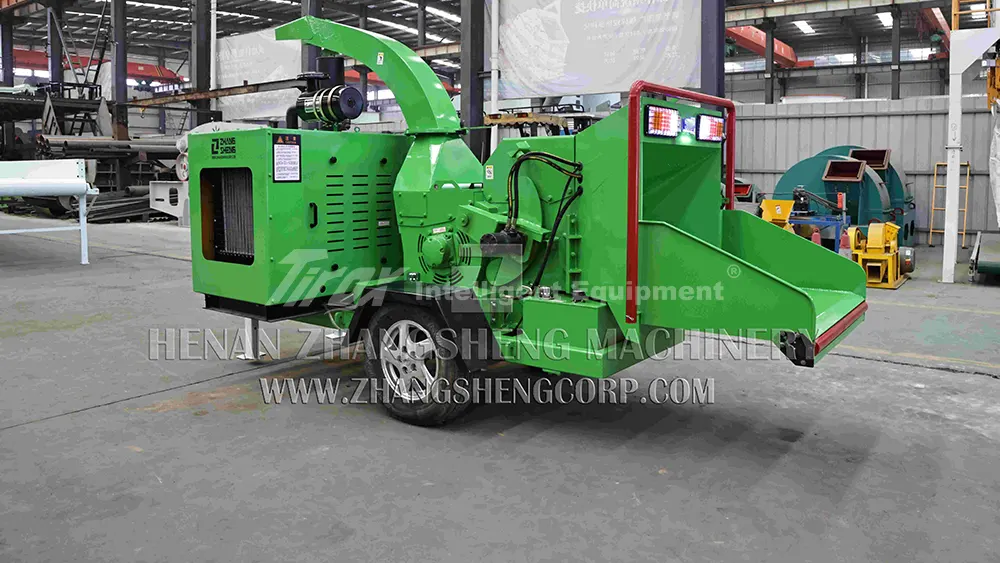
Price and Spec Tiers That Make Sense
Capacity and Duty
- Size to your max branch diameter.
- Match hours per week to duty cycle.
Feed and Knife Quality
- Hydraulic rollers reduce jams.
- Wear-resistant knives hold edge longer.
Service and Support
- Fast panels for knife changes.
- Real parts supply and 24/7 help.
| Tier | Typical Capacity | Duty Cycle | Core Features | Best Fit |
|---|---|---|---|---|
| Small electric/gas | 2–3″ | Short sessions | Simple knives, manual feed | Home pruning |
| Budget towable | 3–5″ | Intermittent | Basic feed, frequent care | Occasional B2B |
| Mid-commercial | 6–12″+ | Daily | Hydraulic feed, stronger knives | Tree services, farms |
| Industrial | High volume | Continuous | Screens, heavy-duty build | Recycling centers |
For real-world feedback, I read forums like https://arboristsite.com/forums/chippers-and-grinders.22/ and https://forestryforum.com/board/index.php?board=3.0.
Which features reduce jams and maintenance?
You want smooth days and short service stops. Jams waste time. Dull blades burn fuel. Hard to reach panels slow every shift.
Hydraulic feed, high-wear knives, clear infeed design, and fast service access reduce jams and maintenance; clean feed and scheduled sharpening keep throughput steady and fuel use low.
I still remember a city crew after a windstorm. Their small units stalled on forked branches. We switched to a hydraulic-feed chipper with better knives. We trained the team to trim forks and knock off dirt. Jams dropped, and fuel use went down. We set a sharpening plan and a quick inspection routine. The crew finished jobs faster and safer. You can find more maintenance tips on our blog at https://tiroxcorp.com/blog/maintenance/.
The Features That Keep Work Moving
Hydraulic Feed and Infeed Design
- Strong pull-through for knots and forks.
- Smooth chute geometry reduces catches.
Knife and Anvil Quality
- Better steel holds edge longer.
- Cleaner chips protect screens and reduce clogging.
Access and Care
- Quick-change panels cut downtime.
- Daily inspections catch problems early.
| Feature | Why It Matters | Simple Action | Result |
|---|---|---|---|
| Hydraulic rollers | Fewer stalls | Butt-end first feed | Steady flow |
| Wear-resistant knives | Longer edge life | Sharpen on schedule | Clean chips |
| Clear infeed | Fewer catches | Trim forks and knots | Safety and speed |
| Fast service access | Short stops | Panel tools ready | Higher uptime |
| Clean feed | Less abrasion | Knock off dirt and stones | Longer blade life |
If you aim for clean mulch or biomass, control chip size. Adjustable knives and screens help. When you scale up, consider tracked options for rough terrain. Compare models on our Wood Chippers, and follow updates at https://tiroxcorp.com/news/.
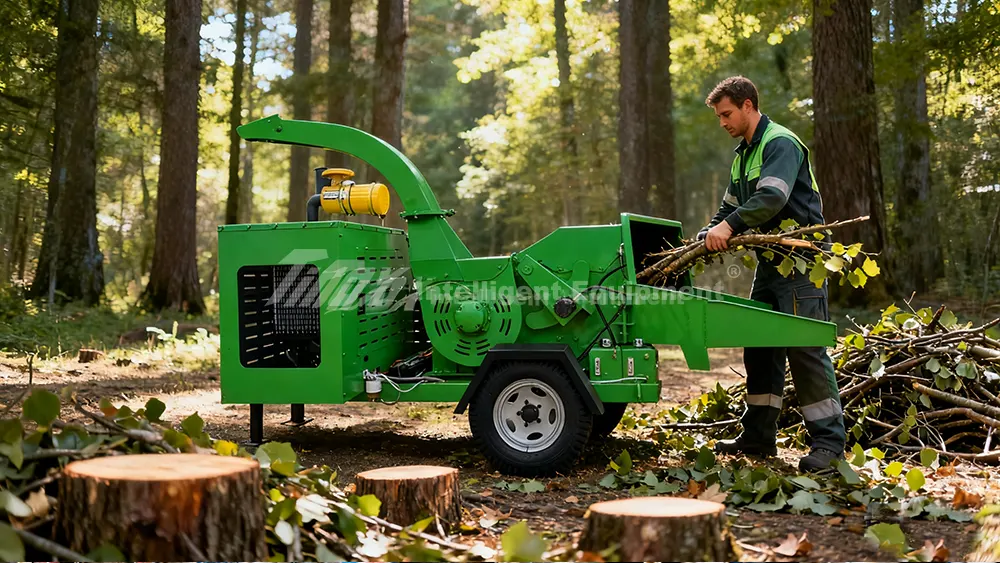
Which models fit common B2B use cases?
You run crews or farms. You want a model that handles daily work without stress. You want proof in similar jobs.
For tree services and farms, mid-commercial hydraulic-feed chippers sized to 6–12 inches offer the best balance of cost, safety, and uptime; for mixed waste, step up to industrial options.
I worked with a landscaping company that tried three small units for redundancy. They got stalls, dull blades, and heat issues. We replaced them with one mid-commercial machine. Throughput jumped. Maintenance became predictable. The owner said he saved money and kept his contracts strong. If your feed includes pallets or urban waste, move to heavier-duty options with screens and better infeed. You can explore our lineup at https://tiroxcorp.com/products/ and learn more on our blog at https://tiroxcorp.com/blog/.
Matching Models to Workloads
Tree Services and Contractors
- 6–12″+ capacity with hydraulic feed.
- Strong knives and planned sharpening.
Farms and Plantations
- 4–8″ capacity works for pruning and clearing.
- Focus on ease of service and fuel efficiency.
Recycling and Municipal Work
- Industrial machines or horizontal grinders for mixed waste.
- Screens for chip size and consistent output.
| Use Case | Recommended Spec | Why | Upgrade Trigger |
|---|---|---|---|
| Tree service | Mid-commercial, hydraulic feed | Daily reliability | Mixed waste volume |
| Farm pruning | 4–8″ towable with good knives | Light to moderate duty | Frequent heavy hardwood |
| Municipal green waste | Industrial with screens | High volume, varied material | Long shifts or construction wood |
| Pallet processing | Industrial, nail sorting | Protect knives | Metal contamination risk |
For general chipper types and working principles, see https://en.wikipedia.org/wiki/Wood_chipper.
How do I balance upfront price and lifetime cost?
You want to avoid buying too much. You also want to avoid buying too little. You need a way to see total cost, not only the sticker.
Measure max branch diameter and weekly hours, then choose the smallest chipper that meets those limits with hydraulic feed and proven support; include blades, fuel, and downtime in the budget.
I use a three-step plan. I measure what goes in. I estimate hours under load. I set a blade and fuel plan. I then pick the lowest-price unit that still meets the work without strain. I learned this with a distributor who tracked repair hours and missed job windows. After we switched models and added a simple care plan, his costs fell and his uptime rose. If you want more planning tools, see our blog at https://tiroxcorp.com/blog/ and our company updates at https://tiroxcorp.com/news/.
A Simple Lifetime Cost Method
Step 1: Define the Work
- Max branch diameter each week.
- Hours under load, not travel time.
- Material type: soft, hard, mixed waste.
Step 2: Plan Operating Costs
- Knife care: sharpening or replacements.
- Fuel per hour at typical throughput.
- Downtime cost per missed hour.
Step 3: Choose Features That Save Time
- Hydraulic feed for fewer jams.
- Easy service access for fast changes.
- Adjustable chip size for your end use.
| Input | Minimum Spec | Operating Cost Focus | Why It Saves |
|---|---|---|---|
| 3–5″ branches, 8 hrs/week | Budget towable, strong feed | Knife care plan | Avoids stalls |
| 6–12″+ branches, daily | Mid-commercial hydraulic feed | Fuel and service | Predictable uptime |
| Mixed urban waste | Industrial with screens | Sorting and wear | Consistent chips |
| Clean mulch target | Adjustable knives/screens | Chip uniformity | Better product |
If you chip in forests or rough sites, consider tracked mobility. If your work shifts to pallets or demolition wood, plan sorting for nails and coatings. You can compare configurations on https://tiroxcorp.com/products/ and read practical notes on https://tiroxcorp.com/blog/.
Conclusion
Pick a chipper that meets your diameter and hours, with hydraulic feed, good knives, and strong support. This mix keeps the price fair and the uptime strong over time.