

Are you worried about wood waste piling up and costly downtime due to inefficient chipping? Discover how to operate industrial wood chippers safely and efficiently for your business.
To use an industrial wood chipper shredder safely and efficiently, perform thorough pre-operation checks, use proper feeding techniques, understand machine controls, and follow a strict maintenance routine. This maximizes chipper output and operator safety.
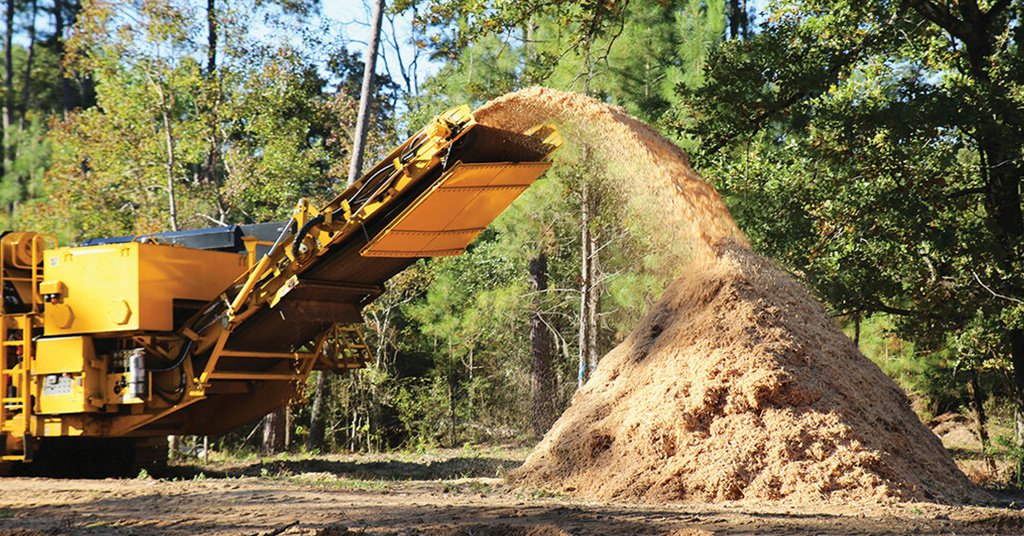
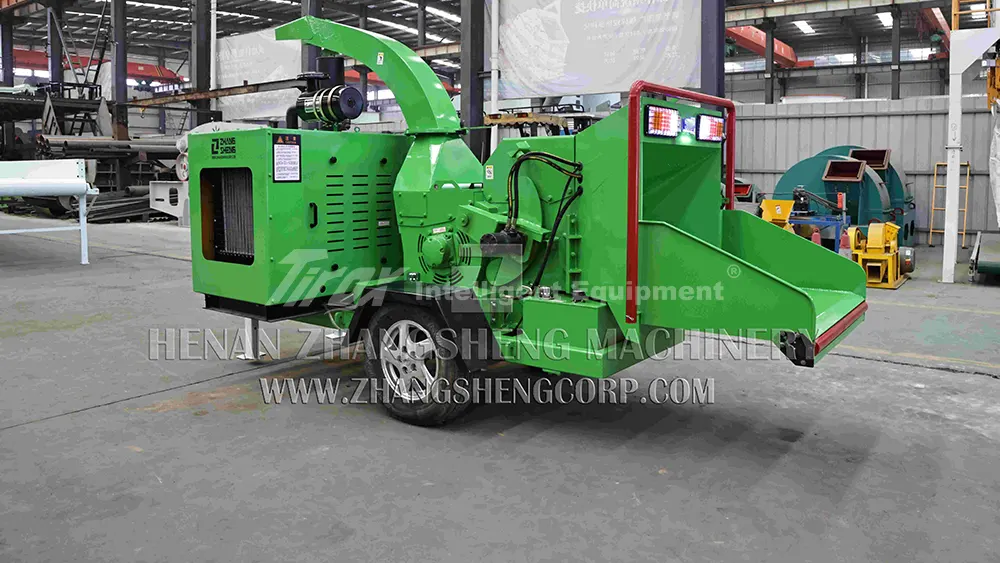
Industrial wood chippers are essential tools for forestry and biomass businesses. They turn bulky waste into valuable chips for fuel, mulch, or processing. Unlike residential models, industrial chippers handle large volumes and tough materials. They offer strong motors, advanced feeding systems, and smart controls. For B2B users, reliable chipping means faster material handling, less waste, and more profit. Let’s look deeper at how to achieve these results. ▶ Read More TIROX Blog
What Are the Key Steps in Pre-Operation Inspection for Industrial Wood Chippers?
Ignoring inspection can cause sudden breakdowns, operator injury, or expensive repairs. Learn what to check before starting your chipper for safe, trouble-free operation.
Inspect blades, belts, hydraulic fluid, and safety guards. Prepare the work area, check PPE, ensure fuel and lubrication. Follow these steps every shift for reliable chipping.
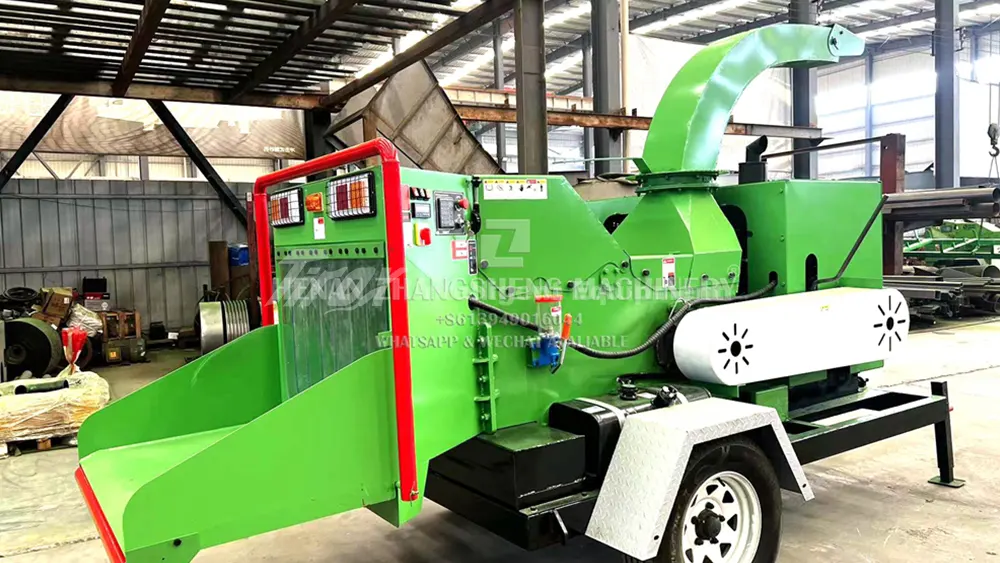
Pre-Operation Checklist Table
| Inspection Point | Action | Frequency |
|---|---|---|
| Blades/Knives | Check for sharpness, damage, correct installation | Every shift |
| Belts & Chains | Inspect tension, wear | Every shift |
| Hydraulic Fluids | Check levels, look for leaks | Daily |
| Safety Guards | Verify secure placement | Every shift |
| PPE | Ensure hard hats, eye/hearing protection, safety boots, high-visibility clothing | Every shift |
| Fuel & Lubrication | Fill tanks, grease moving parts | Daily |
Following this checklist prevents common failures and protects your staff. Experienced operators know that skipping even one step can lead to serious issues. I always start with a walk-around inspection. It only takes a few minutes, but can save hours of downtime. For more details on safety standards, visit ▶ Wikipedia: Wood Chipper.
How Can You Feed Material Safely and Effectively into an Industrial Wood Chipper?
Unsafe feeding can jam your chipper or cause injuries. Learn proven feeding methods that boost output while keeping your team safe.
Use manual feeding with safe distance and push paddles, or automated systems for bulk material. Pre-cut oversized logs and avoid overloading for smooth operation.
Effective Material Feeding Techniques
| Material Type | Feeding Method | Pre-Processing Needed? |
|---|---|---|
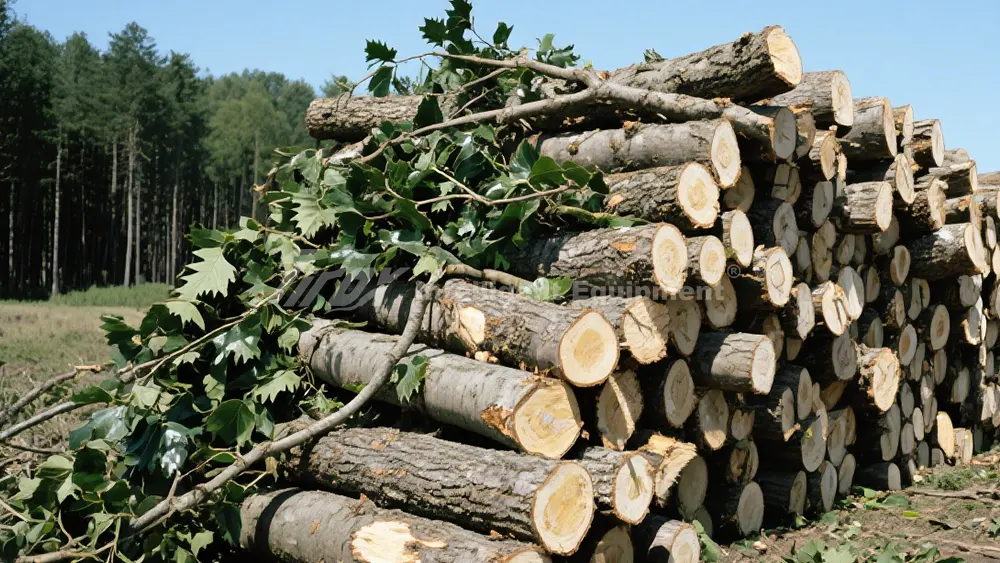
| Logs | Manual or conveyor; pre-cut to fit intake | Yes |
| Branches/Brush | Manual or automated; bundle for easier feeding | If oversized |
| Sawmill Waste | Conveyor, loader | No |
When feeding by hand, always use push paddles, never your hands. Stand to the side, not directly in front of the intake. For larger operations, use conveyor belts or grapple loaders to automate feeding. Smart feed systems, like those in TIROX industrial chippers, automatically adjust feed speed to prevent jams. If a jam occurs, stop or reverse the feed using the intuitive control panel. These features keep work flowing and workers safe. For real operator stories, check out ▶ ArboristSite Forum.
How Do You Operate and Control an Industrial Wood Chipper Safely?
Confusing controls can delay work and increase risks. Learn the control basics to run your chipper with confidence.
Start by turning the key and checking the control panel. Use simple levers to manage feed direction and speed. Monitor chip quality and machine sounds.
Operating Procedures and Controls
| Step | Control Action | Notes |
|---|---|---|
| Start-Up | Turn ignition key, watch for oil/water temp alerts | Ensure emergency stop is released |
| Feeding | Forward, reverse, stop levers; adjust feed rate | Use smart panel for real-time monitoring |
| Discharge | Adjust chute angle and speed | Match chip size to project needs |
| Shutdown | Clear material, switch off, secure controls | Inspect for debris or blockages |
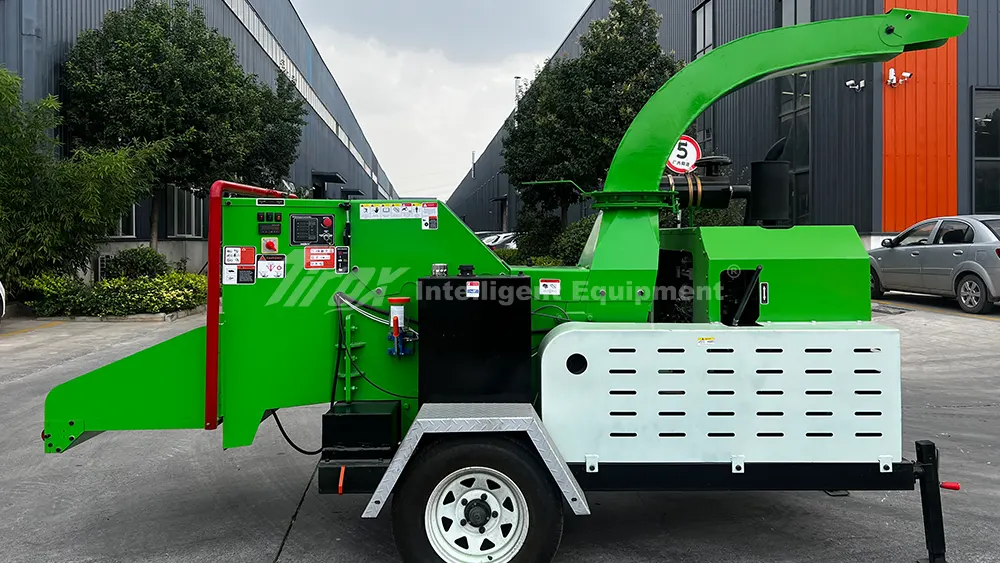
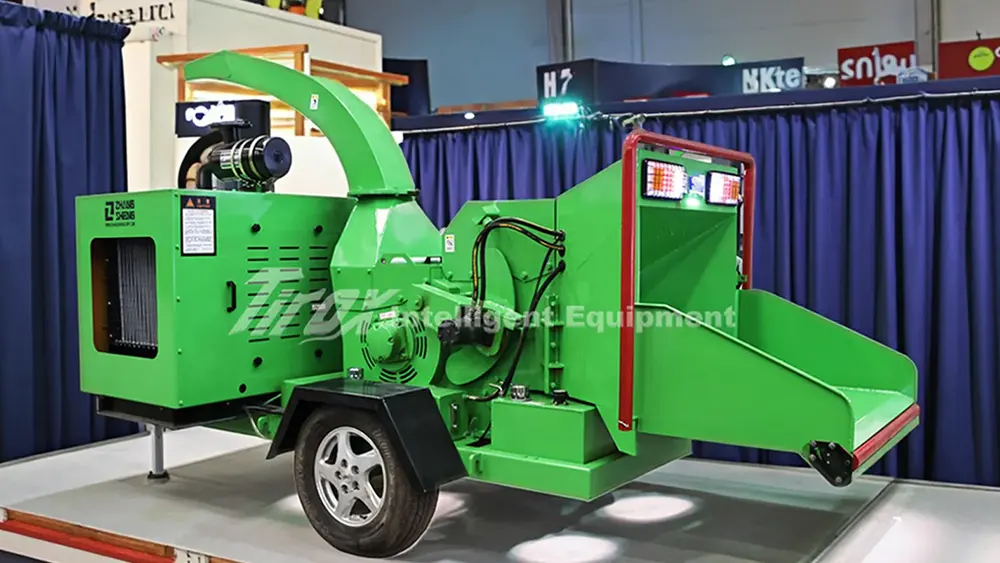
TIROX chippers have user-friendly controls for easy operation. The smart panel shows engine hours, alerts, and work status. If you notice strange noises or vibrations, stop and inspect immediately. Adjust feed for different wood types and desired chip sizes. I always tell new operators: take time to learn the control panel; it makes every job smoother. For more tips, click ▶ TIROX Wood Chipper Product Page.
What Are the Essential Steps for Post-Operation and Maintenance of Industrial Wood Chippers?
Neglecting maintenance can cause expensive breakdowns and unsafe conditions. Discover how a simple routine keeps your chipper running strong.
After use, shut down safely, clear debris, inspect blades, and follow a regular sharpening schedule. Clean and store in a dry place to ensure longevity.
Post-Operation and Maintenance Table
| Task | Action | Frequency |
|---|---|---|
| Shutdown | Switch off, engage safety lock | Every use |
| Debris Clearing | Remove chips, branches from intake/discharge | Every use |
| Blade Inspection | Check edge, sharpen or replace as needed | Weekly |
| Cleaning | Wipe down machine, grease moving parts | Weekly |
| Storage | Store in dry, secure location | After each project |
Following these steps ensures your chipper works efficiently for years. At TIROX, we recommend using manufacturer guidelines for blade care and part replacement. Our after-sales team is ready 24/7 for support. For more maintenance tips, see ▶ TIROX Maintenance Tips and ▶ Wikipedia: Technical Maintenance.
Conclusion
Mastering safe operation and regular maintenance of industrial wood chippers boosts productivity, safety, and equipment life for any B2B business.