

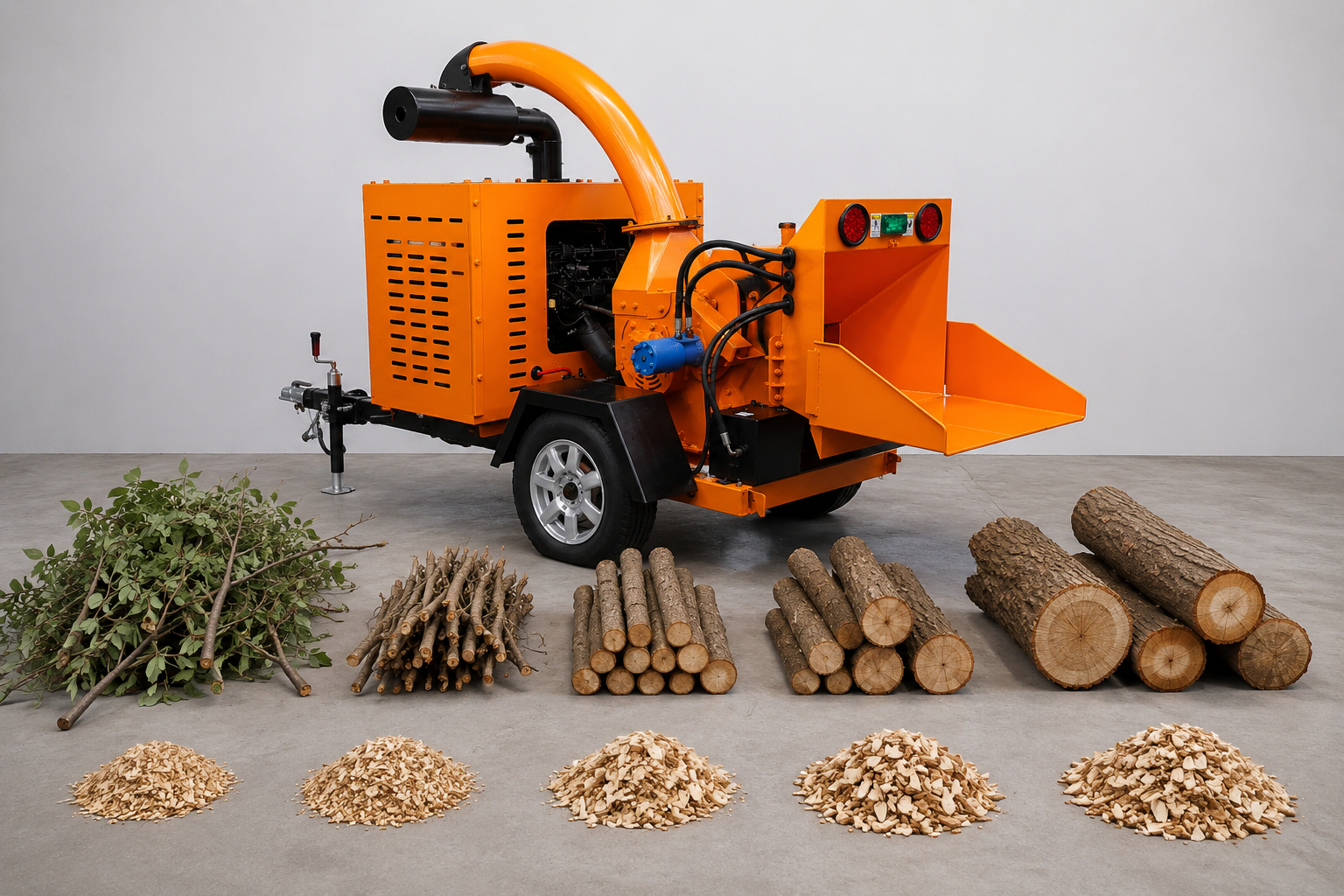
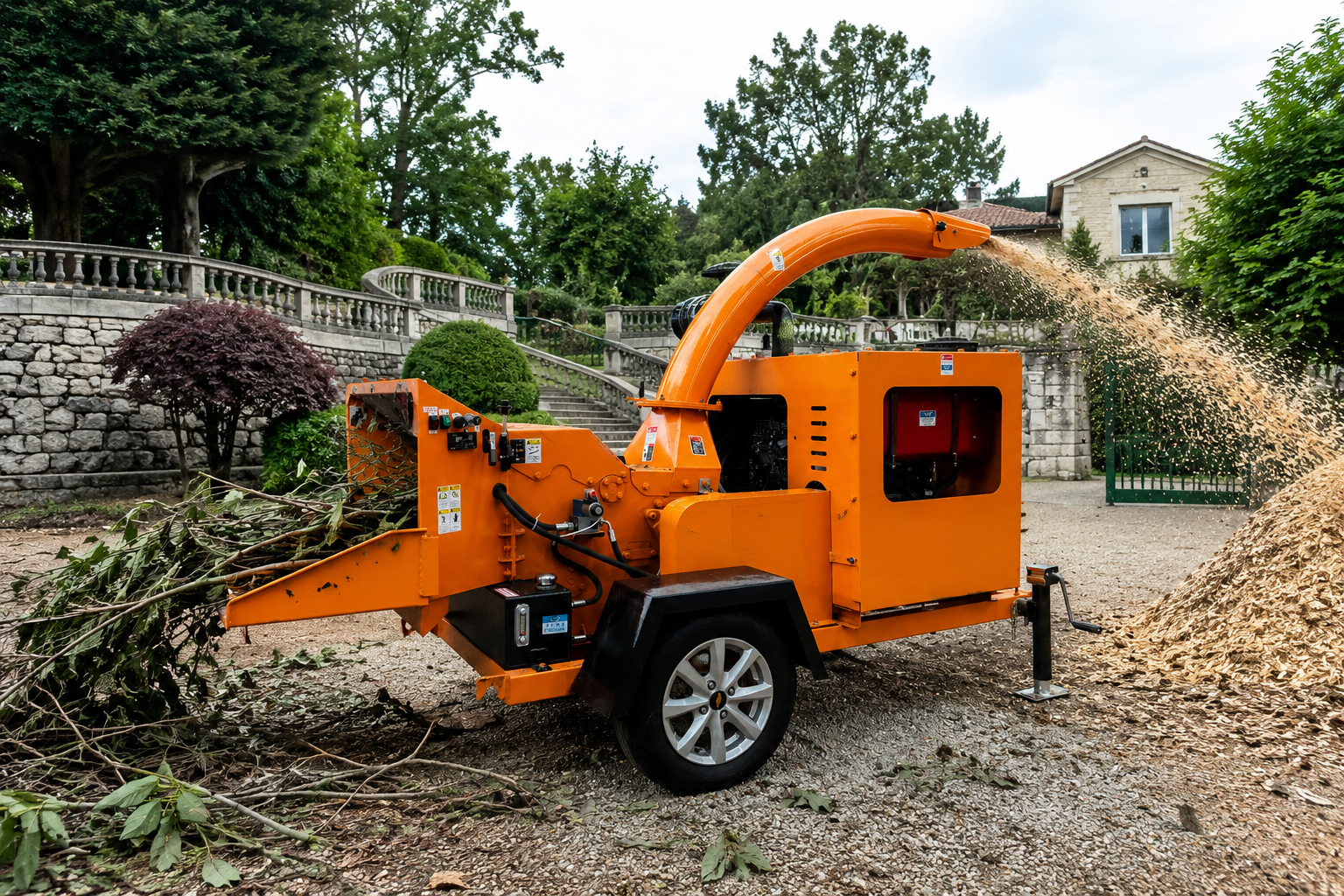
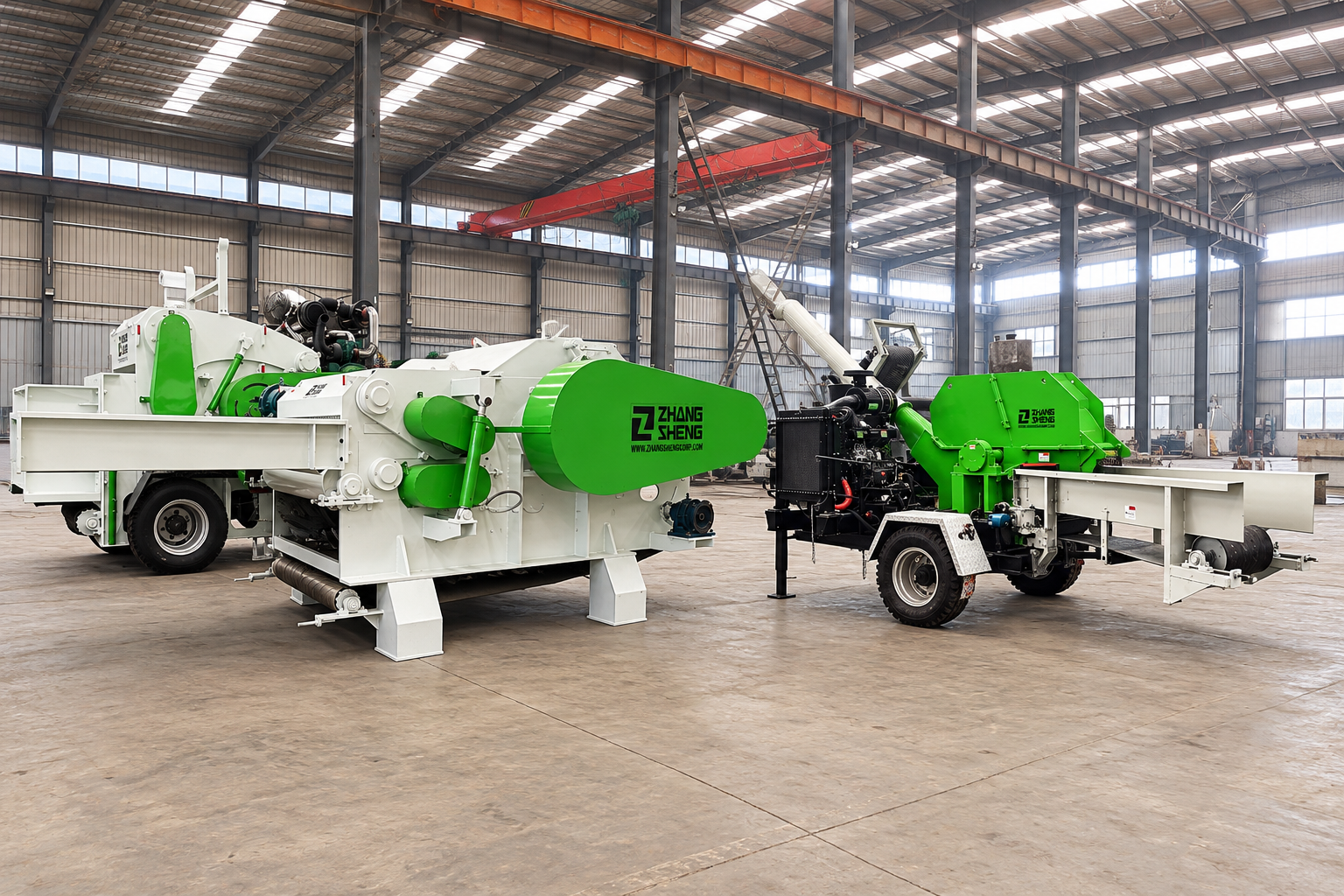
You want clean chips, fast work, and no headaches. You also want a fair price and strong support. The best chipper depends on your work, your material, and your hours.
The best wood chipper matches your workload: small electric or compact gas for light home use; mid-commercial hydraulic-feed for daily B2B; and industrial horizontal grinders or high-capacity disc chippers for mixed waste and continuous operations.
I have built and exported wood chippers for 22 years. I have watched small teams grow into large crews. I have seen cheap units do fine at home. I have seen them fail on contracts. I will show clear choices, simple steps, and real limits so you can pick with confidence. For more buying guides, visit our blog at https://tiroxcorp.com/blog/ and our products at https://tiroxcorp.com/products/.
Which wood chipper is best for light, occasional home use?
You prune a few trees each season. You want a small, safe chipper that fits a modest budget. You do not need commercial throughput, and you do not want loud, complex equipment.
For home use, the best choice is a small electric or compact gas chipper with a 2–3 inch branch capacity, sharp knives, simple maintenance, and clear safety features at a reasonable price.
I use a simple rule at home and when I advise hobby users. I size the chipper to the thickest branch I handle each month. I pick easy service access over raw power. I avoid heavy hardwood if the chipper is small. I keep blades sharp and feed clean material. I store the chipper indoors. This plan avoids jams and broken belts. It keeps work easy and safe. You can read more home-use tips on our blog: https://tiroxcorp.com/blog/. For background on chipper mechanics, check Wikipedia: https://en.wikipedia.org/wiki/Wood_chipper.
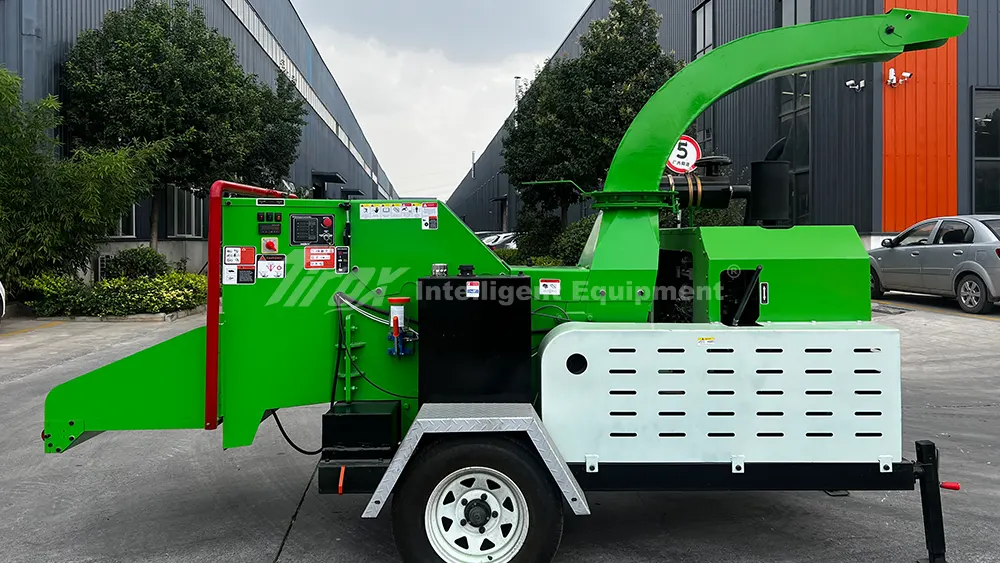
What matters most for home users?
Capacity and Duty
- Match to typical branches up to 2–3 inches.
- Short sessions are fine; plan cool-downs.
Safety and Ease
- Clear infeed design and emergency stop.
- Fast blade access for simple care.
Care and Storage
- Keep blades sharp and feed clean.
- Store dry to protect bearings.
| Home Use Factor | Why It Matters | What I Choose |
|---|---|---|
| Branch capacity 2–3″ | Prevents overloads | Compact gas or strong electric |
| Simple maintenance | Less time, fewer tools | Easy access panels |
| Safety features | Avoids injuries | Good chute, stops, guards |
| Blade sharpness | Clean chips, less fuel | Regular sharpening |
| Indoor storage | Longer life | Dry, dust-free corner |
If you outgrow occasional work, move up in duty. If your branches are often 3 inches or more, you may want the next tier. You can compare options on our products page: https://tiroxcorp.com/products/.
Which wood chipper is best for daily B2B operations?
You run crews. You hold contracts. Downtime hurts your margins. You need strong feed, clean chips, and reliable service. You want a chipper that works every day.
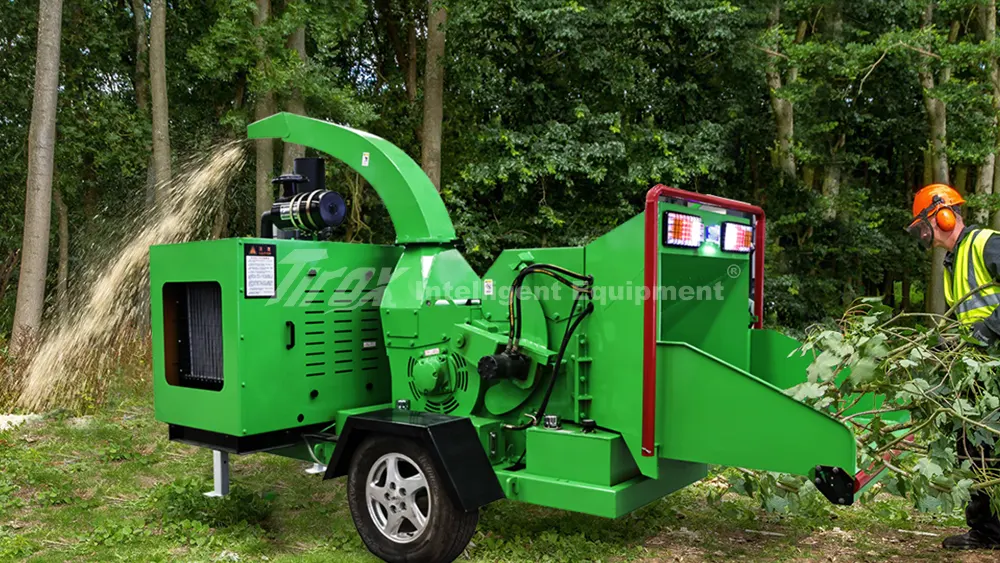
For daily B2B, choose a mid-commercial chipper with hydraulic feed, higher-grade knives, steady torque, and proven support; size for 6–12 inch branches, and plan maintenance to avoid downtime.
I learned this the hard way with a landscaping team I supported. They bought three small chippers to save money. They faced stalls, dull blades, and heat. Jobs slowed, and crews got frustrated. We shifted to one mid-commercial unit with hydraulic feed and better knives. Throughput jumped. Fuel use dropped. Uptime improved. The team was safer and happier. If you carry contracts, pick uptime first. Read case studies and maintenance guides on our blog: https://tiroxcorp.com/blog/ and see company updates at https://tiroxcorp.com/news/.
What features protect your margins?
Hydraulic Feed
- Strong pull-through for knotted and forked branches.
- Fewer jams and smoother infeed.
Knife and Anvil Quality
- Wear-resistant steel holds an edge longer.
- Cleaner chips for mulch or biomass.
Power and Cooling
- Stable torque under continuous load.
- Cooling systems prevent heat-related failures.
| B2B Factor | Risk If Undersized | What I Recommend |
|---|---|---|
| Feed system | Stall and wrap | Hydraulic rollers |
| Knife steel | Fast dulling | High-wear blades |
| Engine torque | Overheat | Commercial-rated power |
| Service access | Long downtime | Quick-change panels |
| After-sales | Delays | 24/7 support and spares |
If your operation shifts to mixed urban waste or long sessions, consider a horizontal grinder or a high-capacity disc chipper. You can explore our Wood Chippers here: https://tiroxcorp.com/wood-chipper/ and follow industry discussions on ArboristSite: https://arboristsite.com/forums/chippers-and-grinders.22/.
Which wood chipper is best for mixed waste and volume?
You process city green waste, pallets, and storm debris. You need high volume and strong tolerance for mixed material. You want steady chips and fast clearing.
For mixed waste and volume, the best choice is an industrial horizontal grinder or a high-capacity disc chipper with robust infeed, adjustable screens, and heavy-duty knives, backed by reliable after-sales support.
I help recycling centers and large farms make this jump. I start with material mix and hours under load. I then match screen options to the chip size they sell or use. I set a blade care schedule and train the operator team. I ask them to keep rocks, metal, and dirt out of the feed. I make sure service parts are close at hand. This plan keeps throughput high and costs stable. You can read more on product selection in our blog: https://tiroxcorp.com/blog/ and browse line options at https://tiroxcorp.com/products/. For a quick look at chipper types, Wikipedia helps: https://en.wikipedia.org/wiki/Wood_chipper.
How to plan for heavy, mixed work?
Material and Screens
- Use screens to control chip size for mulch, compost, or biomass.
- Adjust for wet vs dry feed.
Knife Care and Wear
- Set sharpening intervals based on volume and grit.
- Swap or rotate knives before they fail.
Throughput and Logistics
- Plan output piles and transport.
- Keep loaders and operators in sync.
| Mixed Work Factor | Key Decision | Simple Action |
|---|---|---|
| Material mix | Grinder vs disc chipper | Choose robust infeed |
| Chip size targets | Screen selection | Match end use |
| Knife wear | Care schedule | Sharpen on intervals |
| Feeding dirt or nails | Damage risk | Pre-sort and inspect |
| Continuous shifts | Cooling and service | Plan service windows |
If you process bamboo, stringy brush, or pallets, test a disc chipper for cleaner cuts, and test grinder screens for uniform chips. If your site is remote or uneven, tracked solutions help with mobility. For company news and tech updates, visit https://tiroxcorp.com/news/.
Which wood chipper is best for my exact workload?
You want a quick way to pick the right size and type. You want a simple checklist that avoids regret. You want clear numbers and steps.
Define max branch diameter, hours per week, and material mix; then choose the smallest chipper that meets those limits with safe feed and reliable support to cut total cost over time.
I use a three-step method. I measure the largest branch I chip weekly. I estimate hours under load. I list the material types I see most. I add a blade care plan and fuel budget. I then choose the lowest-cost unit that still meets the workload without strain. This keeps teams safe and budgets clean. If your work grows, upgrade early to protect uptime. You can find simple planning guides on our blog at https://tiroxcorp.com/blog/ and compare models at https://tiroxcorp.com/products/.
A simple sizing checklist and table
Step 1: Measure and List
- Max branch diameter.
- Hours per week under load.
- Wood type: soft, hard, mixed, or waste.
Step 2: Set Operating Budget
- Blade care and spares.
- Fuel and labor.
- Planned downtime windows.
Step 3: Pick Features
- Hydraulic feed for daily work.
- Screens for chip size.
- Easy service access.
| Input | Minimum Spec | Why |
|---|---|---|
| 2–3″ branches, 3 hrs/week | Compact electric or small gas | Light, simple |
| 3–5″ branches, 8 hrs/week | Budget towable, strong feed | Fewer stalls |
| 6–12″+ branches, daily | Mid-commercial hydraulic feed | Reliable uptime |
| Mixed waste and pallets | Horizontal grinder or high-capacity disc chipper | Volume and toughness |
| Clean mulch target | Adjustable screens/knives | Consistent chip size |
When in doubt, test with your material. A one-hour demo can save months of pain. If you need help, my team supports planning and after-sales 24/7. Read maintenance tips on our blog: https://tiroxcorp.com/blog/.
Conclusion
The best wood chipper fits your workload, chip goals, and support needs. Size for your material, choose safe feed, plan maintenance, and protect uptime with strong after-sales.