
Do you struggle with wood waste, inefficient processing, or safety concerns in your operations? Poor wood chipper use can cause headaches and cost you money.
Operating an industrial wood chipper safely and efficiently is key for any business, like forestry, biomass, or land clearing companies. Knowing the right steps helps maximize your output, keeps your team safe, and ensures your equipment lasts longer. I will guide you through the best practices for using these powerful machines.
I have seen many businesses transform their operations by mastering their wood chippers. It is more than just feeding wood; it is about smart planning, careful execution, and continuous care. Let me share what I have learned over my 22 years in this industry to help you succeed.
I. Pre-Operation Checklist for Industrial Wood Chippers: What Should I Check First?
Are you about to start your industrial wood chipper, but worried about potential issues? Overlooking small details before you begin can lead to big problems or even accidents.
Before starting any industrial wood chipper, always complete a thorough pre-operation checklist. This includes checking the site, inspecting the machine’s critical components like blades and safety features, and ensuring all operators wear proper personal protective equipment (PPE) to prevent hazards.
My team at TIROX always emphasizes that preparation is not just a step; it is the foundation of safe and efficient work. I remember one client who skipped a quick check and ended up with a costly repair because a loose bolt caused severe vibration. Since then, they follow every step I recommend.
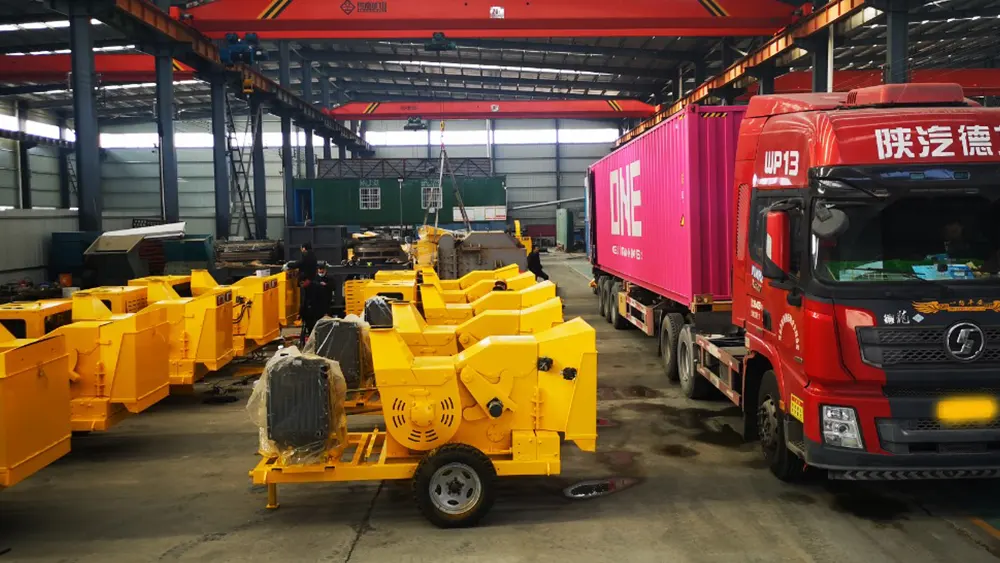
A. Site Preparation: How Do I Get My Work Area Ready?
Before bringing out the chipper, I always make sure the ground is stable and level. This prevents the machine from tipping or moving unexpectedly, especially our tracked horizontal grinders which handle complex terrains. I also clear the working area of any debris, people, or obstacles that could get in the way or become a hazard during operation. An organized site means a safer, more productive day.
B. Machine Inspection: What Parts of My Chipper Need Checking?
I perform a detailed inspection of the machine itself. This involves looking at the blades to ensure they are sharp and undamaged, checking belts for tension and wear, and examining hydraulic lines for leaks. I also verify engine fluids, like oil and coolant, are at the correct levels. Most important, I test all safety guards and emergency stop mechanisms; they must work perfectly. I make sure all nuts and bolts are tight to stop vibration problems. Our smart control panel helps me monitor key conditions quickly, like oil level and water temperature, which helps catch issues early. Learn more about chipper maintenance on our blog.
C. Personal Protective Equipment (PPE) for Industrial Operators: What Safety Gear Do I Need?
Safety is paramount, so I always insist on the right PPE. This includes hearing protection, eye protection, hard hats, heavy-duty gloves, and safety boots. These items protect operators from noise, flying debris, falling objects, and cuts. My goal is for every operator to go home safely each day, and proper PPE is a big part of that.
II. Safe and Efficient Operating Procedures: How Do I Run My Wood Chipper Best?
Are you looking to get the most out of your industrial wood chipper while keeping everyone safe? Improper operating techniques can lead to jams, damage, and slow down your entire process.
To operate an industrial wood chipper safely and efficiently, always follow best practices for fueling, material preparation, and feeding. Monitoring the machine’s performance during operation is crucial for preventing issues and maximizing throughput, ensuring consistent chip quality and operator safety.
I have spent years watching our machines, like our advanced horizontal grinders, work in tough conditions. I have learned that a smooth operation is not just about the machine; it is about the operator’s skill and attention to detail. I often tell our customers that a well-trained operator is the best investment.
A. Fueling and Power-Up Protocols: How Do I Start My Chipper Correctly?
I always fuel the chipper in a well-ventilated area, away from sparks or open flames, and with the engine off. For our diesel models, I ensure I use the correct fuel type. When powering up, I follow the manufacturer’s sequence carefully. This often involves checking the control panel, which displays vital information like oil levels and water temperature, helping me spot issues before they become problems. If it is a Cummins or Perkins engine, I know parts are easy to get, which helps with peace of mind. For more on wood chipper safety, check out Wikipedia.
B. Material Preparation: What Wood Can I Feed Into My Chipper?
I always take time to prepare the material. This means sorting wood waste and pre-cutting any large or unusually shaped pieces that might cause jams. Crucially, I remove all foreign objects like rocks, metal, or dirt. These can severely damage blades and other components, leading to expensive downtime. My experience shows that clean material means a happy chipper and better chip quality.
C. Feeding Techniques for Different Industrial Chippers: How Do I Feed Material Safely?
Feeding the chipper is where skill comes in. I always aim for consistent, controlled feeding to prevent jams and get the best output. For our wood chippers and horizontal grinders, the hydraulic forced feeding system adjusts speed based on material diameter, ensuring optimal performance. Our smart feeding system monitors the load and automatically adjusts or stops to prevent blockages. This makes my job much easier. I use the intuitive control lever to manage the rollers: forward, reverse, or stop. If something goes wrong, I can quickly stop or reverse the feed to protect the blades and engine. Our independent conveyor control also lets me move material safely and precisely.
D. Monitoring Performance During Operation: What Should I Watch For?
While the chipper is running, I constantly monitor its performance. I look at the chip quality, listen for unusual noises, and watch the engine load on the control panel. If I see uneven chips or hear strange sounds, I know something might be wrong. Understanding these indicators helps me react quickly, often preventing small issues from becoming major repairs. This proactive approach saves time and money.
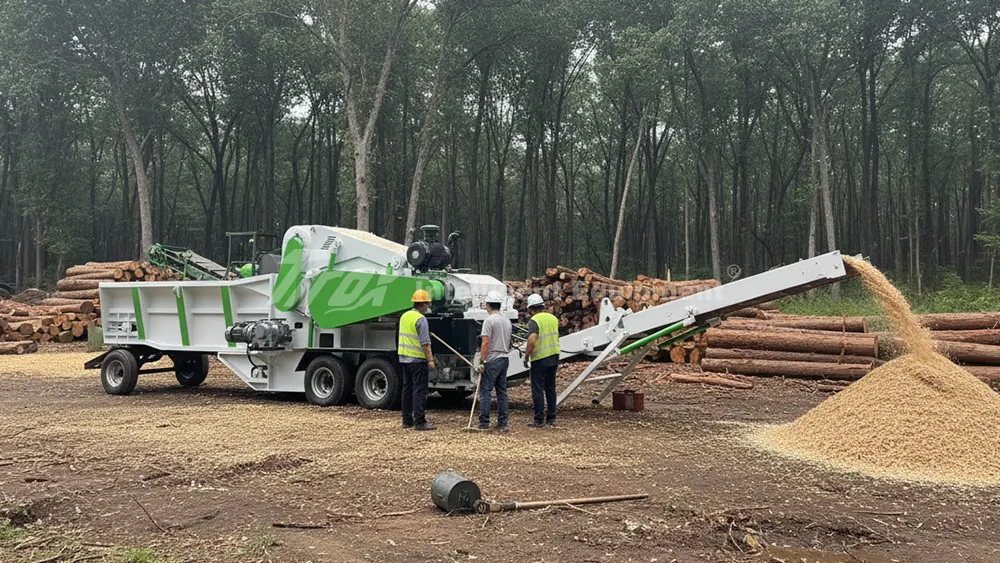
III. Post-Operation and Basic Troubleshooting: What Do I Do After Chipping?
Finished a long day of chipping and wondering what to do next to keep your machine in top shape? Neglecting post-operation steps can shorten your chipper’s lifespan and lead to unexpected breakdowns.
After using an industrial wood chipper, it is essential to follow safe shutdown procedures, clean the machine immediately, and perform initial checks for wear. Addressing common operational issues like jams or power loss quickly helps maintain equipment reliability and reduces long-term maintenance costs.
I have learned that the work is not over when the wood is chipped. Proper shutdown and a quick check-up are just as important as the operation itself. I once had a customer who ignored a small leak after use, and it led to a much bigger hydraulic system failure later. I always tell them, “A little effort now saves a lot of headache later.”
A. Safe Shutdown Procedures: How Do I Turn Off My Chipper?
I always follow the manufacturer’s shutdown sequence. This typically involves letting the engine cool down for a few minutes before turning it off completely. I engage the parking brake and secure any moving parts. This ensures the machine is stable and safe for the next use or for cleaning.
B. Immediate Cleaning and Debris Management: How Do I Clean My Chipper?
Right after shutting down, I clean the chipper. I remove any accumulated wood chips, dust, or debris from around the blades, engine, and feed chute. This prevents material from hardening, which can cause corrosion or blockages later. Keeping the machine clean also helps me spot potential problems during my visual inspection.
C. Initial Checks for Wear and Tear: What Should I Look For?
After cleaning, I do a quick visual check for any obvious signs of wear or damage. I look for loose bolts, frayed belts, or any new cracks or dents. This early detection allows me to schedule repairs or replacements before they cause a breakdown. It is a simple step that adds years to the machine’s life.
D. Addressing Common Operational Issues: What Do I Do If Something Goes Wrong?
Sometimes, things go wrong. If I encounter a jam, I immediately stop the machine and follow the procedure to clear it safely, often using the reverse function on our hydraulic feed system. If there is power loss or uneven chipping, I check fuel levels, air filters, and blade sharpness. Many minor issues can be fixed quickly with basic tools and knowledge, preventing the need for a service call. My 24/7 after-sales support team is always ready to help if you face bigger challenges, ensuring your equipment operates smoothly. Explore our wood chipper range for reliable performance.