
Struggling with slow wood processing and high transport costs? Discover how industrial mobile wood chippers can transform your workflow and boost productivity.
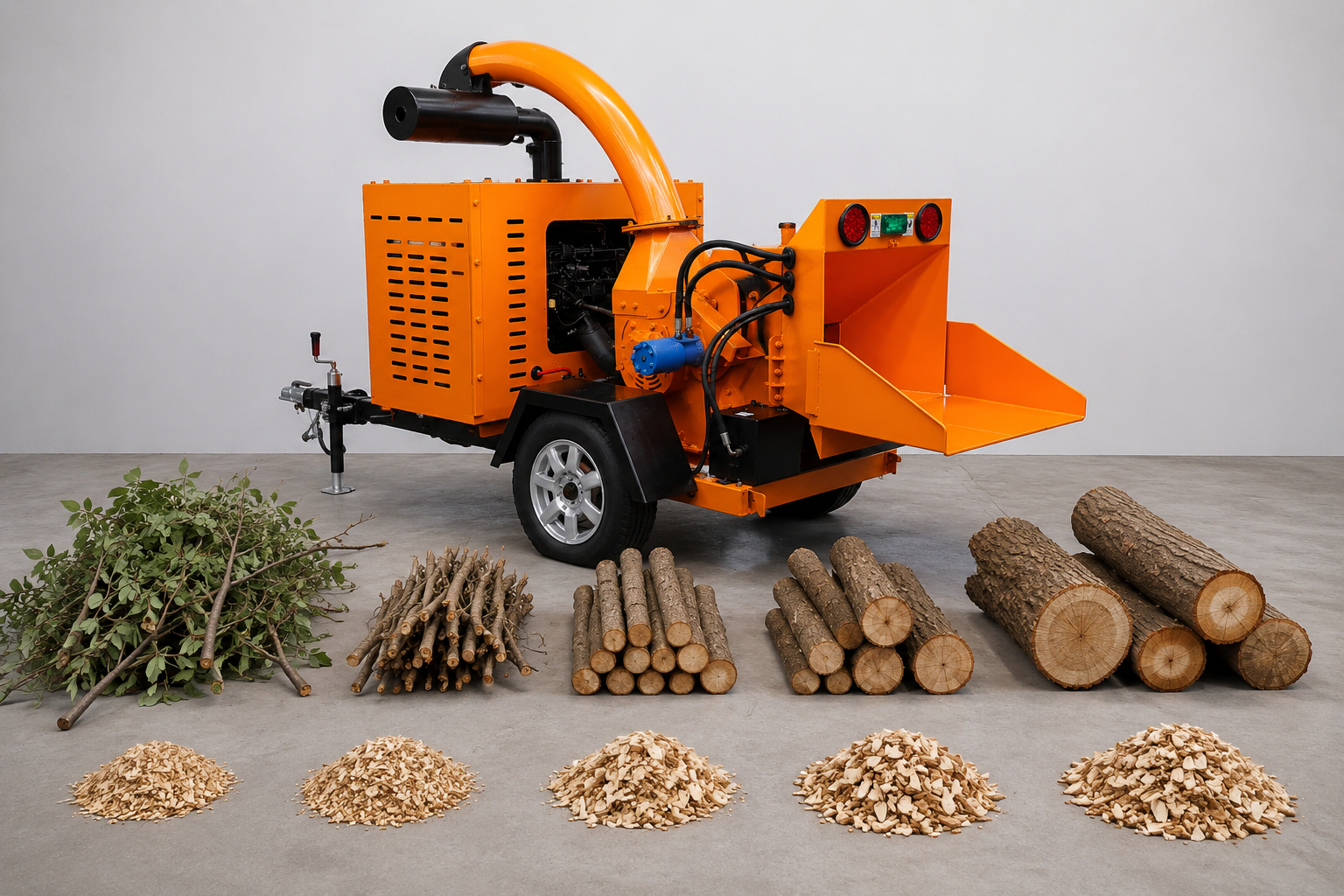
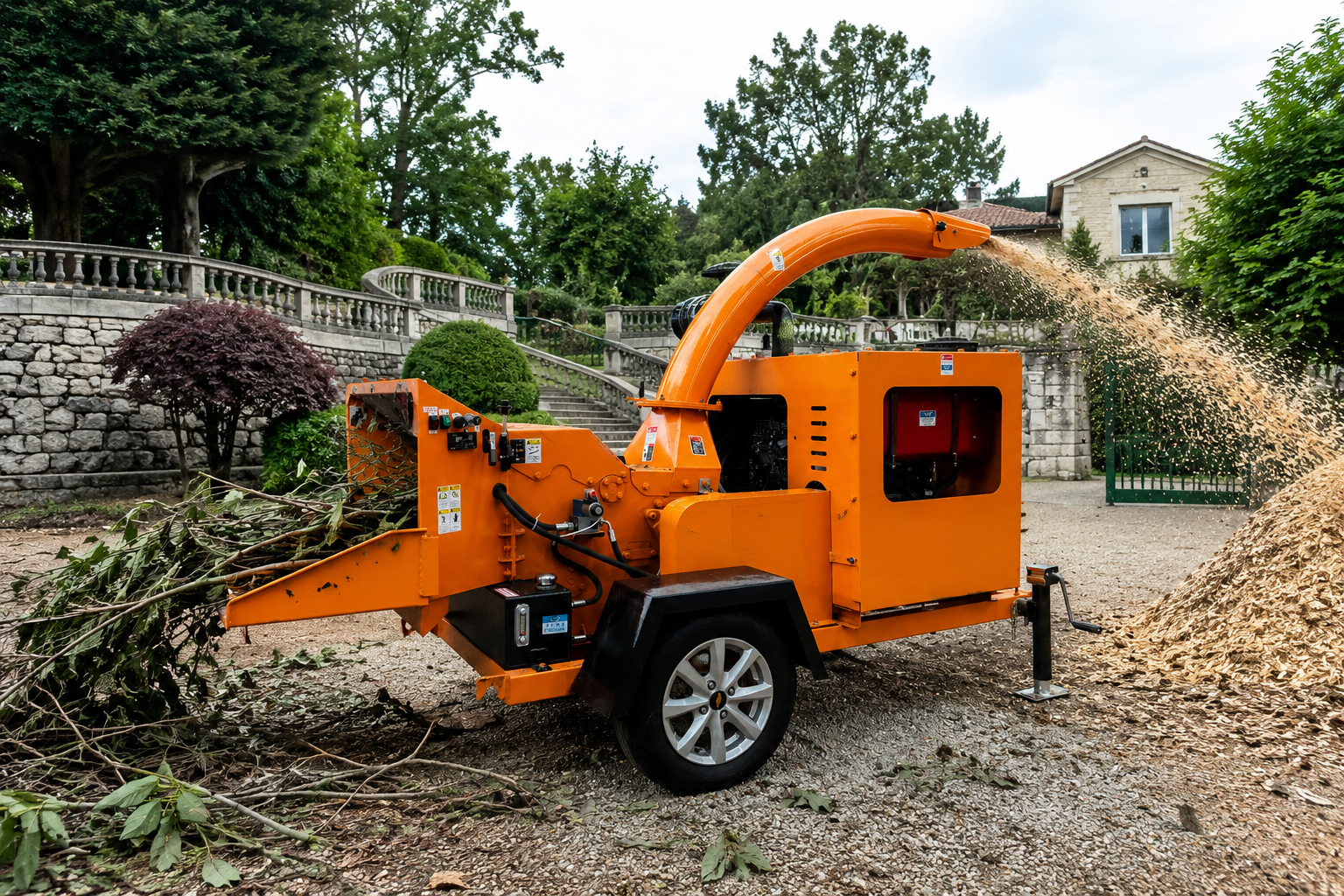
Industrial mobile wood chipper machines are powerful equipment designed for large-scale wood processing. They efficiently convert logs, branches, and waste into uniform chips directly at the job site, saving time and money.
Mobile wood chippers stand out as indispensable tools for modern forestry and biomass operations. They minimize labor, reduce hauling expenses, and increase operational speed. Click the corner mark for more expert insights.
What Are Industrial Mobile Wood Chippers?
Unsure what makes a mobile wood chipper industrial-grade? Learn how their design meets demanding B2B requirements.
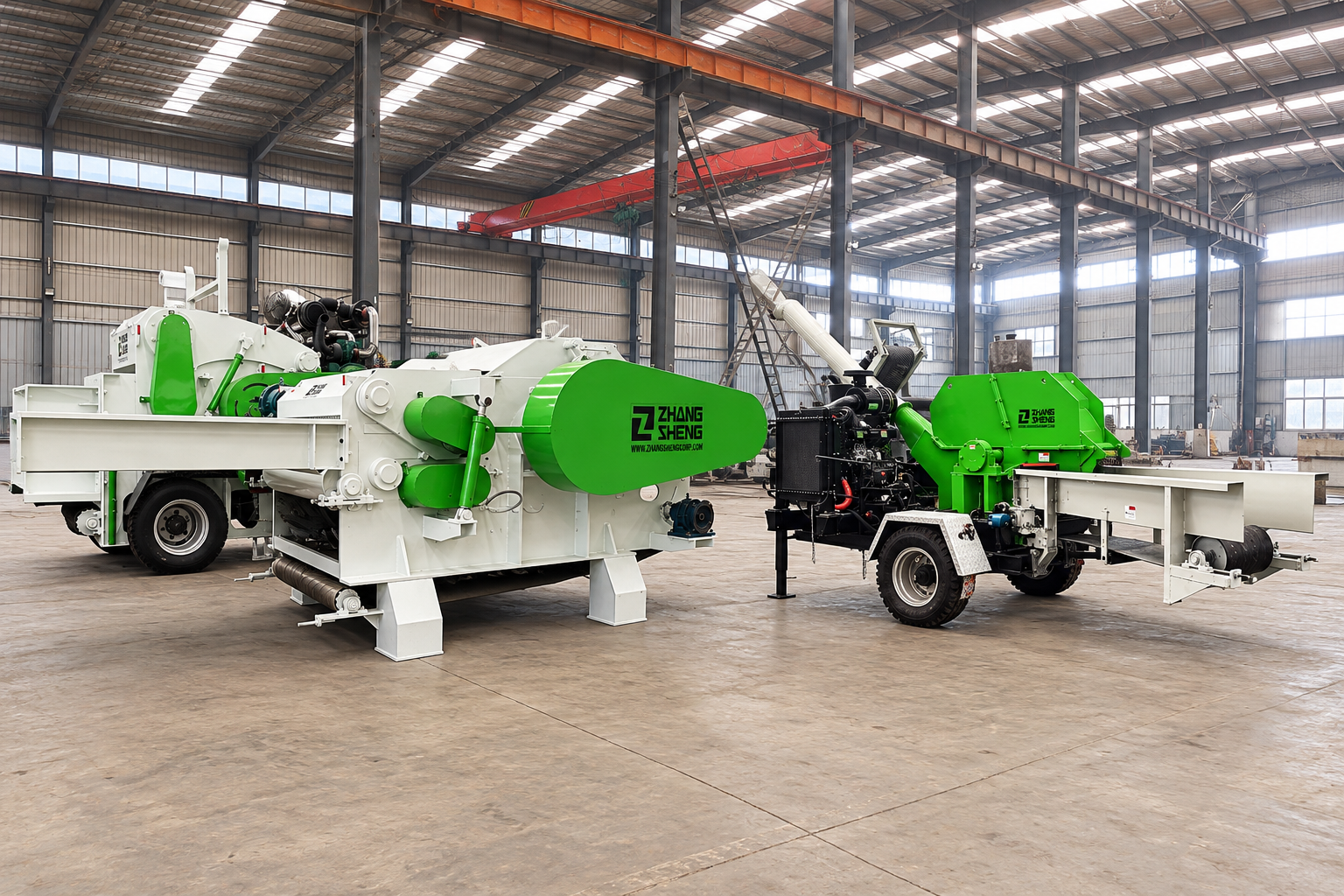
Industrial mobile wood chippers feature robust engines, advanced infeed systems, and high-capacity chipping mechanisms. Unlike consumer models, they deliver superior throughput and durability for continuous heavy-duty use.
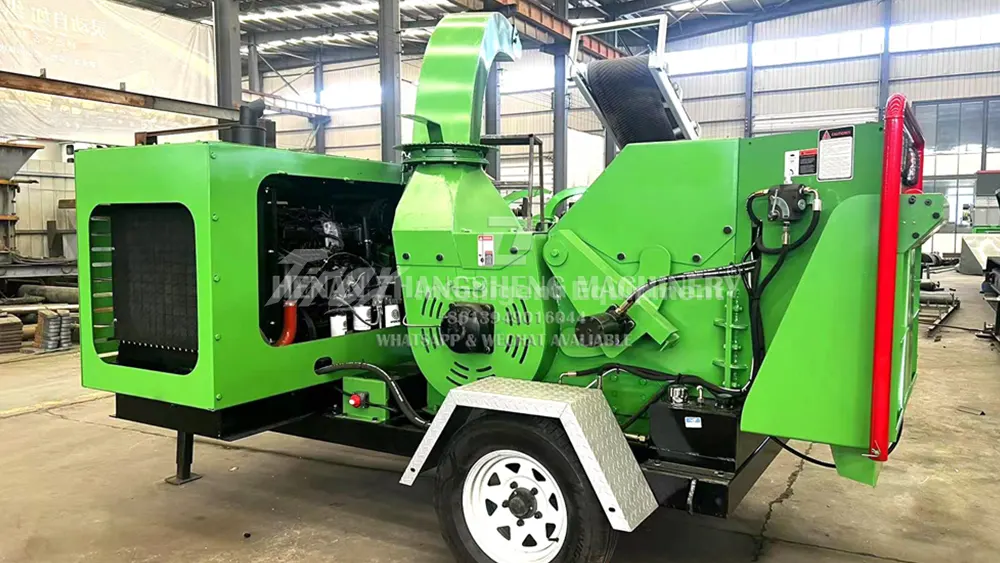
Key Components and Functions
| Component | Function |
|---|---|
| Engine | Provides high horsepower for tough materials |
| Infeed System | Hydraulic or smart feed for consistent material input |
| Chipping Mechanism | Drum, disc, or hybrid for optimal chip size and speed |
| Outfeed System | Conveys chips into trucks or piles efficiently |
These machines are built for reliability and high-volume work. Explore more technical details on our blog or read about wood chipper technology on Wikipedia.
Why Choose Mobile? What Advantages Do They Offer for B2B Users?
Need flexible equipment that adapts to changing job sites? Discover why mobility is key for large-scale wood processing.
Mobile wood chippers provide unmatched flexibility, reducing the need for material transport. They process wood at the source, improving efficiency and lowering overall project costs.
Mobile vs. Stationary: A Practical Comparison
| Feature | Mobile Chipper | Stationary Chipper |
|---|---|---|
| Site Flexibility | Operates anywhere | Fixed location |
| Material Handling | Minimal transport | Requires hauling |
| Cost Efficiency | Lower overall costs | Higher logistics expenses |
| Adaptability | Handles varied projects | Limited |
I have seen companies save thousands by deploying mobile chippers directly on forest sites. For tips, check our blog.
Types of Industrial Mobile Wood Chippers: Which Is Best for Your Operation?
Confused by the range of chipper types on the market? Let me guide you through the options and their applications.
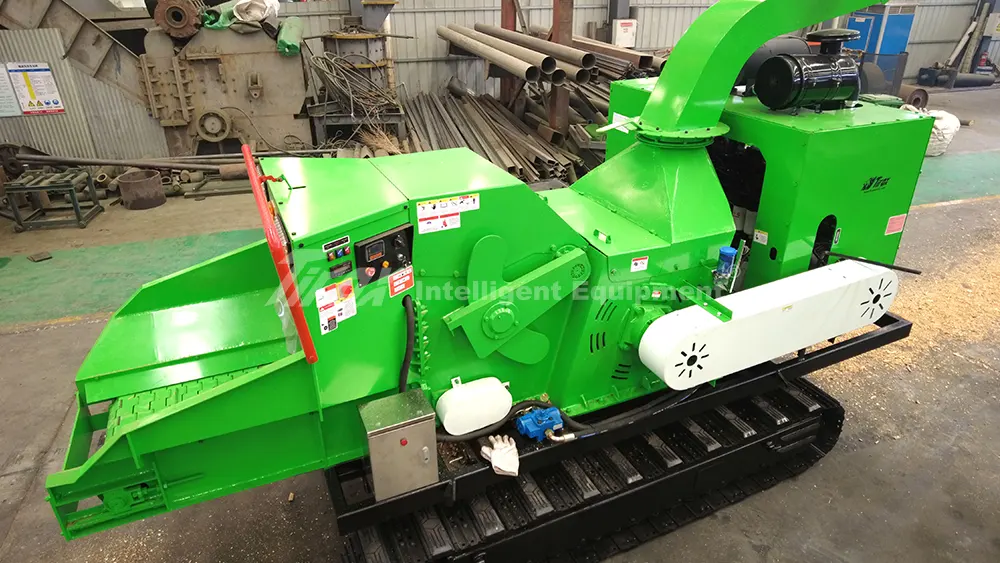
Industrial mobile wood chippers come as PTO-driven, self-powered (diesel/electric), track-mounted, and trailer-mounted units. Each suits different terrain and operational needs.
Chipper Type Selection Table
| Type | Best For | Power Source |
|---|---|---|
| PTO-driven | Farm/plantation work | Tractor |
| Diesel Self-powered | Remote forestry | Diesel engine |
| Electric Self-powered | Urban, low emission | Electric motor |
| Track-mounted | Rough terrain | Diesel/electric |
| Trailer-mounted | Easy transport | Diesel/electric |
For more product details, visit the TIROX wood chipper product page or check discussions on Forestry Forum.
Key Applications: Where Do Industrial Mobile Wood Chippers Deliver the Most Value?
Wondering where mobile wood chippers can make a real difference? Explore their top use cases in industry settings.
Mobile wood chippers excel in forestry thinning, clearing, biomass fuel production, site prep, and waste management. Their adaptability makes them valuable across diverse B2B sectors.
Application Scenarios Table
| Industry | Application | Benefits |
|---|---|---|
| Forestry | Thinning, clearing | Reduced fire risk, resource recovery |
| Biomass Energy | Fuel chip production | Renewable energy, cost savings |
| Construction | Land clearing, site prep | Faster project turnover |
| Recycling | Wood waste management | Volume reduction, value creation |
See how mobile chippers transform these industries on our blog.
Conclusion
Industrial mobile wood chippers are essential for efficient, cost-effective, and flexible wood processing in B2B operations..