
Struggling with rising wood waste management costs? Industrial wood chippers promise a smarter, more profitable solution for commercial operations.
Yes, investing in an industrial wood chipper offers substantial long-term ROI through cost savings, new revenue streams, and operational efficiency. Businesses can reduce waste disposal expenses, create marketable products, and speed up project timelines.
Many companies face hidden costs when handling wood waste. Disposal fees, transportation, and labor quickly add up. A chipper transforms these expenses into value by processing waste on-site. This allows businesses to sell wood chips for fuel or mulch and cut down on trips to the landfill. ◆ ◆
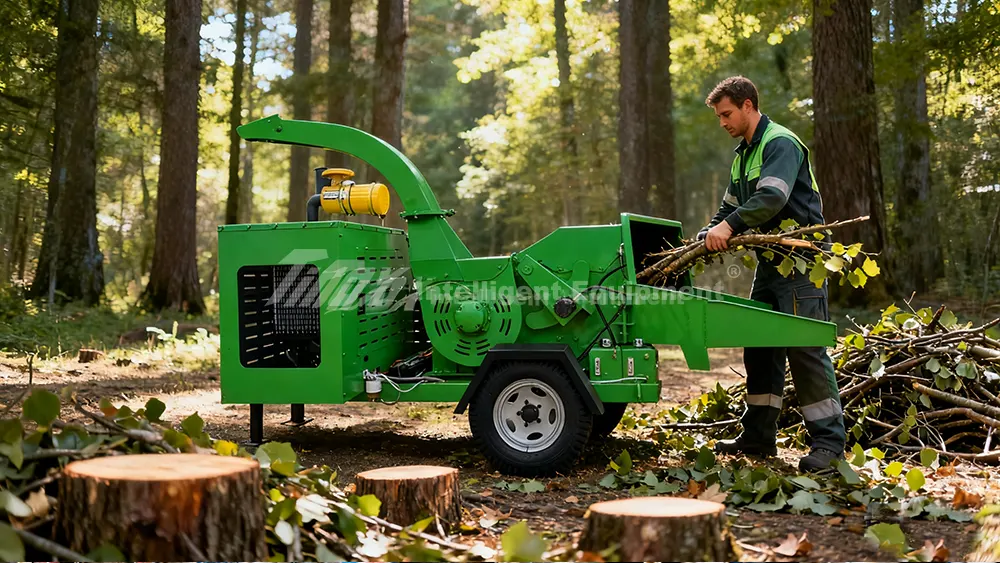
Understanding the Investment Landscape for Industrial Equipment?
Worried about upfront machine costs? Comparing initial investment with long-term savings is key for smart decisions.
The true cost of unmanaged wood waste goes beyond purchase price. Factoring in disposal fees, hauling, and environmental impact, investing in a chipper often pays off quickly.
Breaking Down Costs and Value Creation
| Expense Type | Without Chipper | With Chipper |
|---|---|---|
| Disposal Fees | High | Low/None |
| Transport Costs | Frequent trips | On-site processing |
| Labor | Manual sorting | Mechanized handling |
| Revenue | None | Sell chips/mulch |
When I first assessed our costs, I realized our old process wasted time and money. Switching to a hydraulic chipper with smart feeding systems not only cut costs but added new profit streams. ◆
Direct Financial Benefits & Tangible ROI?
Is your business missing out on hidden profits? Chippers unlock both savings and new revenue.
Industrial wood chippers reduce landfill fees and labor costs. They let you create and sell biomass fuel, mulch, or bedding, turning waste into income.
Cost Reduction and Revenue Generation Explained
| Benefit | How It Works | Example |
|---|---|---|
| Lower Disposal Fees | Process on-site | Less hauling, fewer landfill charges |
| Labor Savings | Automated feed | Hydraulic systems speed up workflow |
| Revenue Streams | Sell chips | Biomass energy, mulch sales |
One client saw a 30% drop in yearly costs after upgrading to a tracked chipper. With strong demand for wood chips in energy and landscaping, returns come fast. ◆
Operational Efficiencies & Productivity Gains?
Are slow site clear-ups causing delays? Chippers bring speed and safety to your workflow.
Chippers streamline wood waste processing, support faster project turnover, and improve safety by reducing manual handling and hazards.
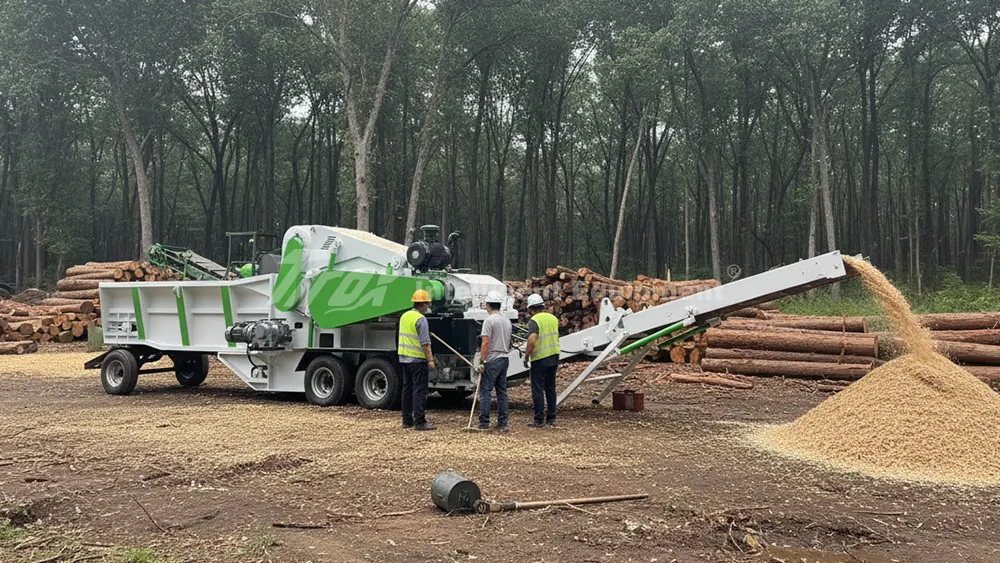
Boosting Workflow and Safety
| Efficiency Factor | Impact |
|---|---|
| Faster Processing | More jobs done, less downtime |
| Site Safety | Less manual labor, fewer injuries |
| Smart Controls | Easy monitoring, quick adjustments |
I remember clearing a plantation with manual tools. With a chipper’s smart control panel and automatic feed, we finished in half the time and kept the crew safe. ◆
Environmental Stewardship & Sustainability Advantages?
Concerned about your company’s environmental footprint? Chippers help meet sustainability goals and regulations.
Industrial wood chippers reduce landfill waste, support renewable energy, and enhance your CSR profile by enabling circular economy practices.
Going Green and Staying Compliant
| Advantage | Details |
|---|---|
| Landfill Reduction | Less wood waste dumped |
| Renewable Energy | Biomass chips for power plants |
| CSR/Regulatory | Meet sustainability standards |
After switching to a TIROX chipper, our team saw landfill trips drop dramatically. Regulators praised our commitment, and we attracted new clients who value sustainability. ◆
Conclusion
Investing in an industrial wood chipper drives financial growth, operational speed, and environmental leadership. Assess your needs to unlock full ROI potential.