
Struggling with high costs and unpredictable project demands can slow down growth for forestry and biomass companies.
A wood chipper is often worth the investment for industrial operations because it streamlines processing, reduces labor costs, and increases project efficiency. This leads to higher profitability and sustainable operations.
Many companies face a tough decision when considering whether to rent or buy industrial wood chippers. Each option has unique benefits and drawbacks. Read on to see which choice is best for your business. ⮞ Corner Mark
Industrial Wood Chipper Investment: Rent vs. Buy for Optimal Forestry & Biomass Operations?
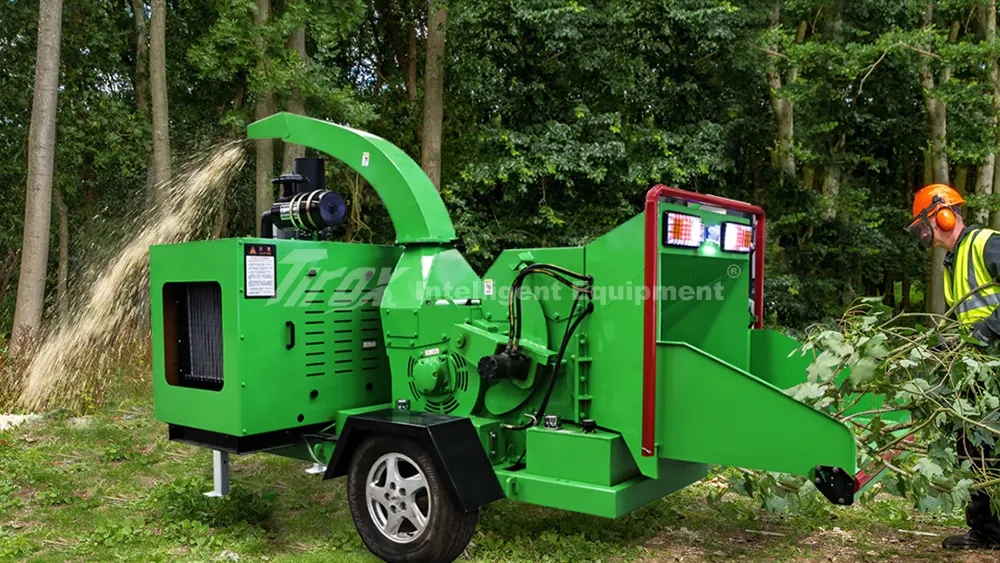
When the need for reliable wood processing grows, choosing between renting and buying becomes a critical business decision.
Renting an industrial wood chipper suits short-term projects, offering flexibility and lower upfront costs. Buying provides long-term savings, asset ownership, and customization for specific operations.
Renting vs. Buying: A Cost-Benefit Breakdown
| Option | Benefits | Limitations |
|---|---|---|
| Rent | Low initial cost, flexible for short projects, minimal maintenance | Higher long-term cost, no asset, limited customization |
| Buy | Long-term savings, asset value, full control | High upfront expense, maintenance, storage needs |
I remember when my team faced a sudden increase in demand. Renting gave us quick access but over several months, costs piled up and control over equipment became a problem. Buying later helped us customize the chipper for our unique material and ensured reliable operation. For ongoing projects and predictable workloads, ownership usually provides better value. ⮞ Corner Mark ⮞ Wiki
Strategic Acquisition: Key Factors for Choosing Your Industrial Wood Chipper Solution?
Many buyers focus only on price, overlooking other vital factors that influence chipper performance and project success.
The best industrial wood chipper choice matches your project volume, material type, mobility needs, power source, safety standards, and long-term ROI.
Checklist for Selecting an Industrial Wood Chipper
| Factor | Description | Why It Matters |
|---|---|---|
| Volume/Frequency | Dailiy output, tons/hour | Ensures chipper meets workload |
| Material Specs | Wood type, diameter | Matches feed system, reduces jams |
| Mobility | Stationary, trailer, tracked | Fits site conditions, improves access |
| Power Type | Diesel, electric, PTO | Impacts fuel cost, performance |
| Safety/Compliance | Emergency stops, guarding | Protects workers, meets law |
In my own work, we underestimated the importance of site terrain and feedstock variety. A tracked chipper saved hours on uneven ground, while a hydraulic feed system handled mixed materials better. Evaluating these factors early ensures successful operations. ⮞ Corner Mark ⮞ Corner Mark
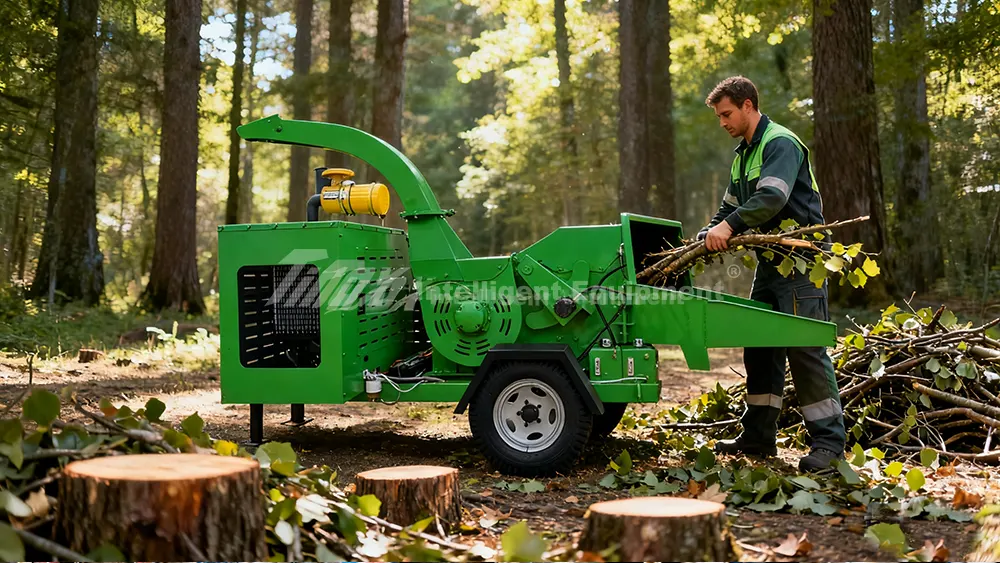
Maximizing Profitability: Calculating ROI and Long-Term Value of Industrial Wood Chippers?
Overlooking total cost of ownership can hurt long-term profitability for industrial wood processing businesses.
Calculating ROI for industrial wood chippers requires considering acquisition costs, maintenance, operational savings, and revenue from processed materials.
How to Calculate ROI for Industrial Wood Chippers
| Cost | Calculation |
|---|---|
| Acquisition | Purchase price, financing |
| Operation | Fuel, labor, maintenance |
| Revenue | Sales of chips, reduced disposal costs |
| Value | Asset depreciation, resale |
I ran the numbers for both rental and ownership over five years. Ownership cut our costs in half and chip sales paid off the machine in under three years. Regular maintenance and operator training protected our investment. For most industrial users, buying is the path to higher profits. ⮞ Corner Mark ⮞ Forum
Conclusion
Smart investment in industrial wood chippers drives long-term savings, higher efficiency, and greater business success.