
Are you struggling with slow material reduction and inconsistent chip quality? Discover how the right horizontal grinder can boost your productivity and transform your wood processing operations.
Industrial horizontal grinders are powerful machines that efficiently process wood and biomass into uniform chips, making them essential for forestry, recycling, and energy sectors seeking high throughput and reliable results.
Choosing the right grinding solution is not just about buying a piece of equipment. It is about investing in smoother production, better chip quality, and long-term profitability. Let me show you how horizontal grinders can reshape your business strategy and deliver real results. Read more insights
What is an Industrial Horizontal Grinder and Why Does It Matter?
Confused by all the equipment options for wood chipping? You are not alone. Let’s break down the essential features that set horizontal grinders apart and why they are a game changer for heavy-duty applications.
An industrial horizontal grinder is a machine that uses a controlled infeed system and a horizontal grinding chamber to process large volumes of wood, brush, and other biomass into consistent, high-quality chips.
Understanding the Core Function and Design
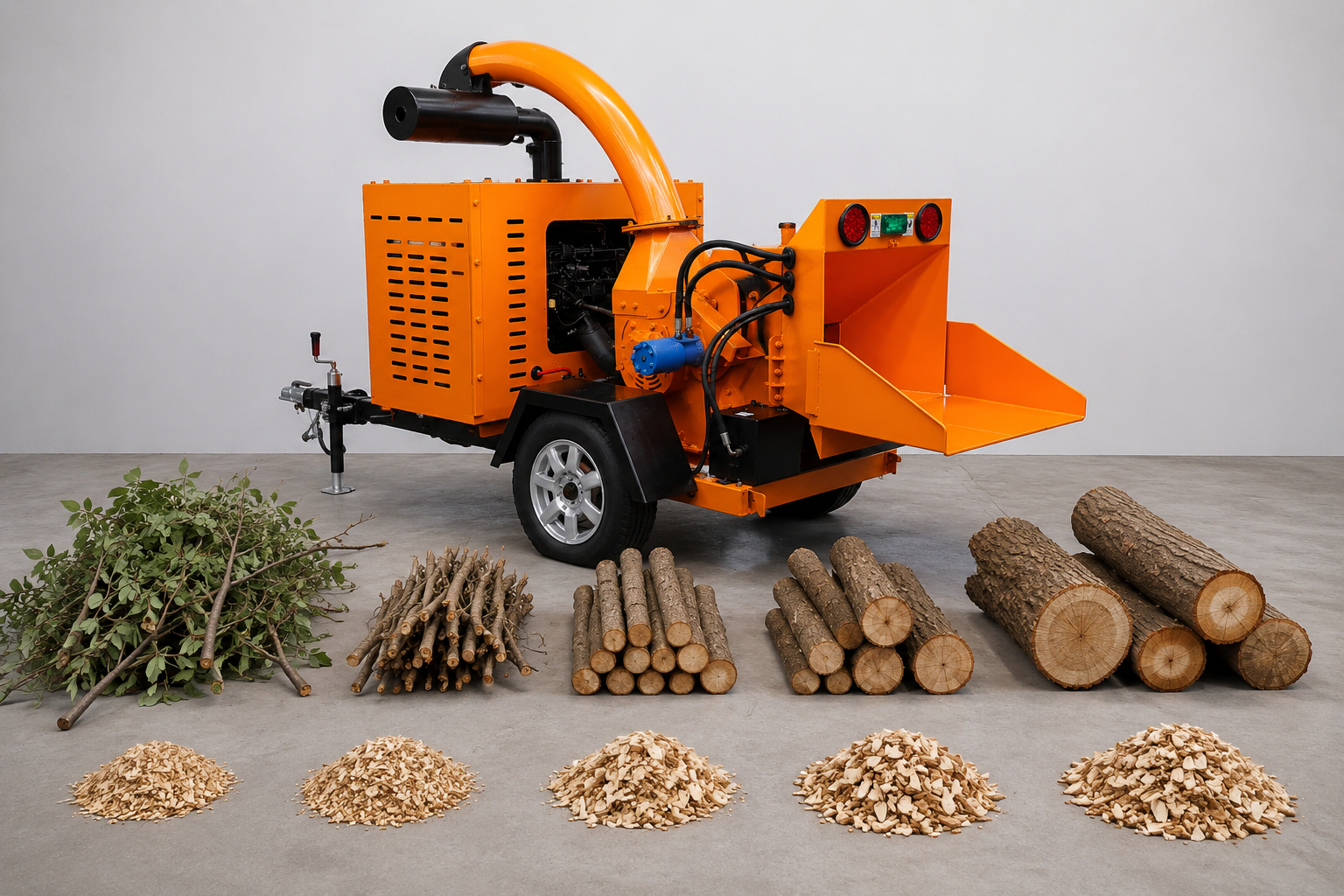
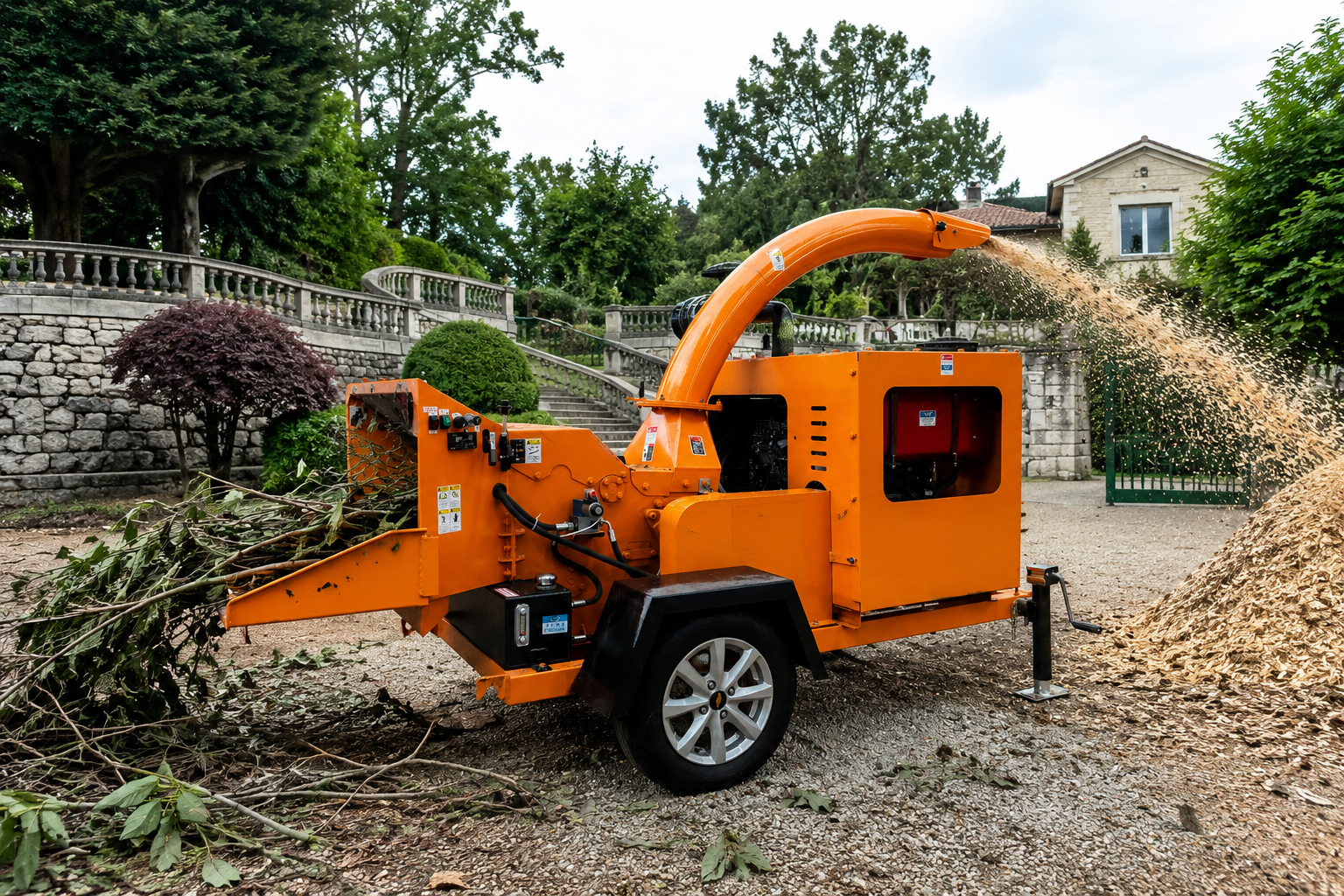
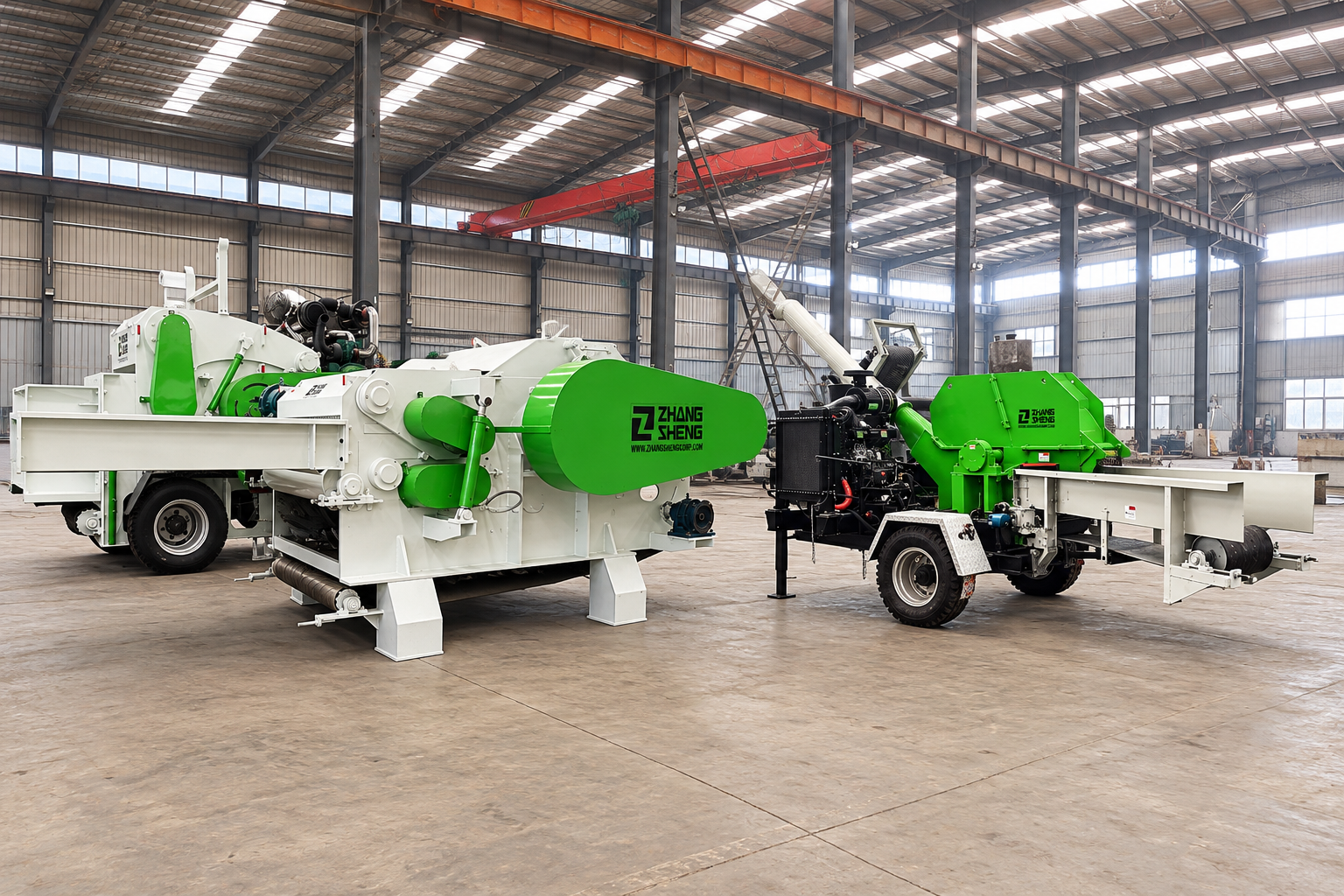
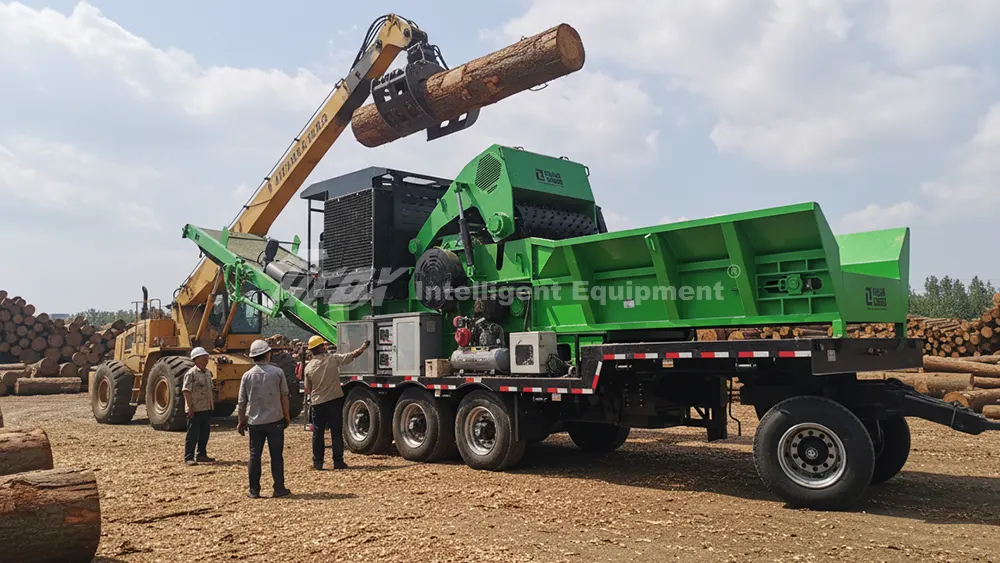
Horizontal grinders are designed for serious work. They feature a robust infeed conveyor that delivers material smoothly into a powerful grinding chamber. Inside, high-speed hammers or knives break down the wood with impact and shearing forces. The chips then exit through a discharge conveyor, ready for use in mulching, fuel production, or further processing. This design allows for continuous operation and reduces downtime. The horizontal layout makes it easier to handle long materials like logs, branches, and demolition wood. Compared to other machines, horizontal grinders can handle bulkier feedstock with less manual prep. Their enclosed chambers also improve safety for operators, making kickbacks and thrown objects much less likely. Learn more on Wikipedia See TIROX Horizontal Grinder
Why Is Demand Increasing for Efficient Biomass Processing?
You may notice rising interest in biomass and recycled wood products. This is not just a trend. It is a response to global sustainability and energy needs.
Efficient biomass processing is vital for turning wood waste into valuable products like boiler fuel, pellets, and mulch, helping industries reduce costs and environmental impact while meeting market demand.
The Push for Sustainable, High-Volume Output
Many businesses now want to turn leftover wood and green waste into something useful. Horizontal grinders play a key role here. With high throughput rates and consistent chip sizes, these machines help companies meet strict standards for biomass fuel and wood fiber. Power plants, pulp mills, and landscaping firms all rely on uniform feedstock for their operations. Poor chip quality can lead to inefficiency, equipment jams, or even regulatory failures. Horizontal grinders solve these problems by providing steady output and flexible sizing options. Their advanced control systems, like the smart feed and hydraulic adjustment features found in TIROX models, let users tailor the process to each material type. This adaptability is crucial when dealing with mixed feedstock from forests, construction sites, or recycling centers. Explore more tips
What Makes Horizontal Grinders Essential for B2B Forestry and Biomass Companies?
If you manage large-scale wood processing or biomass projects, you know that downtime and poor chip quality can cost you. Horizontal grinders offer solutions that keep your business moving.
Horizontal grinders provide superior safety, consistent output, and versatility, making them the go-to choice for forestry, logging, recycling, and energy companies seeking reliable, scalable operations.
Practical Benefits for Industrial Operators
For B2B users, horizontal grinders stand out for several reasons. First, they produce uniform chips, which are ideal for boilers, pulp mills, or mulch producers. Second, their enclosed design and controlled feeding systems reduce risks from flying debris. Third, advanced features like hydraulic feed speed adjustment and smart load monitoring ensure smooth operation, even with varying material sizes. This means fewer jams, less downtime, and lower maintenance costs. At TIROX, we have seen our machines used in 87 countries, handling everything from dense forest residue to urban demolition waste. Customers often mention how the 24/7 support and easy-to-use control panels let them focus on growing their operations instead of troubleshooting equipment. The ability to scale output and adapt to new markets is a direct result of choosing horizontal grinders over less advanced alternatives. See customer stories Discuss with professionals
How Do Horizontal Grinders Work and What Are Their Key Components?
Ever wondered how horizontal grinders process massive logs and branches so efficiently? The answer lies in their smart design and robust engineering.
Horizontal grinders use a powerful infeed conveyor, a high-speed grinding chamber, and a discharge system to break down bulky wood into chips, with advanced controls ensuring safe and efficient operation.
Breaking Down the Technology
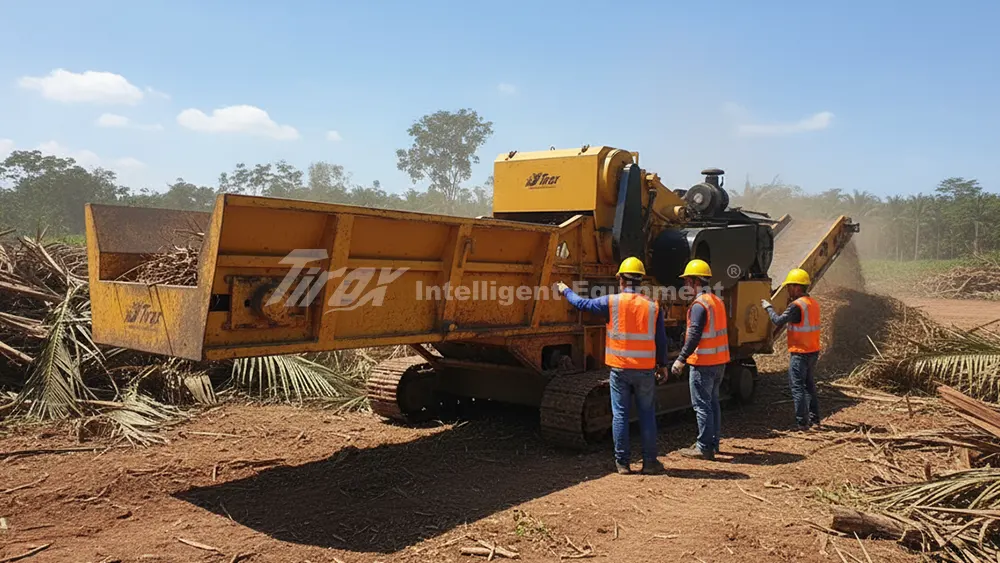
Modern horizontal grinders start with a hydraulic forced infeed system. Operators adjust the speed to match the diameter and type of material. This prevents overload and maximizes output. The grinding chamber uses rotating hammers or knives to impact and shear the wood. Sensors and smart panels monitor load, oil levels, and temperature in real time, helping prevent blockages or breakdowns. If a jam occurs, operators can reverse or stop the feed instantly, protecting both blades and engines. High-quality engines, like those from Cummins or Perkins, power the unit. An independent conveyor, controlled by its own hydraulic system, moves chips away for collection. This setup allows for continuous, high-volume production with minimal manual intervention. Safety systems, such as emergency stops and metal detection, keep operators secure. All these features combine to make horizontal grinders the preferred solution for demanding industrial tasks. View product specs More technical guides
What Are the Main Applications for Horizontal Grinders?
You might be asking, “Where do horizontal grinders fit into real-world operations?” The answer is: almost everywhere large amounts of wood waste need processing.
Horizontal grinders are used for forest residue cleanup, producing boiler fuel, manufacturing mulch, and supporting recycling centers, making them indispensable for forestry, energy, and landscaping sectors.
Industry Use Cases and Success Stories
In forestry, horizontal grinders clear brush and leftover branches, turning waste into chips for pulp or biofuel. Biomass energy companies use them to prepare fuel for industrial boilers, ensuring each batch meets strict size requirements. Landscaping firms process pruned branches and old trees into mulch or compost. Recycling centers rely on these machines to handle mixed wood waste, including furniture and construction debris. Their ability to process long, bulky, or irregular materials without extensive prep speeds up site cleanup and resource recovery. Sawmills and furniture manufacturers also use horizontal grinders to deal with offcuts and sawdust, turning potential waste into valuable products. This versatility explains why TIROX machines are now present in 87 countries and why our customers keep returning as their operations expand. See real applications Woodworking Forum
Horizontal Grinders vs. Tub Grinders: A Strategic Comparison for Industrial Wood Chipping Operations?
Choosing between horizontal and tub grinders can be tough. The wrong choice can lead to inefficiency and safety concerns. Let’s compare these machines so you can make an informed decision.
Horizontal grinders offer controlled feeding, consistent output, and greater safety for long, linear materials. Tub grinders excel at processing mixed, irregular feedstock but require larger safety zones and may produce variable chip sizes.
Comparing Features and Operational Strengths
| Feature | Horizontal Grinder | Tub Grinder |
|---|---|---|
| Feed System | Controlled, hydraulic conveyor | Top-loading open tub |
| Ideal Material | Logs, branches, C&D wood | Brush, stumps, mixed waste |
| Output Consistency | Uniform chips, less fines | Variable chips, more fines |
| Safety | Enclosed chamber, reduced kickback | Open tub, larger safety zone |
| Mobility | Tracked or trailer-mounted | Usually trailer-mounted |
I have worked with both types. I see horizontal grinders as the best choice when you need precise chip sizing and minimal safety risks, especially for B2B applications where reliability is key. Tub grinders can handle a wider variety of green waste but need more room and operator caution. Your specific material and operating environment will determine which machine suits you best. See buying guides Forum: Equipment advice
Conclusion
Horizontal grinders offer unmatched efficiency, safety, and versatility for industrial wood chipping and biomass processing, making them a smart investment for modern forestry and energy operations.