
Worried about wood chipper accidents slowing down your business? Addressing safety risks early means fewer injuries and more reliable production for every project.
To maximize safety and productivity, inspect your industrial wood chipper daily, use proper personal protective equipment, assess site risks, follow strict feeding protocols, and always train your operators on emergency procedures.
Many B2B companies overlook simple safety steps, but these basics are essential for uptime and profits. I have seen firsthand how a single missed inspection or poor communication can lead to costly downtime. If your goal is consistent production and lower maintenance costs, keep reading for actionable safety checklists and proven best practices.⤴ Corner Mark⤴ Wikipedia
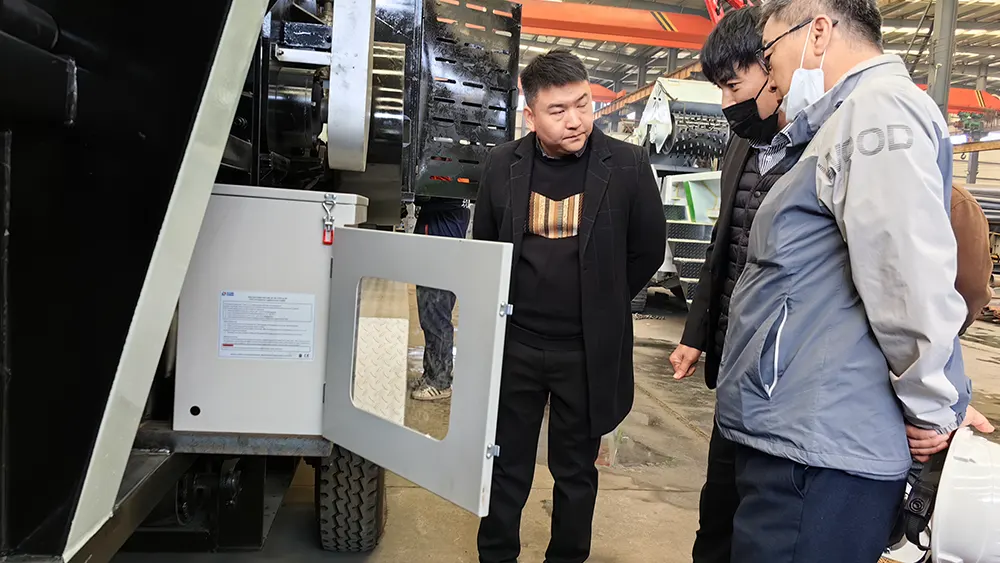
Pre-Operational Safety Checklist: What Should You Check Before Starting a Wood Chipper?
Ignoring pre-operational checks can result in accidents and expensive repairs. A daily inspection routine prevents unexpected breakdowns.
Before starting an industrial wood chipper, inspect for blade wear, loose bolts, hydraulic leaks, and proper guards. Verify PPE compliance and confirm the chipper is placed on stable, level ground, away from hazards.
Breaking Down the Pre-Operational Safety Checklist
| Step | Action | Why It Matters |
|---|---|---|
| Equipment Inspection | Check wear/tear, bolts, blades, leaks | Prevents mechanical failure and injury |
| PPE Verification | Hard hat, gloves, safety glasses, cut-resistant clothes | Protects operators from flying debris and noise |
| Site Assessment | Stable ground, clear access, safe distances | Reduces risks of tip-over or electrical hazards |
| Hydraulic System Check | Look for leaks, test controls | Ensures reliable feeding and safe operation |
A thorough daily checklist builds a routine that stops small problems from becoming large failures. I have watched customers save hours of downtime simply by catching a worn blade before a project starts.⤴ Corner Mark⤴ Sunbelt Rentals
Safe Operating Procedures: What Are the Best Practices for Running an Industrial Wood Chipper?
Unsafe feeding techniques and poor emergency planning can turn routine jobs into emergencies. Clear operating procedures keep everyone safe.
Always feed material slowly using controlled methods, never use hands to clear jams, regularly test emergency stops, and maintain safe operator positions at all times.
Key Operating Safety Practices
| Procedure | Description | Result |
|---|---|---|
| Feeding Materials | Feed branches slowly, consistently, using push tools | Prevents overfeeding and dangerous jams |
| Emergency Stop Protocol | Test stop switches before each shift | Immediate shutdown in case of emergency |
| Operator Positioning | Stay clear of feed chute, stand to the side | Reduces risks from kickback or flying debris |
I remember one project where a client avoided a serious injury because his team had practiced emergency stops the previous week. Training and clear procedures are non-negotiable for every operator.⤴ Corner Mark⤴ Arbtalk Forum
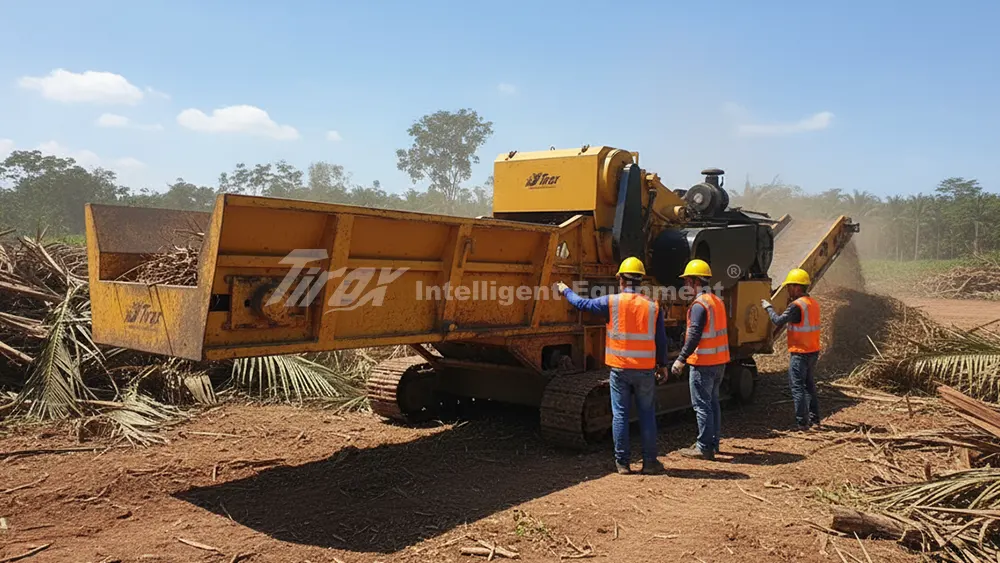
Maintenance and Servicing Safety: How Do You Safely Maintain an Industrial Wood Chipper?
Skipping lockout/tagout or ignoring manufacturer guidelines can expose you to severe injury and expensive repairs. Maintenance safety protects your investment.
Always follow lockout/tagout protocols, use manufacturer manuals for blade changes, and disconnect power before clearing blockages or servicing your chipper.
Maintenance Best Practices
| Task | Action | Safety Impact |
|---|---|---|
| Lockout/Tagout | Shut down, disconnect, tag machine before maintenance | Prevents accidental start-up and injury |
| Manufacturer Guidelines | Read detailed safety manuals, follow blade change instructions | Ensures safe, correct servicing |
| Blockage Removal | Use reverse feed or stop controls, never hands or feet | Protects operators from moving parts |
My company always supplies detailed safety manuals for every wood chipper model. I have seen customers reduce downtime and avoid accidents by strictly using these resources.⤴ Corner Mark⤴ Horizontal Grinder Product
Training and Certification: Why Is Operator Training So Important for Industrial Wood Chippers?
Untrained operators are the leading cause of accidents and expensive mistakes. Certified training creates a culture of safety and efficiency.
Ensure that every operator receives comprehensive training on the specific chipper model, with regular refresher courses and updates on safety best practices.
Operator Training Essentials
| Training Element | Purpose | Benefit |
|---|---|---|
| Initial Certification | Operator learns all safety and operational controls | Reduces risks and improves confidence |
| Refresher Courses | Update operators on new protocols or equipment | Keeps safety standards high over time |
| Model-Specific Training | Focus on unique features and controls | Ensures proper use of advanced safety systems |
I have watched clients transform their safety records by investing in regular training sessions. Even experienced crews benefit from learning new chipper technologies.⤴ Corner Mark⤴ Wood Chipper Product
Conclusion
Making safety a daily priority guarantees smoother operations, fewer accidents, and higher profits for every industrial wood chipping business.