
Choosing the right industrial wood chipper can be overwhelming. The wrong decision may reduce your efficiency, increase costs, and cause more downtime.
Industrial wood chippers use either drum or disc technology. Drum chippers handle varied feedstocks well. Disc chippers offer precise, uniform chips. Both types have strengths suited for different B2B needs.
When you are faced with this decision, you want to know what works for your business. The right chipper can save you money, boost productivity, and keep your operation running smoothly. Let’s look at how drum and disc chippers work, their advantages, and how they fit different business needs. Jump to more tips
Drum Chippers – What Makes Them Robust for Varied Feedstocks?
Many users struggle with inconsistent wood sizes. Drum chippers are designed to handle these challenges, making them the top choice for complex feedstocks.
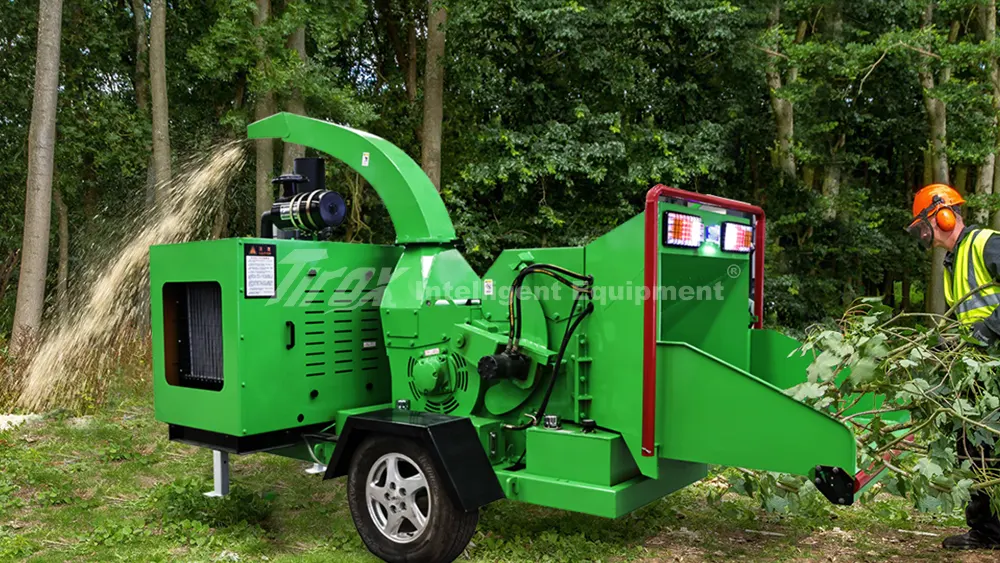
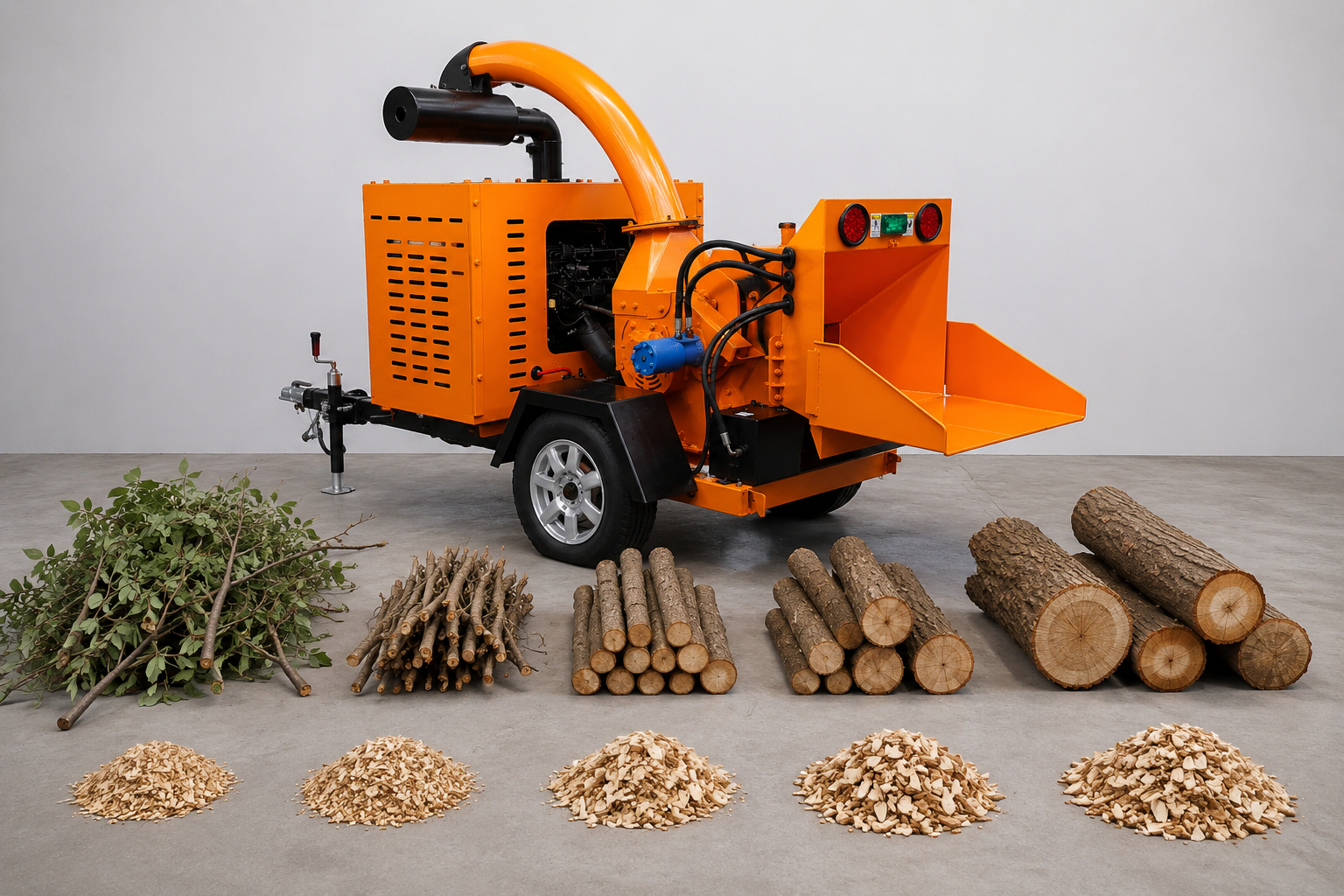
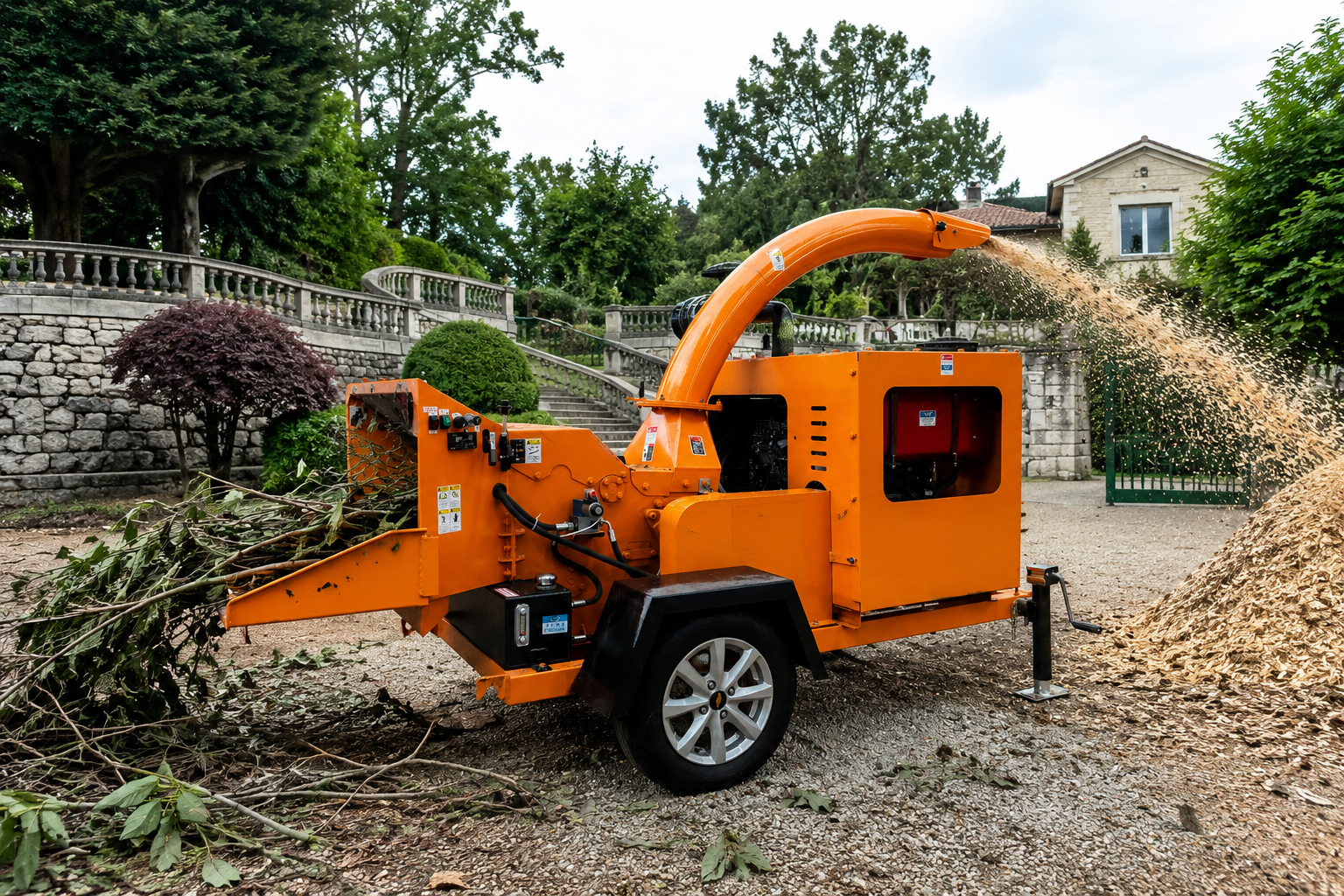
Drum chippers use a large rotating drum fitted with knives. The drum pulls in material, slicing it against a fixed anvil. This design allows for continuous feeding and stable performance, even with branches and irregular shapes.
How Drum Chippers Work
The core of a drum chipper is a heavy drum, rotated by a powerful engine. Knives mounted on the drum slice wood as it passes through. An anvil supports this cutting action. Hydraulic feed systems and smart controls further boost efficiency. This setup means drum chippers can handle logs, branches, and mixed materials without clogging easily.
| Feature | Drum Chipper | Disc Chipper |
|---|---|---|
| Feedstock Flexibility | High (irregular and mixed materials) | Moderate (best with uniform material) |
| Chip Size Consistency | Variable | High |
| Throughput | High | Moderate |
If you work in forestry, biomass, or recycling, drum chippers are often the best match. You get reliable performance, less downtime, and the ability to handle whatever the job throws at you. Explore our drum chippers | Wikipedia: Wood Chipper
Disc Chippers – Are They Right for Uniform Biomass Production?
Disc chippers excel where chip size and shape matter most. For B2B clients needing uniform biomass, this technology stands out.
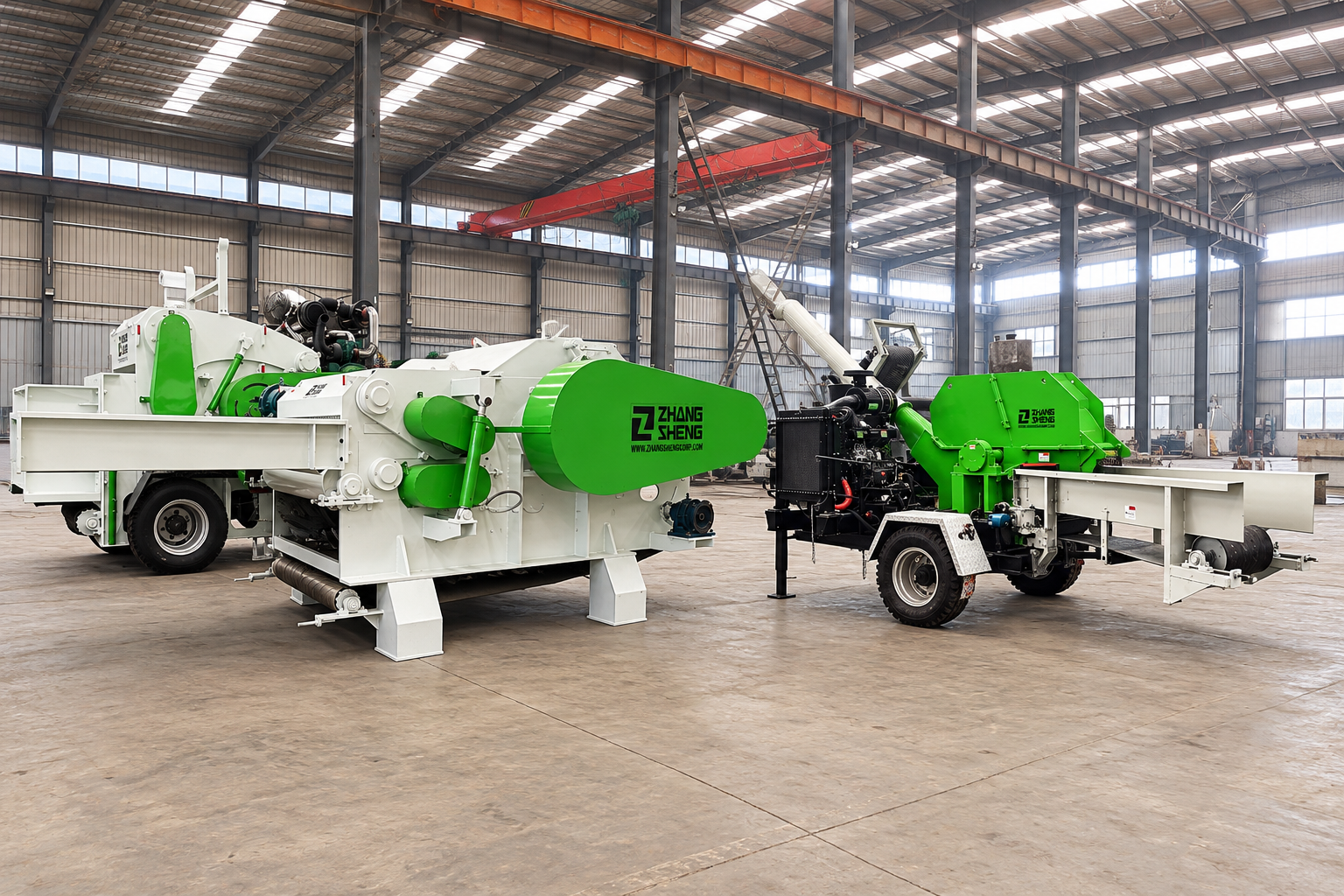
Disc chippers have a spinning disc with knives mounted on its surface. As logs are fed, the knives slice off chips with precision. The result is uniform chip size, which is critical for pellet production and energy plants.
Advantages and Use Cases of Disc Chippers
The disc chipper’s main strength is consistency. The uniform chips produced are ideal for processes needing tight specifications. If your business focuses on pellet production or boiler fuel, disc chippers provide reliable, repeatable results. While they may not handle irregular feedstock as well as drum chippers, they shine with straight logs and pre-processed wood.
| Scenario | Drum Chipper | Disc Chipper |
|---|---|---|
| Pellet Production | Good, but less uniform | Excellent |
| Biomass Energy | Excellent for mixed feedstocks | Excellent if feedstock is uniform |
| Land Clearing | Best choice | Moderate |
If you are managing a power plant or pellet factory, disc chippers bring precise control and better chip uniformity. Check our disc chipper solutions | Forum: Drum vs. Disc Discussion
What About Maintenance and Control – How Can Smart Features Make a Difference?
Maintenance costs and downtime are key concerns for industrial users. Smart features can help you avoid these issues.
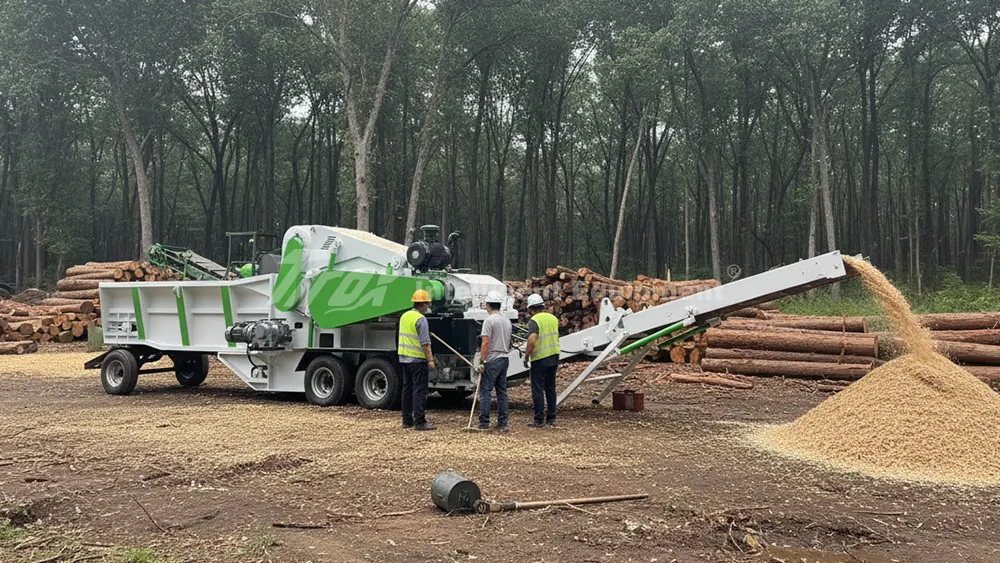
Modern chippers, including TIROX models, offer hydraulic forced feed systems, smart control panels, and independent conveyor controls. These features let you adjust feed speed for different wood sizes and monitor machine health in real time. Intelligent feeding prevents blockages and protects the knives and engine from damage. User-friendly controls make operation simple, even for new staff.
Smart Features That Save Time and Money
The smart hydraulic feed system senses wood diameter and automatically adjusts speed. This means less manual intervention, fewer jams, and higher throughput. The control panel gives live updates on oil level, water temperature, and run hours, helping you spot issues before they turn costly. If there is a blockage, you can reverse the feed with a single lever. Independent conveyor control lets you pause or reverse the belt instantly, keeping the operation safe. These features are designed to minimize downtime and keep your equipment running at peak performance. Learn more about our technology | Wikipedia: Industrial Wood Chipper
How Should B2B Users Decide – Drum or Disc for Their Operation?
Every business has unique needs. Making the right choice means considering your material, output goals, and budget.
Drum chippers work best for mixed materials and tough conditions. Disc chippers are ideal for uniform chips and precise output. Both types benefit from advanced features like smart feeding and control panels. You want to match the chipper’s strengths to your business challenges.
Decision Table for B2B Users
| Business Type | Recommended Chipper | Why |
|---|---|---|
| Forestry & Logging | Drum Chipper | Handles large and irregular materials |
| Biomass Energy | Drum or Disc Chipper | Choose based on feedstock uniformity |
| Pellet Production | Disc Chipper | Uniform chip size is critical |
| Recycling Center | Drum Chipper | Best for mixed wood waste |
Talk to your supplier about your specific materials and throughput needs. Visit the factory for a demo and see the technology in action. Schedule a factory visit | Forum: User Experiences
Conclusion
Drum and disc wood chippers both offer unique benefits. Choosing the right one depends on your business needs, material types, and desired results.